



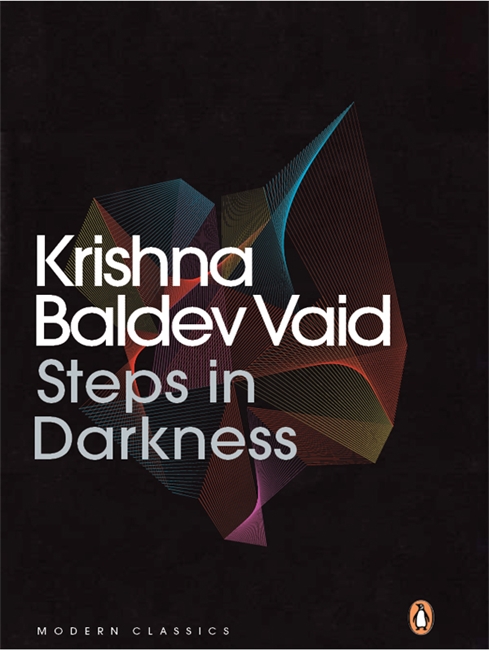
Beero lives through a succession of days and events. His father gambles, his mother screams and gets hit by her husband, his sister flirts rather desperately. Beero searches for love and kindness in his strife-torn family. The spare delicacy of Vaid’s prose illustrates a child’s joy of play in fragile balance with the violence and poverty of his circumstances.
Archives: Books
Spot Girl
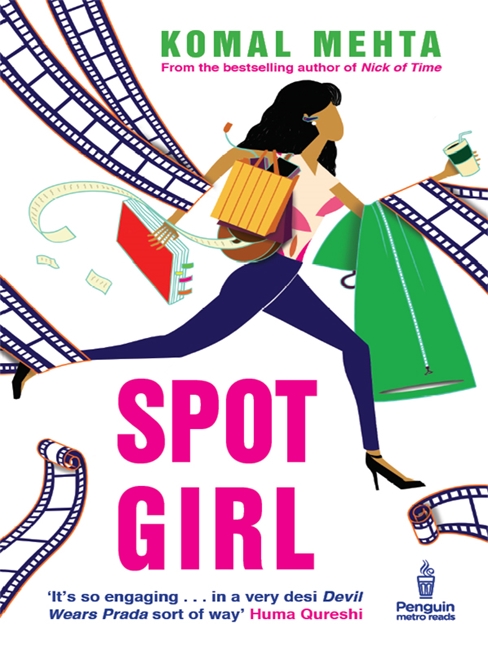
You hold on to that Star . . .
Jia is living her greatest dream. She’s the manager-cum-miss-do-it-all of the country’s hottest film star, Shezad Khan! A man she’s adored since her teens.
But her life takes a sudden twist when Shezad gets romantically involved with actress Ayesha. More frustrating is when she has to work with Ayesha’s attractive but infuriating manager Falak to bring the two stars together for a legendary director’s last film.
On Shezad’s trip to the Cannes red carpet, Jia suddenly finds her picture-perfect existence clouded with self-doubt, heartbreak and questionable career choices. Also that Falak, ‘the man with a girl name’ and she might have a little more in common!
Spot Girl is the story of an ordinary girl who ends up finding something ‘real’ in this fascinating world of ‘make belief’!
Sons Of Brahma
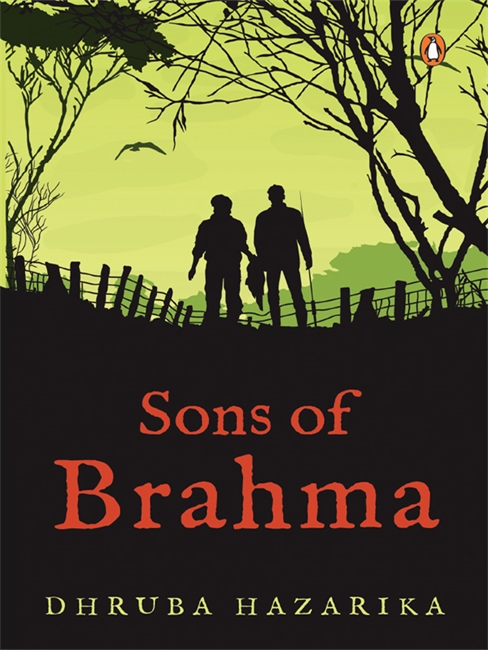
Jongom, an unassuming scholar, spends his days in the world of books. Until, to his bewilderment, he is singled out by a dangerous rebel leader, Anjan Phukan, who wants him to write for the separatist cause. They are arrested without warning on their first meeting, and Anjan is shot dead trying to escape. Now Jongom is forced to escape from both the police and the rebels who hold him responsible for their leader’s death. He takes with him his loyal best friend, Pranab, and together they race through the lush Assamese countryside, facing the macabre world of north-east politics and discovering along the way a terrible secret that binds them together in ways they never thought possible. Addictive and gripping, Sons of Brahma is an enthralling Assam novel.
Virasat
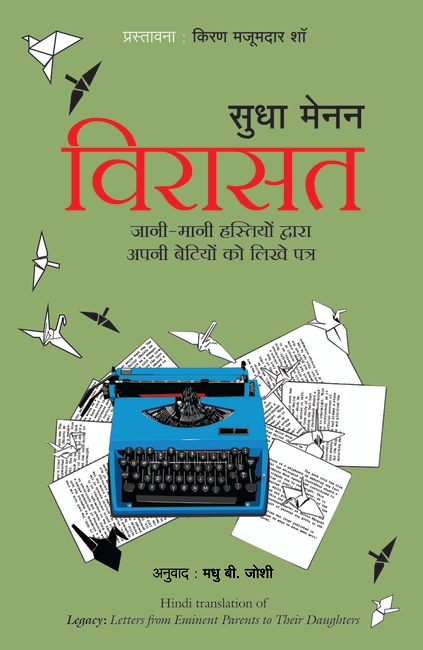
This is hindi translation from english book LEGACY. Narayana Murthy, Chanda Kochhar, Kishore Biyani, Zia Mody, K.V. Kamath, Ajay Piramal, Amit Chandra, Ganesh Natrajan, Renuka Ramnath, P.P. Chhabria, Pradeep Bhargava, Deep Anand, Capt. Gopinath, Mallika Sarabhai, Shaheen Mistri, Sanjeev Kapoor, Jatin Das, and Prakash Padukone
They say a daughter may outgrow your lap, but she will never outgrow your heart. In Legacy, noted journalist and author Sudha Menon brings forth a rare collection of personal and evocative letters from parents to their daughters. Through their fearless approach to life, love, and overcoming obstacles, these icons from the world of business, arts, films, food, and sports share with us their experience and wisdom as they pass them on to their daughters.
Deeply moving and thought provoking, Legacy is a remarkable collection of life lessons that will delight and inspire at the same time.
The Newsmakers
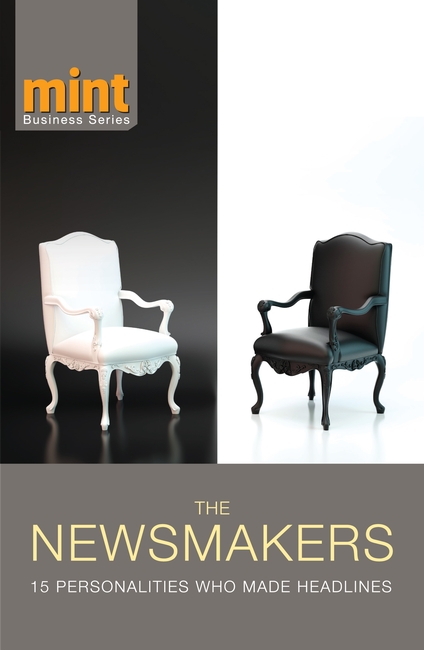
A smuggler of priceless antiquities, a scrap dealer turned millionaire accused in the Coalgate scam, an electrical engineer from rural Chhattisgarh, on his way to winning a one-way ticket on the Mars One mission, the controversial former Comptroller Auditor General of India, a prominent editor accused of sexually harassing one of his colleagues, and a flamboyant businessman whose airline took a nosedive.
The Newsmakers is an anthology of ordinary and extraordinary Indians, who have made headlines over the past two years. 2012 and 2013 were dominated by corruption scandals, many of which find mention, in various guises, in the lives of the people written about in this book. Some have been celebrated and some castigated. Often, however, it was not the news story itself that was the highlight of these profiles. The early careers and backgrounds of the people involved set the news in a context that changed the way we thought about current events. Each subject, in his or her own way contributed to the wider India story that has unfolded in an era of great progress and greater uncertainty.
Blindspot
The Delhi Sultanate period (1206-1526) is commonly portrayed as an age of chaos and violence – of rapacious, plundering kings, turbulent dynasties, and the aggressive imposition of Islam on India. But it was also the era that saw the creation of a pan-Indian empire, on the foundations of which the Mughals and the British later built their own Indian empires. The encounter between Islam and Hinduism also transformed, among other things, India’s architecture, literature, music and food. Abraham Eraly brings this fascinating period vividly alive, portraying the many kings-mad, brilliant, astute, cruel-who ruled during this period, and discussing the political, social and cultural developments that transformed India. Combining erudition with powerful storytelling, analysis with anecdote, The Age of Wrath is a superb book.
The Marwaris
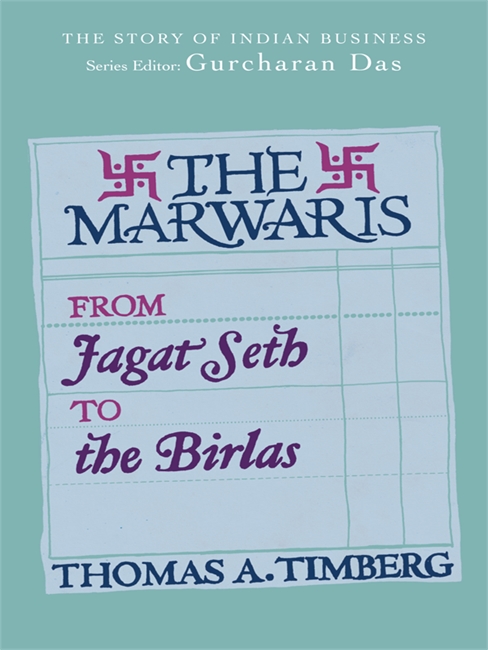
In the nineteenth century, a tiny community from the deserts of Rajasthan spread out to every corner of India. The Marwaris controlled much of the country’s inland trade by the time of the First World War. They then turned their hand to industry and, by the 1970s, owned most of India’s private industrial assets. Today, Marwari businessmen account for a quarter of the Indian names on the Forbes billionaires list.// What makes the Marwaris so successful? Is it their indomitable enterprise, or their incredible appetite for risk? In this new book, Thomas Timberg shows how the Marwaris rely on a centuries-old system for conserving and growing capital which has stood them in good stead, alongside a strong sense of business ethics which has earned them respect.// Family businesses in general and the Marwaris in particular might have a vital role to play in shaping India’s economic future.
Nowhere To Go But In
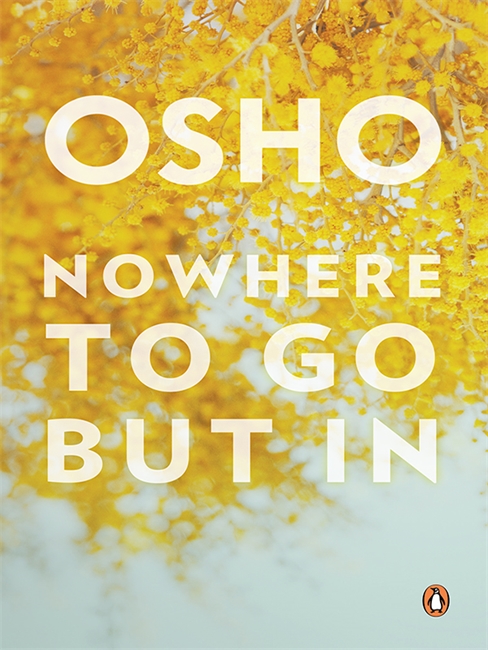
‘So much asking, so much answering, and in the end you will see that, far from getting less, your confusion has grown more; that your questions have increased rather than become less. Only then, perhaps, you may become aware that the answer to the questions is not in answers; the answer to the questions is in meditation.’
In this book of questions and answers, Osho guides people away from asking superficial, ‘religious’ and intellectual questions and helps them to open up by posing real questions. Osho’s answers to them are existential responses that take the questioner to a new level of consciousness, where they are inspired and supported to start living from their own understanding and experience.
Nine
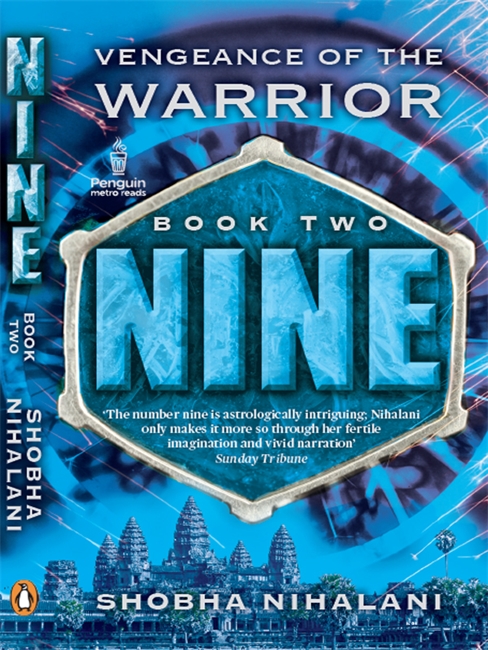
All future is defined by the past.
And therefore, the end is only the beginning . . .
After burying the vicious Kalingan warrior, Akash, Tara and Zubin are continuing their lives as before, hiding the fact that they are a part of King Ashoka’s exalted NINE; hiding even, that each of them has powers that are to be used for the benefit of mankind, when needed.
Except, things are not as quiet as they seem to be!
The Kalingan warrior has risen once again—angrier and more vengeful. And this time he knows each one of them. If they don’t destroy him now, they will be hunted down and the world will be battling its worst, most terrifying chemical warfare yet.
This second book in the NINE trilogy will change the way you look at time and space.
Many Roads To Paradise
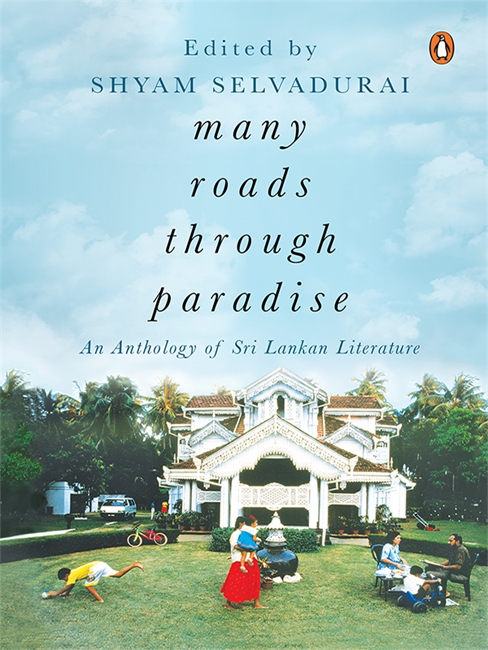
Shyam Selvadurai pieces together the best of Sri Lankan poetry and fiction in this anthology. From the Sinhala and Tamil writers of the 1950s to diasporic writers of today, from stories of love and longing to those of brutality and death, this masterfully constructed anthology will give you a rich sense Sri Lanka’s history, its people and the stories they have to tell.