Why does history in India ignite such fierce debate? Who gets to shape the story of a nation—and to what end?
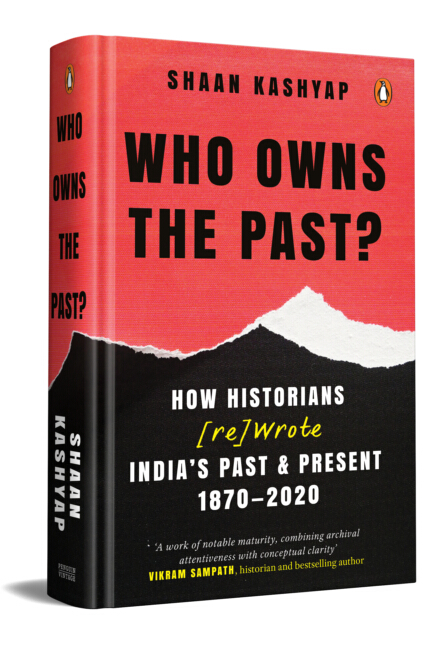
In Who Owns the Past?, historian Shaan Kashyap delivers a gripping, deeply researched account of how India’s history has been written, rewritten, contested, and politicized from the colonial era to the age of social media. This is not just a book about the past—it’s about the power struggles that define the present.
From Macaulay and James Mill to Romila Thapar and Vikram Sampath, Kashyap traces the intellectual battles that have shaped the “Idea of India.” He examines how textbooks are crafted, how institutions influence memory, and how political shifts leave their imprint on the stories nations tell about themselves.
Blending sharp archival work with vivid portraits of historians, policymakers, and power brokers, Who Owns the Past? is both a sweeping narrative of Indian historiography and a timely exploration of identity, ideology, and nationhood.
Provocative, balanced, and essential reading, this book asks a simple but urgent question: if the past is constantly being rewritten, what does that mean for our future?
Perfect for readers of history, politics, public policy, and anyone invested in understanding the intellectual fault lines shaping contemporary India.

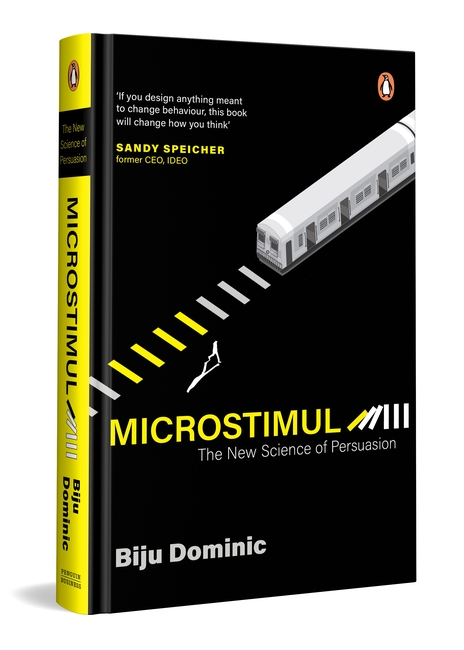
Introducing MicroStimuli—nonconscious persuasive stimuli deployed in the final second before action— to activate the brain’s fastest pathways and change behaviour, in mere milliseconds.
This book distils leading-edge insights from neuroscience, artificial intelligence, and design into Ethnolab—a novel research method that unravels the nonconscious brain processes and crafts MicroStimuli, precision point-of-action interventions that reliably influence human behaviour.
MicroStimuli confronts the most stubborn behavioural challenges that traditional approaches have failed to resolve.
Across the past ninteen years, MicroStimuli has addressed public problems (road accidents), organisational issues (declining digital-marketing performance), sector-specific challenges (insurance mis-selling), and personal behaviours (on-time medication) around the world. The book details exactly how these, and many other behavioural challenges, have been tackled in practice.
This book will not merely inform you; it will transform how you perceive the human behaviour problems around you. If mastering persuasion provides your competitive edge at work, this book is written for you.
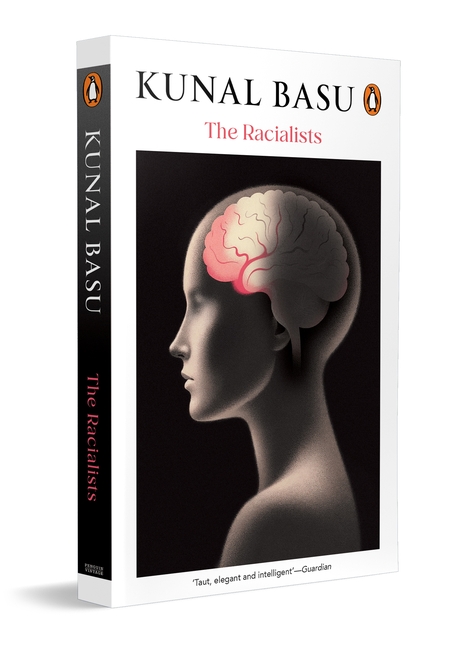
1855: on a deserted island off the coast of Africa, the most audacious experiment ever envisaged is about to begin. To settle an argument that has raged inconclusively for decades, two scientists dream up an elaborate experiment. A pair of infants, one black, one white, are to be raised on a barren island, exposed to the dangers all around them, tended only by a young nurse whose muteness renders her incapable of influencing them in any way, for good or for bad.
They will grow up without speech, without civilization, without punishment or play. In this primitive environment, the children will develop as their primitive natures dictate. The question is: what will be left when the twelve years of the experiment are over? Which child will be master, and which the slave? For surely one will triumph over the other. Or will they all, children and scientists alike, reap the fruits of breaking the taboo, as they discover love and loneliness on the wild but beautiful island of Arlinda.
Saddam Hussein is dead, but there’s no end to war in Iraq. Armed with a reputation for daredevilry, reporter Tejaswini Ray arrives from New York to cover the conflict and is immediately enmeshed in a skirmish with Commander Luke of the US Marine Corps. Bound by Luke’s strict censorship rules, Tejaswini – Tejo – revolts, her coverage of the death of American soldiers killed by landmines draws the world’s attention to a futile war and invites the Commander’s ire.
Tejo’s uneasy mission is further troubled by her chance encounter with Shabnam – a young woman trafficked from India and sold into slavery at the Marine camp. Drawn together by an unlikely bond, the two find solace amidst the carnage, but their friendship reveals a secret that links them back to the very beginning of their lives. When the war threatens their camp, Tejo and Shabnam abandon the Marines and embark on an audacious journey. But will they escape the dangers, or will their past invade the present, reversing the wheel of time to hasten the end?

From the New York Times bestselling author of The Shia Revival
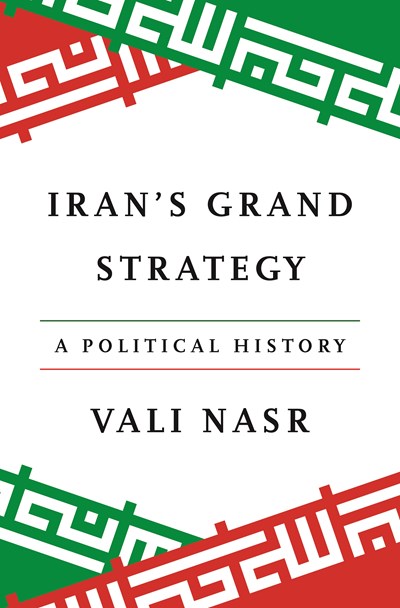
Now with a new afterword by the author, this gripping account overturns simplistic portrayals of Iran as a theocratic pariah state, revealing how its strategic moves on the world stage are driven by two pervasive threats—external aggression and internal dissolution.
Iran presents one of the most significant foreign policy challenges for America and the West, yet very little is known about what the country’s goals really are. Vali Nasr examines Iran’s political history in new ways to explain its actions and ambitions on the world stage, showing how, behind the veneer of theocracy and Islamic ideology, today’s Iran is pursuing a grand strategy aimed at securing the country internally and asserting its place in the region and the world.
Drawing on memoirs, oral histories, and original in-depth interviews with Iranian decision makers, Nasr brings to light facts and events in Iran’s political history that have been overlooked until now. He traces the roots of Iran’s strategic outlook to its experiences over the past four decades of war with Iraq in the 1980s and the subsequent American containment of Iran, invasion of Iraq in 2003, and posture toward Iran thereafter. Nasr reveals how these experiences have shaped a geopolitical outlook driven by pervasive fear of America and its plans for the Middle East.
Now with an afterword by the author that addresses recent developments in Iran’s domestic and world affairs, Iran’s Grand Strategy challenges the notion that Iran’s foreign policy simply reflects its revolutionary values or theocratic government. It provides invaluable insights into what Iran wants and why, explaining the country’s resistance to the United States, its nuclear ambitions, and its pursuit of influence and proxies across the Middle East.
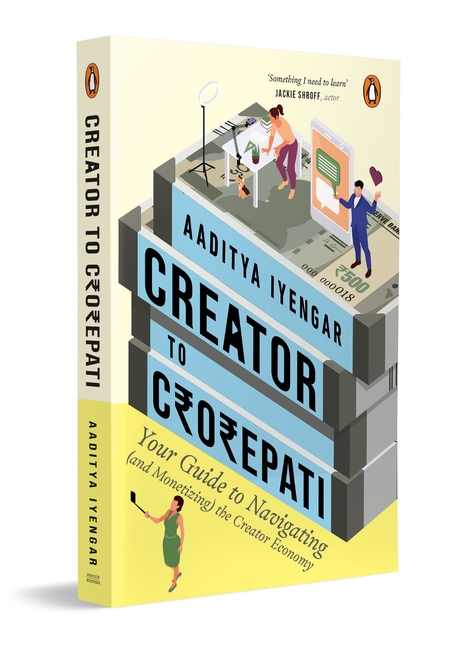
Building a career in content creation may seem daunting, but it is far more achievable than most realize. Creating monetizable content is 100% a learned skill, one that anyone can master by using the right framework and having clear sense of purpose.
From Creator to Crorepati offers a no-nonsense guide to navigating the creator economy, explaining what works, what doesn’t, and how to start turning content into income.
In today’s interconnected world, young Indians have unprecedented opportunities to lead on global stages. But success requires more than talent and hard work—it demands a strategic approach to developing authentic leadership capabilities that honour both individual ambition and cultural values.
Drawing from real examples of contemporary Indian leaders, global research on leadership development, and practical frameworks tested across different industries, this book provides young Indians with tools for building careers that are both individually fulfilling and collectively impactful.
Whether you’re a recent graduate, early-career professional, entrepreneur, or anyone navigating the complexity of modern career development, Unlocking Success offers a roadmap for authentic leadership that serves both personal ambition and larger purposes.

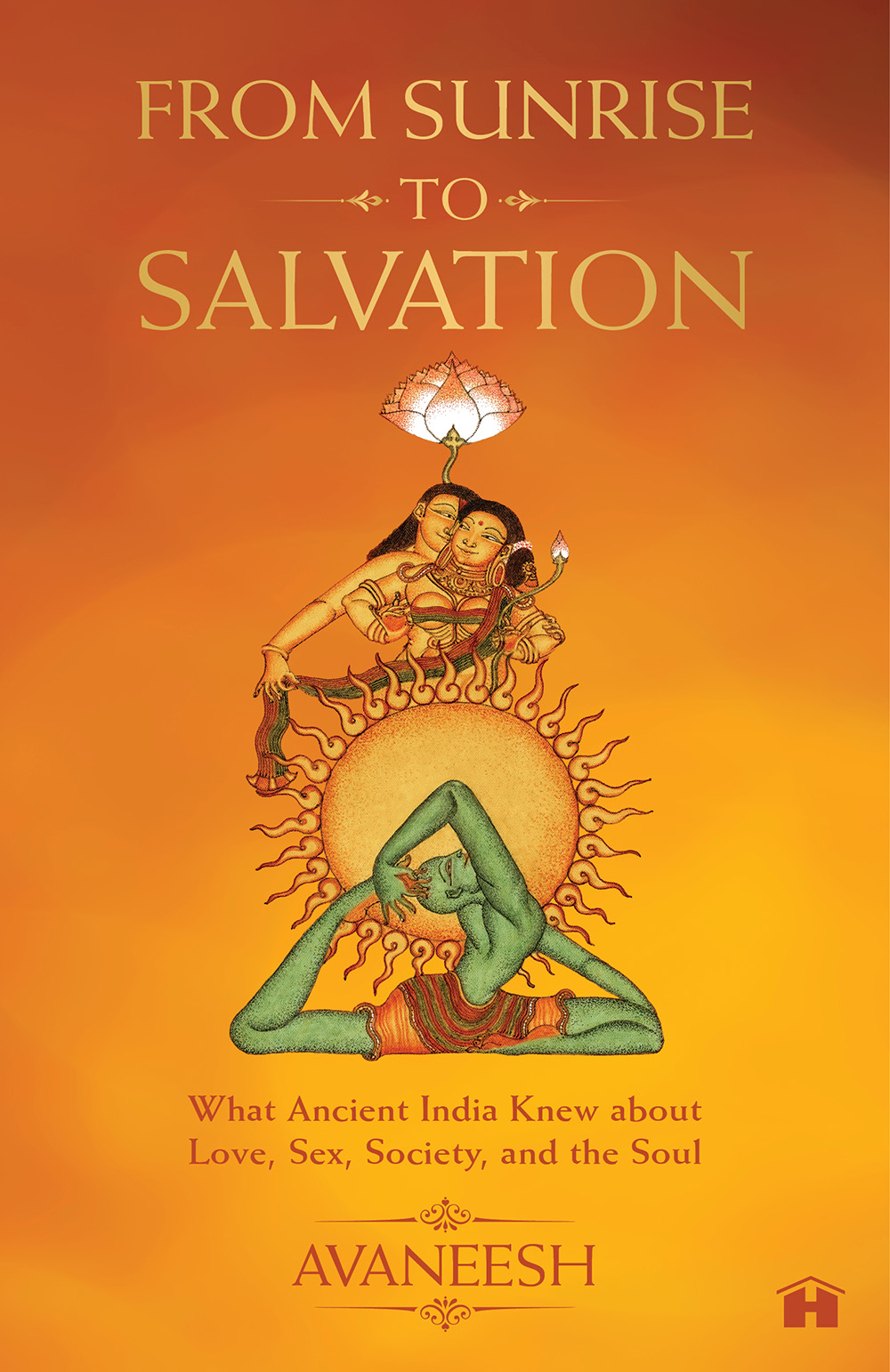
‘Ancient in origin. Modern in relevance.’
What if the solutions to modern stress and complexity were already mapped out thousands of years ago? Long before productivity hacks, wellness routines, or self-help gurus, ancient India developed a complete philosophy of living. From food and fashion to law, love, sex, ritual, and ultimately liberation, this book reveals how every aspect of life was once seen as a gateway to meaning, purpose, and living well.
Drawing from Indian philosophy, social practice, and everyday rituals, this book reimagines ancient wisdom as a surprisingly practical guide for modern life. It shows how time was never just time, how routine was never a chore, and how the ordinary acts of waking, eating, working, loving, and resting were deeply connected to health, society, and the ultimate question of why we live at all. All in all, From Sunrise to Salvation is not a nostalgic portrait of a lost past, nor a scholarly excavation frozen in theory. It is a vivid and immersive journey into the daily life of one of the world’s most advanced ancient civilisations—one that understood how a single day could reflect an entire lifetime.

In Mental Detox, renowned life coach and psychology expert Dr. Cheyenne Bryant shares powerful tools to help you release negativity, build healthy relationships, and achieve effortless success in every area of life.
In Mental Detox, renowned life coach and psychology expert Dr. Cheyenne Bryant offers powerful and timely guidance to help you shift your mindset, release negativity, and step into your true potential. Packed with practical tools, empowering insights, and real-world strategies, this book will guide you toward lasting transformation in every area of your life.
Through Mental Detox, you’ll learn how to:
• Overcome self-doubt, fear, and toxic thought patterns
• Replace destructive habits with empowering ones
• Build stronger, healthier relationships based on self-worth
• Unlock financial abundance by shifting your internal beliefs
• Cultivate peace, joy, and balance in your daily life
By implementing Dr. Bryant’s proven methods, you’ll develop the confidence to stand in your power, embrace your authentic self, and stop settling for less than you deserve. As your mindset shifts, you’ll experience greater happiness, deeper connections, and effortless success—not by forcing change, but by allowing it.
This new edition includes a revised introduction and a foreword by La La Anthony, making it the perfect guide for anyone seeking real, lasting transformation.

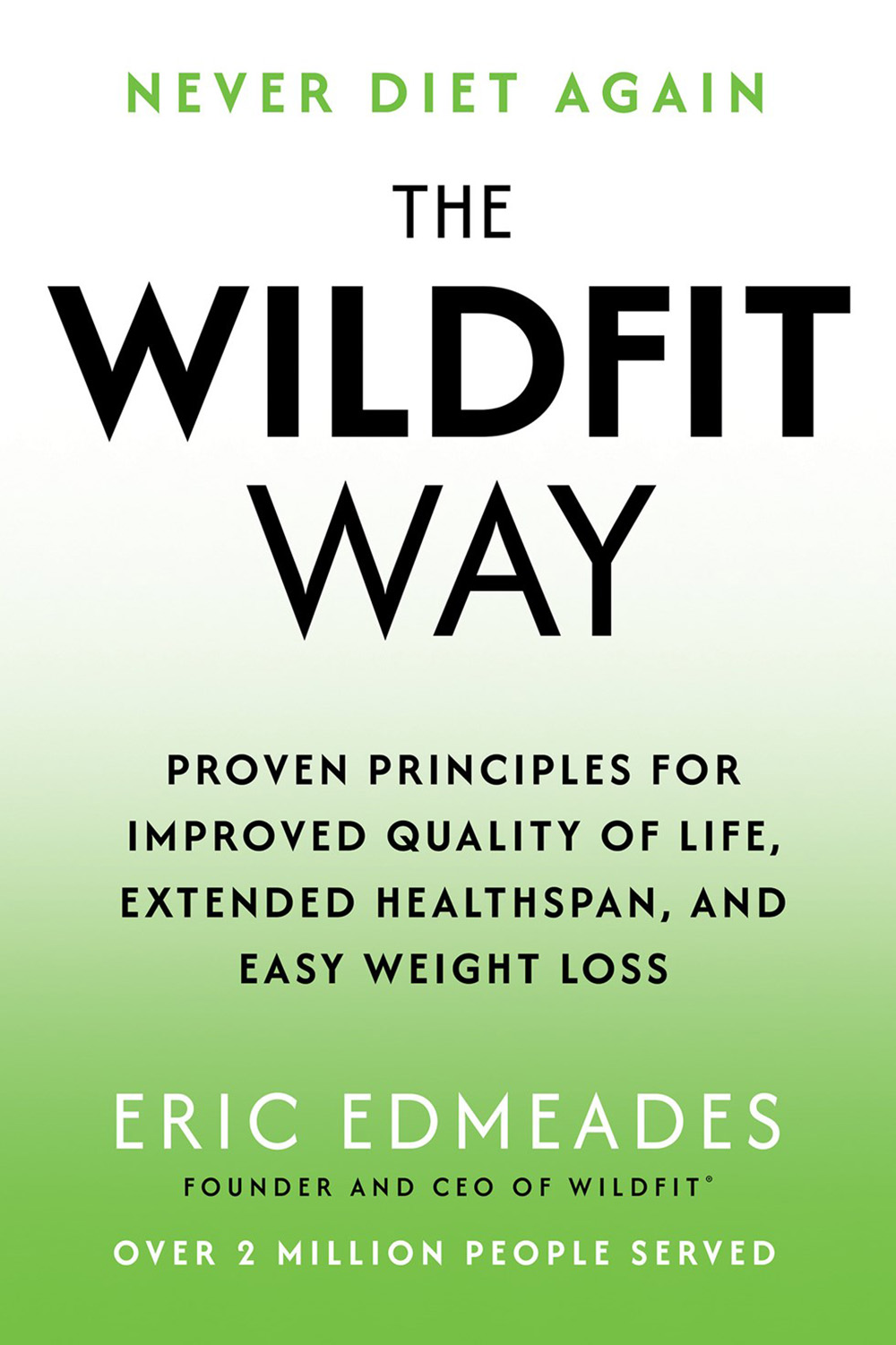
Drawing on the wisdom of ancestors, learned firsthand from years spent with the planet’s remaining hunter-gatherers, this book shows us a path to enduring health grounded in the principles of evolutionary biology.
The Wildfit Way offers a refreshing take on achieving health that breaks away from fleeting diet trends, guiding readers to a life rich with natural wellness.
This book builds on the acclaimed WILDFIT Challenge, aiming to lead its readers to lasting health by embracing the principles of personal rewilding. Through easy-to-understand insights into how we can eat, move, and live more like our ancestors, Eric Edmeades invites us on a journey back to our roots for better health.
Eric, who has spent over 15 years with some of the last hunter-gatherer tribes, shares the lessons he’s learned from these experiences. His adventures offer a unique viewpoint, showing us how ancient wisdom can address our modern health dilemmas.
The Wildfit Way goes beyond diet tips to tackle what he calls the “Evolution Gap”—the mismatch between our bodies’ needs and our current lifestyle, offering clear, actionable steps to bridge this gap.
This book is perfect for anyone who’s fed up with the endless cycle of dieting. It’s for those who want to understand why they face health challenges and how to overcome them by adopting a lifestyle that’s in tune with nature. Eric breaks down complex concepts into practical advice, including tips on improving sleep, movement, and managing stress, filling a much-needed gap in today’s health advice.