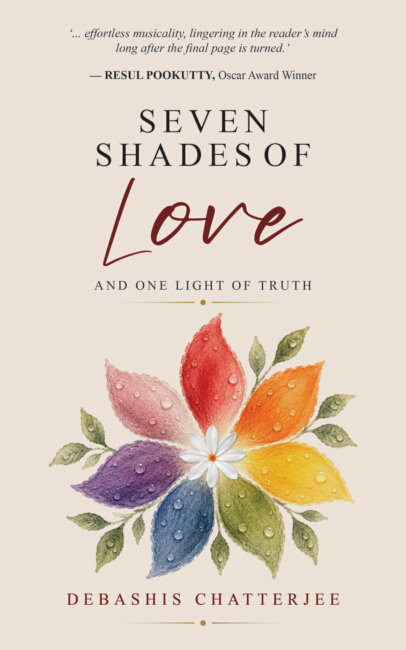
Here, love pulls up a chair—
unhurried, luminous, willing to stay just long enough to be remembered.
Love rarely arrives all at once. It lingers in a glance across a tea shop, a forgotten train ticket, shared silences, partings, and the quiet miracle of two souls meeting.
In Seven Shades of Love, Debashis Chatterjee traces love through affection, desire, companionship, separation, vulnerability, growth, and freedom, revealing how love transforms, deepens, and quietly sets us free. These are poems to return to, for those quiet moments when memory, longing, and hope unexpectedly find their way back to you.

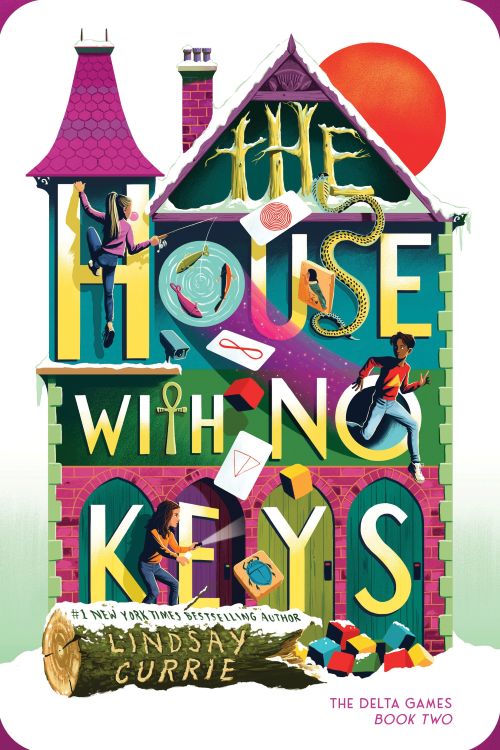
The exhilarating sequel to the #1 New York Times bestseller The Mystery of Locked Rooms!
A NEW HOUSE. A BIGGER CHALLENGE. NO KEYS TO ESCAPE.
An action-packed middle grade mystery adventure filled with escape rooms, clever puzzles, hidden secrets and unexpected twists, perfect for young readers ages 8–12.
It’s been a year since Sarah, Hannah and West escaped the epic funhouse that changed their lives forever. Now known as the Deltas, the three best friends work at The Delta Game and spend their time tackling every challenging escape room they can find.
Then a mysterious invitation arrives from The Mystery Mansion, a brand-new rival funhouse claiming to be the biggest and best escape house ever. Its cryptic owner challenges the Deltas to test it on opening day, with a $10,000 prize if they successfully escape.
Determined to protect their beloved Delta Game, Sarah, Hannah and West accept the challenge. But their plan quickly unravels. Nothing inside the mansion is as it seems. The challenges test more than their puzzle-solving skills, secrets begin to threaten their friendship, and the Deltas discover that not everyone is playing fair. Can they crack the clues, save their friendship and escape the Mystery Mansion?
WHY KIDS WILL LOVE THE HOUSE WITH NO KEYS:
• Perfect for kids ages 8–12 who love mysteries, puzzles, riddles and escape rooms.
• A fast-paced middle grade adventure packed with secret challenges, clever clues and surprising twists.
• A thrilling mystery where friendship and teamwork are put to the ultimate test.
• Great for readers looking for mystery books for kids, puzzle adventures, escape room books and middle grade fiction.
• Perfect for fans of high-stakes challenges, mysterious houses and stories that keep you guessing.

Instant New York Times and USA Today bestseller!
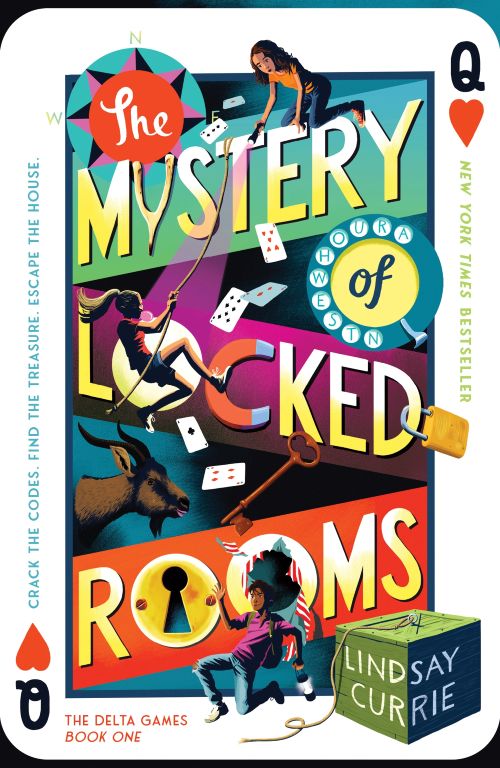
CRACK THE CODES. FIND THE TREASURE. ESCAPE THE HOUSE.
An action-packed middle grade mystery adventure filled with escape rooms, clever puzzles, secret passages and hidden treasure, perfect for young readers ages 8–12.
Twelve-year-old Sarah Greene loves solving escape rooms with her best friends, West and Hannah. But when her family faces losing their home, everything changes.
Then Sarah hears about a legendary treasure hidden inside an abandoned 1950s funhouse. Built by three brothers obsessed with creating the ultimate challenge, the mysterious house is packed with elaborate riddles, secret passages, mirror mazes and puzzles waiting to be solved.
For Sarah, finding the treasure could change everything. But once the three friends enter, they realise this is unlike any escape room they’ve attempted before. The challenges feel strangely personal, almost as if the house knows exactly who is inside. With Sarah’s future at stake, the friends must work together to crack the codes, uncover the secrets and find their way out.
WHY KIDS WILL LOVE THE MYSTERY OF LOCKED ROOMS:
• Perfect for kids ages 8–12 who love mysteries, puzzles, riddles and escape rooms.
• A fast-paced middle grade adventure packed with secret passages, hidden clues and unexpected twists.
• An exciting treasure hunt that keeps readers guessing until the end.
• Inspiring themes of friendship, teamwork, courage and problem-solving.
• Great for readers looking for mystery books for kids, puzzle adventures, escape room books and middle grade fiction.
• Perfect for fans of thrilling mysteries, treasure hunts and interactive-style adventures.

Now a New York Times bestselling series!
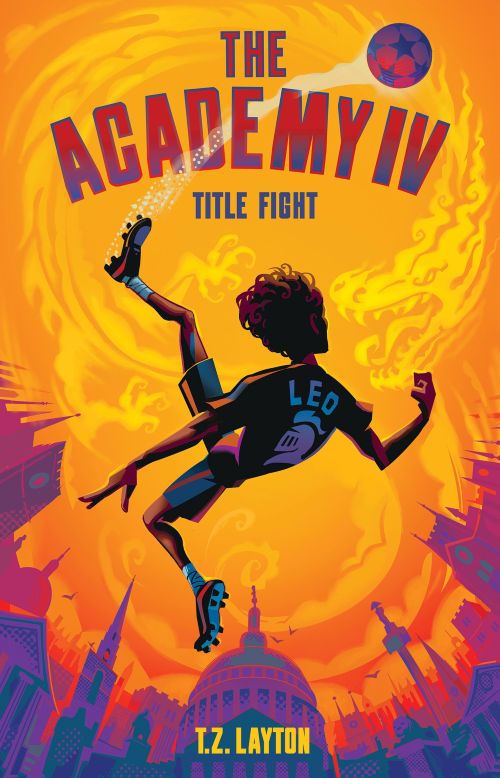
NEW SEASON. NEW RIVALS. ONE EPIC TITLE FIGHT.
An inspiring, action-packed football adventure perfect for young readers ages 8–12 and sports fans of all ages.
After an incredible performance in the Tournament of Champions, Leo K. Doyle and the U14 Lewisham Knights are ready for their next challenge. But if they want to compete with the mighty London Dragons, they’ll have to raise their game.
Coach Samantha is back, but the Knights are changing. Some of Leo’s friends have moved to the U16s or transferred to other clubs, while talented new players are fighting for their place on the team. Among them is Goran, a tough midfielder determined to take Leo’s position.
Then Leo faces a setback that could threaten not just his season, but his dreams of becoming a professional footballer. The Youth Premier League is the best in the world, and the pressure has never been higher. Can Leo overcome the obstacles, prove himself on the pitch and help the Knights rise to the challenge of a Title Fight?
WHY KIDS WILL LOVE THE ACADEMY IV: TITLE FIGHT:
• Perfect for kids ages 8–12 who love football, competition, rivalries and underdog stories.
• A fast-paced middle grade sports adventure packed with high-stakes matches, challenges and excitement.
• Inspiring themes of teamwork, resilience, friendship, confidence and never giving up.
• Great for readers looking for football books for kids, sports fiction, football chapter books and middle grade adventures.
• Perfect for young fans of Premier League football and kids who dream of becoming professional footballers.
Now a New York Times bestselling series!
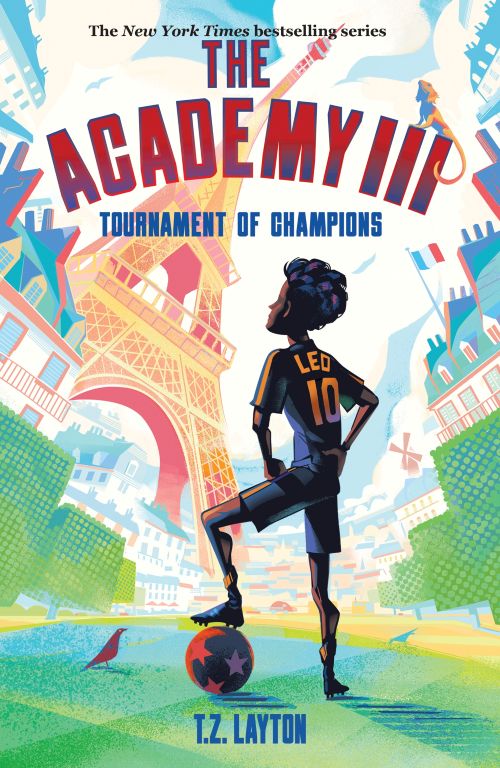
THE BIGGEST TOURNAMENT. THE TOUGHEST COMPETITION. EVERYTHING TO PLAY FOR.
An inspiring, action-packed football adventure perfect for young readers ages 7–13 and sports fans of all ages.
Leo K. Doyle and his teammates saved the U14 Lewisham Knights from a last-place finish in the Premier League. But just when their future looks secure, the club is in trouble again.
Their only hope? The Tournament of Champions.
Leo and the Knights are heading across Europe to compete against some of the best youth football teams in the world. And they’re not just playing for pride and a trophy: winning could secure their place in the Youth Premier League.
But nobody expects the Knights to win. The competition is tougher than ever, someone is trying to sabotage the team, and a talented new star player is causing trouble on and off the pitch.
With everything at stake, can Leo pull his team together, beat the odds and become champions?
WHY KIDS WILL LOVE THE ACADEMY III: TOURNAMENT OF CHAMPIONS:
• Perfect for kids ages 8–12 who love football, competition and underdog stories.
• A fast-paced middle grade sports adventure packed with high-stakes matches, rivalry and excitement.
• An international football adventure featuring some of the best youth teams in the world.
• Inspiring themes of teamwork, resilience, friendship, leadership and believing in yourself.
• Great for readers looking for football books for kids, sports fiction, football chapter books and middle grade adventures.
• Perfect for young fans of Premier League football, international football and kids who dream of going pro.

Every parent essentially wants the same two things: a child who is happy and a child who does well. The only real question is ‘how’.
Parenting today is harder than it has ever been. The world has changed beyond recognition, and the old methods of fear and force barely work anybmore.
In over forty years as a paediatrician, Dr Ravi Malik has sat with lakhs of Indian families and watched one truth hold firm: Children do not grow into kind, confident, responsible adults through fear, comparison or control. They grow through connection, through a calm, present parent, and a home they feel safe in.
Warm, practical and deeply Indian, The Parenting Prescription dismantles the myths we inherited from ‘spare the rod’ to the tyranny of marks and offers something better:
The art of raising a child who carries their own inner compass.
A wiser, calmer way to do the most important job of all.
Stop correcting. Start connecting.
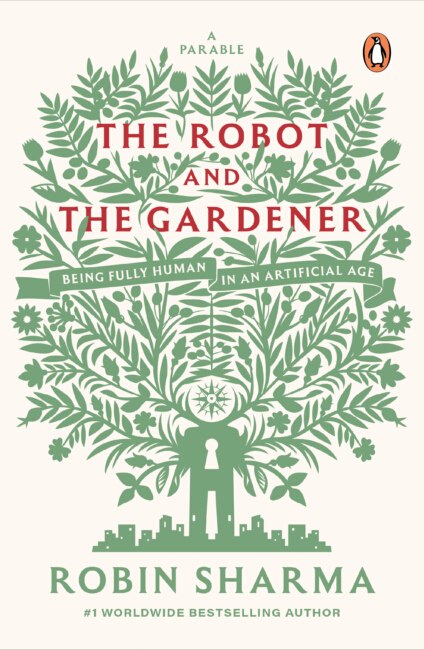
From the #1 bestselling author of The 5AM Club and The Monk Who Sold His Ferrari comes a profoundly moving story about becoming fully human in our technology-filled, distraction-driven world – and discovering what’s most important to a life of happiness, wonder and purpose.
Meet Niko, a talented coder who seemingly has it all: social status, luxury goods and a sleek, high-rise apartment. His world is filled with technology designed to make him more productive, relevant and successful. But lately, Niko’s days blur together. His life is a rush of busyness, leaving him flooded with pressure and empty of joy.
When Niko’s estranged grandfather, a billionaire tech titan, suddenly dies, Niko must confront a painful past. At the funeral, Niko encounters the cemetery caretaker, who stuns Niko with a simple observation: ‘A life can be impressive and still be unlived.’
The Gardener presents Niko with an unusual offer: meet at dawn and join him in his work at the graveyard. The invitation strikes Niko as odd, but, as he observes the Gardener and his plain clothes, with a peaceful face and hands worn from laboring in the sun, something deep and honest pulls at him.
In the weeks that follow, Niko begins to shed the restless craving and lack of fulfillment had marked his life. He learns the joys of slowing down, the wisdom of simplicity, and original lessons from human lives beautifully lived. He discovers nature and its teachings for the first time in years. And he stops seeking the approval of others and behaving artificially – recognising that being true to one’s self is a great source of power and that the past is not a burden, but a valuable guide. But just as Niko embraces in his newfound path, the outside world threatens to bring it crashing down.
Returning to the parable form of his massive global bestsellers, Robin Sharma in The Robot and the Gardener shows us that our greatest worth comes not from optimizing ourselves into oblivion and rushing through our days but from remembering what makes us human and honoring the gifts hidden within every life.

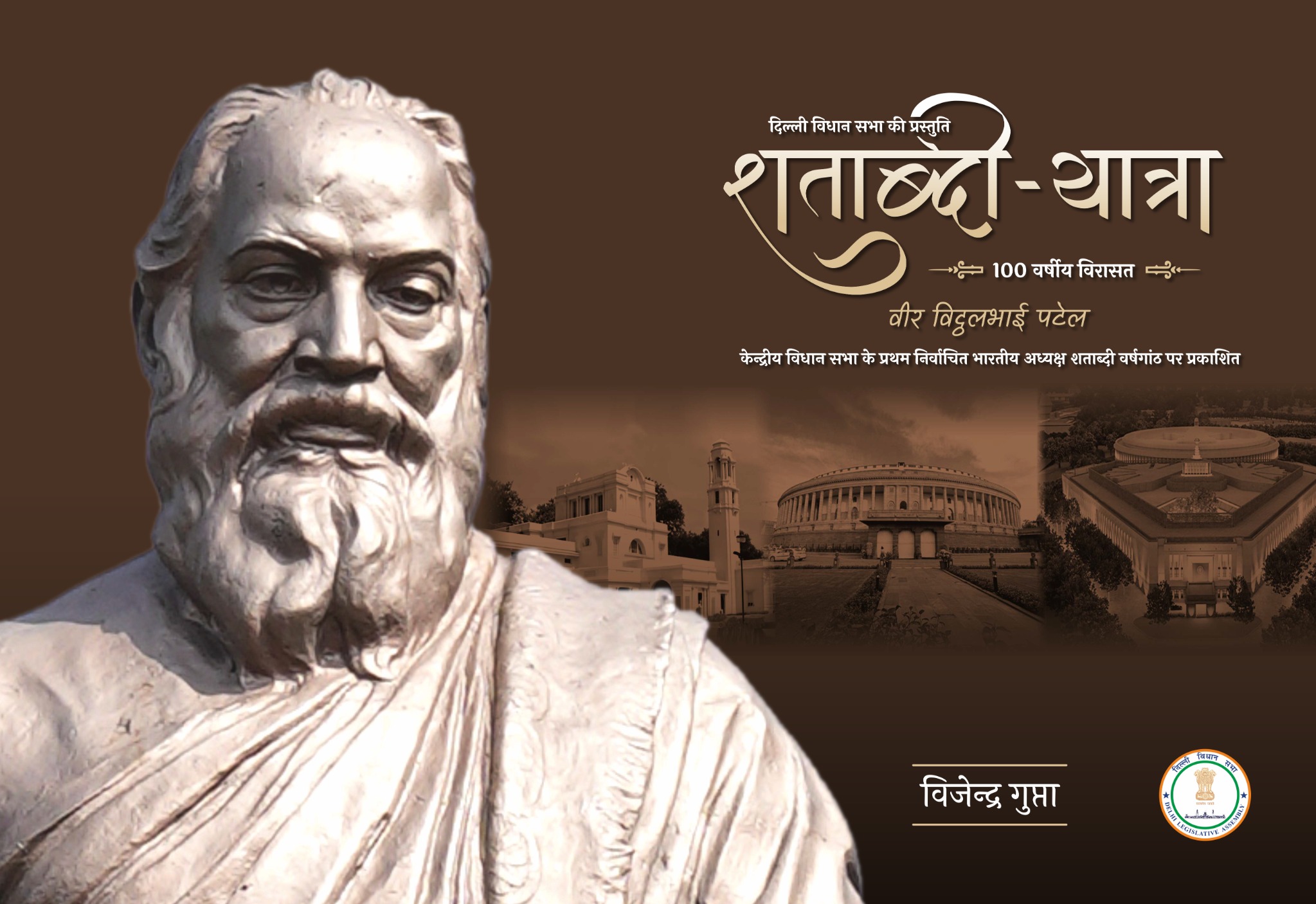
शताब्दी यात्रा एक भव्य चित्रमय कॉफी टेबल पुस्तक है, जो 1925 से 2025 तक भारत की संसदीय यात्रा के सौ वर्षों का दस्तावेज़ प्रस्तुत करती है। यह ग्रंथ केंद्रीय विधान सभा के प्रथम भारतीय निर्वाचित अध्यक्ष वीर विठ्ठलभाई पटेल को समर्पित है और उनके दूरदर्शी नेतृत्व तथा स्थायी विरासत का सम्मान करता है। भारत और विदेशों से प्राप्त दुर्लभ अभिलेखीय दस्तावेज़ों, ऐतिहासिक छायाचित्रों तथा गहन शोध सामग्री के आधार पर यह पुस्तक भारत की विधायी संस्थाओं के विकास, राष्ट्र-निर्माण के प्रमुख पड़ावों और संसदीय लोकतंत्र की प्रगति का विस्तृत विवरण प्रस्तुत करती है। भारत की लोकतांत्रिक विरासत को समझने के लिए यह एक अमूल्य संदर्भ ग्रंथ है।

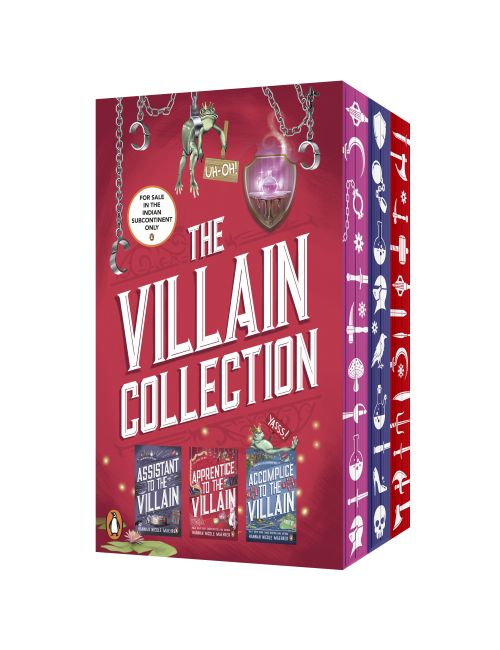
THE COMPLETE ASSISTANT TO THE VILLAIN TRILOGY — NOW IN ONE MAGICAL COLLECTION!
Enter a kingdom of villains, magic, mayhem and romance with this 3-book fantasy romance box set, featuring the TikTok sensation Assistant to the Villain series. Complete with stencilled edges, this collection is the perfect gift for romantasy readers and a must-have for any fantasy bookshelf.
ASSISTANT TO THE VILLAIN
Evie Sage desperately needs a job. Unfortunately, she has just become assistant to the kingdom’s most notorious villain. Her terrifying, temperamental and surprisingly attractive boss has a reputation for evil — but when someone begins sabotaging his empire, Evie discovers that working for the Villain may be more dangerous than she expected.
Tropes: Grumpy x Sunshine • Slow Burn • Workplace Romance • Morally Grey Villain • Forced Proximity • Found Family
APPRENTICE TO THE VILLAIN
Evie is settling into her new life with the Villain, but trouble is brewing. With enemies threatening the manor and the kingdom’s magic behaving strangely, she must protect the people she has come to care about — even if it means stepping far outside her comfort zone.
Tropes: Grumpy x Sunshine • Slow Burn • Fantasy Romance • Forced Proximity • Morally Grey Hero • Magical Adventure • Found Family
ACCOMPLICE TO THE VILLAIN
Evie is firmly on the Villain’s side, but staying alive is getting complicated. As dangerous enemies close in and magical chaos spreads across the kingdom, Evie must navigate betrayal, danger and her increasingly undeniable feelings for her brooding boss.
Tropes: Grumpy x Sunshine • Slow Burn Romance • Romantasy • Magical Kingdom • Found Family • Forbidden Romance • Morally Grey Hero
WHY YOU’LL LOVE THE VILLAIN COLLECTION
✨ Complete 3-book fantasy romance box set
✨ TikTok sensation ✨ Grumpy x sunshine and slow-burn romance
✨ Charming villain and sunshine heroine
✨ Magical adventure, humour and mayhem
✨ Found family
✨ Stencilled edges
✨ Perfect gift for fantasy and romantasy readers

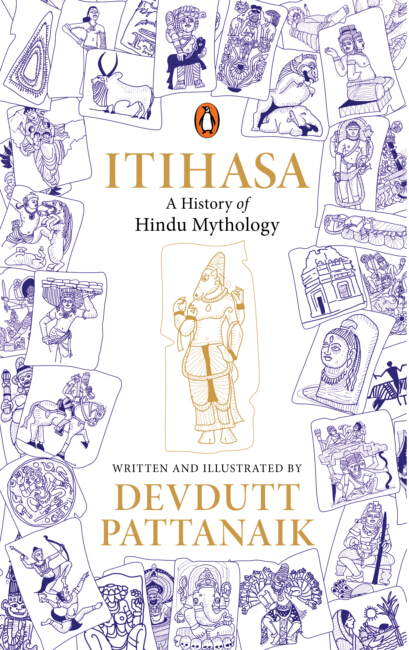
In Sanskrit, ‘itihasa’ means myth: a tale that insiders believe. In Hindi, ‘itihasa’ means history: a tale that outsiders verify.
All beliefs are located in history. These beliefs gave rise to bangles, found in vast quantities in pre-Harappan sites, and still considered auspicious (mangala) by Hindus. A uniquely Indian adornment, bangles indicates 5000 years of Hindu continuity.
Over time, more stories, symbols and rituals were added, following the arrival of horses, the invention of money, the rise of temples, the arrival of mosques and the imposition of passports.
Deeply researched and painstakingly put together, this magnum opus by Bharat’s foremost mythologist, Devdutt Pattanaik, explores:
• how Hindu mythology changed with history;
• how Indian history changed with mythology;
• how arguments about Indian culture and Hindu civilization reveal the myth inhabited by historians, rationalists, nationalists and activists.