



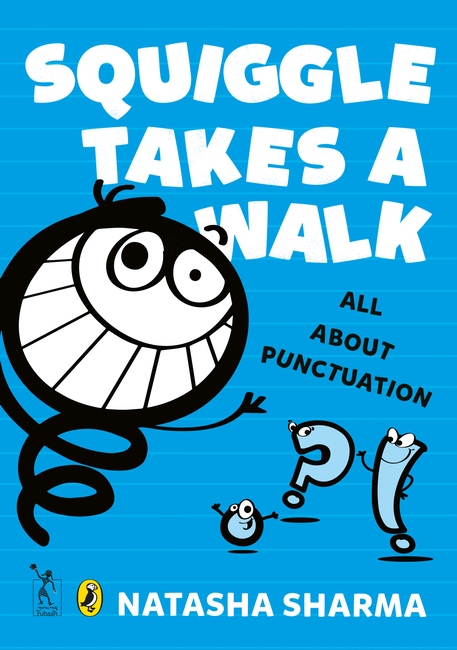
Meet Squiggle – curious, confused and determined to tell a comma from an apostrophe!
Squiggle is confused. She doesn’t know quite what she is! So she sets off through the pages of a notebook in search of answers. Is she a comma or colon? A question mark? Surely not an exclamation! Splash, run, bump, trip and swing with her until she finds her own kind. Natasha Sharma’s delightful text introduces young readers to the correct way to use punctuation in this deliciously comic tale. The book also includes a section with pointers on punctuation, interesting facts from history and mayhem brought about by incorrect punctuation. Once you’re through with Squiggle, you’ll never misplace that comma again!
Archives: Books
Nine Book Three
NONE CAN CHANGE THE PAST, BUT THE FUTURE IS ANYBODY’S GAME . . .
271 BC
On the one side is the Mauryan Empire under Ashoka, growing from strength to strength. On the other end is the highly trained spy, Vassa, a Kalingan.
Ashoka and his army are moving towards Kalinga and it is predicted that nothing can stop it from annihilating the Kalingans.
THE BATTLE FOR SURVIVAL HAS JUST BEGUN!
Vassa needs to move quickly if he wants to change the destiny of his people. His mission is to hit at the very source of this powerful kingdom – the virtually indestructible, NINE.
Can he go beyond all that is mortal and achieve the impossible?
Gripping and unrelenting, NINE; The Rise of the Kaligan will hold you spell bound.
The Story Catcher Children
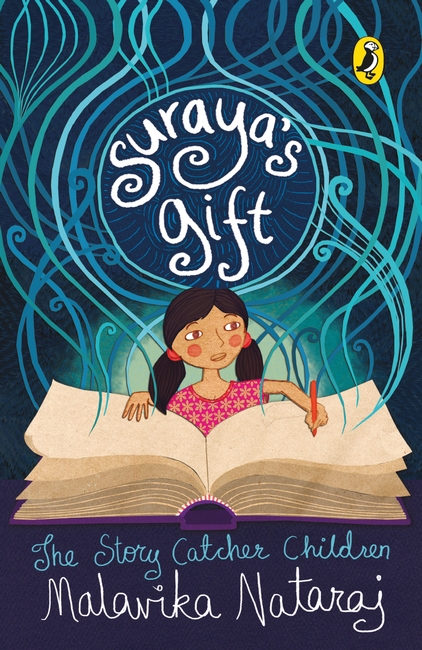
Are stories ever simply stories?
Suraya is girl with a big imagination, who loves making up little stories. When a surprise visitor brings her a very special gift, she is thrilled. Her stories are about to get much more interesting! But Suraya soon realizes that her writing may be more powerful than she thinks.
Is it just her imagination? Or are things really not what they seem?
Ghosts of Kingdoms Past
A supernatural thriller set in colonial Calcutta!
Sir Alec Morgan, a famous British paranormal expert, is in Kolkata for the launch of his latest book. Accompanied by his able guide and teller-of-grisly-tales Joga, he goes on a tour of the city’s most haunted places-sites of ghastly murders and tragic romances. However, Sir Alec is bitterly disappointed with the tour and publicly scoffs at the lack of ghosts and spirits in the city.
Little does he know that his words will soon come back to haunt him when he pays a visit to St Mary’s Cemetery.
Written and illustrated by Harsho Mohan Chattoraj, Ghosts of Kingdoms Past clears away some of the dust and cobwebs covering Kolkata’s fascinating history.
Indian Folktales And Legends
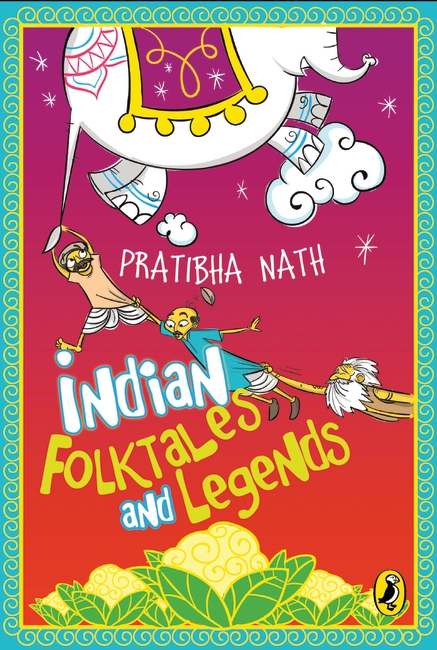
Stories of wonder and wit, from far and near
Everyone will find a favourite story in this collection of folktales and legends. There is the story of Jumman the labourer, who thinks the Qazi of Jaunpur is actually his donkey! And the strange adventure of Dhania who, stealing out for a midnight snack, gets stuck in honey. Or the account of how a lowly weasel put the mighty Yudhishtir in place. And what happens when Bhim tries to match his strength against that of Hanuman!
Culled from all parts of the country, and spanning heaven, earth and the netherworld, these stories let us into a world of enchantment, wisdom and loads of fun.
Daddy’s Girl
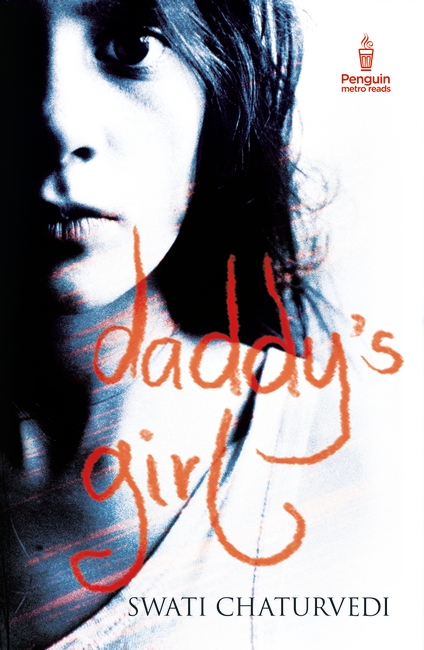
‘What could be worse than a daughter’s death?’
Ask the Nalwas, whose nuclear family implodes one night as their daughter, Ambika, is murdered and they become India’s number-one news story.
Along comes the fiery and feisty investigative reporter Meera, who finds herself unable to stop following the story, whatever the consequences. She wants justice for Ambika because this murder shakes her certainties and makes her question the sanity of her middle-class life.
As she dives into Delhi’s dirty, scandalous society of the powerful and famous, she’s confronted with rich, connected lawyers and manipulative politicians, and is given a crash course on how the levers of power are misused.
What she unmasks is a shocking conclusion to the country’s most heinous murder.
Legacy
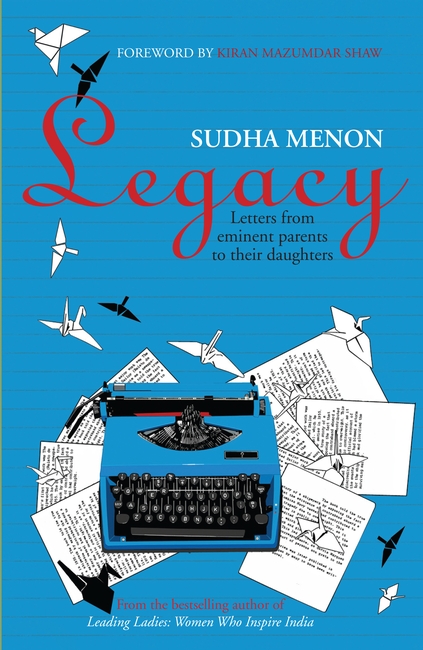
Sarabhai, Shaheen Mistri, Sanjeev Kapoor, Jatin Das, and Prakash Padukone
They say a daughter may outgrow your lap, but she will never outgrow your heart. In Legacy, noted journalist and author Sudha Menon brings forth a rare collection of personal and evocative letters from parents to their daughters. Through their fearless approach to life, love, and overcoming obstacles, these icons from the world of business, arts, films, food, and sports share with us their experience and wisdom as they pass them on to their daughters.
Deeply moving and thought provoking, Legacy is a remarkable collection of life lessons that will delight and inspire at the same tim
Writing is Fun
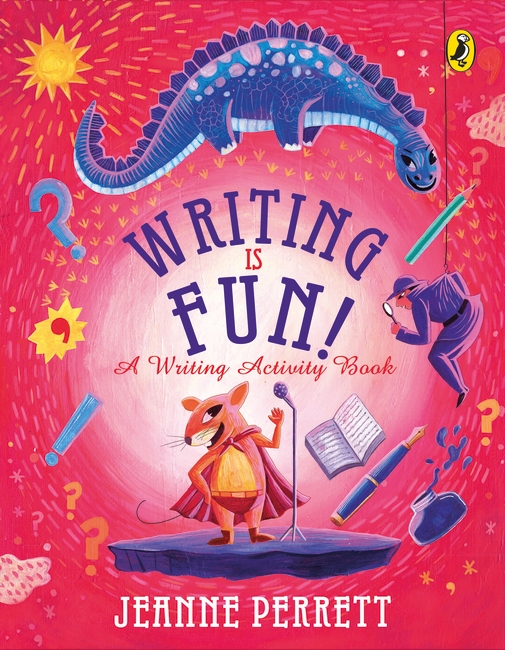
How to write right
Master the art of writing a diary, letter, advertisement, script, novel-just about anything-with this fun activity book, featuring handy tips and expert advice to make you a pro. With the help of some zany characters and whimsical artwork, explore the power of the written word, equip yourself with the basic tools that’ll help sharpen your craft and wield the pen like never before!
Tamas
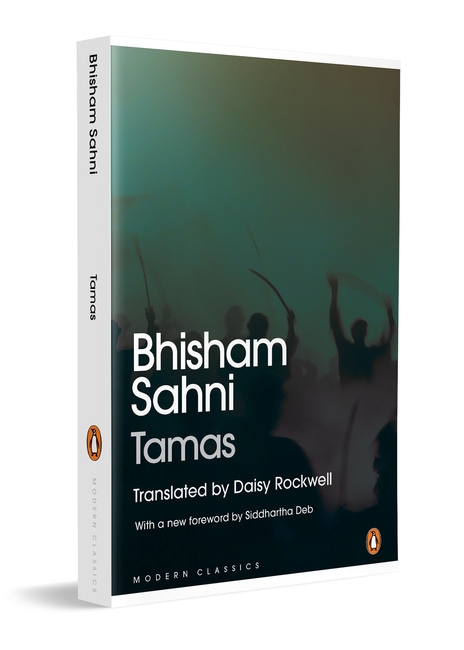
‘Tamas, in either Rockwell’s translation or the original Hindi, remains an essential text for the times’
Nilanjana Roy, Business Standard
‘Tamas is a prophetic warning against the use of religion as a weapon to gain and perpetuate political power’ GOVIND NIHALANI
In a city in undivided Punjab, Nathu, a tanner, is bribed to kill a pig. When the animal’s carcass is discovered on the steps of the local mosque the next morning, simmering tensions explode into an orgy of bloodlust. But in the midst of the ensuing carnage, despite the darkness of the times, rare moments of unexpected friendship and love also surface.
Winner of the Sahitya Aakdemi Award, Sahni’s iconic novel about the Partition of India tells the tale of an unfolding riot from different vantage points. In Daisy Rockwell’s definitive translation, this magnificent work comes vividly to life.
‘Tamas drove the point home that ordinary people want to live in peace’ Guardian
Pilgrim’s Flavours
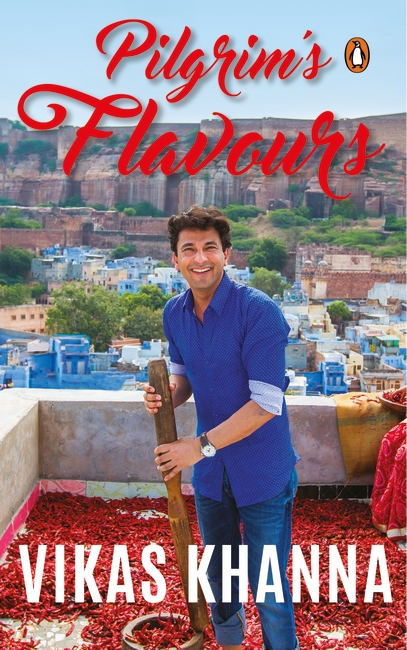
‘I always believe that every grain and every dish has a memory of comfort, families and celebrations’
An authority on eclectic cuisine, and with over twenty years’ experience, chef Vikas Khanna brings together the most delicious recipes from across India. From Bharwan Murgh to Parda-Nashin Kebabs, Surat Patra to Fanasachi Bhaaji, and from Shirazi Pulao to Bepadiya Rotli, there is something for every palate.
Celebrating the richness and variety of Indian cooking, Vikas shares exclusive recipes for delectable starters, lip-smacking chutneys and achars, and mouth-watering desserts. With over 130 easy-to-prepare dishes and heart-warming anecdotes from the farthest corners of the country, the star chef takes you on a culinary journey from Kashmir to Kanyakumari, from Rajasthan to West Bengal. With an additional section on drinks, you are sure to experience the same magic that Vikas felt when he put the recipes together, one region at a time.