



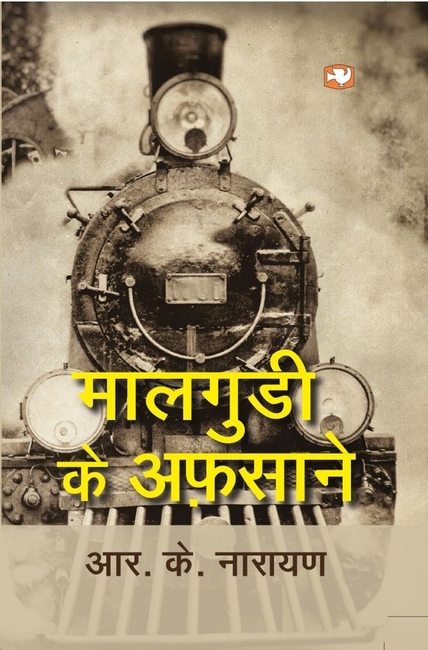
This book is based in a fictional town of Malgudi in South India. In this anthology, R.K. Narayan has painted a unique portrait of human relationships and the struggles of everyday life in, which talk about the clashes between modern urban life and old traditions. His graceful style of writing in this collection combines subtle humor with elegance and simplicity.
Archives: Books
The Puffin Book of Magical Indian Myths
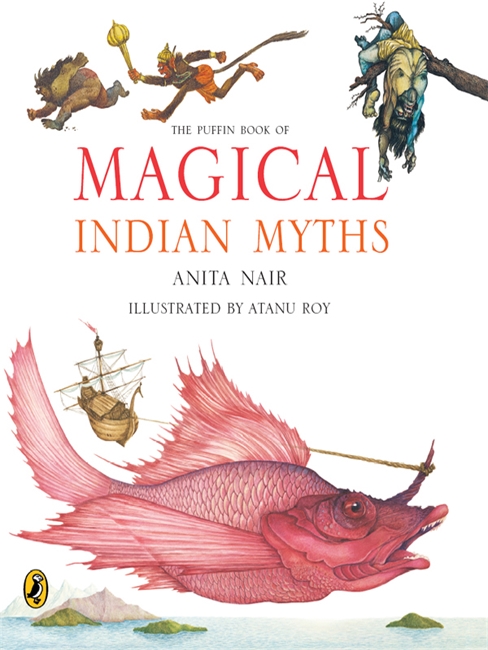
When Surya the sun god got married, his wife could not bear the heat of his rays and ran away. Surya was heartbroken and the world plunged into darkness. A dwarf asked a king for some land, which he measured with three footsteps, and ended up claiming the earth and the sky. Sage Daksha got his daughters married to the moon, but later, in a fit of rage, cursed the moon with consumption, making it wax and wane.
These are some of the fifty myths from India recounted in this fabulously produced book. From wise sages to demonic asuras, beautiful river deities to arrogant kings, wayward gods to brave princes, this collection of myths showcases the most enchanting and magical stories from Indian mythology.
The Unicorn Expedition and other Stories
Professor Shonku cannot dismiss without proof the possibility that unicorns do exist somewhere on earth. In fact, Charles Willard, a fellow scientist, claimed to have actually seen them in Tibet, but, unfortunately, died shortly afterwards. So, when Shonku learns that another expedition is starting off for Tibet, he jumps at the opportunity to trace Willard’s route and find the unicorns.
Tibet is just one of the exotic places Professor Shonku’s exploits take him in this volume of stories. In the Sahara he comes face to face with a massive pyramid-like structure no one knew of earlier; he travels underwater in a submarine with two Japanese scientists to investigate the sudden appearance of deadly red fish that have taken to eating humans; in the caves of Bolivia he meets a primitive man who has been painting his dwelling with animal figures and strange mathematical formulae; and on a peculiar island which has appeared out of nowhere in the Pacific Ocean horrific plants suck out all his learning from his brain
Hangwoman
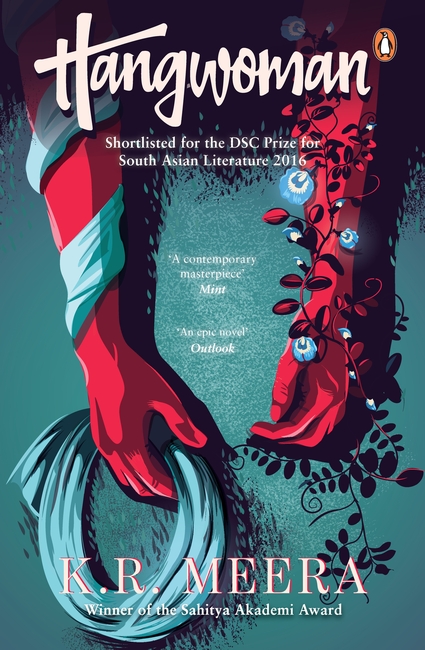
The Grddha Mullick family takes pride in the ancient lineage they trace from four hundred years before Christ. They burst with marvelous tales of hangmen and hangings in which the Grddha Mullicks figure as eyewitnesses to the momentous events that have shaped the history of the subcontinent.
In the present day, the youngest member of the family, twenty-two-year-old Chetna, is appointed the first woman executioner in India, assistant and successor to her father Phanibhushan. Thrust suddenly into the public eye, even starring in her own reality show, Chetna’s life explodes under the harsh lights of television cameras. As the day of her first execution approaches, she breaks out of the shadow of a domineering father and the thrall of a brutally manipulative lover, and transforms into a charismatic performer in her own right.
Meera’s spectacular imagination turns the story of Chetna’s life into an epic and perverse coming-of-age tale. Will the ardent young woman be able to escape the love that binds her? Will she bring herself to take a life? Will she add lustre to the illustrious name of Grddha Mullick? Or will she succumb to the dazzle of celebrity and the thrill of power over life and death? The lurid pleasures of voyeurism and the punishing ironies of violence are kept in agile balance as the drama hurtles to its inevitable climax.
Preparing
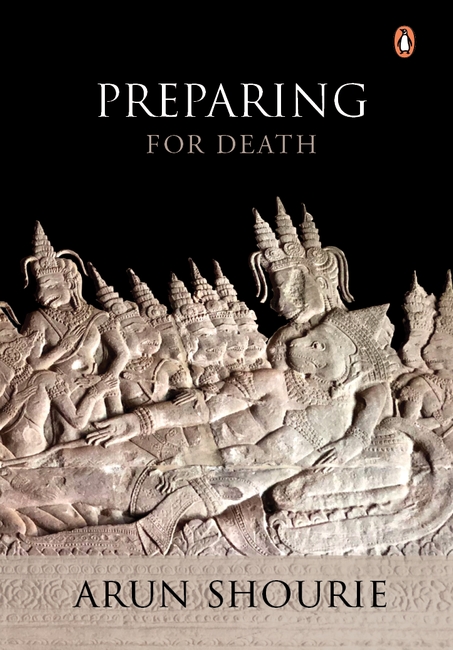
The one certainty in life, the one appointment which each of us will just have to face, is the one for which we do the least to prepare-death. From the lives and last days of the Buddha, Ramakrishna Paramahamsa, Ramana Maharshi, Gandhiji, Vinoba; from our religious texts; from the teachings of great meditation masters; from santhara to sannyas to practices by which we may tame our mind-leavening all these by his personal experiences-Arun Shourie presents clues to ensure that we face our end with equanimity.
In the process, he lays down what we must do if rituals, pilgrimages and mantras are to help us. He leads us to ask whether texts such as The Tibetan Book of the Dead are for the dead, or do they set out lessons for us, the living? He leads us to see through the sedatives that we are fed. Even as we are being frightened by accounts of ‘hell’, are we not actually being lulled to sleep? Does the fact that we will face extreme tortures in hell not mean that in some form we will survive death? To experience them, after all, we must be present.
Religions entice us into the great questions. Is there a soul that is never born and never dies? Is there life after death? Is there rebirth? Is there God? What is real and what is just maya? The greatest teachers and mystics have come up with different answers. Each of them has had direct experience of what she or he has proclaimed to be the truth. How, then, are we to proceed?
Last Spring
In December 1525, Zahir-Ud-Din Babur, Descended From Chengiz Khan And Timur Lenk, Crossed The Indus River Into The Punjab With A Modest Army And Some Cannon. At Panipat, Five Months Later He Fought The Most Important Battle Of His Life And Routed The Mammoth Army Of Sultan Ibrahim Lodi, The Afghan Ruler Of Hindustan. Mughal Rule In India Had Begun. It Was To Continue For Over Three Centuries, Shaping India For All Time.
In This Monumental And Definitive Biography Of The Great Mughals, Abraham Eraly Reclaims The Right To Set Down History As A Chronicle Of Flesh-And-Blood People. Bringing To His Task The Objectivity Of A Master Scholar And The High Imagination Of A Master Story-Teller, He Recreates The Lives Of Babur, The Intrepid Pioneer; The Dreamer Humayun; Akbar, The Greatest And Most Enigmatic Of The Mughal Emperors; Jehangir And Shah Jahan, The Aesthetes; And The Dour And Determined Aurangzeb. Because Of Their Charisma And Leadership The Mughal Empire Survived And Grew Despite The Chaos And Contradictions It Carried Within Itself-The Tumult Of Unending Wars, The Baffling Opulence Of The Ruling Elite And The Desperate Misery Of The Masses, The Brutal Feuds In The Royal Families, As Also The Flowering Of Art And Culture.
Without Ever Sacrificing Authenticity And Academic Accuracy, Eraly Has Written A Stirring And Vivid Account Of One Of The World S Greatest Empires That Will Be Savoured By The General Reader And The Serious Scholar Alike For Years To Come.
Identity & Survival
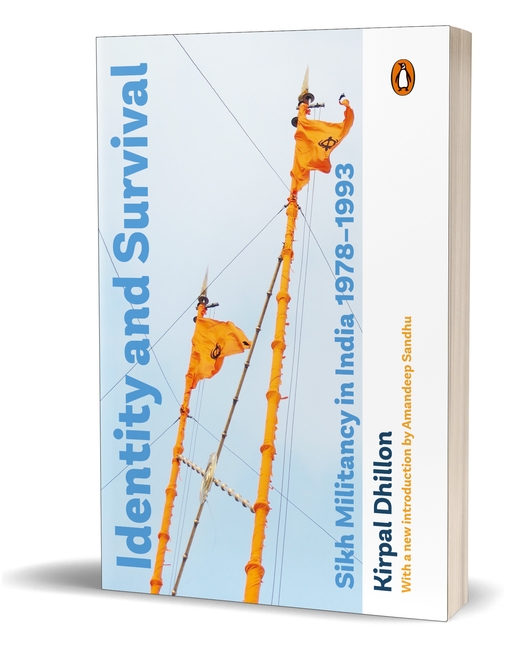
Drawing on his experiences in Punjab as director general of police from 3 July 1984-within weeks of Operation Blue Star-to 22 August 1985, Kirpal Dhillon writes about the phase of militancy in the state as not just a law and order problem but a question of Sikh nationalism, of a minority under threat. This is an insider’s view of the factors that bedeviled Punjab for close to two decades. Coming from a man who witnessed the drama first-hand and analyzed its historical causes, this book is a valuable addition to literature on the Sikh community’s darkest years-a phase that is not necessarily over.
Gem In The Lotus
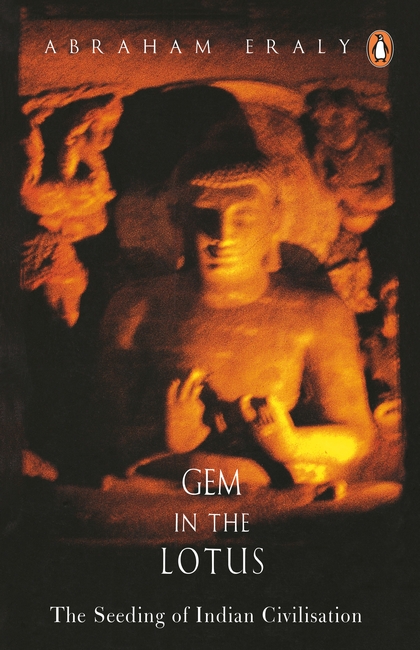
A comprehensive and compelling portrait of ancient India In Gem in the Lotus, Abraham Eraly, author of The Last Spring, the best-selling and critically acclaimed history of the Mughals, identifies and explores the significant milestones in the evolution of ancient India. Beginning with an enquiry into the enigma that was the Indus Valley civilisation, he writes of the progression from the Vedic Aryan culture to the age of religious and philosophical ferment, culminating in the tenets of Jainism; the founding and consolidation of Buddhism; Alexander’s advance into India; the rise of the Mauryan empire; and Ashoka’s unusual political career. In the final section of the book, he describes the -clockwork state’ of the Mauryas depicted in Kautilya’s Arthasastra and in ancient Greek accounts.
Emperors Of The Peacock Throne
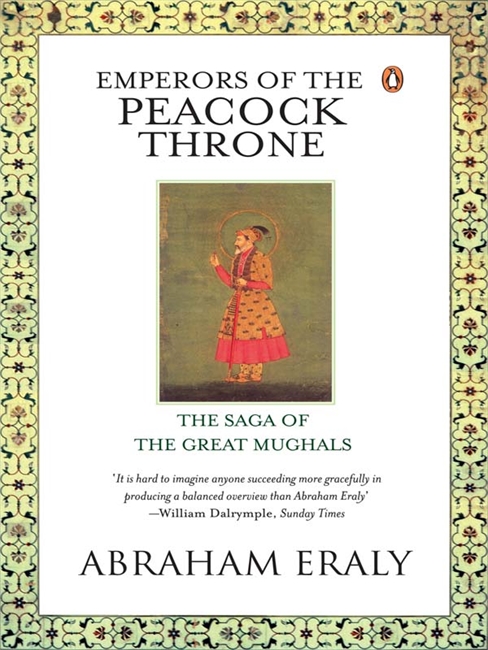
A stirring account of one of the world’s greatest empires
In December 1525, Zahir-ud-din Babur, descended from Chengiz Khan and Timur Lenk, crossed the Indus river into the Punjab with a modest army and some cannon. At Panipat, five months later, he fought the most important battle of his life and routed the mammoth army of Sultan Ibrahim Lodi, the Afghan ruler of Hindustan. Mughal rule in India had begun. It was to continue for over three centuries, shaping India for all time.
In this definitive biography of the great Mughals, Abraham Eraly reclaims the right to set down history as a chronicle of flesh-and-blood people. Bringing to his task the objectivity of a scholar and the high imagination of a master storyteller, he recreates the lives of Babur, the intrepid pioneer; the dreamer Humayun; Akbar, the greatest and most enigmatic of the Mughals; the aesthetes Jehangir and Shah Jahan; and the dour and determined Aurangzeb.
