



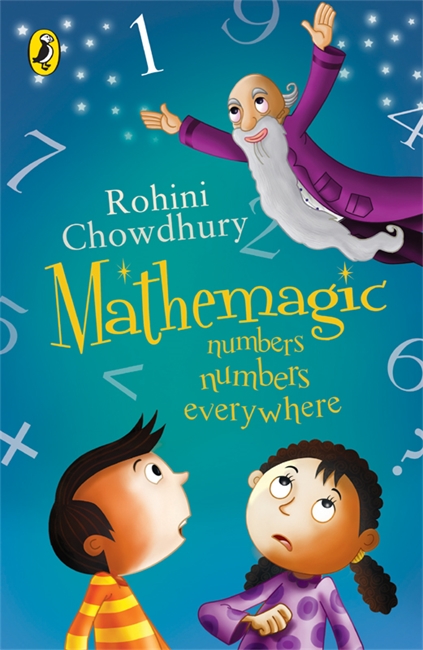
Sir Tzyphyr is no ordinary Wizard—he knows mathemagic, the spell of numbers. It gives him a power greater than ordinary magic ever could.
With him, the twins Megha and Mehul set off on a series of adventures to explore the fascinating world of numbers. They learn how numbers are used to measure, count and set things in order.
Archives: Books
Barons of Banking
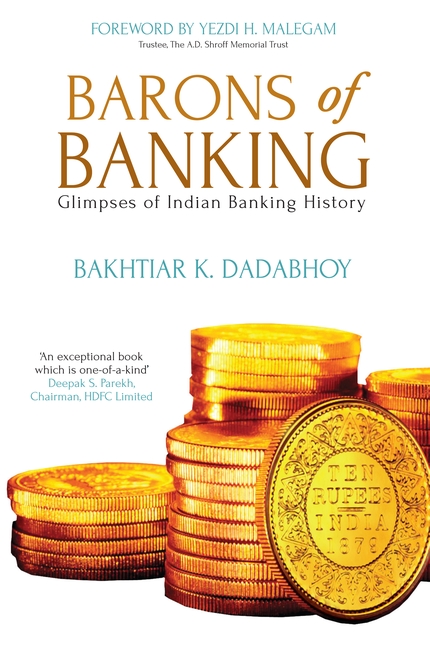
Barons of Banking highlights the contributions of six distinguished personalities from the world of banking: Sir Sorabji Pochkhanawala, Sir Purshotamdas Thakurdas, Sir Chintaman D. Deshmukh, A.D. Shroff, H.T. Parekh, and R.K. Talwar. They not only played a pioneering role in the growth of the institutions they founded or were actively associated with, but also left an indelible mark on the banking industry as a whole. Through the narration of the history of five key institutions: the Central Bank of India; the Reserve Bank of India; the State Bank of India; the Industrial Credit and Investment Corporation of India Ltd; and the Housing Development and Finance Corporation Ltd, the author gives us a keen insight into the contributions of these luminaries to banking in India. Also included is a narration of the recommendations of important committees and commissions which influenced the course of Indian banking.
Puffin Classics: The Best Of Tenida

The humorous escapades of Narayan Gangopadhyay’s immortal character and his
ragtag bunch of friends, now in English
The leader of a gang of four, Tenida is a brash, loud-mouthed fellow with a large heart and
a gargantuan appetite. Along with the quick-witted Kyabla, the Bangladeshi-accented Habul and the cowardly Pela, Tenida falls
headlong into one misadventure after the other, that is, when he is not telling tall tales of his own heroism. Full of wit and old-world charm, The Best of Tenida is dotted with vignettes of life in yesteryear Calcutta.
Featuring five of Narayan Gangopadhyay’s best-known short stories and his timeless novella Charmurti, this English translation
introduces one of the most beloved figures in Bengali children’s literature to a wider audience.
Three Merchants Of Bombay
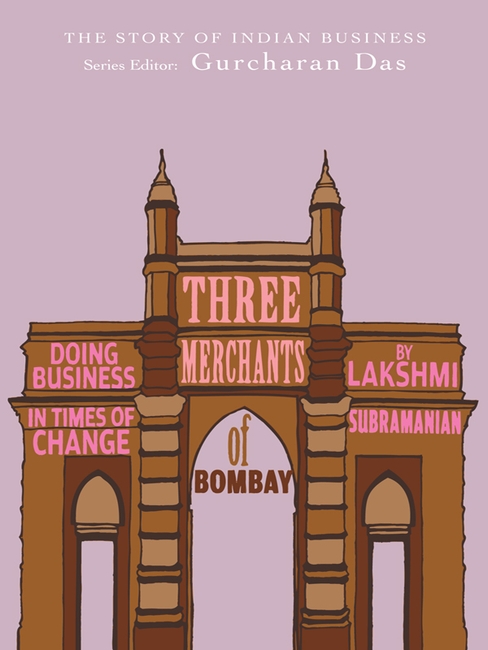
Three Merchants of Bombay is the story of three intrepid merchants-Trawadi Arjunji Nathji, Jamsetjee Jeejeebhoy and Premchand Roychand-who traded out of Bombay in the nineteenth century, founding pioneering business empires.Trailblazing in their enterprise, these adventurers possessed the unique ability to find and then exploit the big opportunities that came their way. It was a time of transition, and they prospered because they thought big and took risks. Set against the backdrop of global and local economies undergoing rapid and unforeseen change, the story of these three unique men stands as a proud milestone in the history of indigenous capitalism in India.In this lucid and very readable account, Lakshmi Subramanian traces that history and locates it in the greater narrative of the history of economic development in South Asia.
Swinging the Mandate
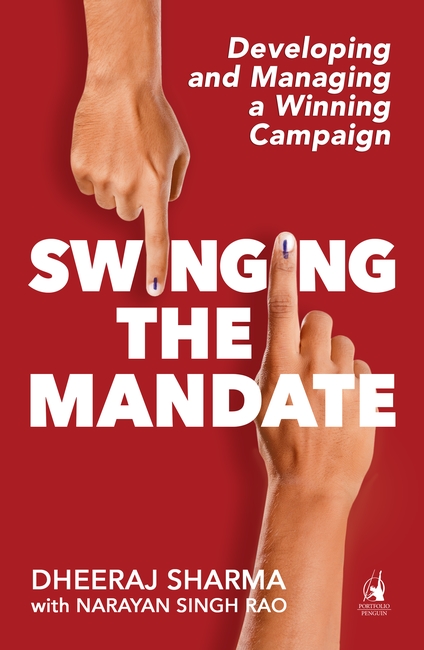
Swinging the Mandate is a first-of-its-kind book on political campaign management in India. Prof. Dheeraj Sharma, chair of marketing at IIM Ahmedabad, and Narayan Singh Rao discuss how sophisticated campaign management strategies have been utilized in recent elections in India. The book offers excellent case studies from the historic general elections of 2014 and the landslide victory of AAP in the 2015 Delhi elections. It also gives examples of some hard-fought elections in Europe and North America to demonstrate increasing use of principles of marketing and management in campaign management. Armed with comprehensive research and interesting case studies, this accessible book reveals how star campaigners are built, what the marketing mix for a political party looks like, and how elections are won in India
Diary Of A Soccer Star

Marcus Atkinson is a Soccer Star (NOT!). But his Dad is convinced that Marcus has magic in his feet. Read the hilarious diary of a reluctant soccer star and how Marcus scores a goal in a way no one has seen before!
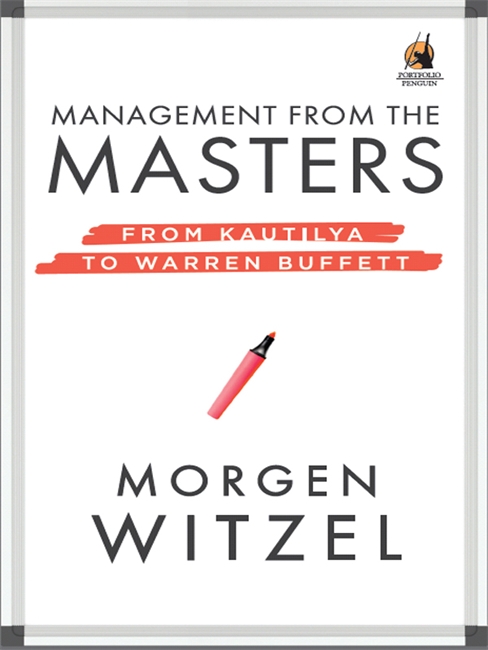
Management From The Masters
The only valid purpose of a business is to create a customer.
Work expands to fill the time available for its completion.
Never invest in something you don’t understand.
Every successful manager knows that there are immutable laws that impact almost every aspect of management. This slim volume collects the twenty essential rules that every manager must be aware of. From Kautilya, Confucius and Darwin to Parkinson, Deming, Buffett, Grove and Drucker, these are timeless pronouncements on the art of management from thought leaders across the ages. Along the way, the author also provides a number of interesting points to ponder: Why do we continue to use the QWERTY keyboard even though we know it’s not the most user-friendly? How does the Tata Group follow Confucius’s Golden Rule? The optimal number of direct reportees for an efficient manager is only four; how many do you have?
This book is essential reading if you want to be at the top of your game as a manager.
Diary Of A Taekwondo Master
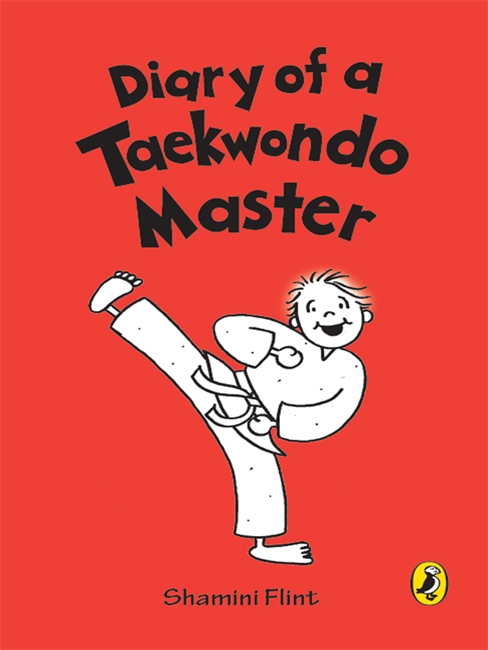
Marcus is a math whiz who sucks at sports. But his Dad is convinced that Marcus has magic in his kicks. So off goes Marcus to take taekwondo lessons … with comical results. He is soon pitted against his class bully, Hulk, in a fight with disastrous consequences. Does Marcus have what it takes to be a taekwondo ‘master’?Written in an illustrated diary format, this humorous novel will have readers laughing out loud while learning a surprising amount about taekwondo.
Caravans
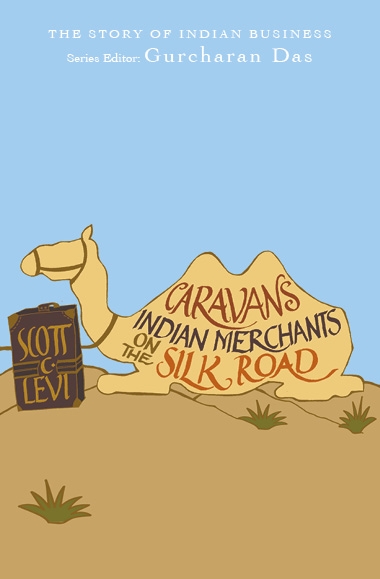
Caravans tells the fascinating story of tens of thousands of intrepid Multani and Shikarpuri merchants who risked everything to travel great distances and spend years of their lives pursuing their fortunes in foreign lands. From the sixteenth through the nineteenth centuries, these merchants lived as ‘guests’ in cities and villages across Afghanistan, Central Asia, Iran and Russia. Setting aside beliefs that caravan traders were simple peddlers, Scott Levi examines the sophisticated techniques these merchants used to convert a modest amount of merchandise into vast portfolios of trade and moneylending ventures.
Caravans also challenges the notion that the rising tide of European trade in the Indian Ocean usurped the overland ‘Silk Road’ trade and pushed Central Asia into economic isolation. In fact, as Levi shows, it was at precisely the same historical moment that thousands of Multanis began making their way to Central Asia, linking the early modern Indian and Central Asian economies closer together than ever before.
Chaos at Keoladeo

Experience all that the jungle has to offer with the first in The National Park Explorers series!
Sameera, Alex and Tarun are headed to Bharatpur with Uncle Avi. They’ve heard that the Siberian cranes have returned to Keoladeo National Park after more than twenty years.
But things just don’t seem right at the park. The three young explorers find themselves in the midst of things wondrous and wild as they spot birds and animals, bump into wildlife biologist Rauf Ali and sleuth around to solve mysteries along the way. Is the legend of the hidden gastrolith gems more than just folklore? Who is that strange guy lurking around the park? And where are the fabled Siberian cranes everyone is talking about?
Chaos at Keoladeo is an entertaining adventure, travelogue, encyclopedia and birding guide all rolled into one.