



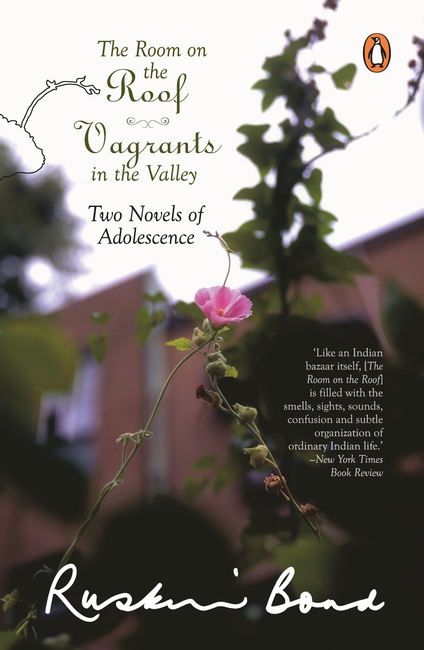
In The Room on the Roof, Rusty, a sixteen-year-old Anglo-Indian boy, decides he has had enough of the tiny, diminishing European community and his tyrannical guardian, and runs away. To his delight, Rusty finds that life on the open road is packed with excitement and high adventure…
In Vagrants in the Valley, which picks up from where the first book ends, Rusty is joined in his travels by Kishen, another ‘runaway’. As they venture further into the unknown, they discover new friends and participate in more escapades but also begin to understand the complexities of growing up and the boundaries that circumscribe even the freest spirits…
Sharply observed, witty and wise, haunted on every page by the sights, smells and sounds of India, this evocation of youth, innocence and friendship will be read for a long time to come with deep, lasting pleasure.
The Room on the Roof won the John Llewellyn Rhys Memorial Prize.
Archives: Books
The Penguin Book Of Modern Indian Short Stories
How To Be Your Own Management Guru
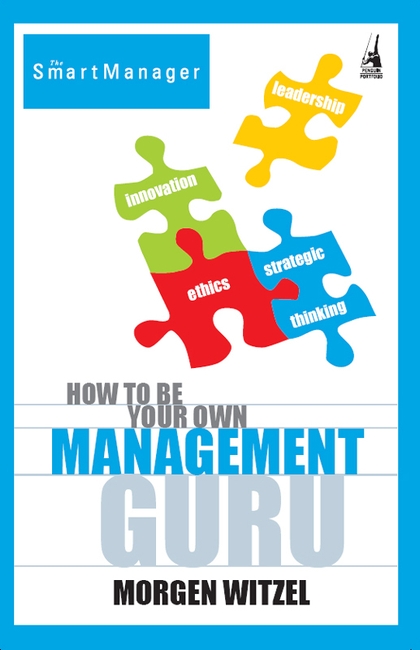
How smart a manager are you? How good are you at leveraging your knowledge and skills in order to provide value for your business and your customers? How smart is your management team when it comes to understanding both the fundamentals of business and new trends? How to Be Your Own Management Guru is the perfect answer to those looking to master the fundamentals of managing in the modern world: how to make and implement strategy; how to understand and respond to customer needs; how to manage and get the best out of people; and above all, how to use knowledge. Drawing on both business research and examples of best practice from around the world, past and present, How to Be Your Own Management Guru will help readers manage more effectively, and do business the smart way.
Puffin Classics: Room On The Roof
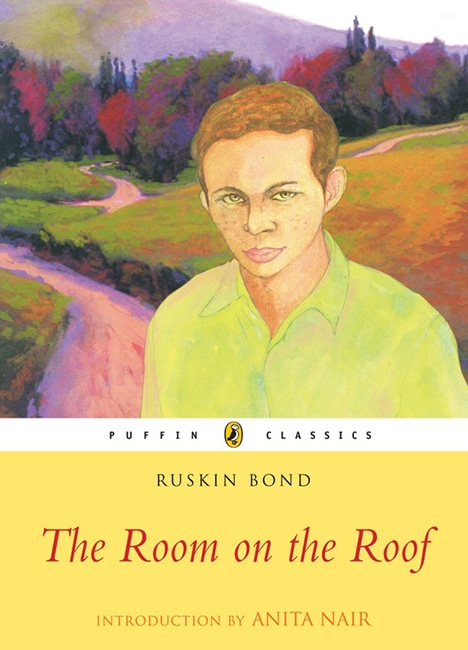
A CLASSIC COMING-OF-AGE STORY WHICH HAS HELD GENERATIONS OF READERS SPELLBOUND
Rusty, a sixteen-year-old Anglo-Indian boy, is orphaned, and has to live with his English guardian in the claustrophobic European part in Dehra Dun. Unhappy with the strict ways of his guardian, Rusty runs away from home to live with his Indian friends. Plunging for the first time into the dream-bright world of the bazaar, Hindu festivals and other aspects of Indian life, Rusty is enchanted . . . and is lost forever to the prim proprieties of the European community.
This special edition marks the 60th anniversary of this award-winning book, written when the author was just seventeen. Poignant, heart-warming and an absolute classic, this book is forever a joy to read.
Puffin Classics: Vagrants in the Valley
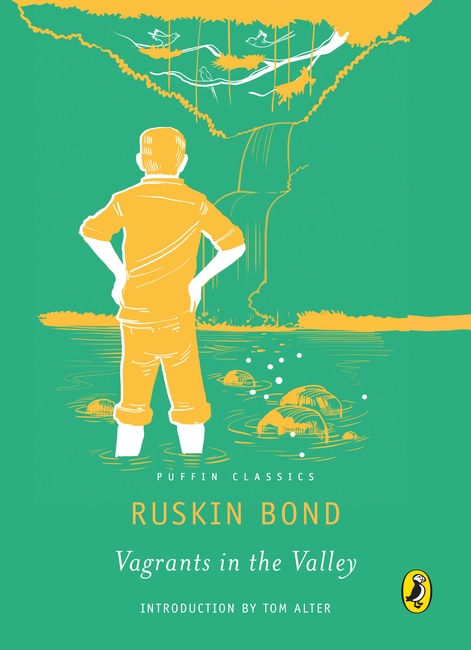
An evergreen classic about friendship and growing up, by a master storyteller
This book catches up with our favourite Rusty as he plunges not just into the cold pools of Dehra but into an exciting new life, dipping his toes into adulthood.
Winding his way back to the city with Kishen, Rusty discovers that his beloved room is no longer his! Undaunted, however, and in his trademark style, he forges new homes and new friendships as he embarks on a journey of self-discovery that spans the beautiful hillsides of India.
By turns thrilling and nostalgic, this heart-warming sequel is Rusty is at his best as he navigates the tightrope between dreams and reality, all the time maintaining a glorious sense of hope. Striking, evocative, witty and wise-this is an ode to youth and all its complexities, amidst the colours, sights and smells of Bond’s India.
The Liberalization Story
Why was liberalization important for India? What was its effect on sectors like IT, banking, telecom, etc.? How did it help Indian entrepreneurs build international businesses? And where do we go from here?
The Liberalization Story is a selection of essays which explain the most important financial event in modern Indian history and its impact. The book contains candid interviews with decision-makers like Montek Singh Ahluwalia and entrepreneurs like Sunil Bharti Mittal and Uday Kotak, who give a ringside view into the changing Indian economy.
How did we reach here? The book also explains the present in the context of our past. It tackles some important questions which explain the overall Indian economy today: what led to the rise of private equity; how did dynamics of family businesses change; how did MNCs conquer the Indian market; how did the Indian middle class change; what led to the digital wave; what led to India leapfrogging to innovation, among many others. A highly readable book which shares a holistic view of the twenty-five years of Indian liberalization.
Puffin Lives: Rani Laxmibai
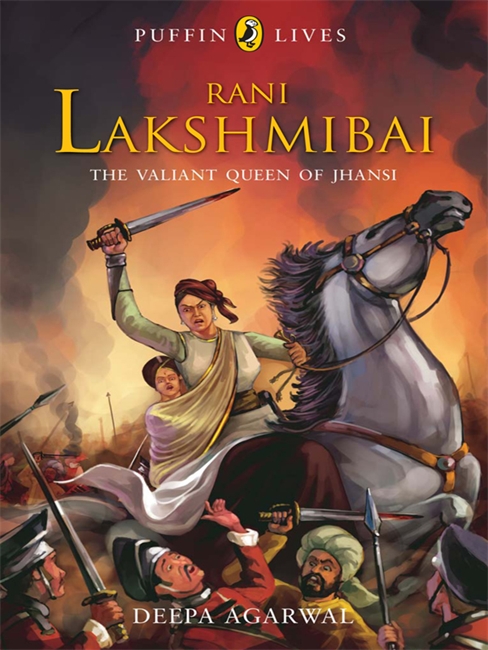
A little girl, Manikarnika, with an uncanny sense of her own destiny, grew up to be none other than the brave queen of Jhansi, Rani Lakshmibai. Trained in horse riding and the martial arts from an early age, Manu was married to Gangadhar Rao, the Maharaja of Jhansi, when she was thirteen. Soon after her husband’s death, the reins of the kingdom passed on to her, and she took up this responsibility undeterred and fearless. When Jhansi faced the danger of annexation, she fought against the British with unflinching courage, losing her life in the course of the battle. She has since become one of the most inspiring heroes of the freedom struggle and a much-admired role model.Deepa Agarwal chronicles the life and times of this legendary character in a gripping narrative, drawing a colourful portrait of bravery. This riveting account also includes nuggets of information about the eventful year 1857, making for a fascinating read.
Puffin Lives: The 14th Dalai Lama
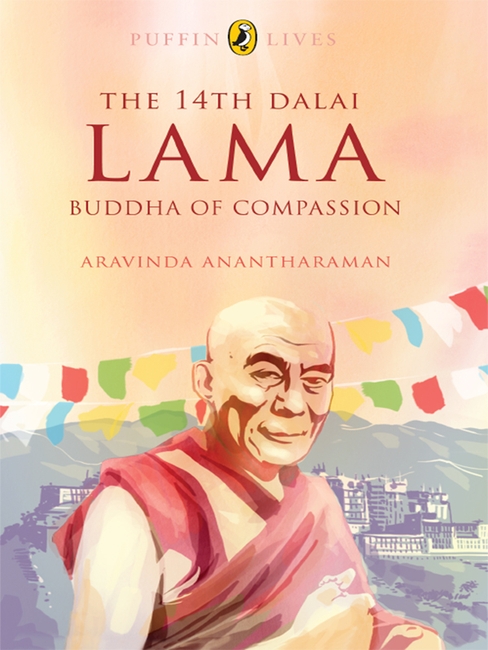
Looking out of his carriage; the Dalai Lama saw people crying with joy. Their Kundun had returned.Born to a family of farmers in a remote corner of Tibet; Lhamo Dhondup; was recognized as the fourteenth reincarnation of the Dalai Lama at the age of two. He took charge of his country in 1950 when the Chinese invaded Tibet. The rest of his teens were spent in negotiations with the Chinese government. However; as Chinese violence against Tibetans increased; Kundun was forced to flee his native land. His escape over the Himalayas is the stuff of adventure novels.Exiled now in India for over five decades; the Dalai Lama constantly champions Tibet’s independence while remaining its greatest spiritual mentor. He received the Nobel Prize in 1989 for his non-violent efforts to gain freedom for his country. Rich in personal anecdotes; this engaging biography shows how Kundun blends spirituality with politics. To the Tibetans; the Dalai Lama is God incarnate. To the world; he is the face of Tibet. To young readers; he can be a living embodiment of the ideals of peace; democracy and freedom.
Puffin Classics: The Rhythm Of Riddles
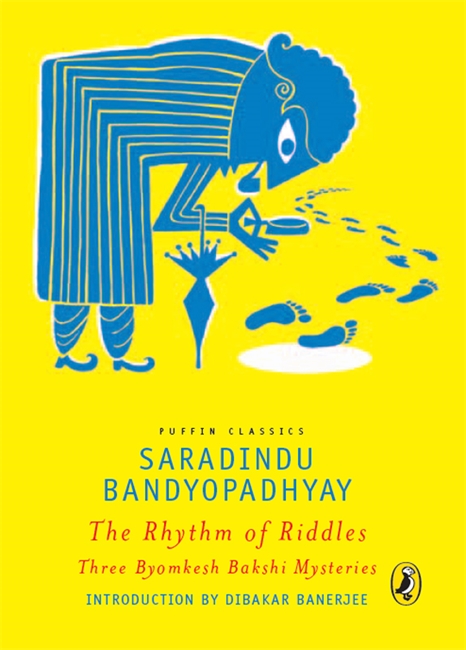
Saradindu Bandyopadyay’s immortal detective Byomkesh Bakshi has enjoyed immense popularity for several decades. From being a household name in the Calcutta of 1930s, when he first created, to a popular face on TV in the 1990s, Byomkesh along with his friend-cum-foil Ajit is perhaps the best-loved of India’s literary detectives. This collection brings together three of his classic whodunnits. From a murder in a boarding house with too many suspects to a mystery with a supernatural twist, and then busting a black – marketeering ring in rural bengal, these stories take the super sleuth to different locales on his quest for truth, and bring out his ingenuity and astuteness. Translated into English for the first time by award-winning translator Arunava Sinha, the breathless pace and thrilling plots of these action-packed adventures will win Byomkesh a new genertion of admirers.
Puffin Lives: Chanakya
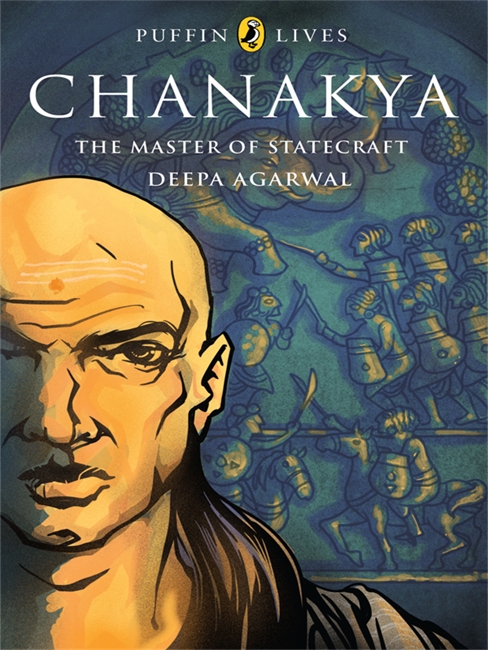
‘I, Chanakya, vow not to bind my hair until I have unseated you from the throne of Magadha.’
When learned Brahmin Vishnugupta is humiliated by arrogant king Dhana Nanda in a public gathering, he swears revenge. Anger is his weakness, but strategy, his strength. This formerly unknown Brahmin goes on to become the most well-known kingmaker in Indian history: Chanakya. Using a combination of cunning, ruthlessness and luck, Chanakya fulfils his vow and propels a boy of unknown origins, Chandragupta Maurya, to the throne of the most powerful kingdom of that time, an empire even Alexander the Great hesitated to confront.
This fascinating account shows how Chanakya went from being a penniless fugitive with the rebel prince of Pataliputra to the prime minister of Magadha, and finally the author of the groundbreaking Arthashastra. With fun snippets and lesser-known facts about this remarkable statesman and the Mauryan age, this book promises to be an exciting and gripping adventure story.