Dispatches from a valley under siege
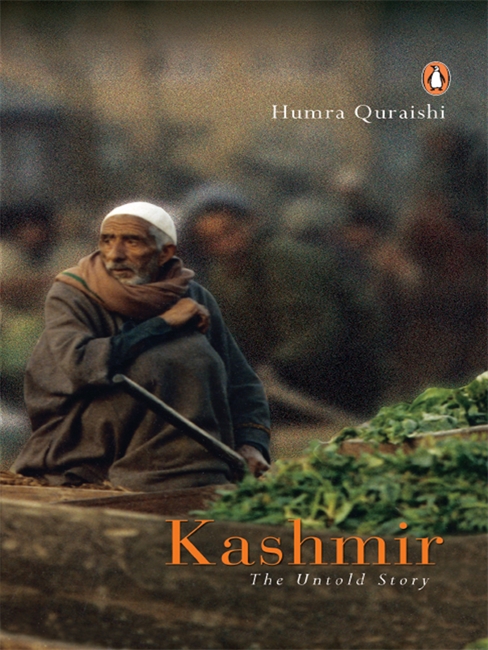
Since 1989, Kashmir has rarely been out of the headlines, as local militants, foreign terrorists and PBI – Indian security forces battle it out in a region once known as `paradise on earth’. In all the propaganda, and news and statistics about terrorist strikes, counter insurgency operations and the foreign hand, the human stories, however, are often lost.
In this book, journalist Humra Quraishi draws upon her extensive travels in the Valley and interactions with ordinary Kashmiris over two decades to try and understand what the long strife has done to them. She brings us heartrending stories of mothers waiting for their young sons who disappeared years ago, picked up by the army or by militants; minds undone by the constant uncertainty and fear and almost daily humiliation; old harmonies tragically undermined by the atmosphere of suspicion; an entire generation of young Kashmiris who have grown up with no concept of security; and PBI – Individual families and a whole society falling apart under the strain of the seemingly endless turmoil

This second volume of Arundhati Roy’s collected non-fiction writing brings together fourteen essays written between June 2002 and November 2004. In these essays she draws the thread of empire through seemingly unconnected arenas, uncovering the links between America’s War on Terror, the growing threat of corporate power, the response of nation states to resistance movements, the role of NGOs, caste and communal politics in India, and the perverse machinery of an increasingly corporatized mass media. Meticulously researched and carefully argued, this is a necessary work for our times.

War has spread from India’s borders to the forests in the very heart of the country. Here are four essays by Arundhati Roy including the heatedly debated ‘Walking with the Comrades’ that combines a clear-eyed, analytical overview with extraordinary reportage from the ground of the Maoist guerrilla zone and her most recent essay, ‘Capitalism: A Ghost Story’. Broken Republic examines the nature of progress and development in the emerging global superpower, and asks some fundamental questions about the real meaning of civilization itself.
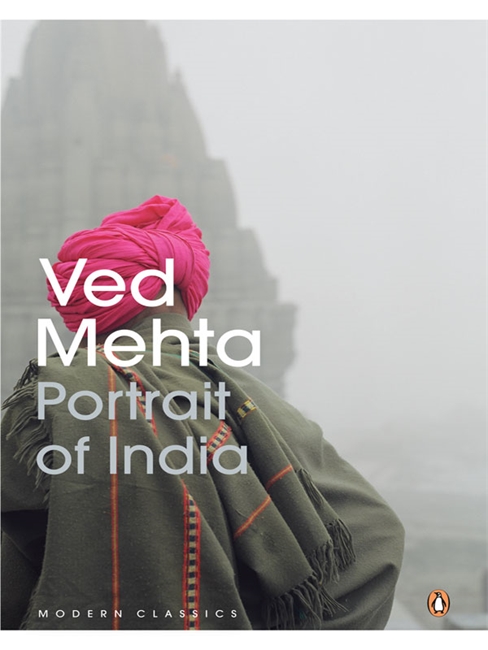
Portrait of India (1970) is a vivid account of 60s’ India and some of its most interesting figures – Indira Gandhi, Jaya Prakash Narayan and Satyajit Ray, among others. Travelling across the country from the Himalayas to Kerala, through its villages and cities, Ved Mehta’s observations of and insights into India remain relevant and thought provoking even today.
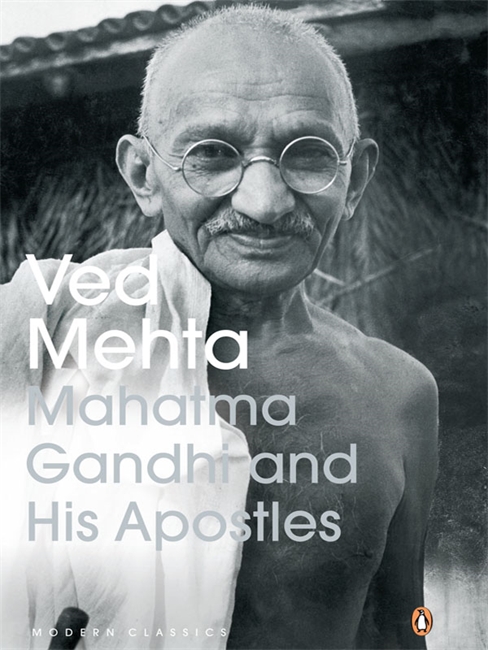
Ved Mehta’s book on Gandhi (1977) is one of the great portraits of the political leader. Travelling the world to talk to Gandhi’s family, friends and followers, drawing his daily life in exacting detail, Mehta gives us a nuanced and complex picture of the great man and brings him vividly alive.
The Essential Ved Mehta is the definitive collection of the author’s work, containing excerpts from nearly all his writings, many of which first appeared in William Shawn’s New Yorker. It begins with his first book, the classic autobiography highlighting his blindness, Face to Face and goes on to feature, among others, his iconic books about India and his great family saga Continents of Exile. Each entry comes with a reflection by Mehta. Authoritative and illuminating, The Essential Ved Mehta is not just an introduction to this seminal writer but also a passionate record of a writer looking back upon his own work.

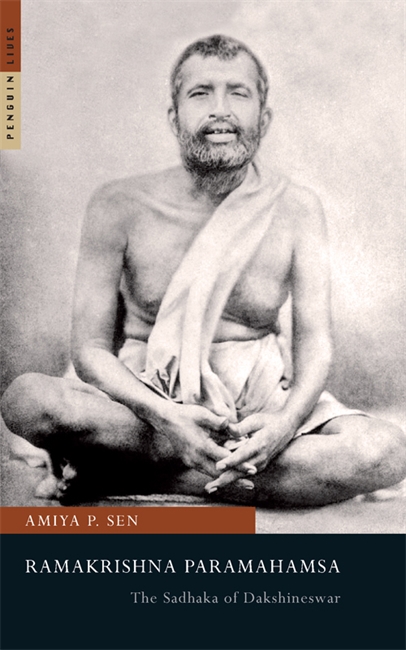
While Ramakrishna Paramhamsa has been the subject of innumerable volumes devoted to his life and teachings over the past century and a half, Ramakrishna Paramhamsa: The Sadhaka of Dakshineswar illuminates this enigmatic religious figure and stands out amidst the multitude of voices that crowd his story. It traces the several contradictions of nineteenth-century Bengal that the man embodied: between his Vaishnav roots and Sakti worship; between bhakti and gyan; and between a guru and sadhaka (spiritual practitioner).
Amiya P. Sen situates Sri Ramakrishna within the emerging social and cultural anxieties of the time as also the larger Hindu-Brahminical world that he was born into. This book also carries a brief but critical introduction to the moral and philosophical underpinnings of Ramakrishna’s vibrant theology that will be of interest to lay readers as well as those especially interested in the cultural and religious history of modern Bengal.
See also Amiya Sen’s His Words: The Preaching and Parables of Ramakrishna Paramahamsa

‘I found that I had begun to take a great liking for the man . . . Oddly, this did not grow out of any feeling of veneration . . . for that would have implied my being overawed and somewhat fearful in the presence of someone vastly superior. Rather, my feelings grew spontaneously and from the very depths of my heart. I simply revelled in the man’s company.’-Mahendra Nath Dutta (Swami Vivekananda’s brother) on Ramakrishna
Press reports in the 1870s Calcutta marvelled at the way ‘highly educated’, ‘civilized’ and ‘reasoning’ men, like Mahendra Nath Dutta, were drawn to the ‘ill clad’, ‘illiterate’, ‘friendless’ and ‘unpolished’ Ramakrishna. The progressive press, which had first brought Ramakrishna to public attention, scoffed at his use of ‘vulgar’ speech, while acknowledging its effectiveness in religious communication. Despite these critiques, Ramakrishna came to occupy an important place in the cultural life of late-nineteenth-century Bengal.
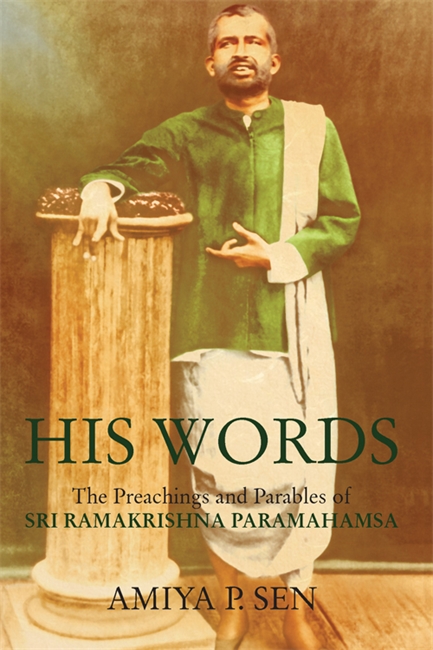
Amiya P. Sen’s lucid introductions and fluent translations of the interactions between Ramakrishna and his followers in His Words make for an engaging and illuminating account of Ramakrishna’s teachings. Compiled from a variety of contemporary and near-contemporary sources, this book brings out the dramatic simplicity of Ramakrishna’s incisive commentaries on profound religious ideas.
See also by Amiya Sen Ramakrishna Paramahamsa: The Sadhaka of Dakshineswar
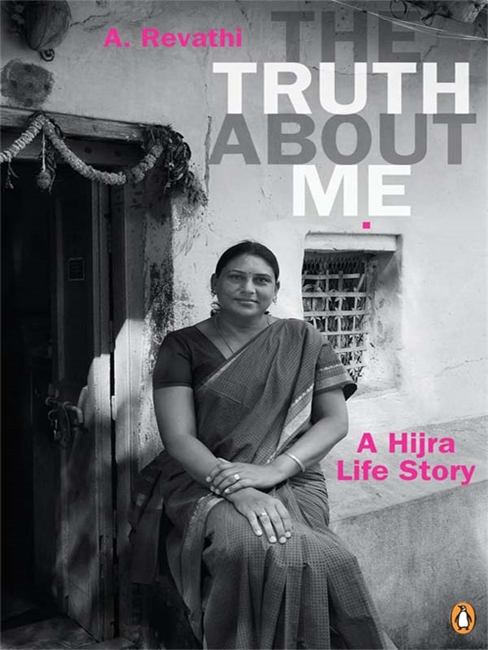
Revathi was born a boy, but felt and behaved like a girl. In telling her life story, Revathi evokes marvellously the deep unease of being in the wrong body that plagued her from childhood. To be true to herself, to escape the constant violence visited upon her by her family and community, the village-born Revathi ran away to Delhi to join a house of hijras. Her life became an incredible series of dangerous physical and emotional journeys to become a woman and to find love. The Truth about Me is the unflinchingly courageous and moving autobiography of a hijra who fought ridicule, persecution and violence both within her home and outside to find a life of dignity.

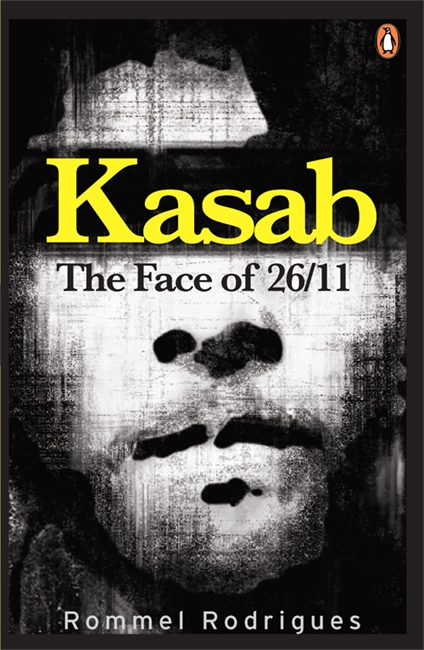
On 26 November 2008 ten heavily armed terrorists entered Mumbai. They headed for the city’s iconic landmarks and the mayhem they unleashed lasted nearly 60 hours.
The audacious terror attacks jolted Mumbai like never before. Even as they mourned; the residents of Maximum City demanded answers. But the information they got in return-accounts of the investigation; government rhetoric; newspaper reports; television features; books and even a film-was sketchy at best. Meanwhile; the courts continued with their prosecution of Mohammed Ajmal Amir Kasab; the lone surviving 26/11 gunman.
The broad picture available to the public is of the Pakistan-based terrorist organization Lashkar-e-Taiba and its ringleaders such as Hafiz Muhammad Saeed and Zaki-ur-Rehman Lakhvi training; arming and dispatching ten young men in a boat to attack India’s commercial capital. All we have been told about Kasab is that he was just another recruit brainwashed into carrying out the plot against Mumbai. Kasab: The Face of 26/11 breaks new ground by painstakingly piecing together Kasab’s terror trail. The narrative follows Kasab through the bylanes of Pakistani villages and cities as he made his way towards PoK; the dense forests where the terrorist-training camps are situated; the trains; buses and jeeps he boarded; the Indian vessel he and the others hijacked en route to Mumbai’s shores; Kasab’s capture and incarceration.
Rommel Rodrigues’ path-breaking investigative journalism fleshes out for the first time the well thought-out planning and organization that lay behind the attacks of 26/11.