



In March of 1963, the Right Reverend John Robinson, Suffragan Bishop of Woolwich, wrote an article for the London Observer that appeared under the headline “Our Image of God Must Go.” Soon afterward, a book called Honest to God, by the same Bishop, appeared. The book and the article together touched off one of England’s characteristically furious controversies. It also touched off an inquiry by Ved Mehta—one of The New Yorker’s new generation of writers—into the state of Christian theology in the contemporary world. What resulted was The New Theologian.
For Mr. Mehta, Bishop Robinson turned out to be merely a point of departure; since many of the Bishop’s ideas were popular versions of ideas first developed by the pre-eminent theologians Dietrich Bonhoeffer, Rudolf Bultmann, and Paul Tillich, Mr. Mehta began his investigation by returning directly to their work. He went on to study the work of many other important theologians and clergymen, particularly the so-called Christian radicals, and held conversations with a number of them, including, in addition to Bultmann and Tillich and Robinson, Karl Barth, Eberhard Bethge, David Edwards, William Hamilton, Eric James, D. M. MacKinnon, Reinhold Niebuhr, Arthur Michael Ramsey, Ian Ramsey, Nicolas Stacey, Paul van Buren, and A. R. Vidler. What emerges in The New Theologian is a brilliant report on present-day theology—specifically, on a movement that is sometimes referred to as religionless Christianity but that can also be seen as a movement of troubled but profoundly religious thinkers who are groping toward a reconciliation of Christian faith with the main secular intellectual currents of our age. Mr. Mehta presents not only the ideas of this extraordinary group of men but also, in stunning portraits, the men themselves.
Ved Mehta was born in India and educated in the United States and England. In the few years since he joined the staff of The New Yorker, he has established himself as one of the magazine’s most imposing figures. He combines the literary exuberance of the true writer with the intellectual rigor of the true scholar. His style is marked by wit and sweep and fire. In an earlier book, Fly and the Fly-Bottle, he brought these powers to bear on the minds and personalities of many of England’s leading historians and Oxford philosophers. In his present book, as he takes up the theologians, he distinguishes himself once more.
Archives: Books
The Seller of Mantras
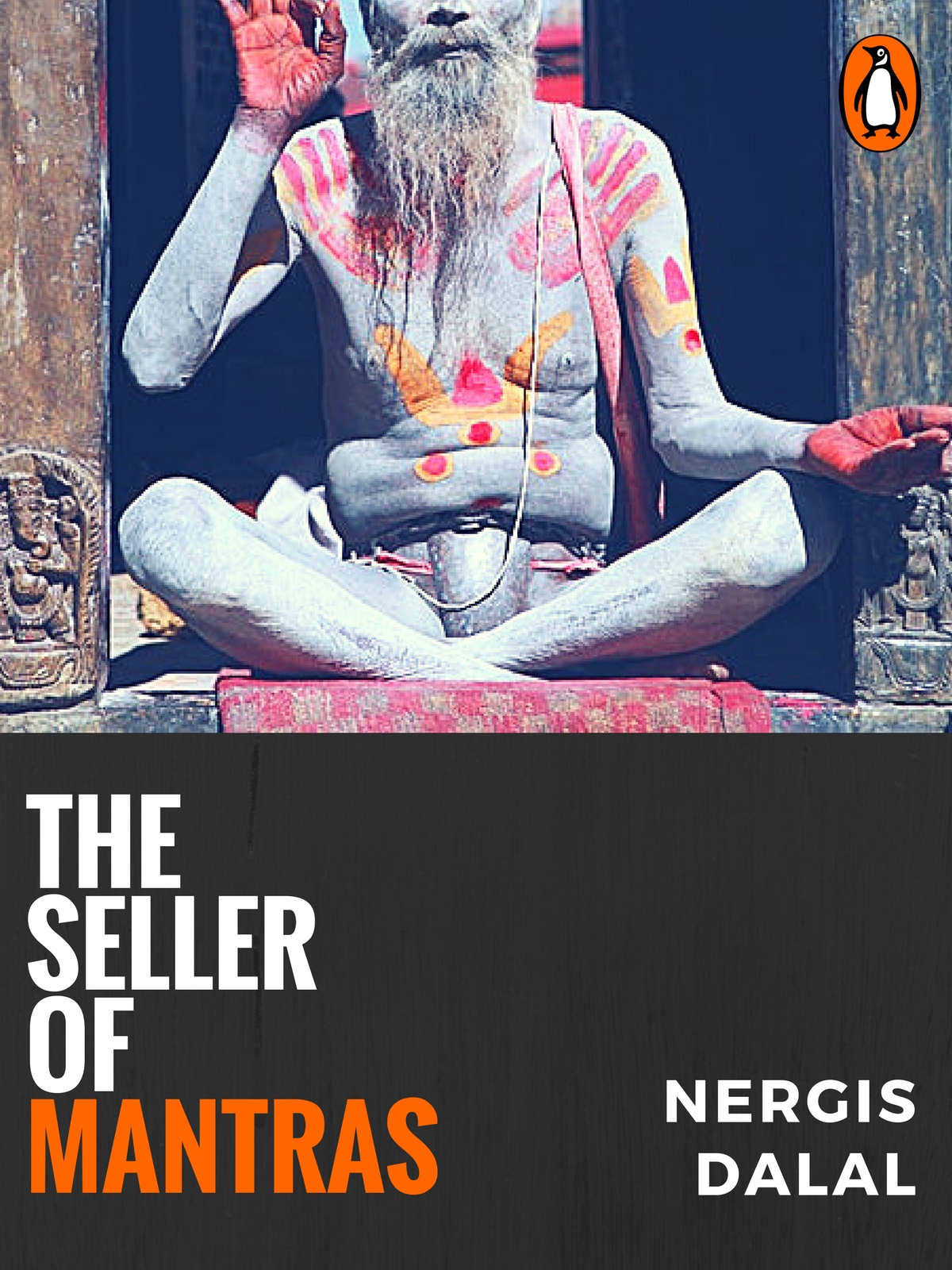
Here, on the banks of the river Ganga, it would be so easy to drown. Or at least that’s what the young man was thinking about since he was down to his last 5 rupees without the possiblity of a job or a way to pay his father back all the money he had borrowed so far.
Destiny has funny ways of working itself out and as if designed by fate, a strange encounter with a strange priest completely changes his life. The only question is, can he keep up?
Slightly tragic and amusing but very well written, The Seller of Mantras is one of Nergis Dalal’s most unique pieces of short fiction. Read on!
The Temple of Shiva
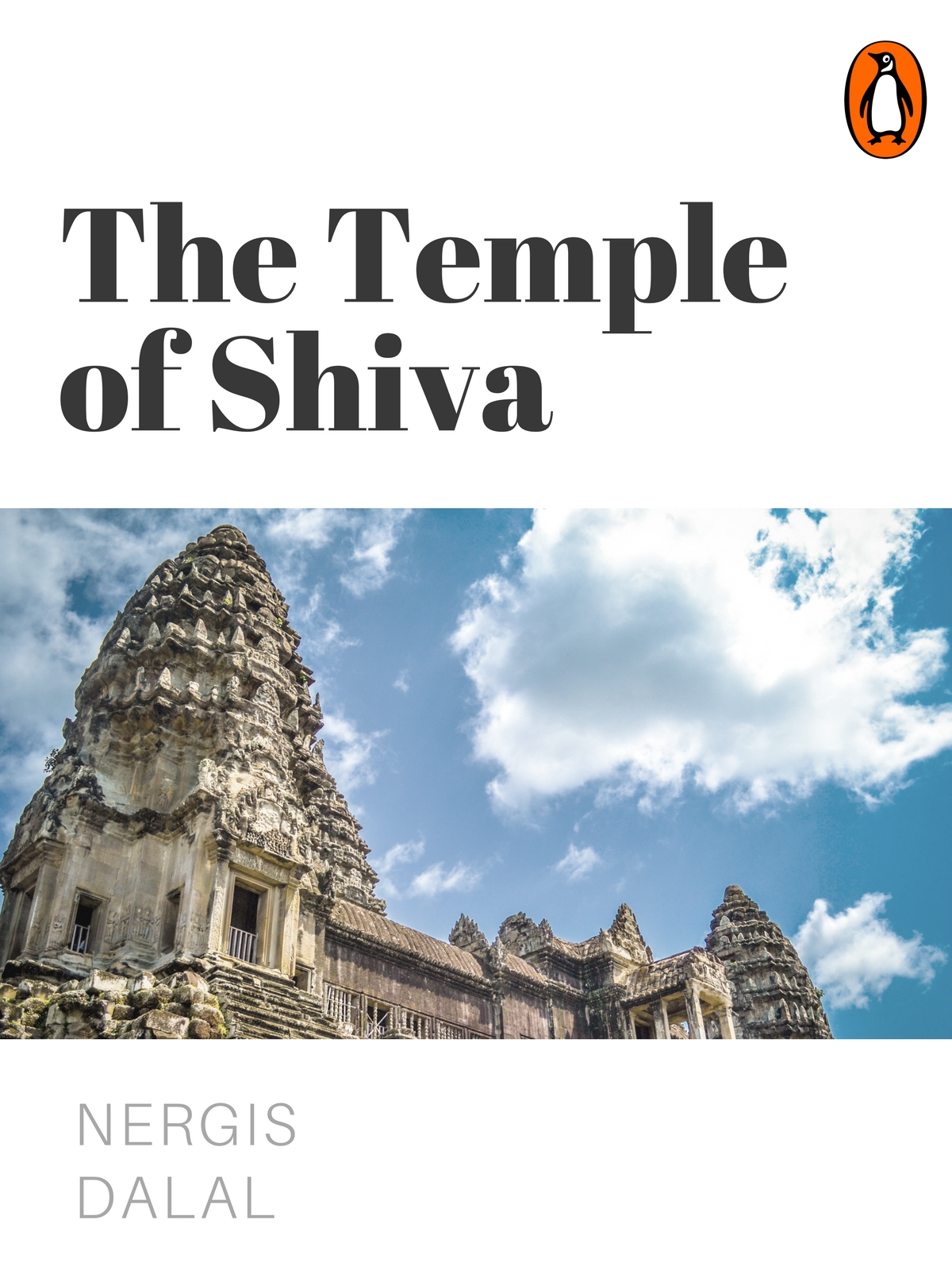
While the village of Tongi had neither been corrupted nor invigorated by industrial change, they knew they were living in a dacoit country. They had learned to live under the shadow of danger, diligently working at their fields without looking over their shoulder too much.
Things, however, slowly begin to change when a young man—a soldier—returns to the village after years. He has opinions and ideas that threaten to change the ways of the villagers and their ‘peace’. The only problem is, if the young soldier succeeds, the dacoits can do whatever they want in Tongi.
The Temple of Shiva is almost like a fairy tale, telling a story that is slightly ethereal but still believable. Combined with Nergis Dalal’s impeccable writing, this is short fiction at its best.
The Red Pavilion
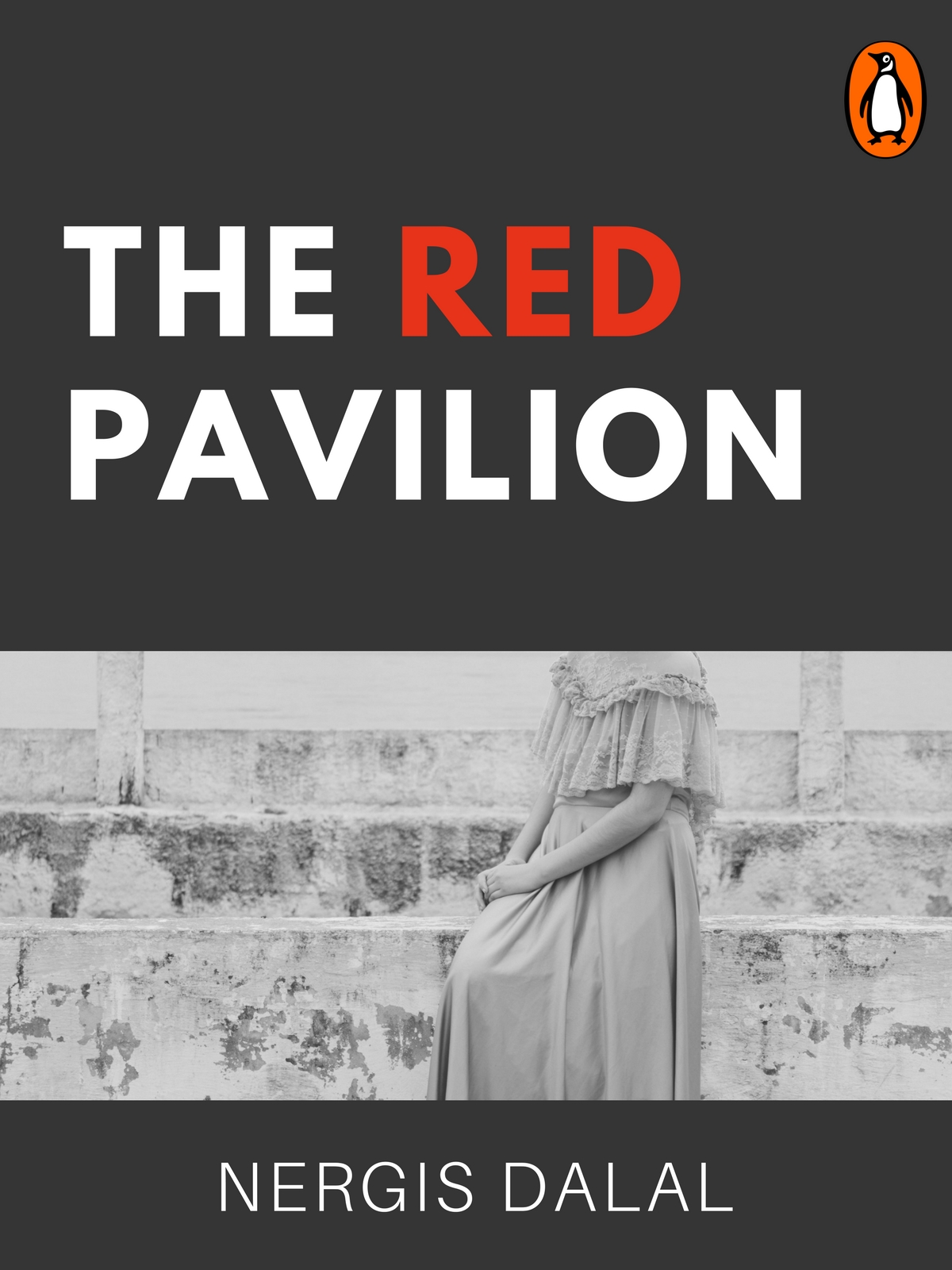
Although Miss Turner talked a great deal, no one in the village knew much about her. She had a peculiar look that she used liberally whenever someone dared to ask her a question that bordered on personal. But apart from Miss Turner and her mysterious life, everyone in the village loved her and she was fond of everyone—after all, she had in fact stuck around for over five years.
The quiet little hamlet didn’t have that many days of peace remaining though. The arrival of a strange new book called ‘The Red Pavilion’ by an author no one had heard about before was going to bring about a strange upheaval in the townspeople’s lives—including mysterious Miss Turner’s.
The magic of Nergis Dalal’s stories lies in her characters and their quirks and The Red Pavilion is everything that you’d want from a Dalal story and more. Read on.
Ranjit’s Wife

“For me there is no more pleasure in the world than to please you.”
After ten years of living together and having been married, Lila’s husband had just asked her for a divorce. Although Lila remembers all her wedding vows as if she took them that morning, nobody had trained her about how to react in a situation like this.
Unusual situations warrant unconventional solutions and it looks like Lila has hit upon one. The only question is, will it work?
No one can combine the complexities of human emotions with the subtlety of short fiction quite like Nergis Dalal and Ranjit’s Wife is amusing, tender, and simply sublime.
The Exiles

In all the years, Mrs Wain had never got used to the smell of marigolds. And so when she learnt that Mr Wain and she were to go back to England, she couldn’t have been happier. A quiet house in the countryside, no unnecessary dirt everywhere and absolutely no marigolds—she was finally going home!
However, things are rarely as one thinks they are. As she loses herself in the process of packing up their lives in India, unexpected realisations find her. The sight of her beautiful china to the act taking a bath suddenly become harsh reminders of what she’s about to lose in order to gain a life she’s never really lived before.
The genius of Nergis Dalal lies in exploring the complexities of human behaviour in the most beatiful manner and The Exiles is an excellent example of that. Amusing and poignant, this is one of Dalal’s most compelling stories. Read on.
Roses, Roses, All The Way…
“It had been an altogether peculiar morning. I may as well see it through.”
Although the morning had started off queitly in the garden, among rose bushes and the newest blossoms, the arrival of a strange, old lady from the nearby ashram had sent it all in a tizzy. Before anyone could register what was going on, the narrator had found himself in the ashram, while the old lady clutched on to a big bouquet of roses from his garden.
He had never quite believed in the trappings of an ashram or any institution led by dubious men in saffron robes but could this ashram really be that different?
We often tend to ignore what our own mind and our own body is telling us, instead getting swept within the massive wave of societal beliefs. In Roses, Roses, All The Way…, Nergis Dalal cleverly explores this aspect of human behaviour in a relatable, entertaining and a funny manner.
The Beautiful One

Meeting anyone from your past—especially someone you used to have feelings for—is always tricky. You’re either hit by a sense of regret at having missed out or those rose-tinted glasses are finally lifted to be replaced by a sudden reality check.
Nina had the power to bring about both. Having been the most beautiful, enigmatic woman in college, there was never a dearth of ‘suitors’ who claimed to have been in love with her. However, twenty years later, even after hearing about the ups and downs of her life, she was still the most charismatic woman in the room, turning heads as she walked. But, being ‘the beautiful one’ does come with its own set of consequences, even for Nina.
Intriguing, unexpected, and throroughly Nergis Dalal, The Beatiful One is as fascinating a study in people as it is well written. Read on.
The Alabaster Goddess

“It is a truism to say that the heart finds peace anywhere. It makes no difference where the body is, if the heart is tranquil.”
On a holiday in the Garhwal Hills at the base of the Himalayas, the narrator and his guide suddenly find themselves threatened by a storm. When they decide to take refuge in the temple of the Alabaster Goddess—where all strangers are welcome—the narrator is surprised to find a familiar face there, a face he least expected to encounter.
India is a vast place in which to disappear. And as the narrator is soon about to learn, a place in which the most unlikely characters and stories appear. As he is faced with the most difficult decision of his life, the only person he can turn to is the curiously invigorating Alabaster Goddess. Will she help him do the right thing?
Nergis Dalal always manages to address the most interesting aspects of human behaviour in the most peculiar way. Intriguing and amusing with just the right touch of darkness, The Alabaster Goddess is a must read for fans of short fiction.
The Sacrifice
Mr. Triana had seen the lush pastures, the green hills, the sloping tea estates. He had inspected ruins and temples and the newly-constructed dams. He was here to see India and he was determined to see every bit of it—including the famine areas with its starved women and children with rickety limbs and swollen bellies. After all, only pictures of the ‘real’ India could be published in newspapers when he got back.
Pritam Singh, his driver and guide, had led the small party through many local wonders, until they arrived among a cluster of villages near an old fort. Although the area had always had a murky history in terms of their rituals and beliefs, no one, including Pritam Singh or the naive Mr. Triana could have predicted the horrific events that were about to unfold.
Writing about dark themes in a literary, almost lyrical manner is a rare talent, but one that Nergis Dalal posesses in abundance. The Sacrifice is an exploration of some of the most darkest aspects of human behaviour written in Dalal’s classic, compelling style.