This lecture is a part of the book Becoming Buddha which is a compilation of the invaluable teachings of contemporary Buddhist teachers who have sought to illuminate the ways of the Buddha in a manner that is comprehensible to a wide audience. With easy to follow dialogues, and anecdotes from the Buddha’s own life as well as the lives of ordinary people, it explains how everyone can attain Buddhahood.
The author, Renuka Singh is the director of Tushita Mahayana Meditation Centre, New Delhi.

Enlightenment for the sake of all sentient beings, moving on from the sense of self, is what lies at the core of Buddhism. This enlightenment in turn brings about a natural desire to benefit others. But there is a long journey before one can achieve this. Namely, it isn’t just truly understanding the realities of the world but also questioning and realizing the cyclical nature of things in the world. But how does one begin? And how does one make progress?
Understanding each stage is a process in itself. And even though one is supposed to look inwards to make progress, one still needs guidance from a teacher, a guru, to help you along the way. After all, our existence is dependent on our birth, which in turn is dependent on our parents. In Dependent Arising, His Holiness the Dalai Lama throws light on this exact point: By understanding our relationship with our existence, we can ourselves rise and help others around us also make progress on their spiritual journey.
From one of the many teaching sessions that took place at the Tushita Mahayana Meditation Centre in New Delhi, Dependent Arising is a simple but effective guide to help you identify your role in the universe.
The world we live in forces us to create a sense of self that is possibly better accepted, better liked by the others. Constantly living with this idea of yourself eventually fools you into thinking this is who you are, when in reality, your true self has been hidden away.
In order to truly follow the path of spirituality and attain enlightenment, Buddhism believes in not only questioning one’s external reality but also one’s inner beliefs and the inner self. Only then can one develop a true understanding of things. In this simple guide to understanding the self and how one can go about doing that, Geshe Ngawang Dhargyey also talks about how a false sense of self is manifested and how one can avoid that.
This simple, helpful guide is another one in the series of teaching sessions that took place at the Tushita Mahayana Meditation Centre in New Delhi.
If you’ve ever done even a little bit of yoga or tried to meditate, you will know it isn’t easy. The mind wanders to countless thoughts and before you know it, instead of relaxing, you’re stressing about at least five different things at once. So what does it take to actually meditate effectively?
According to Lama Gelek Rinpoche, ‘Samadhi is the meditative power that is useful in general application to both contemplative and concentration meditation.’ In Developing Samadhi, he talks about the various kinds of obstacles in the path of meditation and how one can overcome them to effectively develop the power of Samadhi.
This insightful guide is taken from one of the many teaching sessions that took place at the Tushita Mahayana Meditation Centre in New Delhi.
The ultimate destination on a spiritual journey is enlightenment—the state of all-knowing. However, Buddhism believes in attaining enlightenment for the sake of all sentient beings, to forget the self and only live to cherish the other. This obviously involves training the mind to live with this enlightenment. But how can one go about even beginning to train one’s mind in this direction?
Considering the kind of world we live in—the overdose of information coupled with unprecedented stress—thinking spiritually is almost a necessity today. In The Three Scopes, Kyabje Trijang Rinpoche highlights the importance of attaining Buddhahood and talks about how one can go about attaining it.
Another essay in the series of teaching sessions that took place at the Tushita Mahayana Meditation Centre in New Delhi, this simple guide will help anyone thinking about commencing their spiritual journey.
Nearly all eastern philosophies believe the world is a super-sized illusion, a simulation that we’re all a part of. And recognizing the true nature of Samsara or the material world automatically brings about a sense of disillusionment, which in turn leads to renunciation, an important milestone when it comes to spiritual development. The next step is towards enlightenment—the ultimate spiritual goal—to develop the renounced mind.
In this thought-provoking guide, Geshe Rabten enumerates the many ways in which one can develop and strengthen the mind further towards attaining enlightenment.
The Twelve Links is the transcript of Geshe Rabten’s lecture at the Tushita Mahayana Meditation Centre in New Delhi, a detailed guide that can help one make further progress on their spiritual journey.
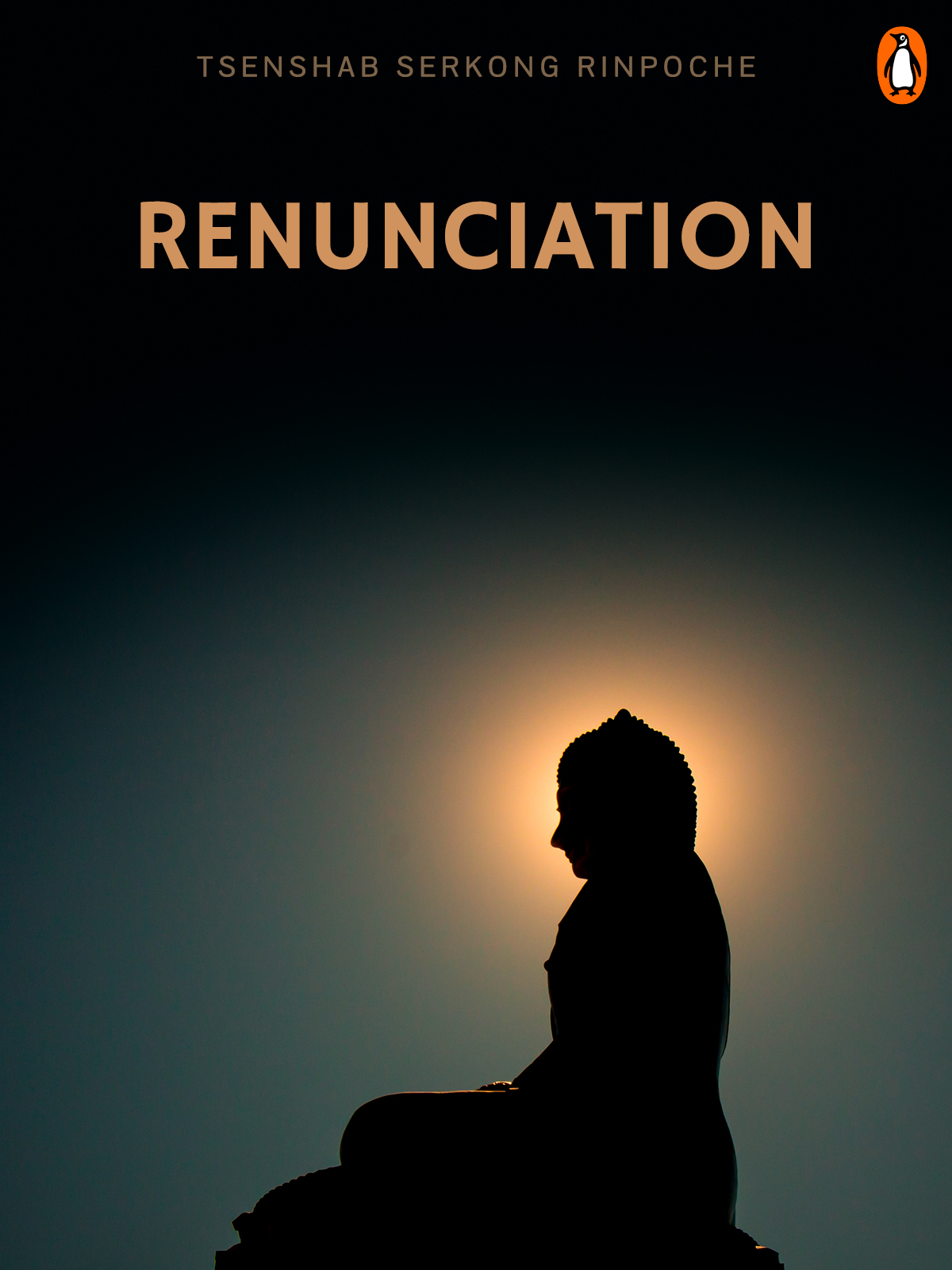
One of the fundamental Buddhist teachings is to renounce Samsara or reducing one’s emotional attachment in the world. Giving up materialism and finding the true meaning of life lies at the core of finding one’s way to enlightenment. But in a world that’s increasingly becoming materialistic, how does one even go about beginning to renounce the world?
Renunciation is Tsenshab Serkong Rinpoche’s attempt at answering that and some other questions about the practice of giving up worldly pleasures. By talking about one’s impermanence—’the only outcome of birth is death’—this guide will help you confront the reality of your existence and how one must live life without negativity to eliminate the fear of death, which eventually leads one on to the path of renunciation.
Taken from one of the many teaching sessions from the early years at the Tushita Mahayana Meditation Centre in New Delhi, this detailed guide is a thought-provoking read on the idea of renunciation in a practical world.
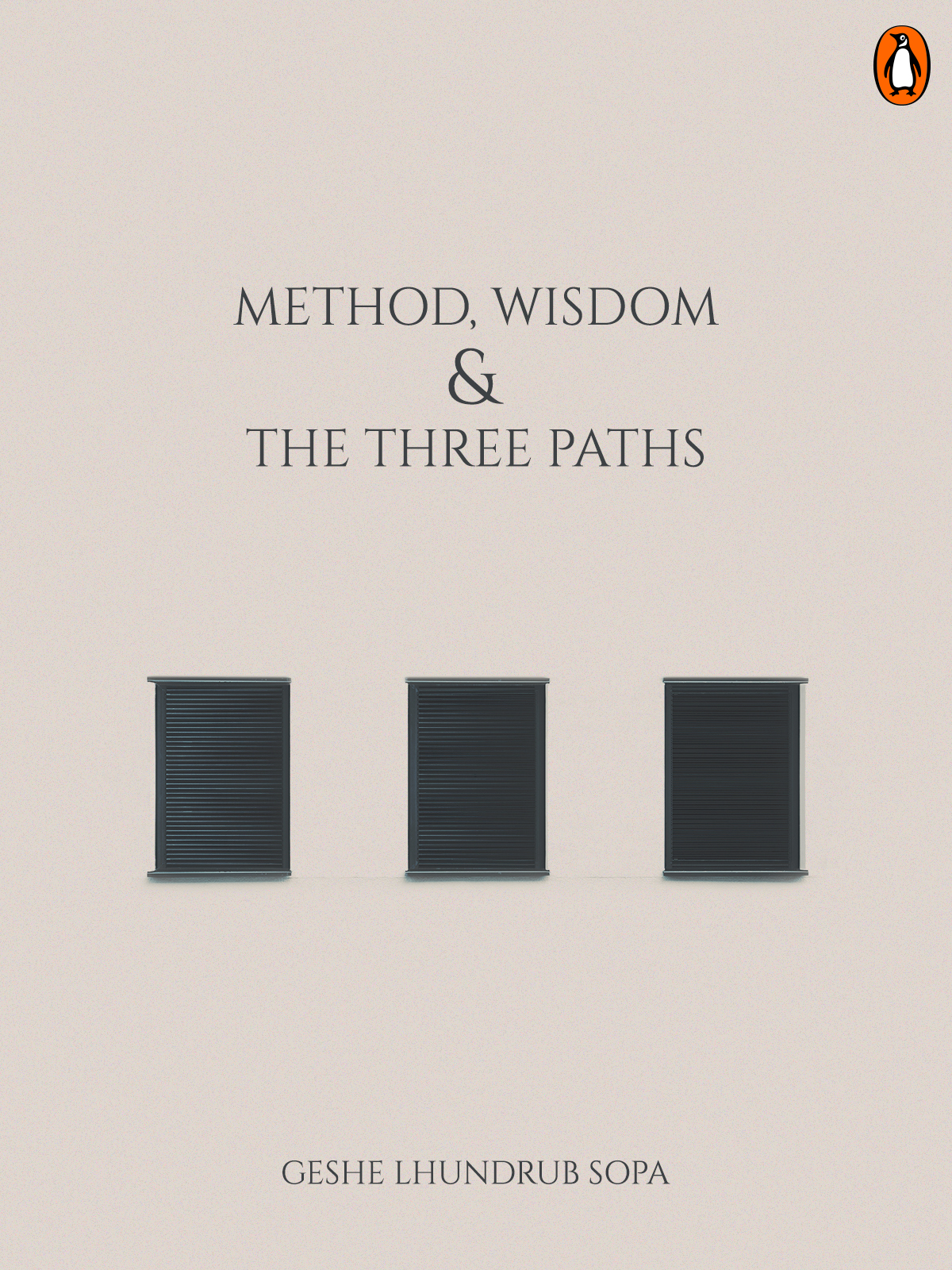
When you decide to embark on a spiritual journey, there are many milestones along the way that help you pick your destination. Buddhism highlights six perfections that one can achieve: Generosity, discipline, patience, energy, meditation and wisdom, with the first five being the means to achieve the sixth. But how does one go about achieving these milestones?
In this useful guide, Geshe Lhundrub Sopa, lists the methods and talks about the various practices that can help one along the path to wisdom and, eventually, enlightenment, which according to Buddhism is the pinnacle of one’s spiritual development.
Another in the series of teaching sessions at the Tushita Mahayana Meditation Centre in New Delhi, Method, Wisdom and the Three Paths will help you visualize the path to enlightenment.
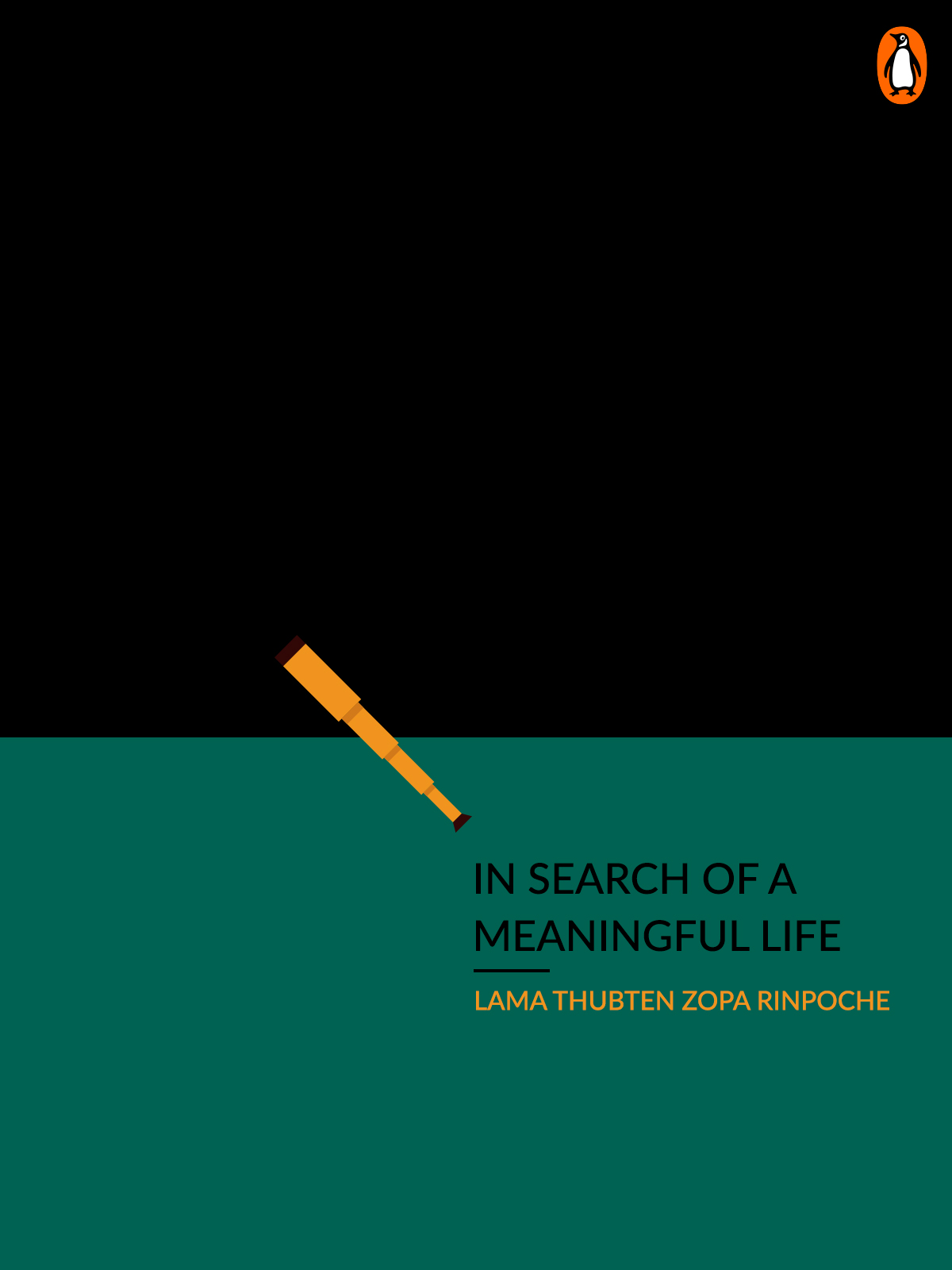
Inner development is a trillion times more effective than external development in producing lasting happiness.’
At some point or another, we have all questioned the meaning of life and what we’re supposed to be doing here. Everything that we do and our actions are in some way directed towards attaining happiness and peace. But according to Lama Thubten Zopa Rinpoche, the only way to achieve long-lasting happiness is by focusing on one’s inner spiritual journey and creating a purposeful life.
In Search of a Meaningful Life is a straightforward but informative read that highlights the importance of renunciation and why materialism can never really bring any true meaning to one’s life. Read on to know more about Lama Thubten Zopa Rinpoche’s thoughts on what constitutes a significant life, taken from his teaching session at the Tushita Mahayana Learning Centre in New Delhi.
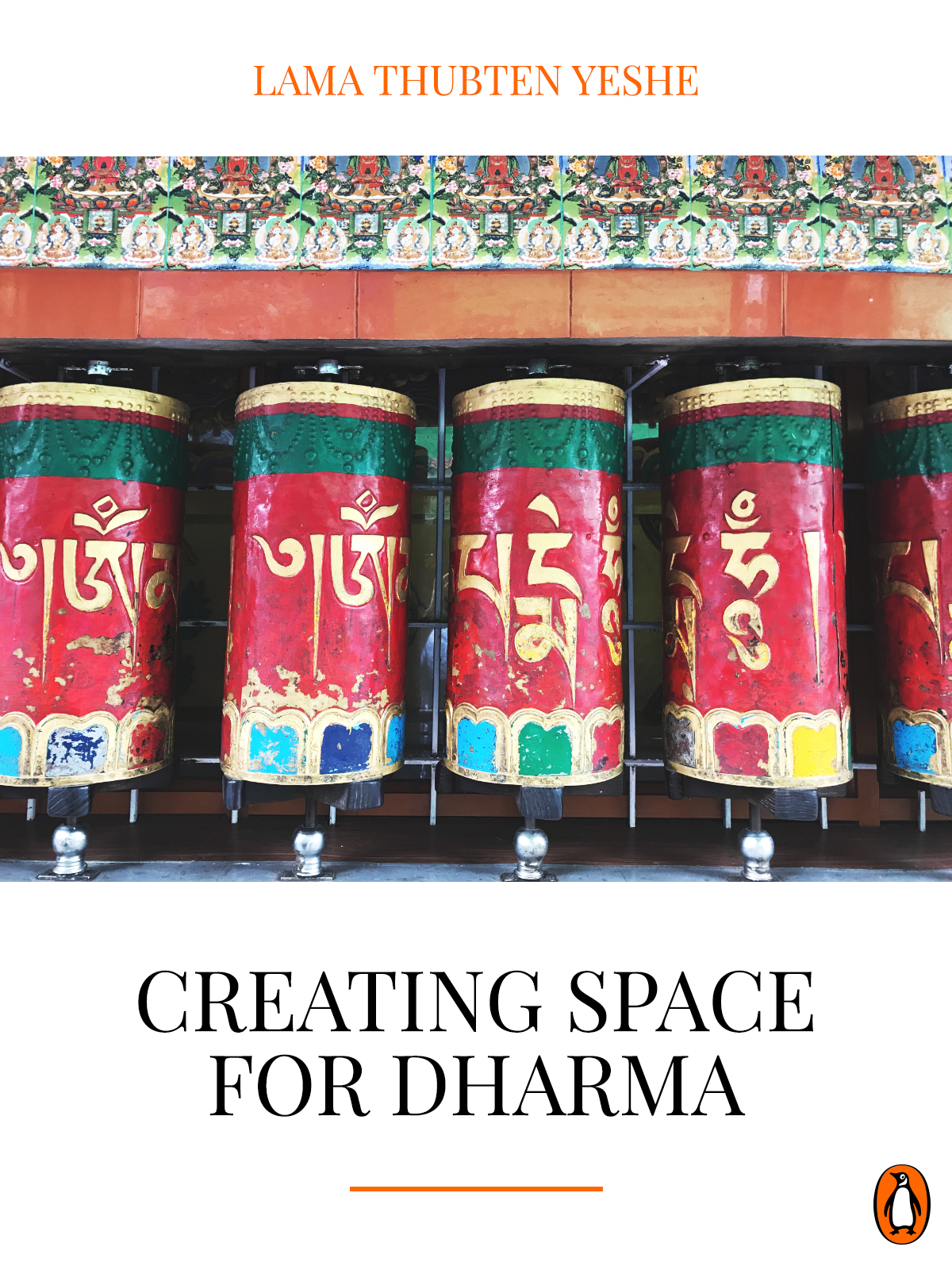
Buddhism believes in questioning everything—even religious doctrine. It’s one of the few reasons why the faith has been able to evolve and survive along with the modern world. It is only by questioning that one can truly understand their own reality. It is this deep, inner understanding of one’s reality that Lama Thubten Yeshe means when he talks about Dharma.
According to Buddhism, Dharma provides the deepest solution to every human problem. It is the light that eliminates the dark shadow of ignorance—the source of most human afflictions.
From understanding Dharma and practicing it one’s daily life or if you’re just curious about how Buddhism can add some meaning to your life, Creating Space for Dharma is a simple yet enlightening read, taken from Lama Thubten Yeshe’s teaching session at the Tushita Mahayana Meditation Centre in New Delhi.