On 12 April 2001, a ‘Shankar Sharma’ wrote a letter containing information that shook the Tata world off its steady feet. The letter brought up allegations against Tata Finance and its director, Dilip Pendse. However, the identity of ‘Shankar Sharma’ still remains unknown.
Tata Finance had a lot of hope placed in it, and seemed to be meeting these great ambitions, and Dilip Pendse was the man behind most of its success. But this was all an illusion—a great deal of filth was shrouded by grandeur and the letter became a means to unveil the gravity of the situation. Suddenly, Tata Finance, the company providing the most dependable financial guidance, was not in a position to manage its own financial goals. Unable to pay its depositors and investors, the company ran the risk of not only losing its priceless credibility, but also good credit. In such a situation, Ratan Tata had to take the reigns back into his hands.
Read on as Harish Bhat, brand custodian of the Tata Group, describes in detail how Tata dealt with this grave financial situation, ensuring that they could avoid such calamities in the future.
The creation of Tata Chemicals changed the lives of the people in Tupnis, Gujarat, by finally bringing water to a parched land. Not only did people finally have regular water supply, but the factory also aided in improving the condition of the people by providing a wealth of opportunities where none had existed. The infrastructure of the village improved and consequently, the transformation of an entire community took place. In this detailed account of the journey of Tata Chemicals, Harish Bhat, brand custodian of the Tata Group, describes how the company has helped in combating the many issues of the area and usher in change for the better.
Read on to know more about one of the most successful companies in India as Harish Bhat charts the genesis and growth of Tata Chemicals, one of the largest companies of the Tata Group.
When Tata Indica was first launched, it was more than just about another car entering the Indian automobile market. It was the launch of India’s very first indigenous car, which eventually led to Tata Motors becoming one of the most trusted automobile companies in the country. Along with understanding step-by-step details about the making of the car, the book goes on to talk about how the car was received by the Indian masses, which eventually helped the growth of the Tata Group.
Read on, as Harish Bhat, brand custodian of the Tata Group, details the many snippets that aided in the creation of the car, while also discussing the political, cultural and global influence it had on the country, by helping India carve a place for itself in the automobile industry.
Twenty years ago, Anna Gosweb had an affair with a local man while visiting India from the UK. Having never kept in touch after the trip, Anna is surprised when she receives a letter from him asking for help. As she comes back to India, she relives her past, not quite knowing what’s in store for her ahead.
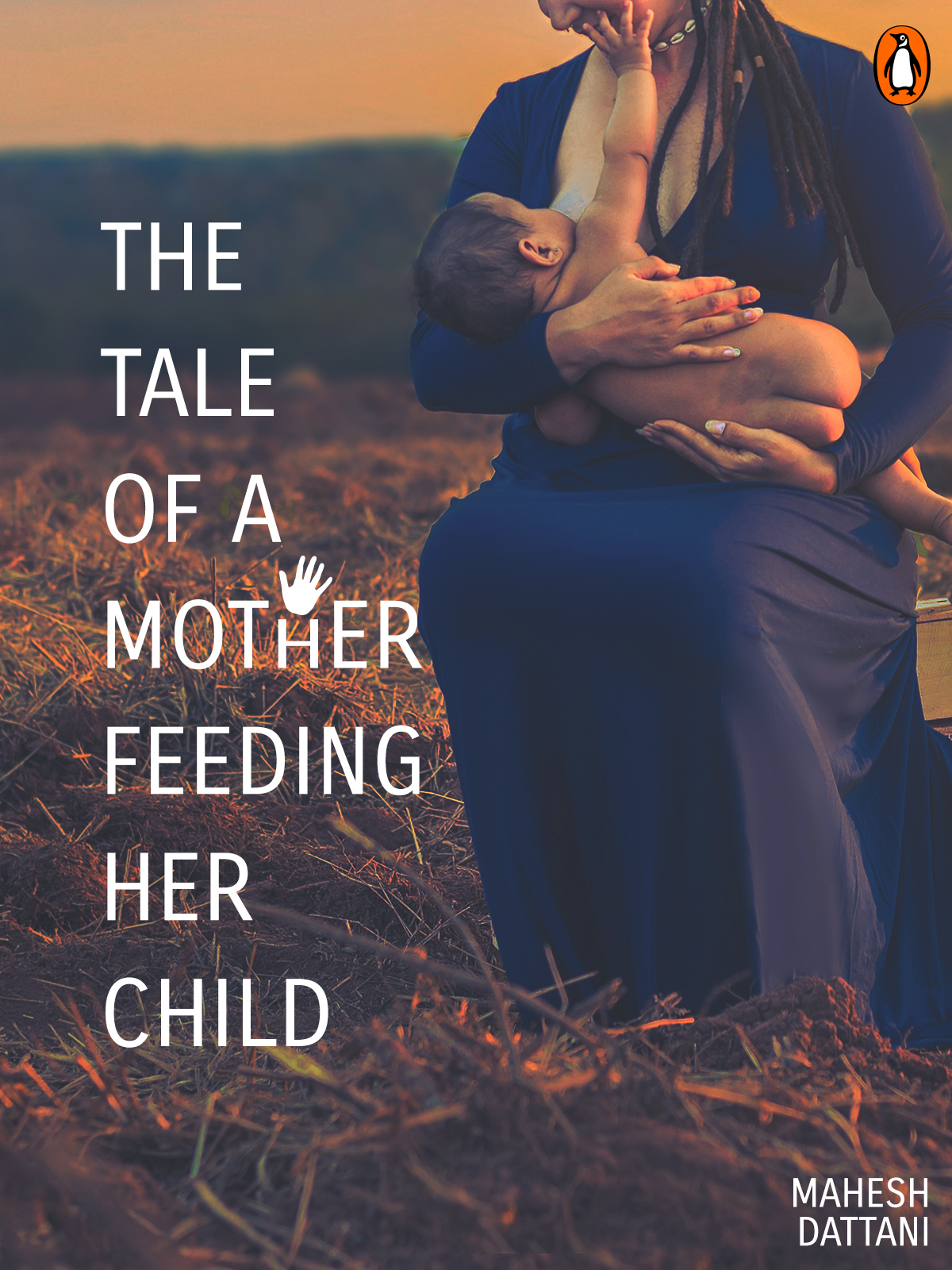
The Tale of a Mother Feeding her Child was commissioned as part of a landmark drama series marking the 600th death anniversary of Geoffrey Chaucer, poet and author of the Canterbury Tales. Produced by the BBC, the series included the works of twenty-one writers who were asked to write a story which might be re-told to a group of travellers forced to spend the night together at a service station on a motorway in England. Poignant and subversive, like most of Mahesh Dattani’s work, this is a vibrant, entertaining and challenging contemporary drama that stays with you long after you’ve read the last lines.
Aparna is still coming to terms with having contracted AIDS from her husband and being forced to end her pregnancy when she begins working at Jeevan Jyot, a hospice set up specifically for HIV patients. There, she meets George, another volunteer who also works with children, and starts developing feelings for him.
In order to allow herself to be happy, she must get over the fears holding her back. But it isn’t easy considering how society treats AIDS patients. At the hospice, they teach the kids to seize the day and celebrate life, but Aparna is struggling to accept that herself.
A heartfelt, tender tribute to the forgotten survivors of a terrible epidemic, Mahesh Dattani beautifully highlights the issues of taboo and ignorance surrounding HIV/AIDS through this screenplay for the film Ek Alag Mausam. Directed by K.P. Sasi and starring Nandita Das, Rajit Kapur and Anupam Kher, the film was released in India in 2005.
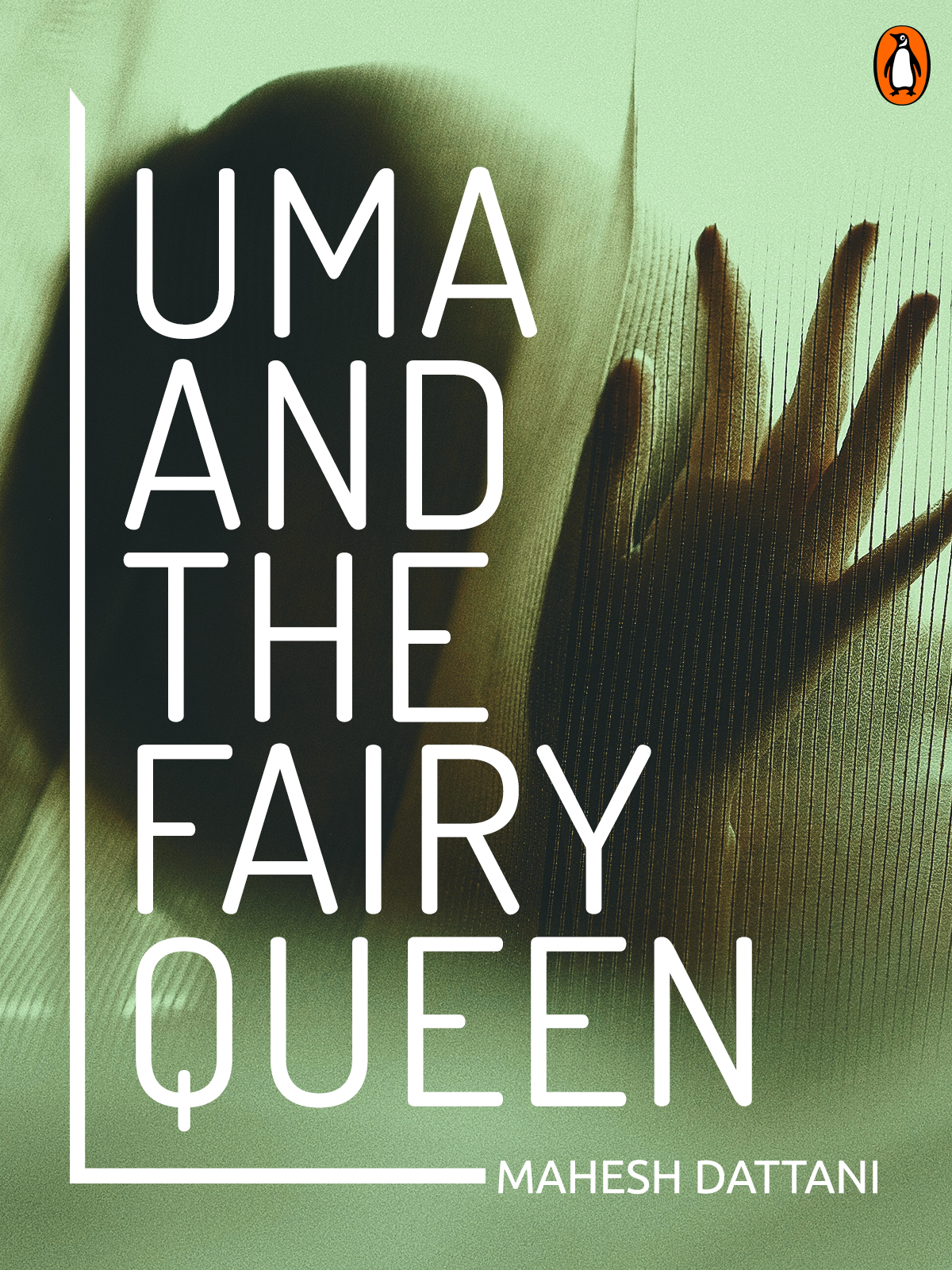
When Michael Forsyth, the actor playing Oberon in a special performance of Shakespeare’s A Midsummer Night’s Dream in Bangalore is shot dead in the greenroom minutes after the performance, it becomes a matter of international concern involving three countries. Forsyth, part of a theatre troupe based in England, was reported to have been kidnapped earlier in the day—only to reappear in time for the performance—by his wife, Nila Ahmed, originally from Pakistan.
Uma Rao—having outsmarted her husband, the superintendent of police, on two previous cases—is intrigued to say the least and realizes that there might be more to it than political conspiracy. With the Interpol getting involved, suspecting terrorist activity, will Uma be able to solve the case in time?
Read on, as Mahesh Dattani masterfully weaves another pacy thriller around Uma Rao and her sleuthing skills in Uma and the Fairy Queen, while raising some compelling questions about the role of women in society.
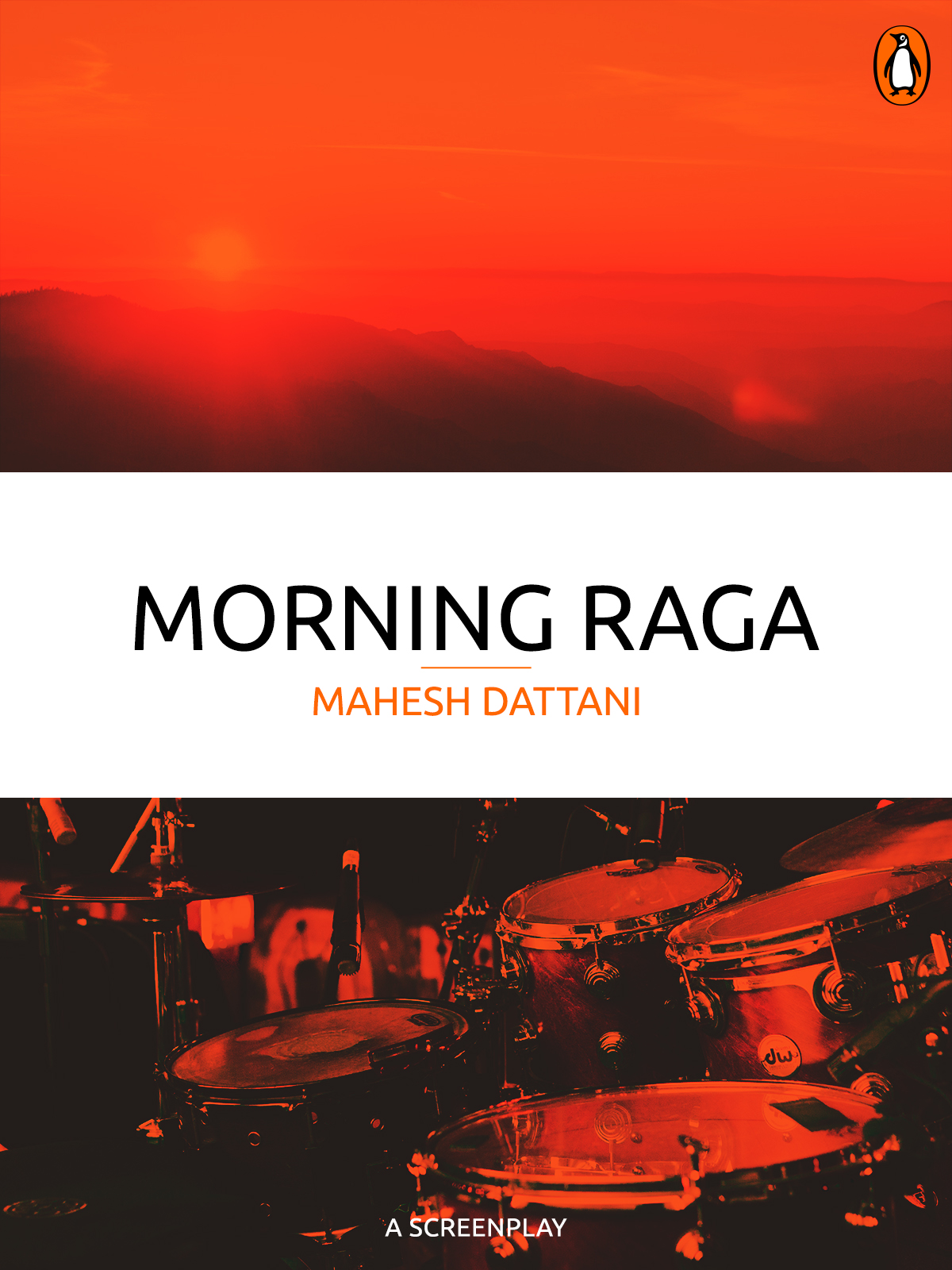
Abhinay wants to start a music group and while he has a singer, a guitarist, a drummer and lots of talent, he feels there is something missing—something that he finds only in Swarnalatha, a Carnatic singer, who was his mother’s best friend. But Swarnalatha has her own demons to fight—the fateful accident that killed her son and Abhinay’s mother.
A meeting of two worlds, Morning Raga brings together the modern and the traditional, unites the past with the present, Carnatic music with Western music, and fate and coincidence with individual choices.
Read this wonderful screenplay of the critically acclaimed film Morning Raga, which was directed and written by Mahesh Dattani. The film, starring Shabana Azmi, Perizaad Zorabian and Prakash Kovelamudi was released in India in October 2004.

‘A playwright of world stature’—Mario Relich, Wasafiri
Mango Soufflé, India’s first major gay-themed film, is an adaptation of Mahesh Dattani’s seminal play On a Muggy Night in Mumbai. Kamlesh, a young gay man, invites his friends home ostensibly for an evening of camaraderie. However, with the arrival of his sister and her fiancé, a series of dramatic confrontations is set into motion, leading to startling revelations and unexpected catharsis. Directed by Dattani himself, the film made a splash at various film festivals abroad and even won the Mostra Lambda Award for best film at the Barcelona Film Festival in 2002.
‘At last we have a playwright who gives sixty million English-speaking Indians an identity’—Alyque Padamsee
‘Powerful and disturbing’—The New York Times
‘A playwright of world stature’—Mario Relich, Wasafiri
The Swami and Winston is the second radio play to feature amateur sleuth Uma Rao, wife of Bangalore’s Superintendent of Police. Lady Montefiore, an English aristocrat, has been murdered outside a Hindu temple. A Burberry raincoat and a mischievous dog provide the only clues about the identity of the murderer. But what could be the motive for her murder? Uma’s second investigation brings her into contact with religious fanaticism in the extreme.
‘At last we have a playwright who gives sixty million English-speaking Indians an identity’—Alyque Padamsee
‘Powerful and disturbing’—The New York Times
‘A playwright of world stature’—Mario Relich, Wasafiri
Clearing the Rubble, a radio play for three voices, was commissioned by BBC Radio to commemorate the first anniversary of the massive earthquake that devastated Gujarat on 26 January 2001. Two lives are brought together by tragedy. Toby, an English journalist, decides to help a young Muslim boy whose mother and two sisters are buried under the debris of the fallen hospital. The play is a touching tale of the victims of both natural calamity and social discrimination.
‘At last we have a playwright who gives sixty million English-speaking Indians an identity’—Alyque Padamsee
‘Powerful and disturbing’—The New York Times