



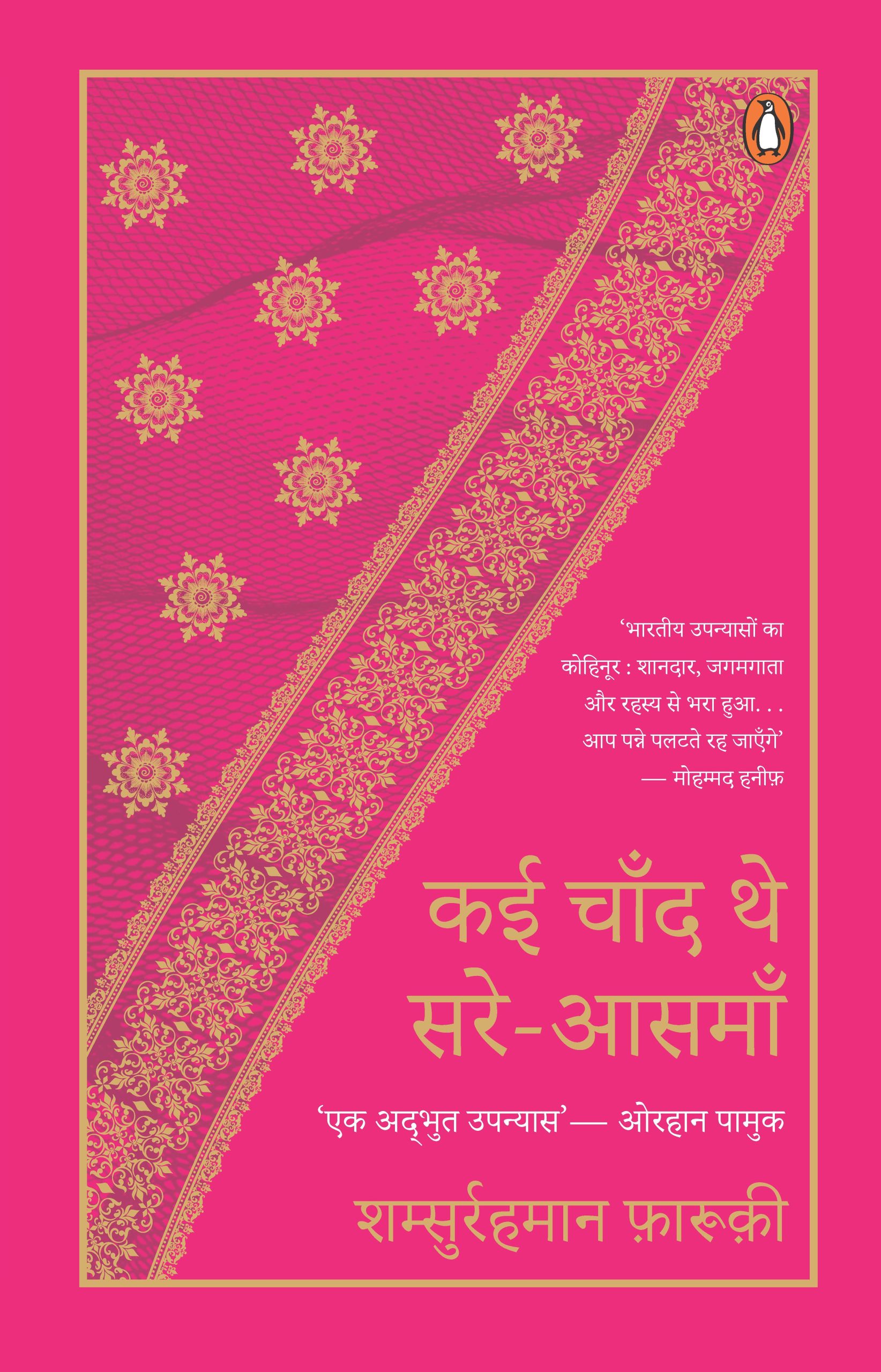
“कई चाँद थे सरे आसमाँ…” यह उपन्यास लेखक की लंबी शोध यात्रा, भाषा पर अद्वितीय पकड़ और मुग़लकालीन समाज की बारीक समझ का अद्भुत मेल है। उपन्यास की मुख्य पात्र वज़ीर खानम एक निडर, बुद्धिमान और विलक्षण महिला है, जिसने अपने समय की सामाजिक सीमाओं को चुनौती दी। वह एक ऐसी स्त्री है जो अपनी शर्तों पर जीती है।
यह 18वीं सदी के उत्तरार्ध और 19वीं सदी की शुरुआत की मुग़ल दिल्ली की पृष्ठभूमि में रचा गया एक ऐसा उपन्यास है, जिसमें मुग़ल दरबार, नवाबी तहज़ीब, शायरी, मोहब्बत, साज़िशें और सांस्कृतिक उथल-पुथल सब कुछ जीवंत हो उठता है।
Archives: Books
Why We Die Hindi / Kyon Marte Hain Hum / क्यों मरते हैं हम
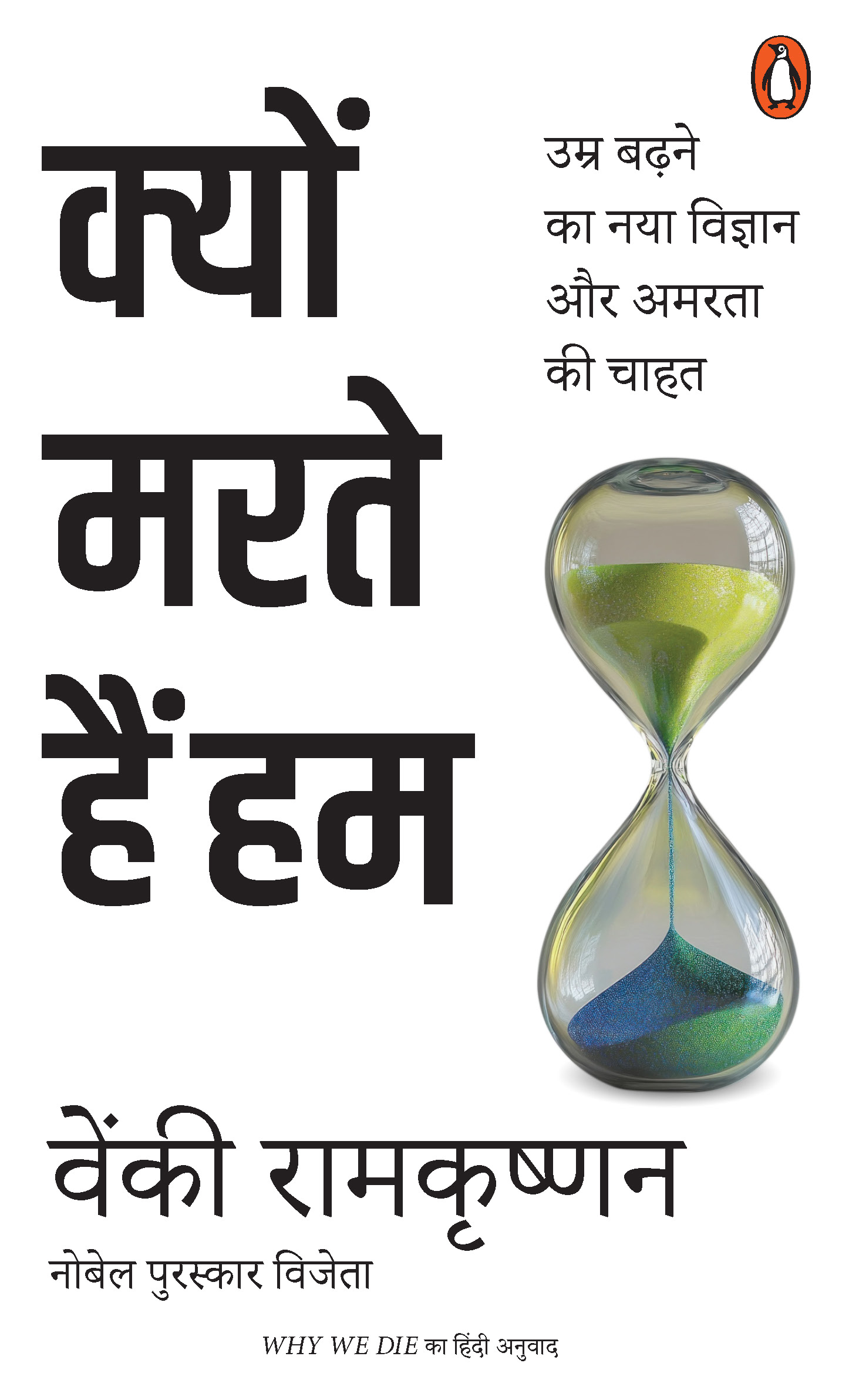
यह किताब नोबेल पुरस्कार विजेता वैज्ञानिक वेंकी रामकृष्णन द्वारा लिखी गई है और इसमें उम्र बढ़ने और मृत्यु के विज्ञान पर व्यापक रूप से चर्चा की गई है। लेखक बताते हैं कि उम्र बढ़ना और मृत्यु, दोनों ही हमारी जैविक प्रकृति के हिस्से हैं। किताब में बताया गया है कि कैसे हमारे डीएनए, प्रोटीन, टेलोमेयर और माइटोकॉन्ड्रिया जैसी कोशिकीय संरचनाओं में समय के साथ बदलाव हमें बूढ़ा करते हैं और बीमारियों की ओर ले जाते हैं। किताब मानव इतिहास में अमरता की खोज, जीवन और मृत्यु के बीच गहराई से जुड़े सवाल और सभी प्रमुख धर्मों में मृत्यु तथा अमरता की अवधारणाओं की झलक भी दिखाती है। अंत में, लेखक यह सवाल उठाते हैं कि क्या मृत्यु आवश्यक जैविक उद्देश्य की पूर्ति करती है और यदि हम अमरता को पा भी लें तो क्या वह हमारे लिए वाकई फायदेमंद होगी।
The Family Cabin

The Family Cabin: A Gripping Psychological Thriller
A weekend retreat at the family cabin was meant to be a joyful celebration for Mike’s 40th birthday, planned as a surprise by his wife. But their once-happy marriage is unraveling. Mike’s frequent absences leave his wife and young son alone, and she’s desperate to reconnect. This getaway was supposed to fix everything.
But when she arrives to set up, strange noises echo from the basement. There, she discovers a terrified young woman, bound and pleading for help. Before she can act, Mike arrives unexpectedly. Who is this stranger? Why is she here? And what secrets is Mike hiding?
From the acclaimed author of The In-Laws and The Patient’s List, The Family Cabin is a heart-pounding psychological thriller that will keep you guessing until the final page. Perfect for fans of Daniel Hurst and Freida McFadden, this page-turner will leave you breathless.
Order now and dive into a chilling tale of secrets, betrayal, and suspense!
- Fast-paced & unputdownable – A tense, twist-filled psychological thriller that will keep you guessing until the final page.
- Dark twists and shocking turns – Perfect for fans of Gone Girl, The Wife Between Us, and The Silent Patient.
- Short, sharp chapters – Ideal for readers who love thrillers you can binge in one breathless sitting.
- Perfect gift for thriller lovers – Addictive, unpredictable, and impossible to forget.
The Sea and the Horizon

The Sea and the Horizon, is a fascinating mosaic of memory, grief, beauty, and longing through the distilled elegance of Zen-inflected poetry. Inspired by Japanese haikus, this collection traverses the spiritual and emotional landscapes of the self and the world, where each poem becomes a corridor opening onto the different waves of feelings bought by life.
The collection is divided into five poetic seasons— Season of the Cold Winds, Season of the Cherry Blossom, Season of the Sweltering Heat, The Season of Hiding, and The Season of Crying. From the flush cherry blossoms and the ache of autumn leaves to the salt-heavy winds of loss, Al-Ghanem’s haikus carry the reader through the unceasing rhythms of time and tenderness.
Love echoes in each fragment, each image—a heron in stillness, a shadow over sand, and a single cloud “guarding the ocean”—they become a vessel for vast, unspoken emotions. Translated with remarkable sensitivity by Ibrahim Fawzy, the poems shimmer with minimalist intensity while evoking a profound emotional experience—solitude, nostalgia, rage, reverence, hope, and the weight of letting go. Al-Ghanem’s voice is intimate and gentle, as if whispering directly into the soul.
Filled with quiet storms, this is a book for anyone who’s ever waited by the window for a letter that never came. The Sea and the Horizon offers solace, reflection, and luminous companionship.
The In-Laws

The In-Laws is a page-turning psychological thriller that will have you guessing till the very end.
He visited them for the weekend. Now they won’t let her leave.
Chelsea Jameson married the perfect husband, but he doesn’t like to talk about his past.
She finds out why when his parents invite them to stay at their off-the-grid cabin in the woods.
His mother dominates his life, even though her only son is in his thirties. Her mother-in-law creates conflict and tries to manipulate her husband against Chelsea.
When Chelsea discovers more about her husband’s parents, dark family secrets are unearthed, revealing the truth. This is not a regular visit to the in-laws.
Isolated and in the middle of nowhere, Chelsea needs to play their game if she wants to survive her visit.
- Fast-paced & unputdownable – A tense, twist-filled psychological thriller that will keep you guessing until the final page.
- Dark twists and shocking turns – Perfect for fans of Gone Girl, The Wife Between Us, and The Silent Patient.
- Short, sharp chapters – Ideal for readers who love thrillers you can binge in one breathless sitting.
- Perfect gift for thriller lovers – Addictive, unpredictable, and impossible to forget.
Murder in Moonlit Square: A Cozy Crime Mystery Set in Delhi’s Chandni Chowk | Quirky Detective Duo a streetwise nun and a hotelier | For Fans of Richard Osman and Vaseem Khan

“A pacy, charming thriller that mixes the romance of old Delhi with the energy of the modern megacity it has become. Can’t wait for the next one.”
— Amish Tripathi, broadcaster and author of The Shiva Trilogy and Ram Chandra Series
In the bustling heart of Chandni Chowk, where lanes glitter by day and hide shadows by night, murder has come to the Delhi Haveli Hotel.
When semi-retired Irish nun Sister Agatha Murphy meets hotelier Avtar Mehta round the back of his historic haveli hotel, they strike up an instant bond over a sneaky smoke and sharp gossip. Neither expects to become detectives — but when a street robbery, a dead body, and a missing pilgrim collide, the hotel is suddenly crawling with police, the Indian secret service, and a hidden killer determined to strike again.
Sister Agatha and Avtar must race to stay one step ahead of the police, the Indian secret service and a hidden killer – as well as keeping their sense of humour through a terrorism scare in the run up to Christmas on the colourful streets of old Delhi.
Witty, atmospheric, and refreshingly original, Murder in Moonlit Square introduces a quirky new detective duo readers will not forget. A cozy crime with bite, full of humour, intrigue, and clever twists, this is perfect for fans of Richard Osman, Vaseem Khan, Tarquin Hall, and Alexander McCall Smith.
Why you’ll love it:
• A cozy crime mystery set in Delhi, alive with the sights, sounds, and flavours of Chandni Chowk.
• Features a memorable new partnership: Sister Agatha, the sharp-tongued nun, and Avtar Mehta, the suave hotelier.
• Blends humour, suspense, and atmosphere into a compelling whodunnit.
• Explores the shadows of colonial history and modern Delhi life.
• Endorsed by leading writers including Amish Tripathi, Robert Thorogood, and Vaseem Khan.
Step into Delhi’s Moonlit Square — where every street hides a secret, and every shadow conceals a story.
“I loved it!” — Robert Thorogood, The Marlow Murder Club
“Takes us to the colour and crowds of modern Delhi, in pursuit of a killer. A charming start to a vibrant new mystery series.” — Vaseem Khan
From Shiva to Schrodinger Hindi / Shiv Se Schrodinger / शिव से श्रोडिंगर
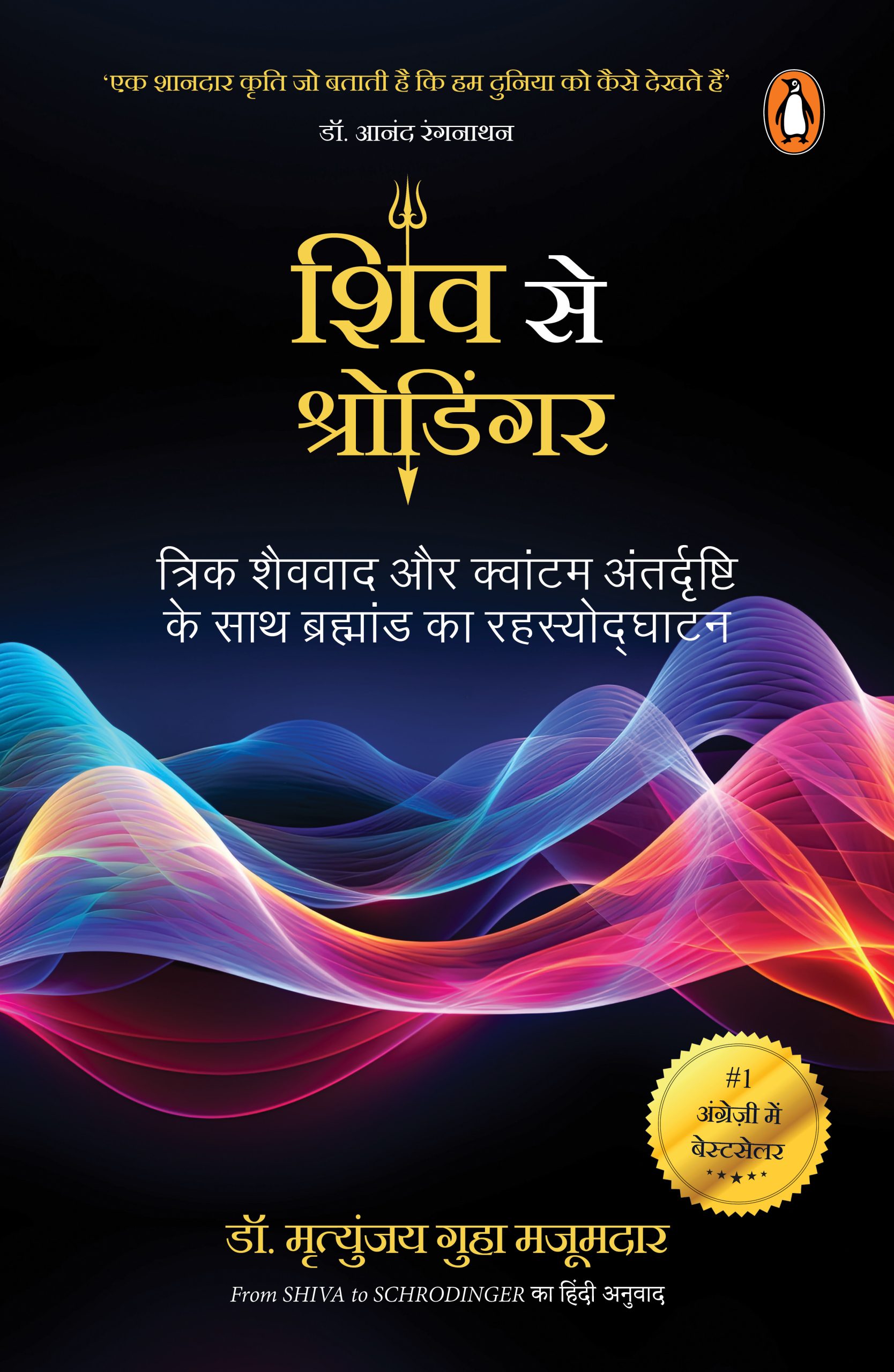
शिव से श्रोडिंगर, त्रिक शैव दर्शन की शिक्षाओं और आधुनिक क्वांटम भौतिकी की खोजों के साथ उनके उल्लेखनीय समन्वय की एक रहस्यमयी यात्रा पर ले जाती है। यह विचारोत्तेजक पुस्तक दर्शाती है कि इस प्राचीन आध्यात्मिक परंपरा की गहन अंतर्दृष्टि क्वांटम यांत्रिकी की अत्याधुनिक दुनिया से उभरने वाली अवधारणाओं से आगे और समानांतर कैसे है। स्पष्टता और गहराई के साथ, लेखक मृत्युंजय गुहा मजूमदार बताते हैं कि कैसे त्रिक शैव दर्शन ने उन कई महत्त्वपूर्ण खोजों का पूर्वानुमान लगाया था जिन्हें आधुनिक भौतिक विज्ञानी अब समझने लगे हैं। वह प्राचीन अध्यात्म और समकालीन विज्ञान, दोनों के मर्म में उतरकर बताते हैं कि कैसे अद्वैत और अस्तित्व के अंतर्संबंध और अलगवा जैसी अवधारणाएँ नवीनतम वैज्ञानिक सिद्धांतों के साथ शक्तिशाली रूप से प्रतिध्वनित होती हैं। शिव से श्रोडिंगर, प्राचीन ज्ञान और समकालीन अंतर्दृष्टि के बीच एक सेतु मात्र नहीं है; यह हमारे ब्रह्मांड और स्वयं की गहरी समझ के मार्ग को प्रकाशित करने वाला एक प्रकाशस्तंभ है। इसलिए, चाहे आप आध्यात्मिक अन्वेषण या वैज्ञानिक खोज की ओर आकर्षित हों, यह पुस्तक एक परिवर्तनकारी परिप्रेक्ष्य प्रस्तुत करती है, जो ज्ञान के लिए आपकी समकालीन खोज को समृद्ध करेगी।
Intemperance
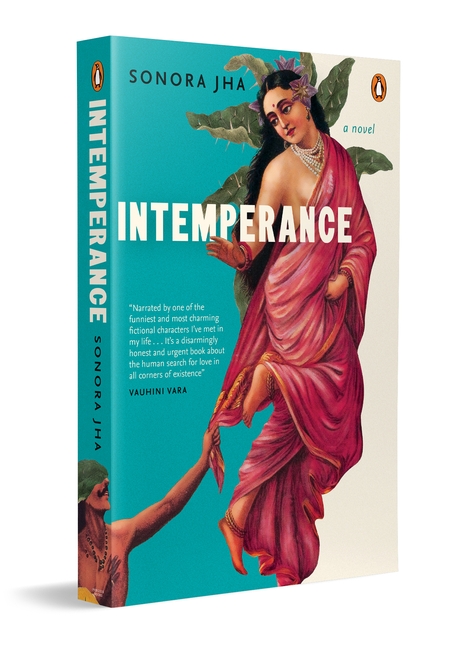
A woman who has left two husbands announces she will celebrate her 55th birthday by holding a swayamvar. Drawn from an ancient custom in her Indian culture, this is an event in which suitors line up to compete in a feat of wills and strength to win a beautiful princess’s hand in marriage. The woman, a renowned and respected intellectual in an American town who had once declared she was “past such petty matters as love,” knows she is now setting herself up for widespread societal ridicule, but her self-esteem and sexual libido are off the charts even as her body withers from disability, fading beauty, and her appetite for cake.
To her surprise, a cast of characters shows up to support her call—a wedding planner looking for the next enchanting thing, a disability rights activist making a documentary film, and even, begrudgingly, her own young adult son. The Men’s Rights Movement protests her project, angry at her objectification of men. She is waylaid by visitations from goddesses and princesses past, who either try to slap sense into her or cheer her on. She must also reckon with a brutal love story in her ancestry that was endangered by the caste system—a story that placed a generational curse on those in the family who show an intemperance of spirit. As her whole plan spirals into a spectacle, the woman embarks on a journey to decide what feat her suitor must perform to be worthy of her wrinkling hand. What feat will define a newer, better masculinity? What feat will it take for her to trust in the tenderness of love?
Intemperance is at once a satirical feminist folktale and a meditation on how we might reach past all sense and still find love.
The Tree Within
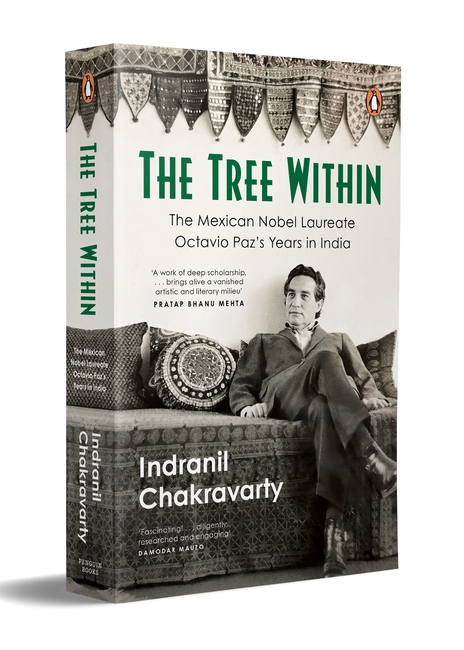
The Tree Within is the enchanting story of Octavio Paz’s passionate love-affair with India where he served as Mexico’s ambassador in the 1960s. Immersing himself in the country’s rich cultural life and contemplative traditions, Paz travelled widely, forged deep friendships with some of India’s finest minds, and produced several of his most inspired poetry and essays. It was here that he met the love of his life and experienced what he called his ‘second birth’. In this richly textured and erudite work, Chakravarty reconstructs the inner journey of the poet by delving into multilingual archives, declassified diplomatic files, personal letters, and intimate interviews. Blending biography, cultural history, and literary criticism, The Tree Within is a luminous testament to the enduring alchemy between India and the world through one of the greatest writers of the 20th century.
‘The Tree Within is absolutely delightful. A work of deep scholarship, engagingly written, the book brings to life Paz’s extraordinary relationship with India in all its dimensions: philosophical, spiritual, aesthetic and erotic. India was a muse for Paz, and in telling that story, Chakravarty also brings alive vanished artistic and literary milieus that had a profound influence on the twentieth century’—Pratap Bhanu Mehta, Laurence S. Rockefeller Professor for Distinguished Teaching, Centre for Human Values, Princeton University
‘How fascinating! This diligently researched and engaging account uncovers many little-known historical facts’—Damodar Mauzo, Jnanpith Award winner, 2022
‘The writing and style avoid all the shortcomings that dull other accounts. Whatever I have read is lively, sharp and revealing’— Aurelio Major, Spanish poet, editorial director of Vuelta and co-founder and editor of the Spanish Granta
‘This eminently readable biography is accessible and entertaining. It is the fullest account yet of the long and intense relationship between Paz and India. We witness how Paz not only appreciated the philosophical, religious, literary and artistic traditions of India but also established lasting friendships with writers, thinkers, musicians and painters’—Anthony Stanton, former president, Octavio Paz Foundation
‘A rigorously researched book, yet highly readable and informative. A landmark for the study of Paz not only in India, but anywhere. Chakravarty has done it again: casting a critical glance to the often-forgotten relation between India and the Hispanic world’—Oscar Pujol, Spanish Indologist and director of the Cervantes Institute, 2007–24
‘Written with elegance and erudition, love and passion, the book is a compulsive read. It is a major contribution to the understanding of India’s cultural dialogue with Latin America through the figure of Octavio Paz’—Shyama Prasad Ganguly, former chairperson, Spanish and Latin American Studies, Jawaharlal Nehru University
‘A compelling book. It situates Paz’s years in India at the crossroads of poetry, politics, and cultural encounter. An invaluable resource not only for those interested in Paz but also for readers drawn to the broader dialogue between East and West’—Eduardo Montes-Bradley, author
What You Are Looking for is in the Library Hindi / Aap Jo Dhoondh Rahe Hain Wah Milega Library Mein / आप जो ढूँढ़ रहे हैं वह मिलेगा लाइब्रेरी में
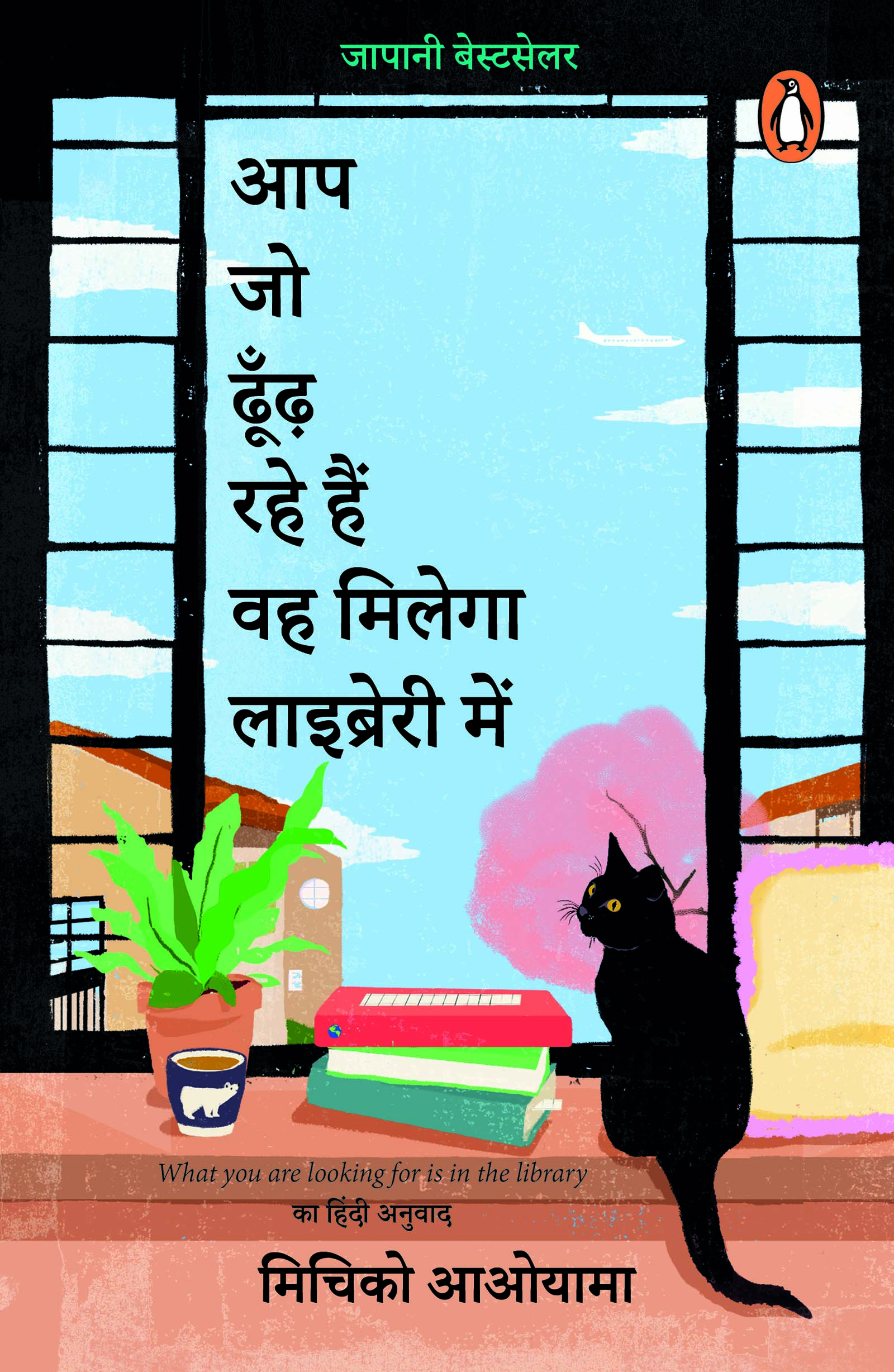
टोक्यो की सबसे समझदार लाइब्रेरियन पूछती हैं।
सायूरी कोमाची अपनी लाइब्रेरी में आने वाले हर व्यक्ति की ज़रुरतों को भाँप लेती हैं कि उसे क्या चाहिए और फिर उसे वह किताब लाकर दे देती हैं, जिससे उसकी तलाश पूरी हो सके।
परेशान-सा एक रिटेल असिस्टेंट कुछ नया सीखना चाहता है, एक माँ मातृत्व अवकाश के बाद पदावनति से उबरने की कोशिश करती है, एक कर्तव्यनिष्ठ लेखाकार प्राचीन वस्तुओं की दुकान खोलने की इच्छा रखता है, हाल ही में रिटायर हुआ आदमी कुछ और नया करना चाहता है।
कोमाची द्वारा बताई गई शानदार किताबों में इन सब को वह मिलने वाला है; जिसकी मदद से वे अपने सपने पूरे कर पाएँगे और अपने लक्ष्य तक पहुँच सकेंगे।<brलाइब्रेरी में वह सबकुछ है, जिसकी आपको तलाश है! दरअसल लाइब्रेरी के जादू और संपर्कों की खोज के बारे में लिखा गया यह एक शानदार उपन्यास है। प्रेरणा से भरी इसकी कहानी पढ़कर हम यह जान पाते हैं कि कैसे, अपने दिल की बात सुनकर, अवसर का लाभ उठाकर और आगे बढ़कर, हम भी अपने जीवन भर के सपनों को पूरा कर सकते हैं।
आप किस किताब को पढ़ने की सलाह देंगे?