



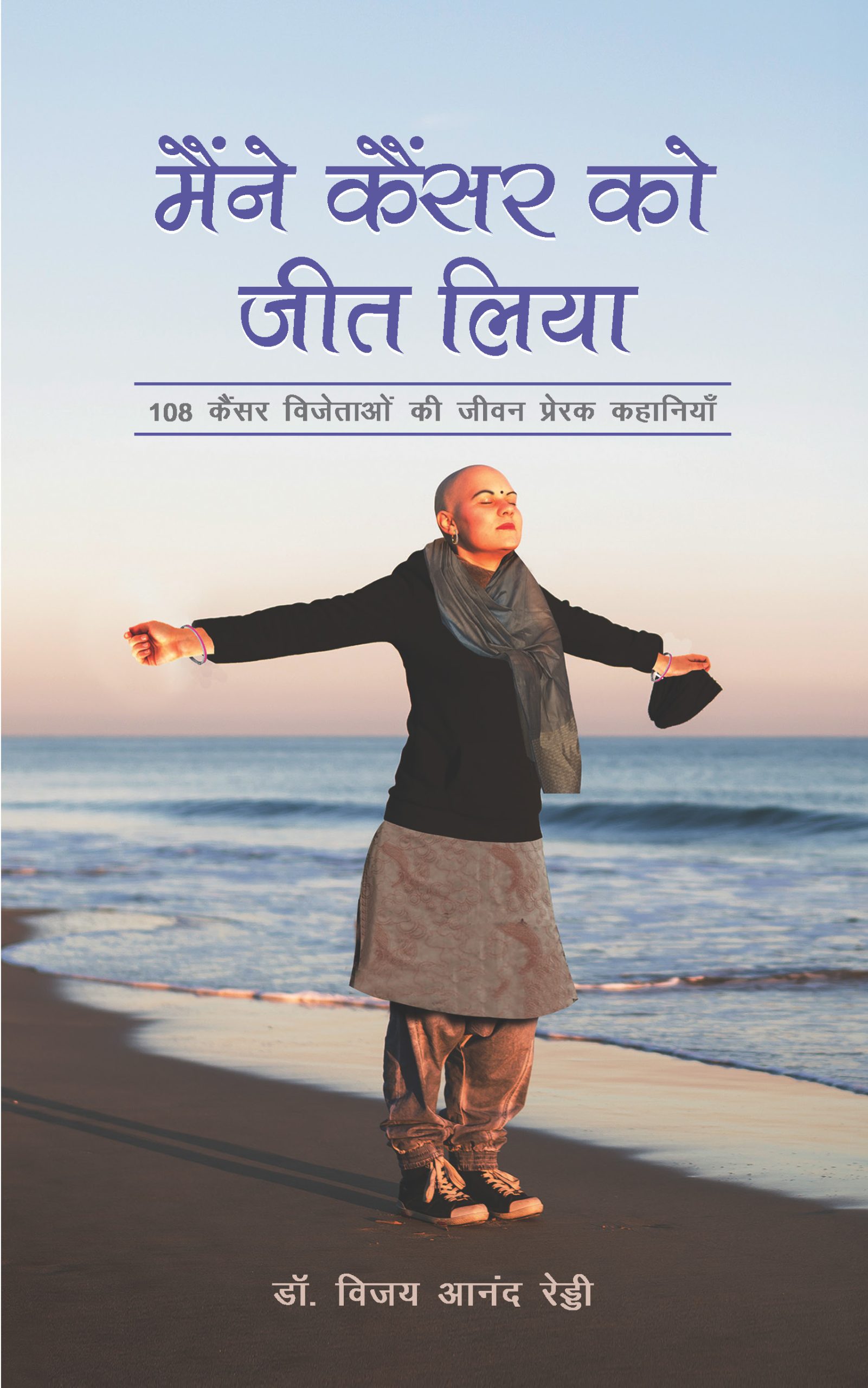
मैंने कैंसर को जीत लिया’ एक प्रेरणादायक पुस्तक है जो कैंसर से जूझने वाले लोगों की कहानियों को संजोए हुए है। इस पुस्तक में विभिन्न व्यक्तियों की संघर्षपूर्ण यात्रा और उनकी विजय की कहानियाँ शामिल हैं। यह पुस्तक न केवल कैंसर से लड़ने वालों के लिए बल्कि उनके परिवार और दोस्तों के लिए भी एक प्रेरणा स्रोत है। इसमें बताया गया है कि कैसे सकारात्मक सोच, दृढ़ संकल्प और सही उपचार से कैंसर को मात दी जा सकती है। पुस्तक में डॉ. रेड्डी और अन्य विशेषज्ञों द्वारा दी गई सलाह और मार्गदर्शन भी शामिल है, जो कैंसर से लड़ने वालों के लिए अत्यंत महत्वपूर्ण है। यह पुस्तक उन सभी के लिए है जो जीवन में किसी भी प्रकार की चुनौती का सामना कर रहे हैं और उन्हें प्रेरणा और साहस की आवश्यकता है।
Archives: Books
How Progress Ends: Technology, Innovation, and the Fate of Nations
How 1,000 years of global history show why technological and economic progress is often followed by stagnation and even collapse
In How Progress Ends, Carl Benedikt Frey challenges the conventional belief that economic and technological progress is inevitable. For most of human history, stagnation was the norm, and even today progress and prosperity in the world’s largest, most advanced economies—the United States and China—have fallen short of expectations. To appreciate why we cannot depend on any AI-fueled great leap forward, Frey offers a remarkable and fascinating journey across the globe, spanning the past 1,000 years, to explain why some societies flourish and others fail in the wake of rapid technological change.
By examining key historical moments—from the rise of the steam engine to the dawn of AI—Frey shows why technological shifts have shaped, and sometimes destabilized, entire civilizations. He explores why some leading technological powers of the past—such as Song China, the Dutch Republic, and Victorian Britain—ultimately lost their innovative edge, why some modern nations such as Japan had periods of rapid growth followed by stagnation, and why planned economies like the Soviet Union collapsed after brief surges of progress. Frey uncovers a recurring tension in history: while decentralization fosters the exploration of new technologies, bureaucracy is crucial for scaling them. When institutions fail to adapt to technological change, stagnation inevitably follows. Only by carefully balancing decentralization and bureaucracy can nations innovate and grow over the long term—findings that have worrying implications for the United States, Europe, China, and other economies today.
Through a rich narrative that weaves together history, economics, and technology, How Progress Ends reveals that managing the future requires us to draw the right lessons from the past.
The Technology Trap: Capital, Labor, and Power in Age of Automation
How the history of technological revolutions can help us better understand economic and political polarization in the age of automation the technology trap is a sweeping account of the history of technological progress and how it has radically shifted the distribution of economic and political power among society’s members. As Carl benedikt Frey shows, the industrial Revolution created unprecedented wealth and prosperity over the long run, but the immediate consequences of Mechanization were devastating. Middle-income jobs withered, wages stagnated, the lab or share of Income fell, profits surged, and economic inequality skyrocketed. These trends broadly mirror those in our current age of automation. But, just as the industrial Revolution eventually brought about extraordinary benefits for society, artificial intelligence systems have the potential to do the same. The technology trap demonstrates that in the midst of another technological revolution, the lessons of the past can help us to more effectively face the present.
The Architect’s Dream
Forty years after he left, Vidhu Mirani—the Pritzker Prize winning architect whom Karl Lagerfeld once called the Coco Chanel of today—returns to India when the Prime Minister invites him to design a new public library for the capital New Delhi. But a chance encounter in a park now puts him at the centre of a political controversy and forces him to revisit a past that he thought he had left behind.
As his curiosity unspools into something resembling regret, his old friend Hanif Allana, furiously mastering a grief of his own, engages him in a desperate, obsessive cat-and-mouse game. Binding the two men is Tanya Sinha, the woman they both loved, but neither truly knew.
As each exhumes personal history to locate missing pieces of the puzzle they have individually carried within them for years, painful memories begin to surface.
The Architect’s Dream is a novel that asks the primordial question—how haunted are we by the secrets of others?—with a psychologically suspenseful twist that both devastates and redeems.
Mantra Meditations Hindi / Mantra Sadhna / मंत्र साधना
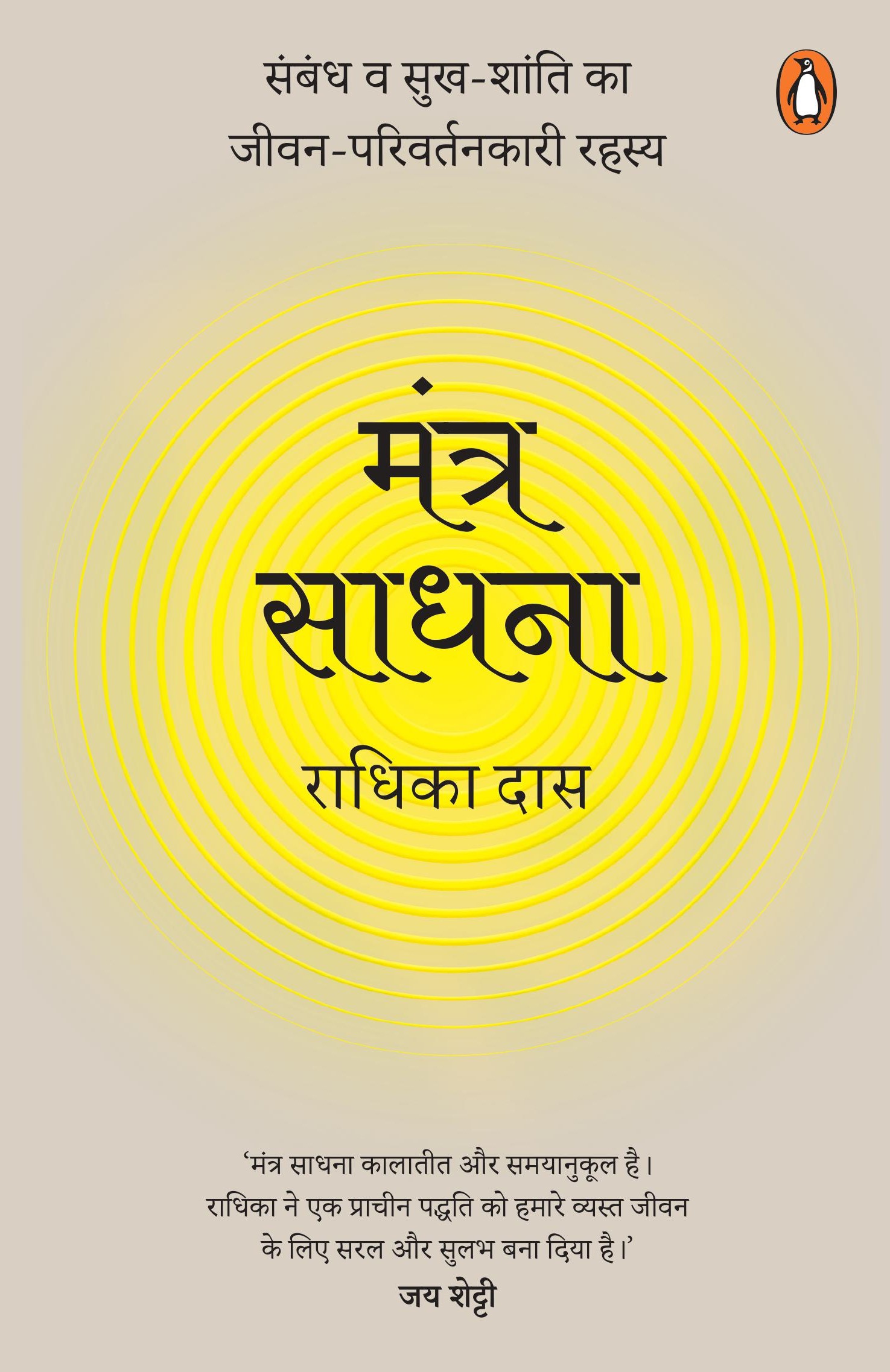
मंत्रों के जाप की परंपरा बहुत प्राचीन और हमारे जमीनी संस्कारों से जुड़ी हुई है। लेकिन इन्हें आज के लोगों के लिए भी प्रासंगिक बनाए रखना है। हमारी परंपराएँ संग्रहालय में रखी धूल खा रही किसी कलाकृति में नहीं बदलनी चाहिए। हालाँकि इन परंपराओं को इनकी शुद्धता के साथ प्रासंगिक बनाए रखना एक चुनौती भी है। राधिका दास की ये किताब आधुनिक भाषा में भी भक्ति परंपराओं की शुद्धता, आदर्श और गंभीरता को सहेजती है। इसीलिए ये किताब मंत्रों के जाप के समृद्ध खजाने तक पहुँचने का रास्ता दिखाती है। ईश्वरीय शक्ति से जुड़ने और एक मजबूत संबंध की नींव रखती है। यह पुस्तक मत्रों की बेमिसाल दुनिया में गोते लगवाकर उन्हें उसे समझाती है और उनका अनुभव कराती है।
Booker Prize 2024 Winner Orbital Hindi / बुकर पुरस्कार 2024 विजेता ऑर्बिटल
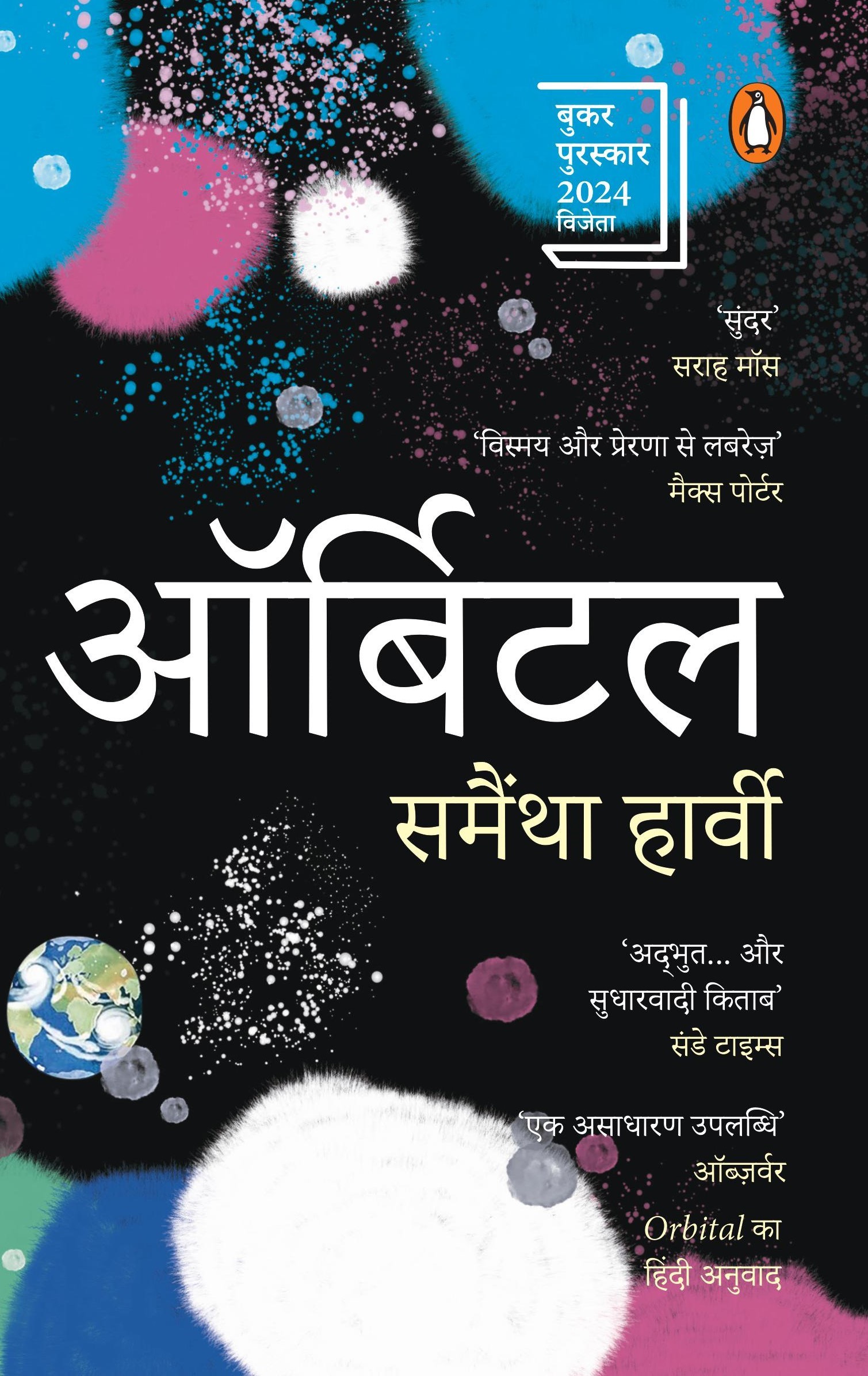
इस पृथ्वी नाम के ग्रह पर हमारे जीवन का एक ऐसा स्वरूप जिसके बारे में आपने पहले कभी नहीं सोचा होगा।
छह अंतरिक्षयात्री अपने अंतरिक्षयान में बैठकर लगातार पृथ्वी का चक्कर लगा रहे हैं। वहाँ उनका काम मौसम संबंधी आँकड़ों को इकट्ठा करना और वैज्ञानिक प्रयोगों को अंजाम देना है। लेकिन अमूमन वे अपना समय निरीक्षण में ही बिताते हैं। एक साथ मिलकर वे हमारी इस शांत नीले रंग के ग्रह को निहारते रहते हैं: एक ही दिन में शानदार सौंदर्य के अंतहीन नज़ारे उनकी आँखों के सामने से गुजरते हैं।
हालाँकि वे दुनिया से अलग-थलग हैं लेकिन फिर भी लगातार होने वाली इसकी खींचतान भागने का कोई विकल्प उनके पास नहीं है। उन तक माँ के गुजर जाने की ख़बर पहुँचती है और इसके साथ ही मन में विचार उठने लगता है वापस पृथ्वी पर लौटने का। उनकी बातचीत, उनके डर, उनके सपने, सब कुछ ही मानव जीवन की क्षणभंगुरता से लबरेज़ है।
पृथ्वी से दूर रहते हुए उन्हें इस बात का अभूतपूर्व अनुभव हुआ कि वे इसका अनन्य हिस्सा हैं या उनके भीतर इसे लेकर एक सुरक्षात्मक भाव है। पृथ्वी के बिना जीवन का अस्तित्व क्या है? मानवता के बिना पृथ्वी का क्या मतलब है? जैसे प्रश्नों से उनका दिमाग़ अटा पड़ा है।
21 Big Ideas That Will Change Your Life Hindi / Jeevan Badalnewale 21 Prabhawshali Vichar / जीवन बदलनेवाले 21 प्रभावशाली विचार
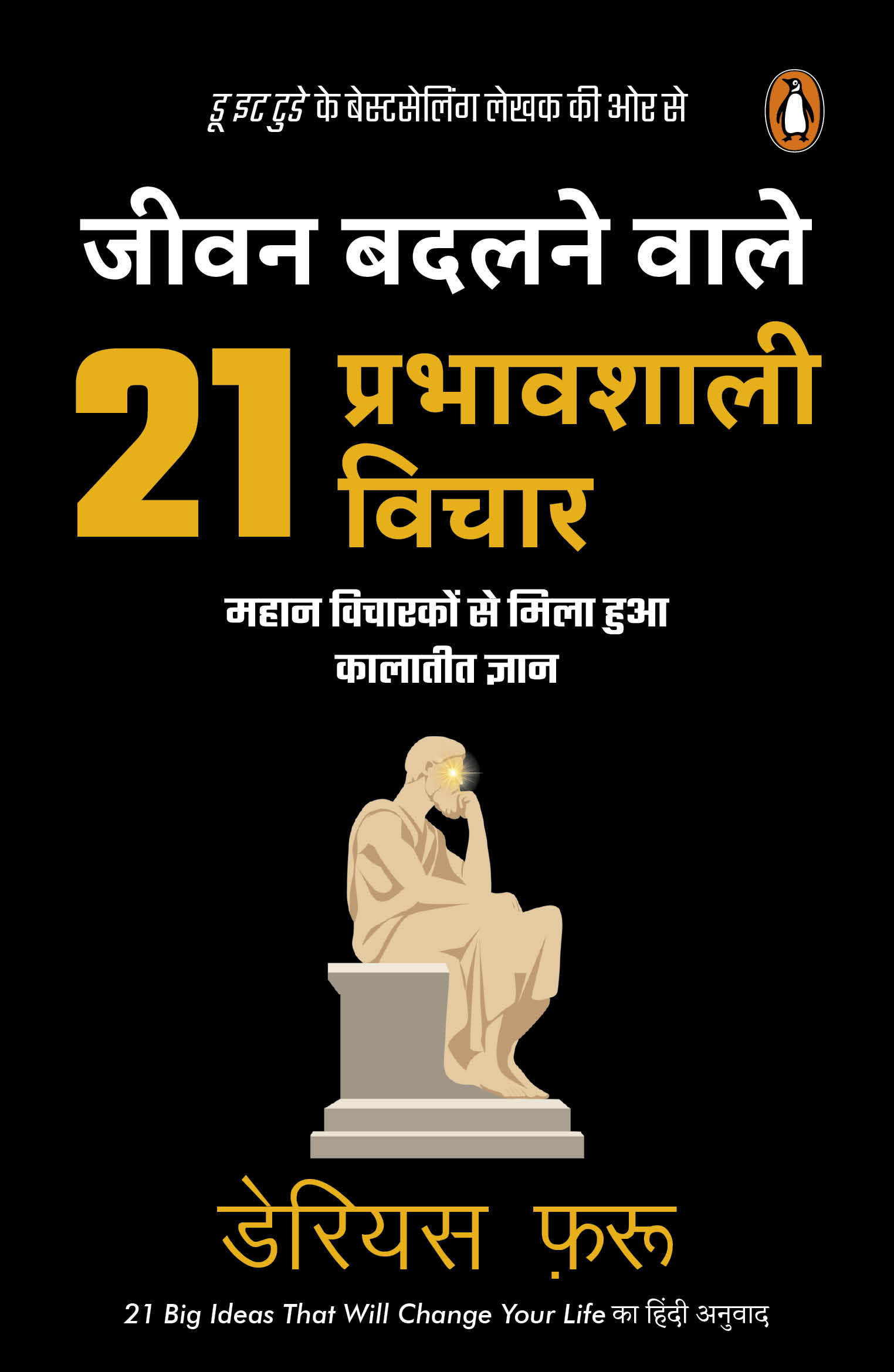
जीवन बदलने वाले 21 प्रभावशाली विचार एक प्रेरणादायक पुस्तक है, जो इतिहास के महान विचारकों से चुने गए 21 विचारों को सरल और व्यावहारिक रूप में प्रस्तुत करती है। यह पुस्तक आपको सिखाती है कि कैसे सोच में बदलाव लाकर आप अपने जीवन में स्पष्टता, संतुलन और उद्देश्य ला सकते हैं। आधुनिक जीवन की उलझनों में यह किताब एक मार्गदर्शक की तरह काम करती है, जो आपको आत्मचिंतन और सार्थक बदलाव की दिशा में प्रेरित करती है।
New Writing in India
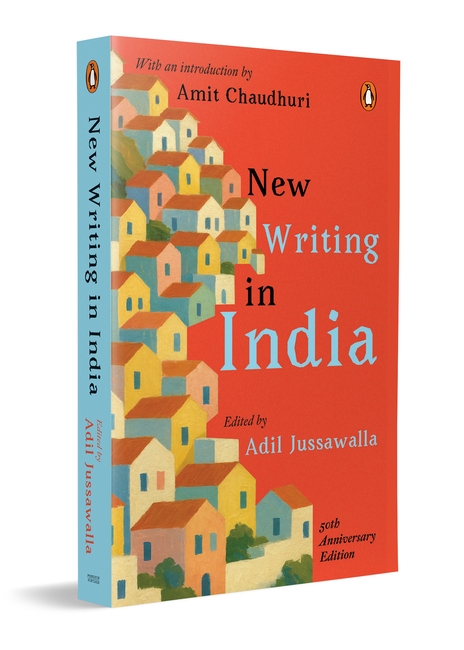
Adil Jussawalla’s anthology of Indian writing was first published in 1974. Today, more than half a century later, it remains one of the landmarks of our literature, featuring writers from various Indian languages, including English, whose works have stood the test of time.
The book traces a map of what Jussawalla calls ‘literary and linguistic cross-currents’, through the writings of Nirmal Verma (Hindi), Sunil Gangopadhyay (Bengali), Bhalchandra Nemade (Marathi), P. Lankesh (Kannada) and Ashokamitran (Tamil), among other literary greats.
This anthology challenges the colonial notion of Indian literature as a collection of exotica as well as the terrible misconception that modern Indian writing is an inferior mimicry of Western forms. What we have here is a literary record that stands out for the originality of the voices it contains and yet underscores a set of shared themes and artistic concerns that galvanized these writers and brought them together.
When this book was first published, the pieces collected here were barely a decade old and hence were presented under the rubric of ‘New Indian Writing’ of the time. But as Amit Chaudhuri reminds us in his introduction to the anniversary edition, the term ‘new’ in the title is not merely a reference to recency but to a ‘self-replenishing, revolutionary’ quality that never diminishes in great literature.
Ezra Pound once said that literature is news that stays news. New Writing in India bears testament to those words and to the multifarious tradition of Indian writing.
Somehow: Thoughts on Love
THE #1 NEW YORK TIMES BESTSELLER
Love is our only hope. It is not always the easiest choice, but it is always the right one, the noble path, the way home to safety, no matter how bleak the future looks.
In Somehow: Thoughts on Love, Anne Lamott explores the transformative power that love has in our lives: how it surprises us, forces us to confront uncomfortable truths, reminds us of our humanity and guides us forward.
In each chapter, Lamott refracts all the colours of the spectrum. She explores the unexpected love for a partner later in life. The bruised (and bruising) love for a child who disappoints, even frightens. Drawing from her own life and experience to delineate the intimate and elemental ways that love buttresses us in the face of despair, she galvanises us to believe that tomorrow will be better than today. The lessons she underscores are that love enlightens as it educates, comforts as it energises, sustains as it surprises.
Full of the compassion and humanity that have made Lamott beloved by millions of readers, Somehow is classic Anne Lamott: funny, warm and wise.
She & Hers
What really is the true definition of love? That which we set, or that which our bodies define?
When Yash meets Renu, they quickly move from the physical to the metaphysical plane where Renu’s story is unfolding itself in ways that it begins to shake Yash’s world. And as he starts to question his ideas of manhood, of love, of normalcy, he also helps build another world—a world of love, inhabited and unsullied by men.
From delicate layers of human emotions, the author builds a narrative that shows a mirror to patriarchy and redundant notions of love. He punctures the ideals of male gaze and male superiority and jabs a finger at societal norms and the idea of ‘normal’.
She & Hers is not just a story of queer love, it’s also a multidimensional lens under which each character though flawed, seeks a life of fulfilment and understanding.