From the #1 New York Times and USA Today bestselling author of Things We Left Behind
Riley Thorn and her hot, tattooed, private investigator boyfriend Nick Santiago are all moved in to their new fixer-upper. Not only do they finally have their own place, they also haven’t found any new dead bodies on the premises.
Yep. It looks like summer is over and so is Riley’s bad luck. Or is it?
When Nick gives up sleeping and showering to obsess over the cold case that still haunts him, his intrepid business partner Mrs. Penny is calling the investigative shots. It’s every bit as bad as you can imagine.
Meanwhile, Riley has her hands full fixing up the crumbling crime scene they call home and setting boundaries with the breaking-and-entering octogenarians next door. You know. Normal stuff.
But normal comes to a screeching halt when Riley is abducted by a stranger, and her psychic powers go on the fritz. To make matters worse, it becomes clear that Riley’s new house guests are either in trouble or are trouble after bad guys deliver a warning with a severed finger.
Can Nick and Riley solve the case the old-fashioned way before they all end up in pieces? Or will a surprise birthday party, a dog doody bandit, an accidental arson, and a blast from the past be too much for them to handle?

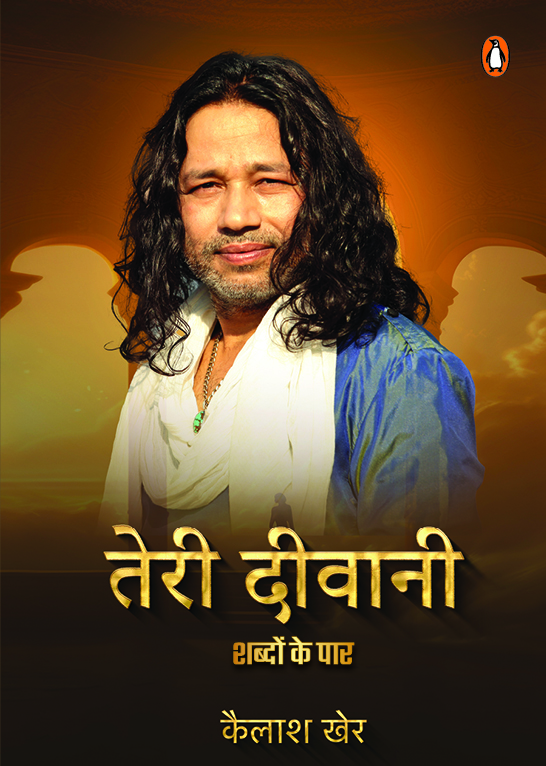
कैलाश खेर का संगीतमय संस्मरण कही जा सकने वाली यह पुस्तक तेरी दीवानी : शब्दों के पार पाठकों को उनके 50 प्रमुख गीतों के पीछे की कहानियों और प्रेरणाओं के माध्यम से एक अंतरंग यात्रा पर जाने के लिए आमंत्रित करती है। इस पुस्तक की हर रचना में निहित भावनात्मक और रचनात्मक प्रक्रियाओं की भावुकता से खोज साफ दिखती है। इसमें कैलाश एक कलाकार के रूप में अपने व्यक्तिगत विकास और अपने संगीत के शक्तिशाली प्रभाव को सामने लाए हैं, जिसके लिए वे जाने जाते हैं। महान संगीत को आकार देने वाले उपाख्यानों, भावनाओं और प्रेरणाओं को साझा करते हुए, कैलाश खेर ने ‘सैयां’, ‘तेरी दीवानी’ और .‘अल्लाह के बंदे’ जैसे अपने सबसे प्रिय गीतों की उत्पत्ति का विस्तार से विवरण दिया है। इसमें वे न केवल अपनी संगीत उपलब्धियों का जश्न मनाते नज़र आते हैं, बल्कि पाठकों को इन भावपूर्ण धुनों की गहरी समझ और अंतर्दृष्टि भी प्रदान करते हैं।

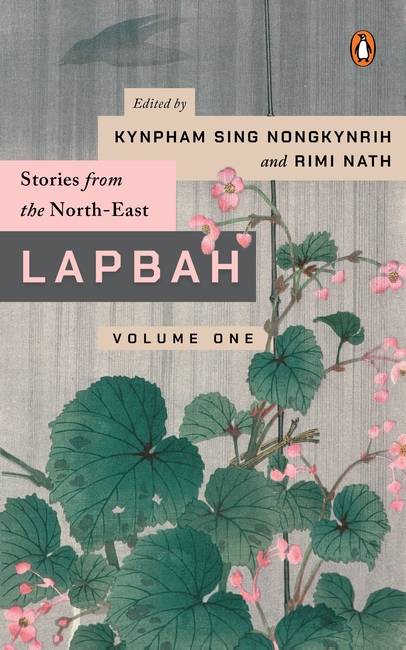
A collection as unprecedented as it is captivating, Lapbah—a title inspired by Lapbah Sohra, Sohra’s monsoon deluge—is a magnificent anthology in two volumes that brings together fifty-seven compelling tales by fifty-two of the finest writers from the North-east. It presents, for the first time, voices from all eight states of the region, seamlessly blending original works in English with masterful translations of those written in the regional languages.
The collection offers a rich tapestry of themes and styles through writing by the likes of Indira Goswami, Temsüla Ao, Mamang Dai, Anjum Hasan, Homen Borgohain, Saurabh Kumar Chaliha and Lummer Dai. The stories, emanating from the many different linguistic, literary and ethnic cultures, range from the traditionally heart-rending tales of Arup Kumar Dutta and Rashmi Narzary to the darkly humorous social and political satires of S.J. Duncan and Wan Kharkrang and the fantastical worlds of Jahnavi Barua and Harekrishna Deka, where reality mixes freely with the surreality of dream and fantasy.
Lapbah, compiled and edited by Kynpham Sing Nongkynrih and Rimi Nath, is a celebration of voices as diverse and multifaceted as the region itself, offering readers a profound and moving literary experience.

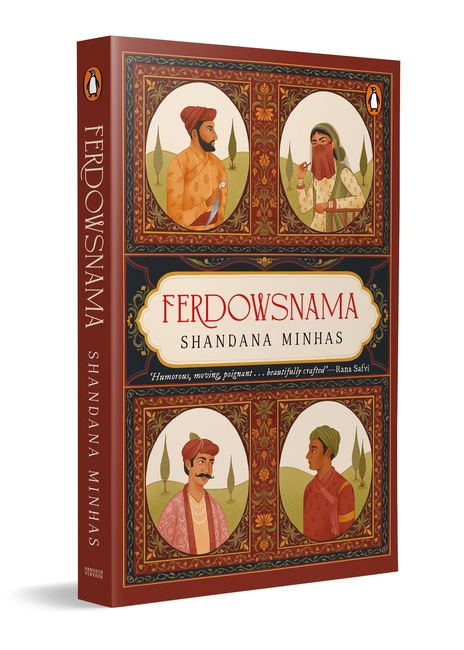
In sixteenth-century India, warrior Amar Singh, tracker Jingu, artist Qamaruz Zaman and fire-scarred scholar Ferdows travel through a land teeming with clans, languages and deities, stealthily rigging the emperor’s dominion over man, beast and demon.
The unlikely quartet prove adept at engineering spectacles reflecting the Great Moghul’s divine right to rule. Qamaruz Zaman and Jingu’s acting abilities are as sublime as their sketching and tracking; Amar Singh excels at violence; and Ferdows is a skilled linguist and healer. In a series of disguises, they intercept a rogue elephant attacking a riverside caravanserai, face a liger in a subterranean complex under a desert kingdom, and confront a demon in an animistic community in a remote mountain valley. The Great Moghul takes credit for each hunt, and this strategy of empire expansion seems to be working.
But there are challenges. Qamaruz Zaman is frail, hedonistic and allergic to fur. Jingu has dreams of transcending his caste but fears they will only ever be dreams. Ferdows is on a hunt but doesn’t like hurting things. And Amar Singh is a narcissist who cares only about honour and reclaiming lost glory. By the time the quartet reaches the harem city of Zikri to investigate a mysterious death during a symposium on metaphysics, the differences of temperament, belief and ambition between them are causing issues.
In Zikri, Jingu and Qamaruz Zaman are sidelined, Amar Singh learns there is an imperial hunter other than the Great Moghul, and Ferdows the storyteller becomes the story.

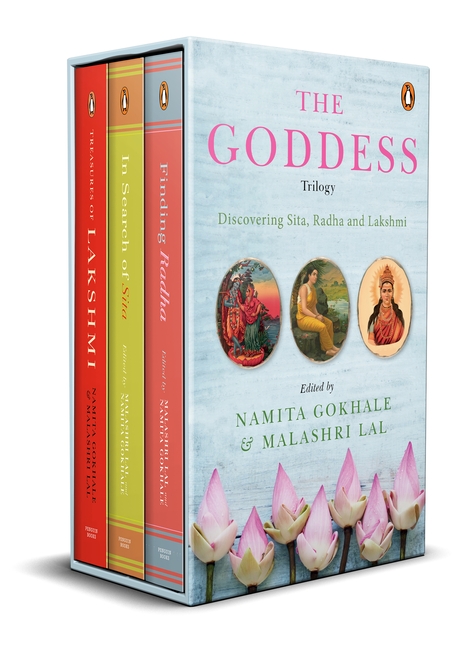
Step into the timeless world of three extraordinary goddesses—Sita, Radha, and Lakshmi—through this landmark trilogy by Namita Gokhale and Malashri Lal. These anthologies bring to life the strength, passion, and mystique of Sita’s resilience, Radha’s transcendent love, and Lakshmi’s abundance. Exploring mythology, literature, art, and lived traditions, this collection invites readers to rediscover the power of these iconic figures and their profound influence on Indian culture and imagination.

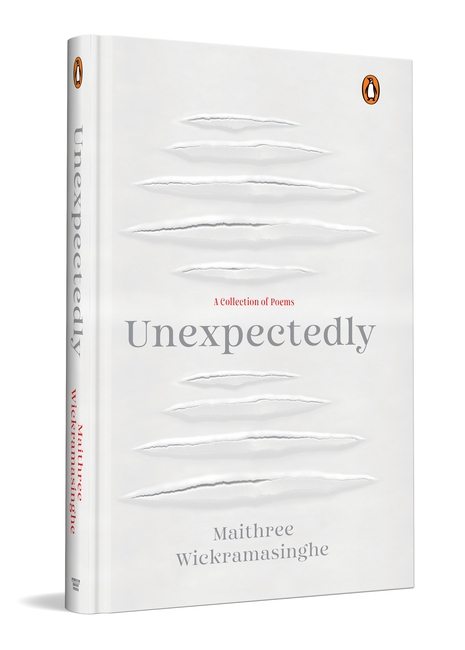
Unexpectedly is a poetry collection that captures life in Sri Lanka from the 1970s onwards—written from the inter-space of war and peace, the throes of the pandemic, and the edge of political chaos and personal crisis.
It is a moving treatise that sweeps from the personal to the political, to the social, to the cerebral and the philosophical. The themes traverse from universal topics such as humanity, time, feminism, violence, and
death to the experiential—the author’s life in academia, her encounters with diseases, and the gains and costs of her husband’s political career.
Written in a medley of poetic voices that are passionate as well as tranquil, measured as well as nonchalant, ironic as well as sincere, these poems are haunting and imaginative, at once instinctive even as they are historical.
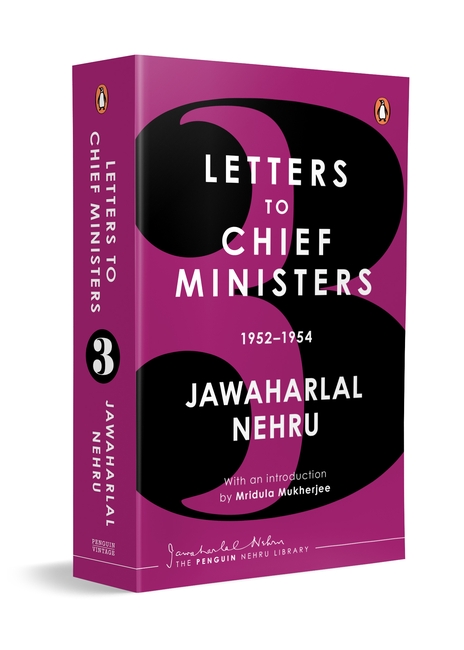
The third volume of Jawaharlal Nehru’s Letters to Chief Ministers spans from mid-1952 to mid-1954. They delve into the nation-building efforts of a young republic. Addressing challenges in planning, land reforms, community development, and administration, as well as the integration of the North-east frontier, these writings reflect Nehru’s vision and the complexities of shaping India’s future.
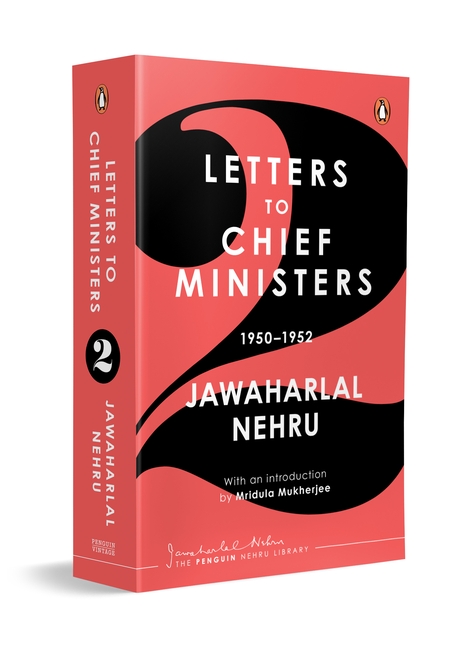
The second volume of the Letters to Chief Ministers captures Nehru’s reflections during a defining phase of India’s democracy, from the adoption of the Constitution to the establishment of the first elected government. Through these letters, Nehru shares his thoughts on the challenges and aspirations of shaping a nation under its new framework of governance.
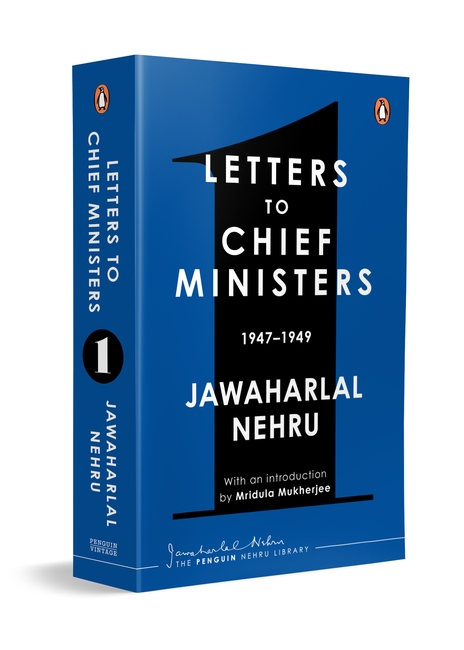
In the turbulent aftermath of the partition and the subcontinent’s struggle for independence, Jawaharlal Nehru’s letters to his chief ministers reveal a leader grappling with the human and political upheavals that defined the nation’s early years. Volume 1 of the 5 Letters to Chief Ministers covers events like the massive migrations, princely state conflicts in Junagadh, Kashmir and Hyderabad, and the challenges of unity amidst chaos. These writings offer a vivid glimpse into the making of modern India.