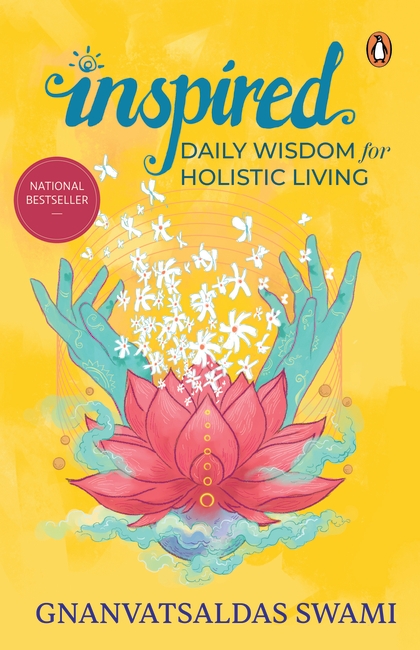
Life often feels like an endless race, pulling us in every direction, yet leaving us drained and disconnected. Amidst the chaos, how can we find clarity, strength, and peace?
The answers we seek aren’t out there—they lie within. To transform the world around us, we must first master ourselves. Yet uncovering this truth requires a moment to pause, reflect, and explore life’s deeper meanings.
Gnanvatsaldas Swami, a Hindu monk, global speaker, and spiritual mentor, has spent over 30 years sharing timeless wisdom with modern relevance. Drawing on the teachings of his gurus, Pramukh Swami Maharaj and Mahant Swami Maharaj, as well as personal stories and insights from over 15,000 talks worldwide, he makes profound ideas practical and accessible to all. Now, for the first time, he reveals this wisdom in his debut book.
Through compelling storytelling and concise, powerful chapters, Swami empowers readers to overcome inner struggles and embrace lasting success. Whether seeking inspiration or a clear path to personal growth, this book will ignite your journey.

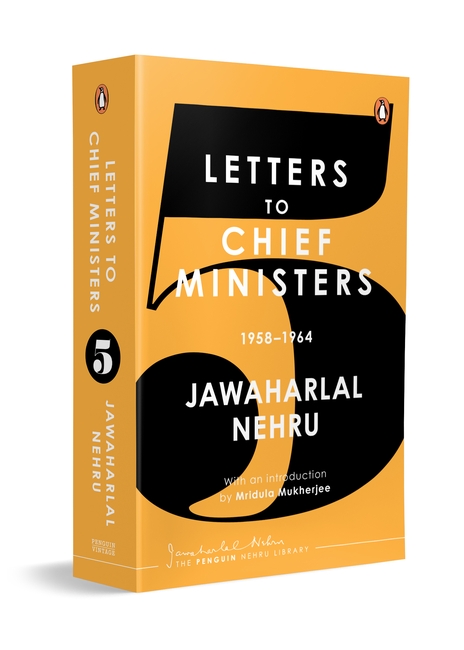
The final volume of Nehru’s letters captures his leadership during some of India’s most challenging years. From the Chinese aggression of 1962 to his unwavering commitment to non-alignment and development, these letters reflect a leader confronting external threats and internal transformations. Nehru’s focus on land reforms, education, and rural progress underscores his belief that a resilient nation is built from within.
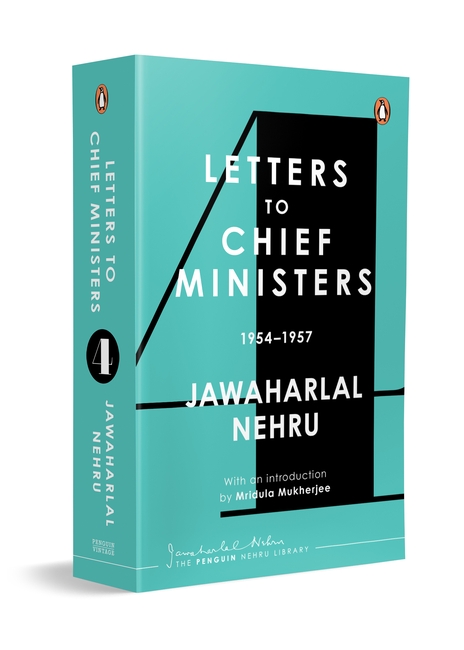
This volume captures Nehru’s reflections during a period of growing global influence and domestic optimism. From advocating non-alignment at international forums to addressing the successes and challenges of India’s economic plans, these letters offer a glimpse into his vision for a young nation finding its footing in a changing world.
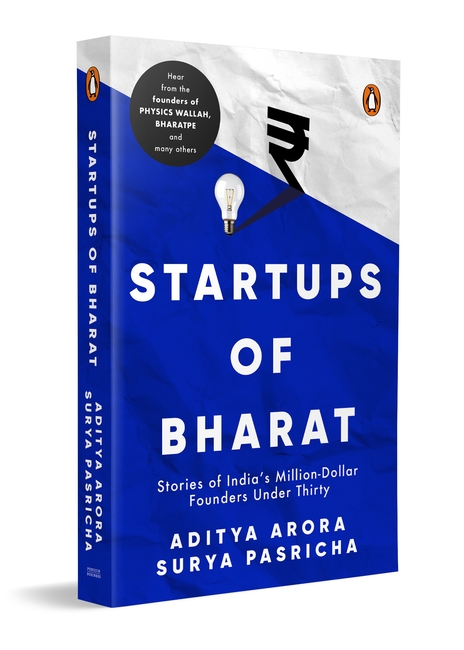
India has produced thousands of startups and several unicorns, who have created millions of jobs. However, more jobs are needed to accommodate the country’s rising population. So what is the solution? We need more startups in the country. Startups of Bharat offers much-needed guidance on embracing entrepreneurship. Using case studies such as Physics Wallah, BharatPe and many others, it provides a ringside view of a founder’s journey—from ideation to problem-solving to scaling.
The book includes the RISING framework, an original model created by the authors to help readers grasp and apply key learnings. Since each chapter in the book is distinct and self-contained, readers can choose
where to start according to their needs or interests. Startups of Bharat offers advice that is relatable,
accessible and, most importantly, practical. If you’re building or planning to build a startup or just curious about entrepreneurship, the book will surely ignite entrepreneurial ambitions and appeal to the founder in you.

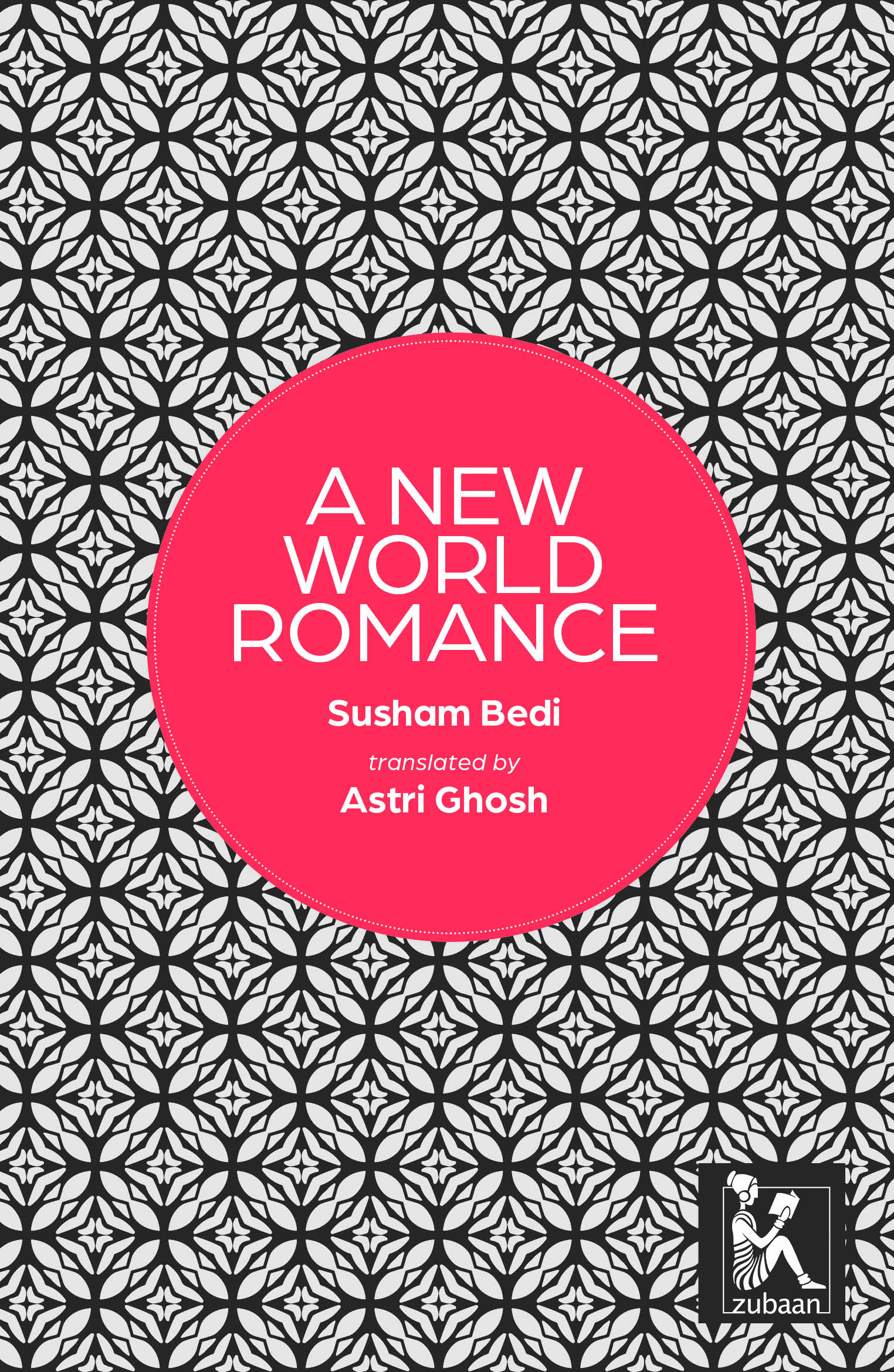
An accidental meeting at a seminar brings Ketaki and Aditya, two academics based in the United States, together. Well established in their careers, with romantic and marital relationships behind them, they are located in different cities in what the author calls the ‘new world’ or Navabhum, while the ‘old world’ or Purabhum has long been left behind. Neither is in search of a relationship, but they find themselves falling deeply and inexorably in love. Even as the new world opens up infinite possibilities, the old world casts its gentle shadow over their lives and touches everything. Where, the author asks, will their love take them? Susham Bedi’s moving and delicately crafted novel is brought to us in this sensitive and nuanced translation by Astri Ghosh.

Long neglected in academic discourse in India, family photographs make a silent contribution to the histories of photography, marginality and the family. In this volume, the writers dwell on the importance of family photographs and their visual omnipresence in our daily lives.
They point out how family photographs have belonged to the ‘vernacular’ material of visual culture, more seen and lived with, less written and consciously thought about. Attempting to retrieve family photographs from a space of neglect, this volume demonstrates how they are fundamental to the microhistories of a nation and its many societies, and suggests the importance of such counterarguments to the dominant strains in an emerging discursive space.
The essays do not offer a comprehensive survey of all types of family photographs in India. Instead, they present focused insights into chosen areas of interest on the part of the writers. Collectively, they embrace the intersectionalities of gender, caste, class and regional trajectories, making the politics of representation even more layered with contestations between the historical, oral and affective memorialisation surrounding family archives and photographs. These concerns centrally inform the essays, as they accept and negotiate a terrain shared by all types of narrativisation.
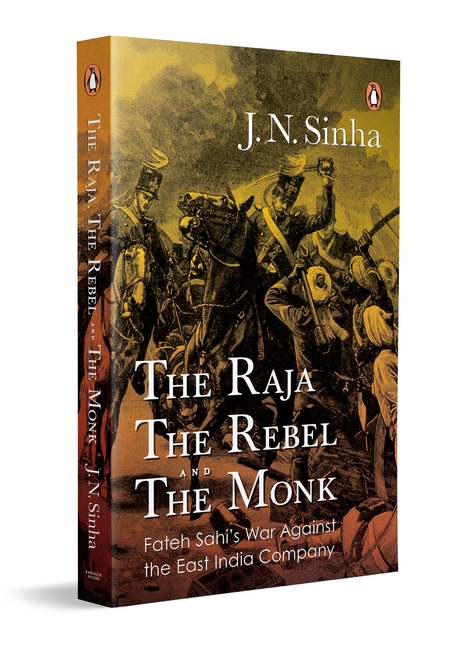
In late eighteenth century India, an obscure king who ruled over Huseypur in northwest Bihar, challenged the might of the British. When overpowered by the East India Company forces, he escaped into the jungles of Gorakhpur, raised a people’s army and fought a guerilla war against them for nearly thirty years. Beaten many times, he always bounced back and did not surrender ever.
He was Maharaja Fateh Bahadur Sahi.
A warrior, patriot and innovator, Sahi visualised the dangers of impending imperialism and rose to meet the challenge. He devised new war logistics and resorted to guerilla warfare, including ascetics, destitute and bandits in his unique army. This happened years before the Indian Revolt of 1857 and the revolutions in America and France.
Mainstream history is yet to look at him, but in the middle-Ganga valley, Sahi is remembered as a folk hero and a people’s king.
This work is an effort to unravel Sahi’s unusual life. How did he operate and survive for so long? Could he be considered the progenitor of India’s first war of independence? The Raja, the Rebel and the Monk attempts to answer.
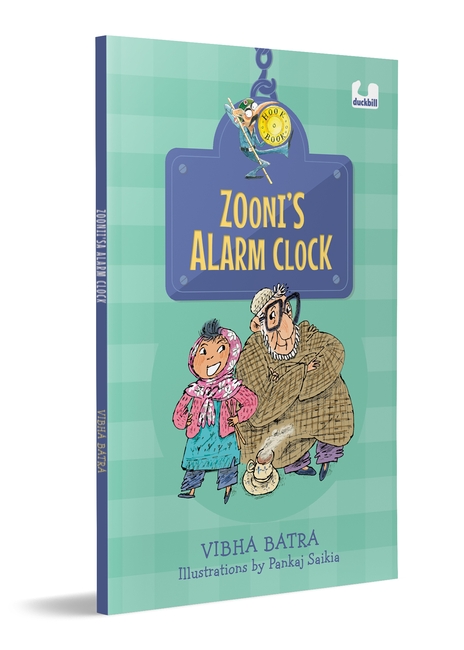
Bud Bab’s drum is broken. Who will wake the village early every morning during Ramzan?
About the Hook Book Series
In a world where children’s books often feel cut from the same cloth, Hook Books stand out as a vibrant blend of imagination, humour, and heart. Crafted as a bridge between picture books and early chapter books, this series delivers stories that spark joy and wonder, while remaining rooted in age-appropriate learning.
Hook Books keep the fun going with:
- Short, digestible bits of text (perfect for budding readers)
- Bright colour illustrations that pull kids into the story
- Themes that speak to the everyday lives of children—plus a sprinkle of whimsy!
From fantasy tales to those that touch on more advanced ideas, Hook Books ensure that young readers are always in for a treat, no matter their reading level. Even better, these books take children on journeys through different parts of India, giving them a taste of the rich diversity of our world through local flavours, landscapes, and cultures. Whether the story takes place in bustling cities or quiet villages, Hook Books make every setting feel like home.
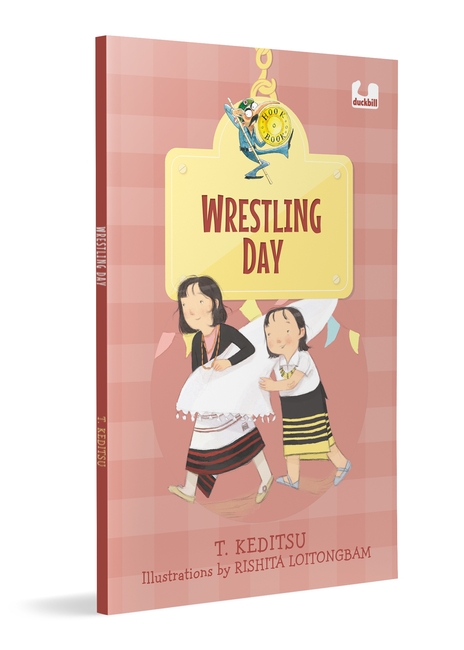
Aneingu is going to wrestle for the first time. Can Areiü make sure nothing goes wrong for him?
About the Hook Book Series
In a world where children’s books often feel cut from the same cloth, Hook Books stand out as a vibrant blend of imagination, humour, and heart. Crafted as a bridge between picture books and early chapter books, this series delivers stories that spark joy and wonder, while remaining rooted in age-appropriate learning.
Hook Books keep the fun going with:
- Short, digestible bits of text (perfect for budding readers)
- Bright colour illustrations that pull kids into the story
- Themes that speak to the everyday lives of children—plus a sprinkle of whimsy!
From fantasy tales to those that touch on more advanced ideas, Hook Books ensure that young readers are always in for a treat, no matter their reading level. Even better, these books take children on journeys through different parts of India, giving them a taste of the rich diversity of our world through local flavours, landscapes, and cultures. Whether the story takes place in bustling cities or quiet villages, Hook Books make every setting feel like home.
The long awaited sequel to the international best-seller, I Love You to the Moon and Back, now in a chunky board book format, with a beautiful and reassuring text, and stunning illustrations from Tim Warnes.
With familiar and lovable bear characters and sturdy pages that are easy for little hands to turn, I Love You Forever and a Day is a heartfelt celebration of each moment of love and laughter shared by a parent and child.
A tender and warm portrayal of unconditional love – perfect to share with little ones night and day. Ideal for fans of Guess How Much I Love You and While We Can’t Hug.