
Once celebrated as Bukhara-e-Hind, and a paradise, Rampur was a world unto itself: a princely state shaped by Pashtun Rohilla ambition, royal courts, architectural splendour, and rich traditions of literature and music. Formally established in 1774, its story is older than what is generally known.
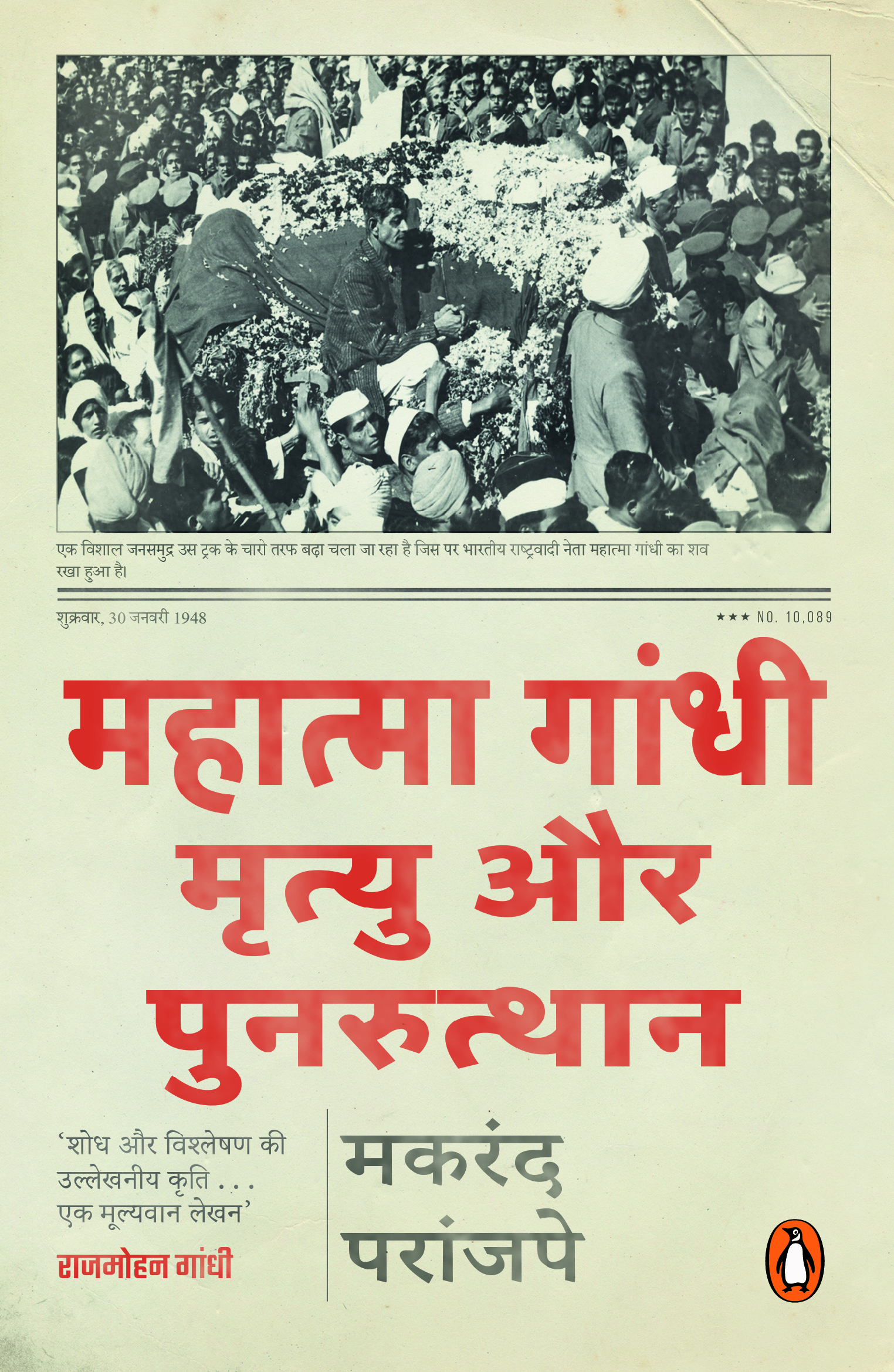
In the aftermath of 1857, Rampur emerged as a sanctuary for literary and cultural life. Its bond with poets like Mirza Ghalib and Dagh Dehlavi, who found a patron in Nawab Yusuf Ali Khan, cements the city’s place in Urdu literary history. Here, courtly refinement, patronage and the syncretic Ganga-Jamni tehzeeb converged into a distinctive inheritance, one that found its final expression in the Gandhi Samadhi, where his ashes still rest.
But political upheavals and time transformed the city, leaving monuments neglected and histories in danger of being forgotten. Yet Rampur’s legacy endures: in its literature, music, architecture, cuisine, and the memories of its people.
Dr Aheed Khan traces Rampur’s rise, decline, and continuing cultural life, blending historical inquiry with the nostalgia of someone who grew up amidst its fading grandeur. Both a biography of a city and an act of remembrance, The Pashtun Paradise recovers a world too often overlooked and asks what it means to inherit a past at risk of being forgotten.
Rampur is more than a footnote in history. It is a city of many identities and extraordinary cultural riches, whose story deserves not merely to be remembered, but rediscovered.


Imprint: Vintage Books
Published: Dec/2026
ISBN: 9789377300999 (Hardback)
Length : 512 Pages
MRP : ₹1299.00