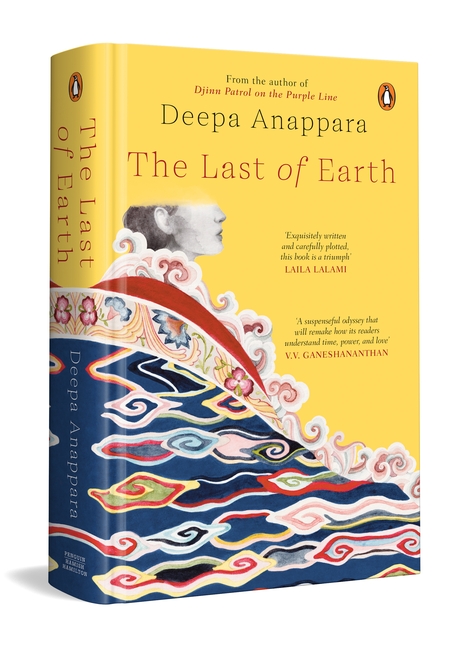
1869. Tibet is closed to Europeans, an infuriating obstruction for the rapidly expanding British Empire. In response, Britain begins training Indians—permitted to cross borders that white men may not—to undertake illicit, dangerous surveying expeditions into Tibet.
Balram is one such surveyor-spy, an Indian schoolteacher who, for several years, has worked for the British, often alongside his dearest friend, Gyan. But Gyan went missing on his last expedition and is rumored to be imprisoned within Tibet. Desperate to rescue his friend, Balram agrees to guide an English captain on a foolhardy mission: After years of paying others to do the exploring, the captain, disguised as a monk, wants to personally chart a river that runs through southern Tibet. Their path will cross fatefully with that of another Westerner in disguise, fifty-year-old Katherine. Denied a fellowship in the all-male Royal Geographical Society in London, she intends to be the first European woman to reach Lhasa.
As Balram and Katherine make their way into Tibet, they will face storms and bandits, snow leopards and soldiers, fevers and frostbite. What’s more, they will have to battle their own doubts, ambitions, grief, and pasts in order to survive the treacherous landscape.
A polyphonic novel about the various ways humans try to leave a mark on the world—from the enduring nature of family and friendship to the egomania and obsessions of the colonial enterprise—The Last of Earth confirms Deepa Anappara as one of our greatest and most ambitious storytellers.
In the glittering rot of Sodom, where opium blooms like dark flowers since time immemorial, Lot, a foreigner, threads his life through shadows—with his wife, daughters, and humanity at stake. Sodom is a modern inferno, devouring its own: Emalath, Bithya, Jachin, mere echoes in its relentless feast. Lot’s solitary compassion fractures the city’s void, his kindness is but a costly lamentation.
The Stain reimagines the biblical scape, a Levantine dreamscape where the known unravels—truth and humanity become questions, not answers.
Translated from the Malayalam by Sangeetha Sreenivasan.

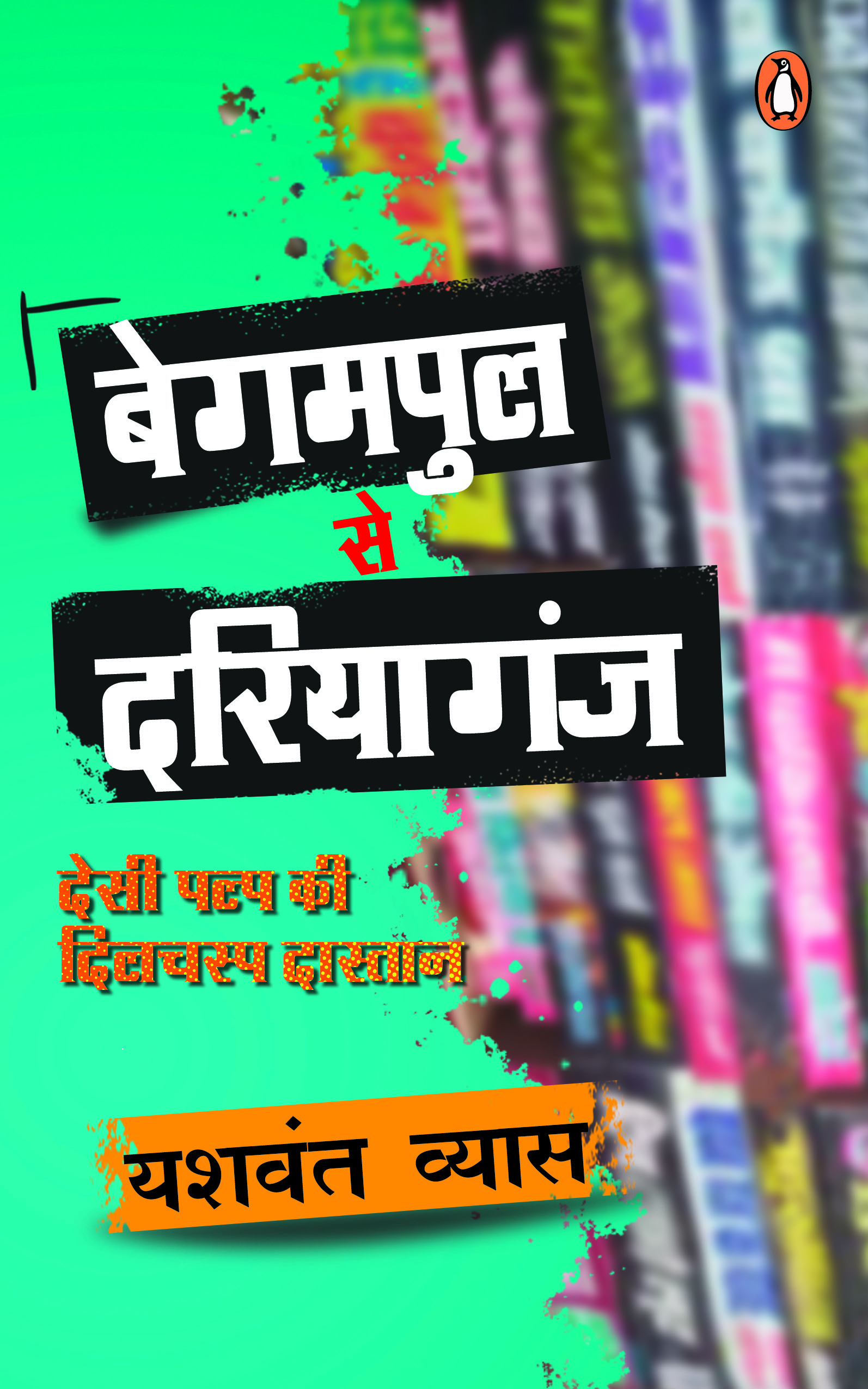
हिंदी पल्प की दुनिया का एक ऐसा अध्ययन जिसमें अंतरराष्ट्रीय प्रेरणाओं और भारतीय भाषाओं के लोकप्रिय साहित्य का सही तरीके से लेखा-जोखा किया गया है। इसमें बातचीत, बैठकें, कहानियाँ, शोध और विश्लेषण शामिल हैं। बेगमपुल एक ऐसी जगह है जहाँ कई पल्प लेखक तब घूमते रहते थे जब मेरठ हिंदी पल्प का बाज़ार हुआ करता था। दिल्ली के दरीबा और खारी बावली से पहले मेरठ के शास्त्री नगर-ईश्वर नगर, वाराणसी और इलाहाबाद (अब प्रयागराज) का बोलबाला था। स्कूली किताबों में छिपकर इसे पढ़ने के लिए पागल पाठकों के लिए यह जादू कैसे पैदा हुआ? “बेगम पुल से दरियागंज—देसी पल्प की दिलचस्प दास्तान” हिंदी पल्प साहित्य के समृद्ध ताने-बाने की एक दिलचस्प खोज पेश करती है, इसकी जड़ों, विकास और इसे आकार देने वाले प्रतिष्ठित व्यक्तियों की खोज करती है। यह उन चहल-पहल भरी सड़कों, जीवंत कवर और आकर्षक कहानियों के प्रति श्रद्धांजलि है, जिन्होंने लाखों लोगों को आकर्षित किया।
…the future of India may lie in unexpected hands.
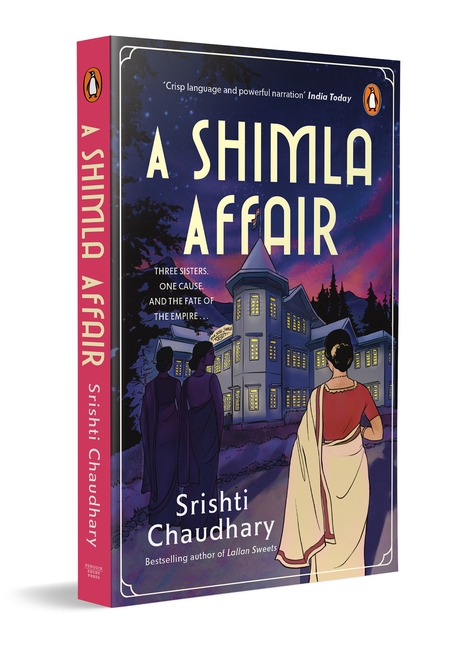
1940, Shimla, British India. Nalini Mistry longs for a life outside of the four walls of her home; reality, however, is different.
Nalini and her two older sisters—Noor and Afreen—run the Royal Hotel Shimla, an opulent establishment that serves British high society. But when an underground revolutionary group asks them to aid a murderous conspiracy during the hotel’s Summer Jubilee Ball, they find themselves thrust headfirst into a dangerous game of lies. It doesn’t help that Nalini finds herself falling for Charles Nayler, a British officer; a man who sees her like nobody else.
As the night of the ball approaches, the sisters are drawn into a web of hidden agendas, shifting alliances, and impossible choices—where nothing is what it seems, and the price of freedom may be everything.
A Shimla Affair follows the story of three women attempting to change the course of Indian independence—for love, duty, and revenge.
In this gripping penultimate volume of the Ponniyin Selvan series, Kalki masterfully draws the threads of intrigue, love, and vengeance towards a breathtaking crescendo.
The Chozha empire reels from the shock of an assassination and finds itself on the brink of chaos. Even as rumours swirl, and conspirators move in the shadows, the question of rightful succession grows ever more urgent.
Fearless and quick-witted, Vandiyatevan navigates treacherous waters as he uncovers secrets that could shatter the royal line. Arulmozhi Varman—torn between personal convictions and imperial duty—must confront the weight of destiny as he stands poised to shape the future of the kingdom.
Meanwhile, Nandini’s tragic past and her thirst for revenge arrive at a critical juncture, pushing key players into making impossible choices.
As destinies converge and sacrifices are made, the stage is set for a climactic resolution that will determine the future of the Chozha dynasty.
In the concluding part of Ponniyin Selvan, the fates of beloved characters and the Chozha empire reach their dramatic fulfilment. Secrets long buried come to light, revealing the true motivations behind Aditya Karikalan’s death and the tragic complexities of Nandini’s life. As Arulmozhi Varman prepares to embrace his destiny, the intricate political and emotional tapestry woven throughout the saga finds powerful resolution.
Vandiyatevan’s courage, Kundavai’s unwavering wisdom, and sacrifices by unsung heroes, converge in a stirring finale marked by love, loss, and redemption. With justice, duty, and fate in tense balance, Kalki delivers an unforgettable climax to a historic epic, an epic mirroring the values, aspirations and achievements he visualised as a writer and liberal humanist, for the future of his own country, and for the world.
Comprising four folktales, Sorthi-Brijbhar, Bharthari-Pingla, Heer-Ranjha and
Saranga-Sadabrij, the book is an anthology of stories influenced by the life, time and teachings of Yogi Gorakhnath—an eleventh-century saint—who propounded an inclusive religious philosophy that laid the foundation of the Sufi and Bhakti movement in India.
Initially, the yogis (mystics) of the Gorakhnath sect would sing these ballads on the tune of the sarangi and move door to door for alms. Originally, these stories existed in the oral tradition passed down from generation to generation in the form of ballads. The ballads are full of fairies, genies, witches, magic healers, witch doctors and ghosts besides angels in the form of Peer Baba (hermits) and sages. Over the decades and centuries, these stories have inspired folklorists, theatre artists and nautch parties to perform in melas (community fairs), religious events and marriages.

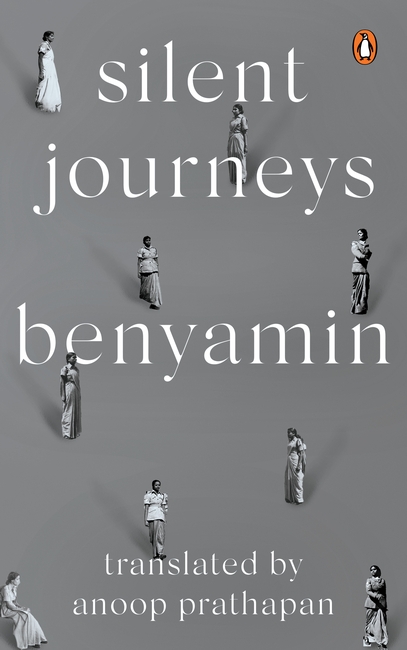
What of the many travels undertaken through history by men and women, in war and peace, that have been unrecorded, invisible, and forgotten?
In Benyamin’s Silent Journeys, we trace the voyage of Mariamma, a young nurse from Kerala who travelled from her hometown in Manthalir all the way across the world. Nothing was known of her journey until many decades later, when a curious great grandson began his investigations only to stumble across a tale of great adventure, hardship, resilience, and love.
The novel reflects upon terrific stories of unaccompanied and courageous journeys that many valiant women, primarily nurses, have made through history, reaching the coldest places in the Arctic, Canada, remote tribal locations in the desert, the interiors of the dark continent, and almost everywhere in Europe
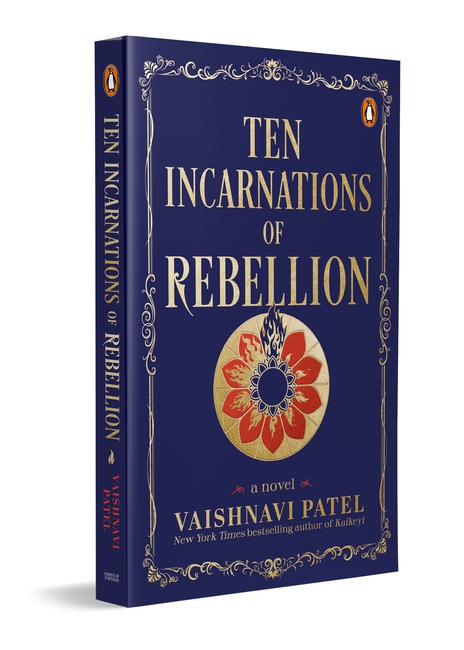
Kalki Divekar grows up a daughter of Kingston—a city the British built on the ashes of Bombay. The older generation, including her father, have been lost to the brutal hunt for rebels. Young men are drafted to fight wars they will never return from. And the people of her city are more interested in fighting each other than facing their true oppressors.
When tragedy strikes close to home, Kalki and her group of friends begin to play a dangerous game, obtaining jobs working for the British while secretly planning to destroy the empire from the inside out. They found Kingston’s new independence movement, knowing one wrong move means certain death. Facing threats from all quarters, Kalki must decide whether it’s more important to be a hero or to survive.
Told as ten moments from Kalki’s life that mirror the Dashavatara, the ten avatars of Vishnu, Ten Incarnations of Rebellion is a sweeping, deeply felt speculative novel of empowerment, friendship, self-determination, and the true meaning of freedom.
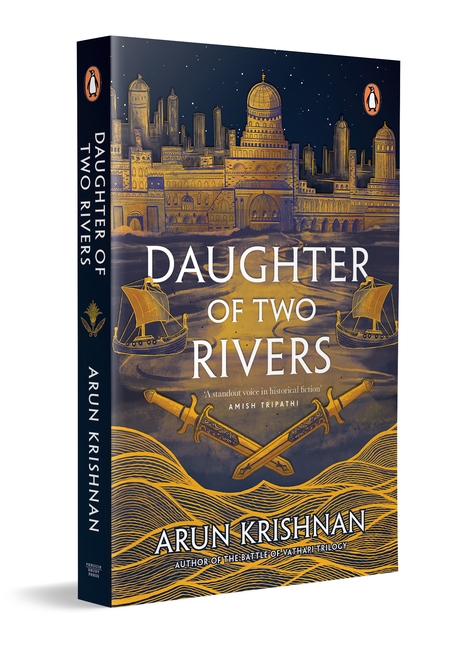
Undergoing a ravaging drought, the riverside settlement of Rohitaka is at odds, struggling to recover from their losses. When a request from Babylon to trade weapons arrives as a blessing in disguise, a trade delegation, headed by prince Arjuna, and the grizzled veteran, Shrutasena, sets off for the faraway kingdom.
An encounter with Lilith, the fierce bodyguard to the Queen, and more importantly, a woman who is hell-bent on despising Arjuna, leaves him flustered. But there’s more to Lilith than meets the eye. The woman is a formidable soldier, but something about her reminds Arjuna of home, Bharatavarsha.
But as fate would have it, Arjun and Lilith find themselves entrenched in a political ploy to overthrow Babylon’s King, Sin-Mubalit. Will they be able to stop the usurpers to the throne? And can they trust each other to have their backs as they do so, even as they’re uncovering new secrets on the go?
Inspired by the twentieth century discovery of a Sumerian tablet off the coast of Mumbai, Daughter of Two Rivers is a homecoming story.
And like all good homecoming stories, it’s a story of learning what home means—across countries, and across time.