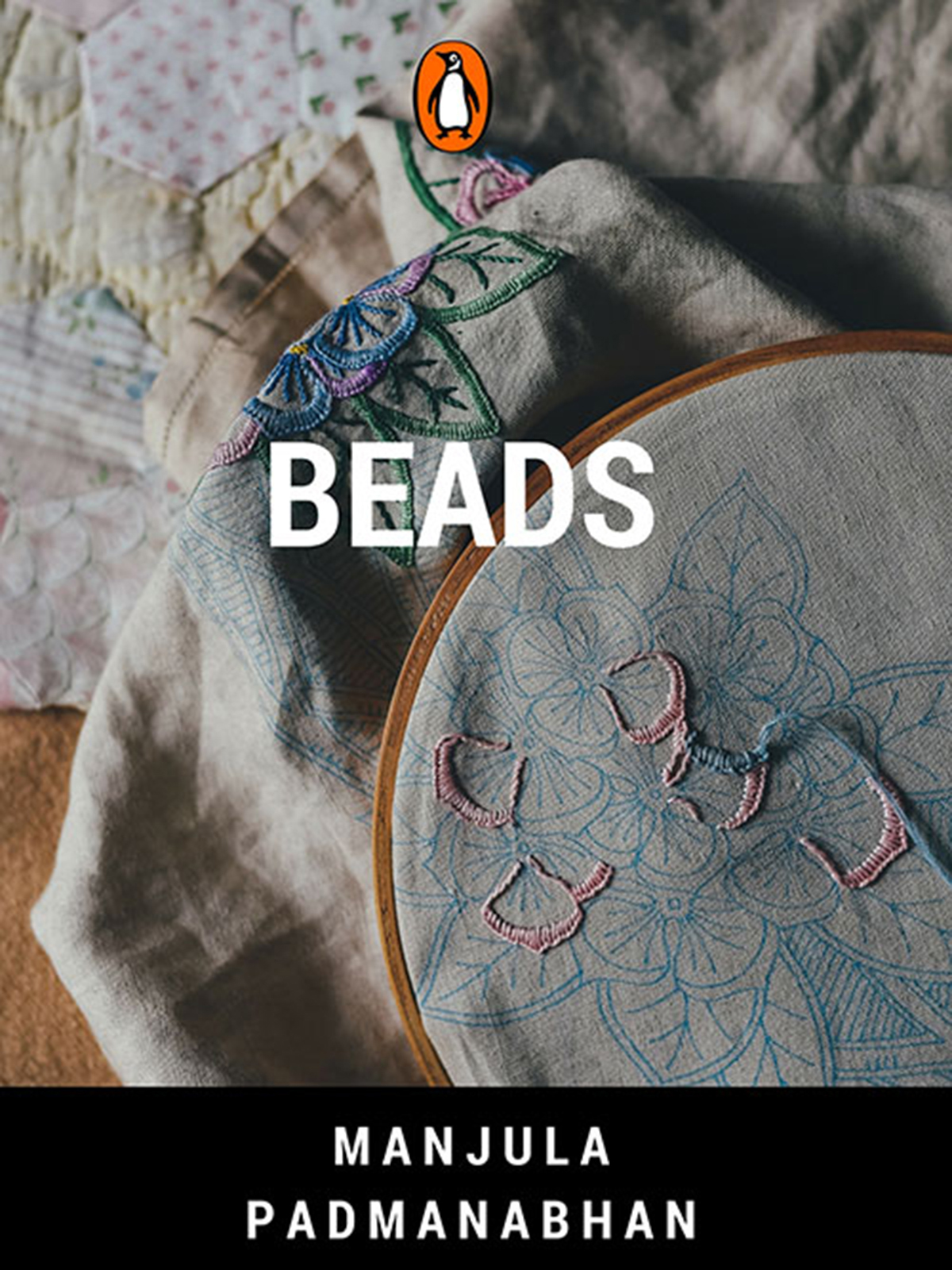
Farida, all of sixteen, has recently taken over her father’s tailoring business and has been working for two English memsahibs in their home for intricate embroidery work on a few pieces. She is extremely talented, and Jenny and Mary are quite impressed. In fact, they’re considering hiring her for a much larger order for their boutique back home. Really, Farida couldn’t have asked for better employers.
The only thing that seems to be bothering Farida, however, is Mickey, Jenny’s teenage daughter, whose blouse she’s currently working on. She dresses funny, looks funny—almost like a boy—and everyone, even the cook, has asked her to stay away from Mickey. But all Mickey wants is to have Farida work in her room—away from the heat in the verandah and maybe even have her food with the rest of them. In Mickey’s opinion, that’s the least they could do for the prices they are paying Farida!
It is strange how issues of race and bias are sometimes so ingrained in us that even as victims we don’t realize something that is so obvious to someone else. Originally written for an anthology of short fiction for teenagers, Beads is a powerful story about the voices that often go unheard in the discourse about racism and privilege.

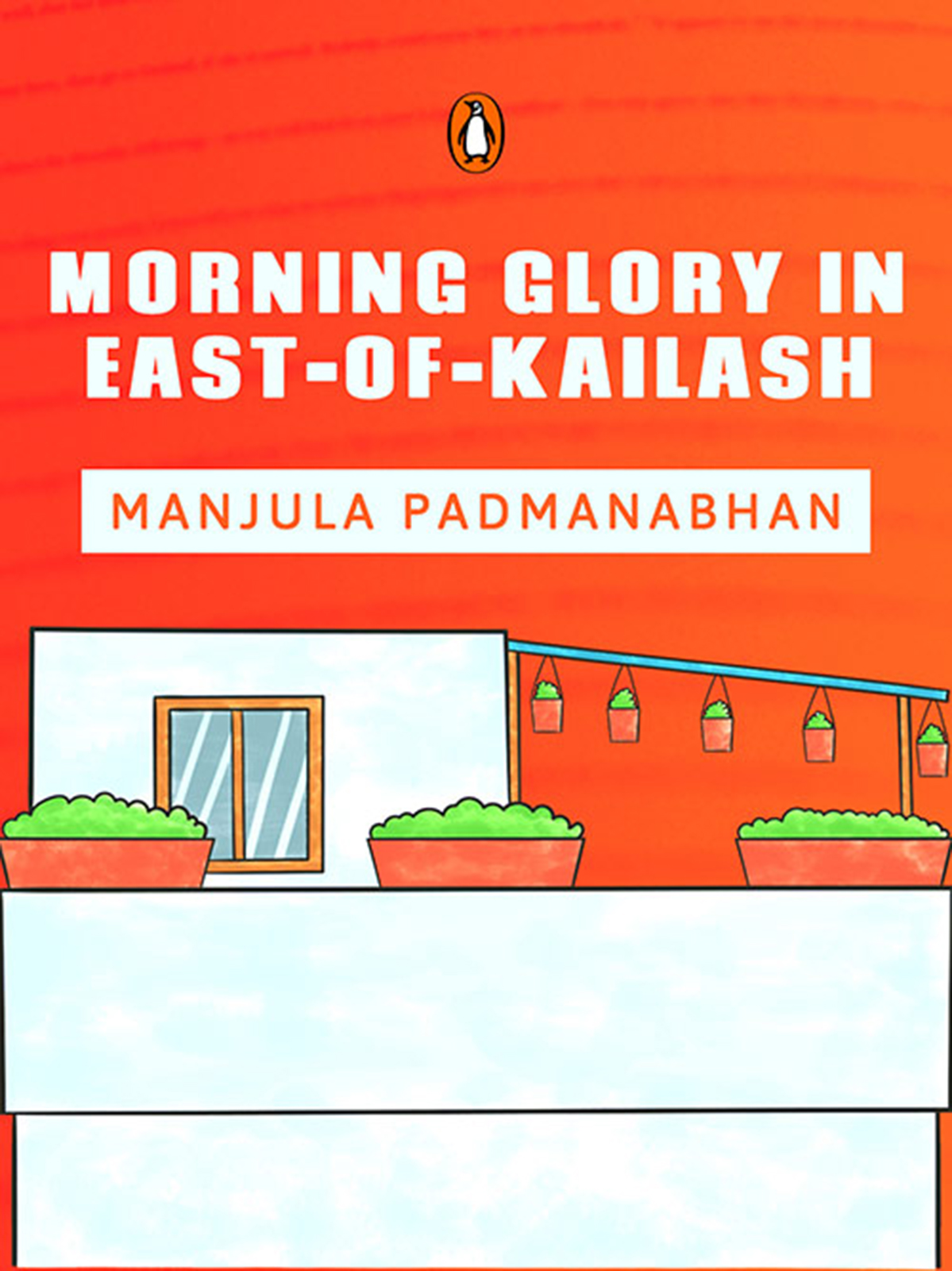
In 1981, Manjula Padmanabhan spent a month in Delhi, living in a barsati in East-of-Kailash in what can only be described as surreal circumstances. As Padmanabhan was about to learn, living with two gay men (one of them, a fellow artist and alcoholic), their (unofficially) adopted Nepali son, a transvestite (bordering on perverse) cook, two spaniels and a Chihuahua (in heat) is far from standard.
The house that had so far been an all-male ménage soon shifts in varying degrees in the presence of an unambiguous, ‘normal’ female. But there is and always has been a deep undercurrent of pathos constantly fed by the recurring characters making an appearance upon the barsati’s peculiar stage. It is a month that doesn’t go by as quickly as a month normally does but it is one full of revelations—for Padmanabhan and her housemates.
Morning Glory in East-of-Kailash is Manjula Padmanabhan’s most non-fictional fiction piece. Almost a semi-fictional essay, this short but poignant read is as rewarding as it is beautifully written.
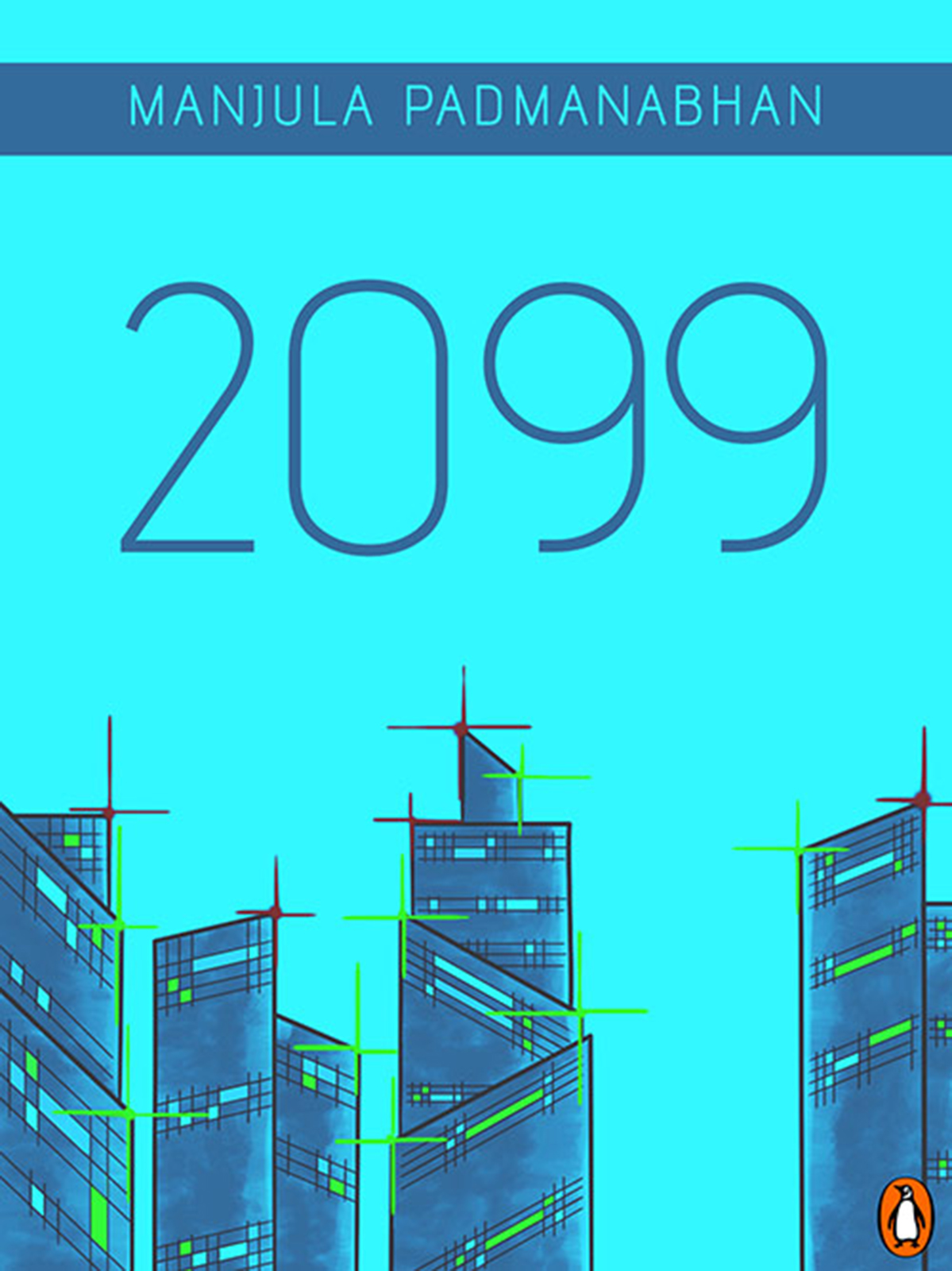
The year is 2099 and Mr M, erstwhile editor of a prestigious newsmagazine, has just come back to life after eighty-two years in the PSP—the Perma Sleep Programme. While revival experts work on him to make his transition into the new era as smooth as possible, Mr M can’t wait to find out all there is to know about what the world is like in 2099. His journalistic curiousity can hardly contain itself.
The world has indeed changed. It is a whole lot different than what Mr M remembers it from when he was last alive. After the two atomic bombs that had detonated in quick succession in 2015, Mr M had signed up for PSP, having faith in the power of the future. Can 2099 really live up to Mr M’s commitment to knowledge or his faith in the future?
2099 is an excellent example of a prolific author like Manjula Padmanabhan using science fiction for social commentary. Her take on what the end of this century could very well look like attempts to answer those questions that we, as humanity, desperately need to address.
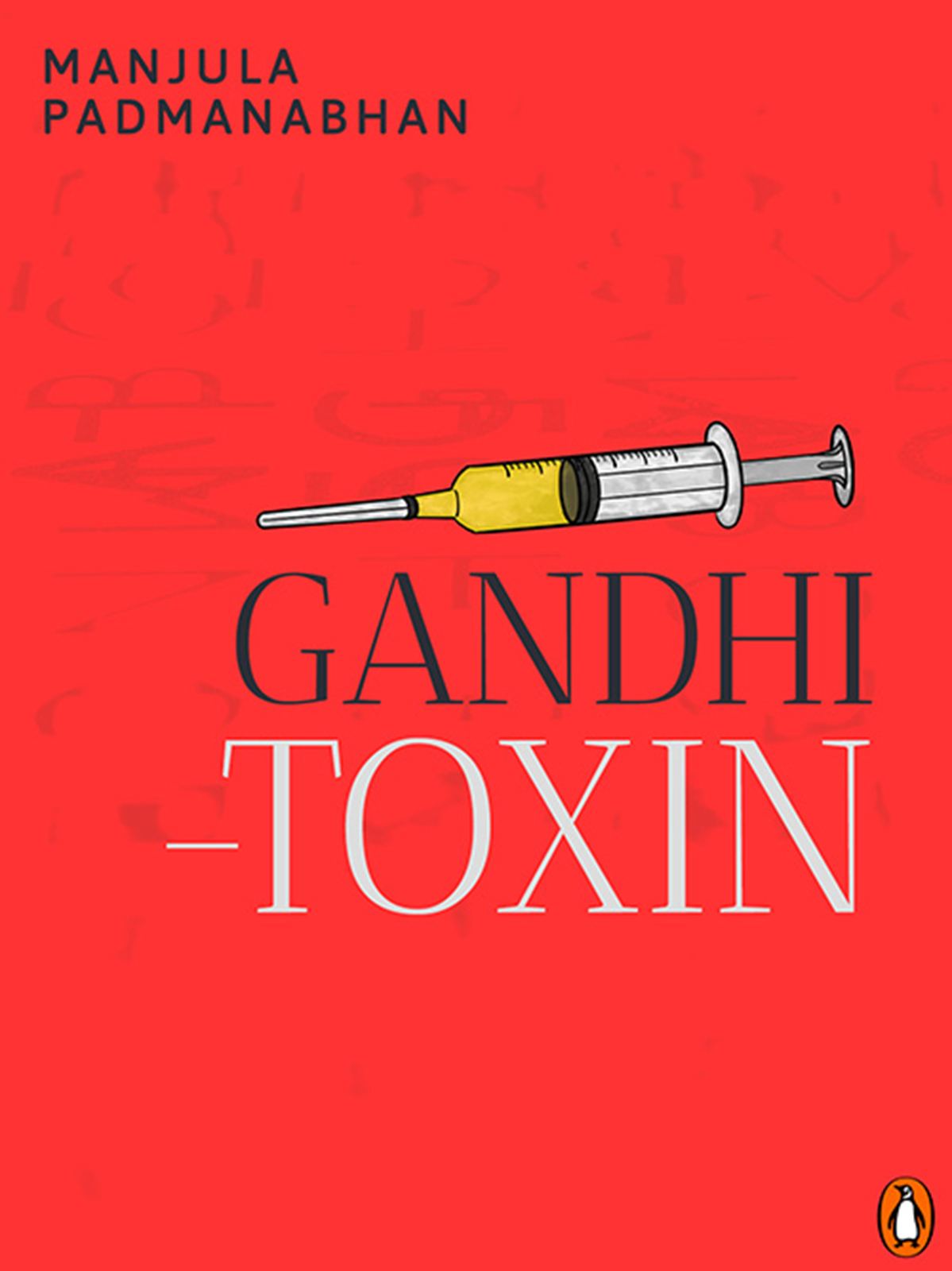
Sitaram Desai, a researcher and the scion of third cousins from Mahatma Gandhi’s bloodline, has just managed to invent a toxin from a vial of ashes belonging to the greatest man the Indian subcontinent has ever seen. The Gandhi-toxin, when diffused through the blood, has the ability to disarm aggression vectors in mammalian brains. Of course, if mass-administered, it can cause catastrophic pacifism and widespread loss of competitive urge—a formidable weapon indeed.
Aidid and Isabella, Supreme Commanders at United Gene Heritage, are aware of the threats, which is why they launch a mass release of the toxin through specially engineered mosquitos that can even cross enemy lines. However, no one has ever managed to predict the long-term effects of genetic manipulation and it looks like the Supreme Commanders are in for a supreme surprise.
Science fiction often manages to look closely at present-day issues through a fairly made-up world. In Gandhi-toxin, Manjula Padmanabhan cleverly uses her literary prowess to build a dystopian—although not entirely unbelievable—near future to make a point about the world we live in today. Funny and incisive, this short read is for anyone who’s ever wondered about the future of our world.
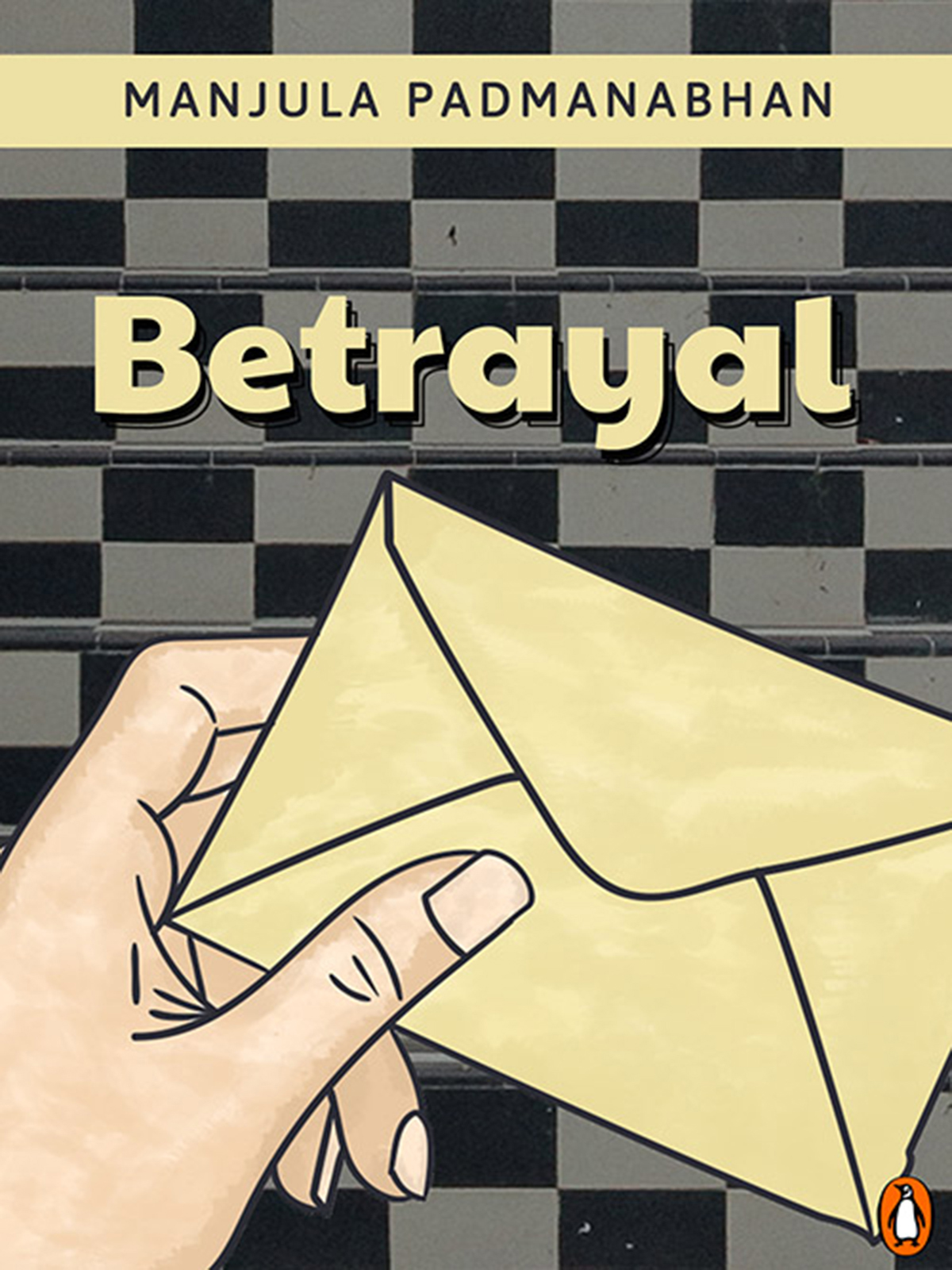
Maya and Angie may have been best friends since boarding school but they are far from equals. Maya, a child of divorce, has always been a little too wordly for the innocent Angie, something that is evident to anyone who see them interact. Things, however, take a strange turn when Maya discovers she’s pregnant with her ex-boyfriend Nick’s baby. Before she knows it, Angie has become a messenger between the two disgruntled ‘adults’, although in trying to resolve things as best as possible she is simply getting entangled in the mess further.
Manjula Padmanabhan is a writer who never shies away from exploring the greyest of grey in her characters, whether it is through Maya’s attitude towards her father’s questionable actions or Nick’s controversial theories about consent.
Based on a real incident involving Padmanabhan’s friend, Betrayal does an excellent job of holding a mirror to the darkness within us, forcing us to confront it at once.
In this brilliantly versatile collection of stories from the award-winning author of Harvest, the reader will encounter a range of themes, from murder mystery to science fiction. The author’s vision of a post-apocalypse future is dark, but rendered with a rich vein of irony and humor that allows us to roller-coast with her into a world where air and water and the earth itself take on new shades of meaning. Then there are the here-and-now stories of bodies turning up in backyards, of love betrayed and sexuality discovered, of bitter awakenings and upbeat endings. Intelligent, opinionated, and playful, this is a collection that defies limitations of time, space, and imagination to conjure up new morality tales for our time.
We all know how Hanuman wreaked havoc upon the golden city of Lanka when he visited Sita as Ram’s messenger. But what a lot of us aren’t familar with are the insightful conversations they had then.
From discussing the difference between how Vanaras and Manavas think, to discussing the moralistic details of situations, this discourse between Sita and Hanuman is both unexpected and thought-provoking.
An interesting insight into one of the most popular sections of the epic, the Sundar Kand, Hanuman in Lanka is riveting, enlightening, and entertaining, as all of Devdutt Pattanaik’s writing is.
Ram and Sita’s wedding is a well-recognized visual in India, especially because of how Ram manages to break Shiva’s mighty bow, proving that he was indeed destined to be Sita’s husband. But the beauty of the story lies in its details. It is to be found in the tender moments the couple shared when they first laid their eyes on each other at Vishwamitra’s ashram. It lies in the realization that the union of Ram and Sita, along with the union of Ram’s brothers with Sita’s sisters, has been in the making since the time of Prithu, the first king.
From Parashurama to Tadaka to Ahalya to Ganga, the story of Four Brides for Four Brothers is a fascinating melange of characters and events. And there is no one better to tell that story than Devdutt Pattanaik with his masterful illustrations.
Read on to discover the events that led to the union of two of the most enigmatic characters of Hindu mythology.
For all the action associated with the Ramayana, people sometimes forget how uniquely fascinating the birth of the two protagonists was. While one was discovered in a field that was being ploughed, the other was borne out of a powerful potion. No wonder they went on to achieve greatness.
However, the story of Ram and Sita’s birth isn’t just important because of how they were born. Understanding the context of their birth is equally important because when it comes to epics like the Ramayana, the smallest of details have the most far-reaching impacts.
In The Birth of Ram and Sita, explore the illustrated world of the protagonists before they were born with captivating insights from Devdutt Pattanaik.
Ramayana isn’t a single text. It is a belief, a tradition, a subjective truth, a thought materialized, ritualized and celebrated through narrations, songs, dances, sculptures, plays, paintings, and puppets across hundreds of locations over hundreds of years.’
But where did it all originate?
It is believed that when Shakti wanted to hear a tale that had the power to comfort during turbulent times, Shiva narrated the Ramayana. It is from this brief exchange that all that came followed.
With What Shiva Told Shakti, Devdutt Pattanaik offers a brief glimpse into the vast and historical tradition that is the Ramayana. From versions and formats to cultures and countries, explore the epic with the master himself.