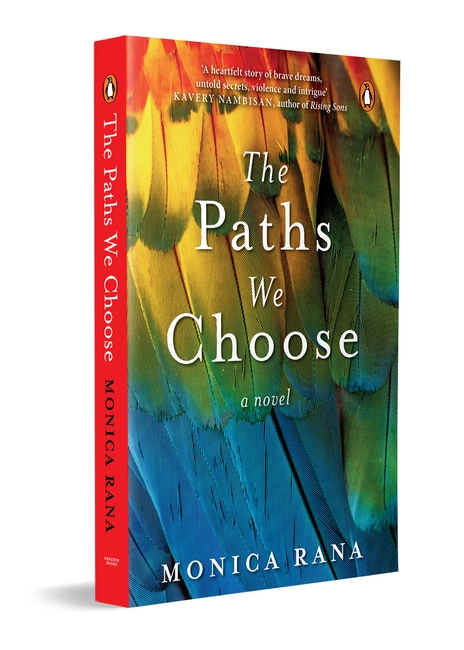
Raised in an upper-middle class family, Aparna was taught to build a successful career, to prioritise her work, and not get distracted by trivial things like love.
Abhishek comes from humbler beginnings, and like Aparna, he too, hopes to build a good life for himself. But unlike Aparna, he still believes in love.
As fate will have it, they fall for each other, but their troubles are just beginning. As college draws to an end, they find themselves working on opposite ends of the country, trying to get by with long-distance phone calls and annual meetings.
Abhishek loves Aparna. Aparna loves Abhishek. Then why are all the forces of the universe hellbent on making sure they stay apart?
She Stood By Me is a story of love, of family and friendship, and most importantly, of what it means to fall in love for the Indian middle-class.
In the remote Mahamaya Valley in the Himalayas, wildlife biologist Tara has vanished. Hunting for answers, Tara’s best friend Mansi sets out to retrace her whereabouts in the days before her disappearance. The prime suspect Bhaskar sits in police custody, his obsession with Tara laid bare, his testimony a labyrinth of contradictions and half-truths. As the investigation deepens, the valley reveals its own mysteries—a backpacker paradise where the timeless and the ephemeral collide, where technology and nature clash, and where a woman’s voice can be silenced in countless ways.
Rendered in exquisite prose, Real Life is a gripping mystery that transforms into a masterful exploration of love and loss, visibility and erasure, AI and surveillance and the never-ending tussle between individual desires and societal demands.
In an age of surveillance and enforced conformity, what does it mean for a woman to seek a more authentic, real existence?
A horrific attack on the Rashtrapati Bhavan has brutally killed hundreds of people. And Riya Chaudhary finds herself in the clutches of a barbarous clan that will go to any extent to realize its plan of Ghazwa-e-Hind.
Ravana has begun the Kaal Yagna to awaken Anishtatri—the ancestral goddess of Asuras. After many bloody offerings, Ravana is preparing to offer the final sacrifice — his beloved queen Mandodari. The completion of this yagna shall yield unthinkable results.
The daitya guru Shukracharya and his daughter Devyani are travelling through the jungle—a region lorded by Dandak, the savage grandson of Ikshvaku. Here, they become victims of an appalling tragedy, the echoes of which shall haunt the universe till the end of time. Even the avatar of Lord Vishnu himself shall not be able to escape Shukracharya’s curse.
What is the Puranic mystery hidden in the ashram of the Maha-Tantaric Bhairavi Maa? What is the lord of all the malevolent energies in the universe Ekaksh Aghori’s diabolical plan that aims to restore Asura supremacy in the world?
Comprising four folktales, Sorthi-Brijbhar, Bharthari-Pingla, Heer-Ranjha and
Saranga-Sadabrij, the book is an anthology of stories influenced by the life, time and teachings of Yogi Gorakhnath—an eleventh-century saint—who propounded an inclusive religious philosophy that laid the foundation of the Sufi and Bhakti movement in India.
Initially, the yogis (mystics) of the Gorakhnath sect would sing these ballads on the tune of the sarangi and move door to door for alms. Originally, these stories existed in the oral tradition passed down from generation to generation in the form of ballads. The ballads are full of fairies, genies, witches, magic healers, witch doctors and ghosts besides angels in the form of Peer Baba (hermits) and sages. Over the decades and centuries, these stories have inspired folklorists, theatre artists and nautch parties to perform in melas (community fairs), religious events and marriages.

Winner of the JCB Prize for Literature 2023
Fire Bird is a masterfully crafted tale of one man’s search for the elusive concept of permanence. Muthu has his world turned upside down when his father divides the family land, leaving him with practically nothing and causing irreparable damage to his family’s bonds. Through the unscrupulous actions of his once-revered eldest brother, Muthu is forced to leave his once-perfect world behind and seek out a new life for himself, his wife and his children.
In this transcendental novel, Perumal Murugan draws from his own life experiences of displacement and movement, and explores the fragility of our fundamental attraction to permanence and our ultimately futile efforts to attain it. Translated from the nearly untranslatable Aalandapatchi, which alludes to a mystical bird in Tamil, the titular fire bird perfectly encapsulates the illusory and migratory nature of this pursuit.
Fire Bird is a thought-provoking and beautifully written exploration of the human desire for stability in an ever-changing world.

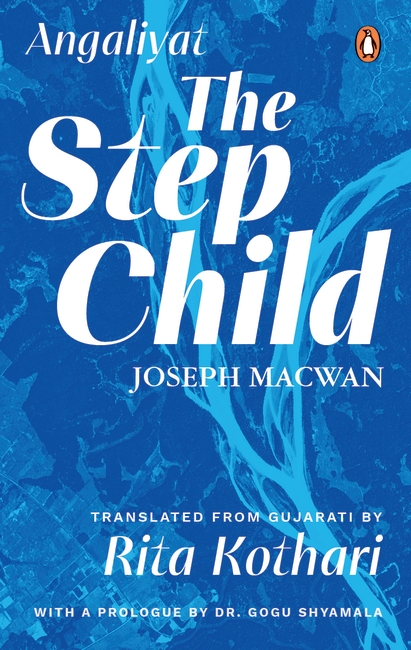
Angaliyat tells the story of oppression and exclusion by transforming the vanquished into the victor, by turning the periphery into the core. The portrayal of Methi and Kanku as ‘pure’ women challenges the age-old perceptions of higher castes which denigrate the practice of remarriage among ‘backward’ communities. The stepchild who follows the mother to a new home holding her finger or angali, remains on the periphery of the stepfather’s family. Significant from several points of view, the novel provides a view of the ‘history from below’. Caught in external and internal forms of colonization, the community of weavers, the Vankars, is subject to oppression from the more powerful upper caste of the Patels.
Nepal, 2001. Up in the hills, the village of Rato Mato is waiting for rain. Rita and Sumnima, two cousins, are facing the challenges of growing up—in particular, the challenge of pending womanhood in a country of men. This a story about identity—its loss, search and discovery

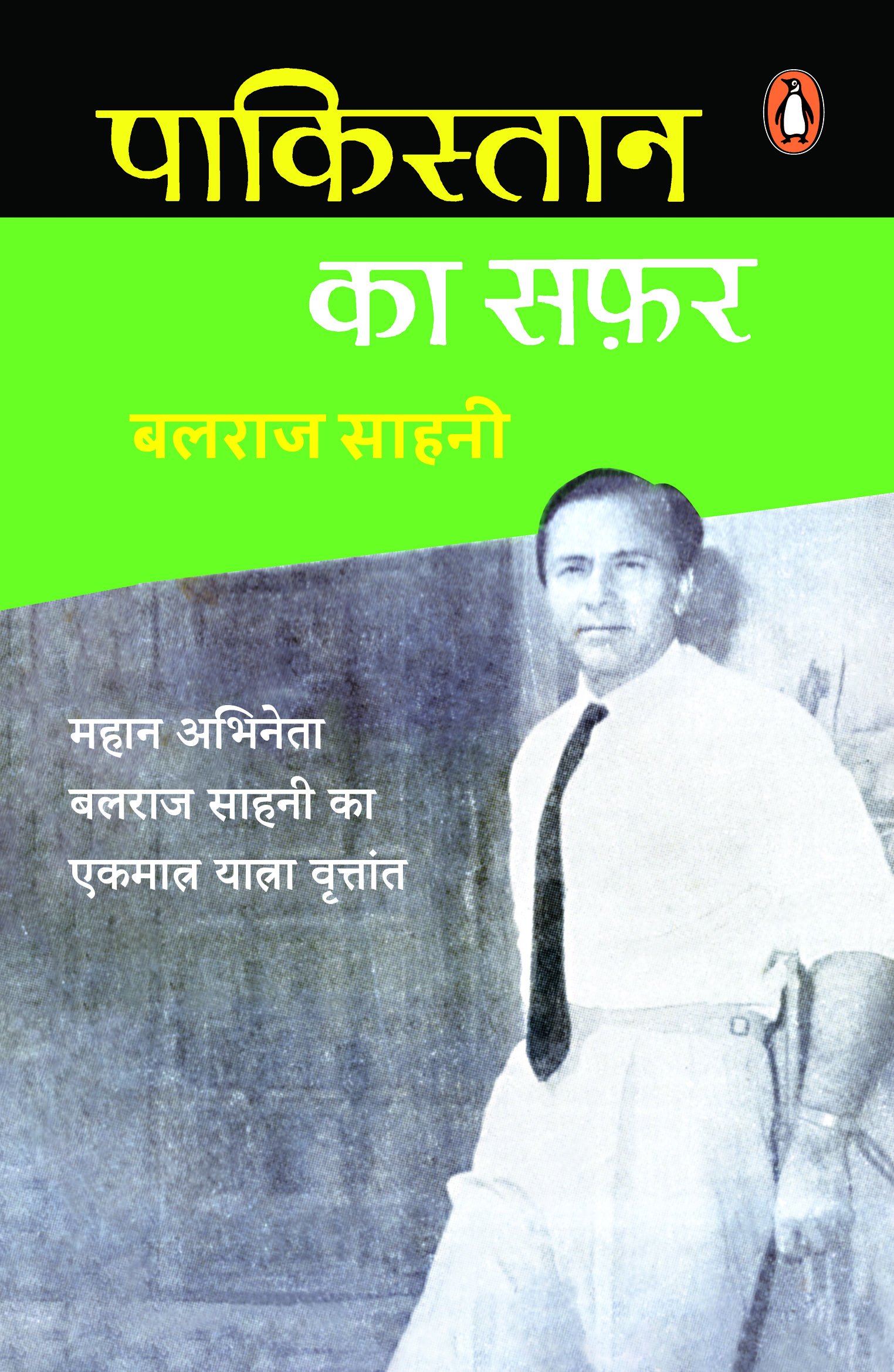
महान अभिनेता बलराज साहनी का एकमात्र यात्रा वृत्तांत है — पाकिस्तान का सफ़र।
इस यात्रा वृत्तांत में साहनी ने पाकिस्तान की अपनी रोमांचक यात्रा के बारे में लिखा है।
साहनी जब सारी दुनिया में प्रसिद्ध हो चुके थे, तो उन्हें तब अपना वह घर बहुत याद आने लगा, जिसके आंगन में उनका बचपन बीता था, लेकिन अब वह घर पाकिस्तान में था और साहनी हिंदुस्तानी नागरिक थे। अब वह पाकिस्तानी घर उनका नहीं था, न ही उस घर में उनके कोई संबंधी रहते थे, अब तो वह घर किन्हीं अनजान लोगों का था, उसके मालिक कोई और थे, इसलिए साहनी को उस घर में जाने में संकोच हो रहा था। लेकिन सिकंदर ने साहनी को समझाया कि वह बेकार-से तकल्लुफ़ात का शिकार हो रहा है और नि:संकोच अपने पुराने घर को देखने के लिए उसे पाकिस्तान अवश्य जाना चाहिए।
अपने पुराने घर और बचपन के दोस्तों की गलियों को निहारते हुए साहनी ने जब उस दरवाज़े पर दस्तक दी, जिसके आंगन में उनका बचपन बीता था, तो घर के मालिक ने उन्हें गले से लगा लिया और एक मालिक की तरह उनका स्वागत किया।
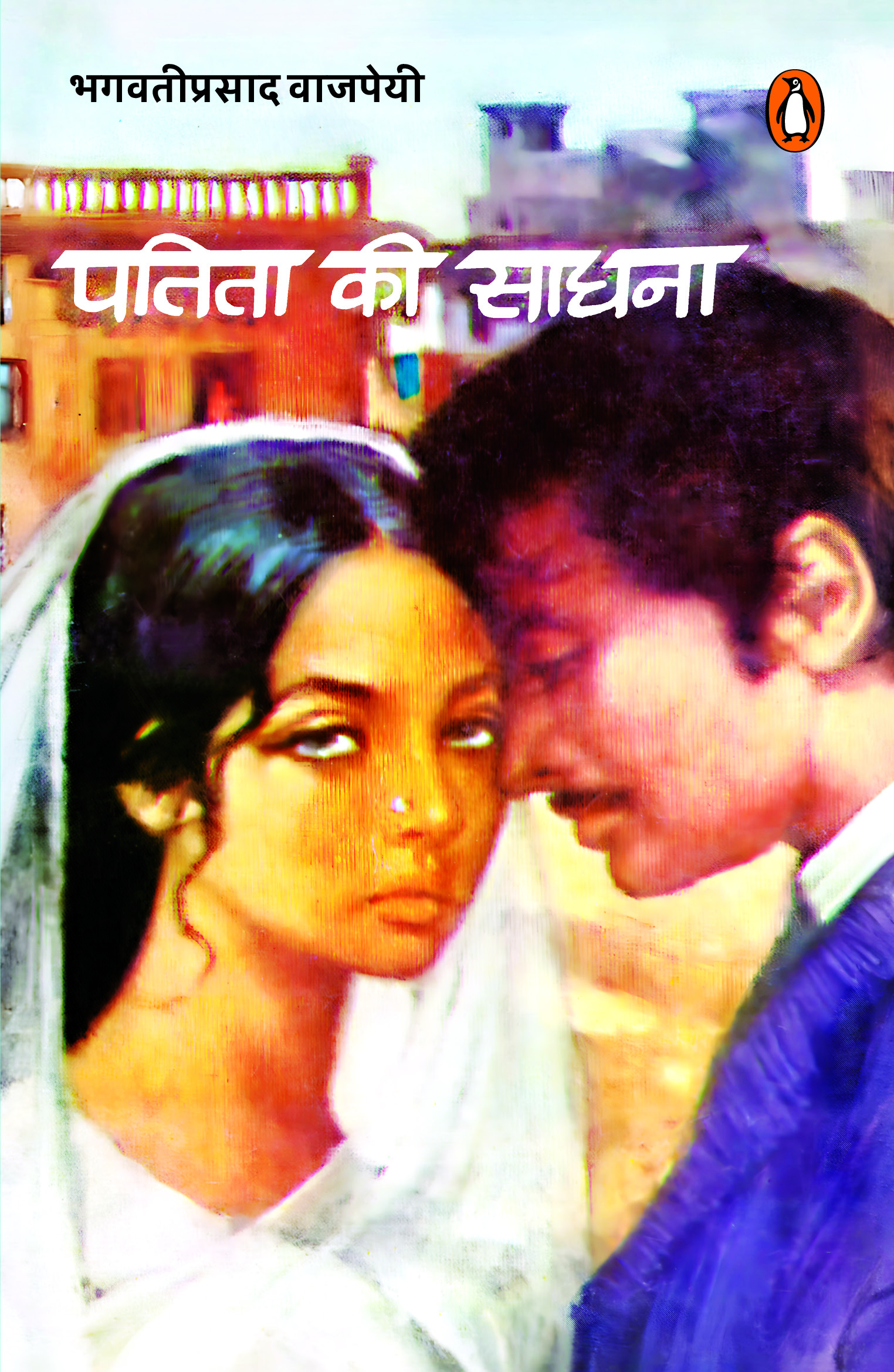
सुनती हूँ, तुमने ब्याह न करने की प्रतिज्ञा कर रखी है।’ नंदा के इस वाक्य पर हरि ने अपनी आँखें नीची करके कहा, ‘असल में बात कुछ और ही है।’
नंदा बोली, ‘वही तो मैं जानना चाहती हूँ।’
इस पर हरि ने उसकी ओर दृष्टिक्षेप किया, उससे दोनों के नयन लालसा के आलिंगन में चंचल हो उठे और और हरि ने उसे बाहों में भर लिया।
मनोवैज्ञानिक विश्लेषण के कुशल हिंदी उपन्यासकार भगवतीप्रसाद वाजपेयी ने इस उपन्यास में एक बाल विधवा के दारुण जीवन का ऐसा मार्मिक चित्र अंकित किया है कि पाठक के सामने उस समय के पूरे भारतीय समाज का चित्र उभर आता है।
पाँच हज़ार रुपए मिल सकते हैं! और घर में एक रुपया आटा लाने को भी नहीं है।’ सविता ने कहा।
‘लेकिन सविता, ईमान इस तरह नहीं बिकता। यही तो हमारे ईमान की परीक्षा की घड़ी है। ऐसी ही घड़ीयों में तो ज़रूरत है चट्टान की तरह मज़बूत खड़े रहने की।’
एक ईममानदार और अहंवादी गरीब लेखक और उसकी सहनशील पत्नी की रूला देने वाली दर्दभरी कहानी है यह।