



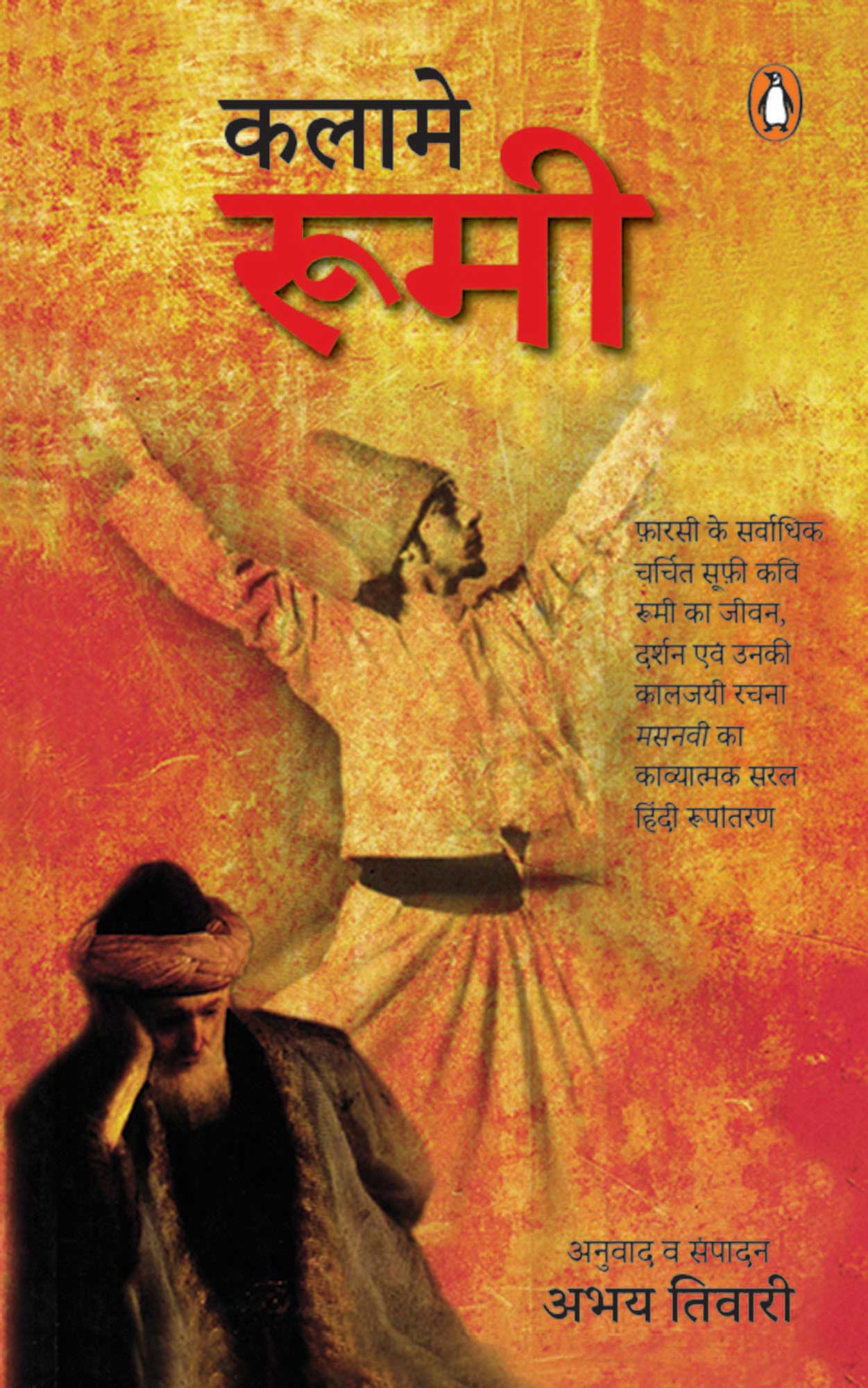
कलामे रूमी को फारसी भाषा से सीधा अनुवाद किया गया है।
अभय तिवारी ने रूमी नाम से फ़ारसी साहित्य के विद्वान सूफ़ी विचारक और संत मौलाना मुहम्मद जलालुद्दीन रूमी की प्रसिद्ध पुस्तक “मसनवी” का हिंदी अनुवाद किया है। मसनवी फ़ारसी साहित्य की अद्वितीय कृति है। इसमें संस्मरणों और रूपकों के ज़रिए ईश्वर और आस्था के मसलों पर विवेचन किया गया है। रूमी सिर्फ़ कवि नहीं है, वे सूफ़ी हैं, वे आशिक़ हैं, वे ज्ञानी हैं, विद्वान हैं और सबसे बढ़कर वे एक गुरु हैं। उनमें एक तरफ़ तो उस माशूक़ के हुस्न का नशा है, विसाल की आरज़ू व जुदाई का दर्द है, और दूसरी तरफ़ नैतिक और आध्यात्मिक ज्ञान की गहराईयों से निकाले हुए अनमोल मोती हैं। इसीलिए रूमी का साहित्य सारे संसार को सम्मोहित किए हुए है।
Catagory: Literature & Fiction
Zindagi Aur Tufan/ज़िंदगी और तूफ़ान
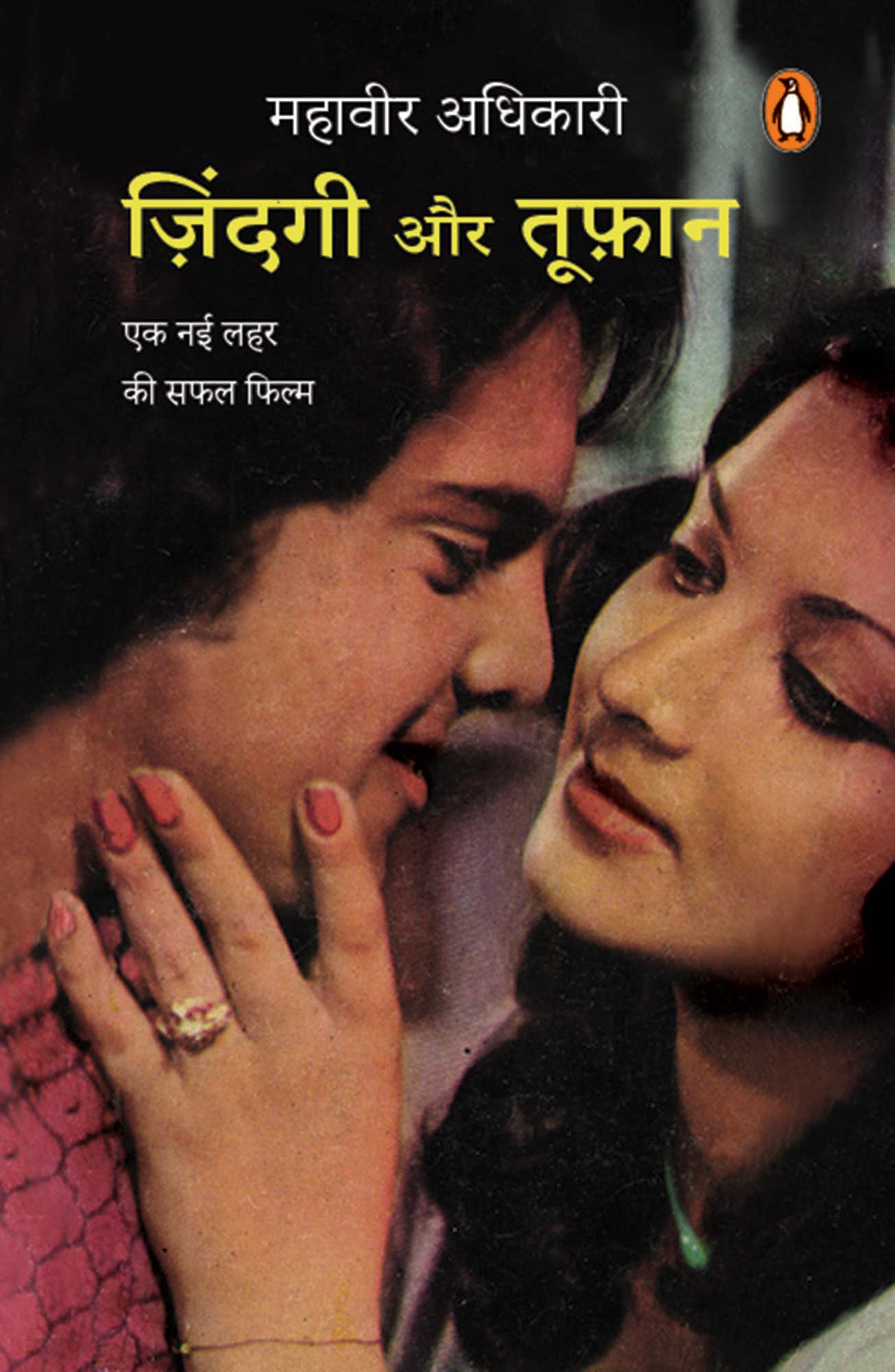
विचित्र संयोगों के तूफ़ानी भँवरों में फँसते-निकलते एक युवक तथा चार युवतियों की यह एक अनोखी ज़िंदगी की मार्मिक कहानी है।
महावीर अधिकारी के बहुचर्चित उपन्यास ‘तलाश’ पर यह पटकथा लिखी गई है। यह पटकथा स्कूल-कालेज के छात्राओं के लिए भी बहुत उपयोगी है, क्योंकि इसका लेखन इस प्रकार किया गया है कि पढ़ने वाले को एक ओर जहां भरपूर मनोरंजन का आभास होता है, वहीं इसकी कथा अपने ईर्द-गिर्द पात्रों पर घूमती ही नजर आती है और इससे भी बढ़कर फिल्म पटकथा लेखन के गुर भी इसमें मिलते हैं।
The School for Bad Girls
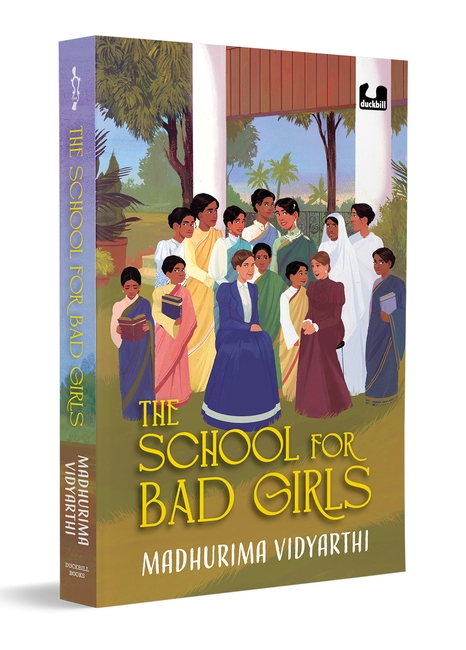
Something strange is happening in the heart of the British Empire.
Nineteenth-century Calcutta is abuzz with social reforms, especially with regard to womens’ rights and education. And in this time, Kadambini Ganguly dreams of going to university—and in the ultimate audacious hope—wants to become a doctor.
But for many people, the idea of girls studying is anathema. And a school full of unmarried girls and widows getting an education, in an environment where caste is disregarded and every student treated as an equal, leads to charges of immorality. And the battle to get the right to a college education is against overwhelming odds.
The fictionalised story of Kadambini, one of the first women graduates of the British Empire and the first woman to get a degree from an Indian medical college, is rivetingly told by Madhurima Vidyarthi, in a fascinating portrait of nineteenth century life, society and its arbitrary mores.
Tatum Comes Home

Tatum Comes Home by the TikTok and Instagram sensation hi.this.is. is a feel-good adventure about a charismatic and cuddly pet, his human family, and how love heals.
It’s late May, and Maine is blooming with the crispness of pine in air and the rich scents of spring. In this fairytale woodland city lives Tatum, a sweet rust-colored rescue dog, who is enjoying a trip to the hardware store with his dad when a heavy thunderstorm blows in. Frightened, Tatum scampers off to hide—and buries himself beneath a blanket on a nearby truck.
When Tatum wakes, hungry and confused, he’s hours from home and his family franticly searching for him. But as fate would have it, Tatum’s presence is the anchor this kind truck owner needs, who promises to get him back to his family. Will seeking help from an old vet friend help the truck owner find the love he has been evading for so long?
Tatum, with his deep golden eyes and trusting gaze, has a knack for making friends—and for letting humans know exactly what’s on his mind. Everyone Tatum meets on his journey are eager to do their part to get him home. And in turn, Tatum has a way of nudging everyone he encounters to overcome hurdles, seek out second chances, and find—or make—the families they need.
The millions of Tiktok and Instagram fans who love Tatum’s distinctive quirks and hilarious voice are in for a treat with this warm, emotional adventure.
Caged …
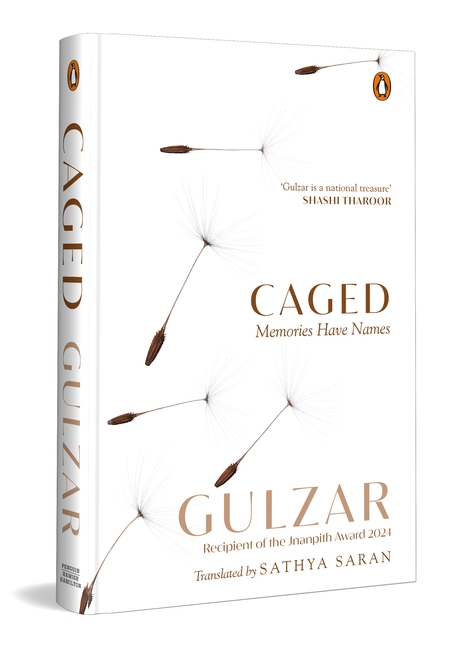
This is my Abbu…my father. I never used to call him Abbu … I love to call him by this name in my memories of him…always.
There’s so much ‘mamta’ in the word ma. More than in a mother herself. Just saying the word starts off a churning in the navel.
Intimate, subtle and deeply personal, Caged … Memories Have Names is probably Gulzar Saab’s first autobiography in verse.
Gulzar Saab ruminates and writes in rainbow colours. From Rumi to Pablo Neruda and Jibananda Das, among others, have coloured him in myriad of hues. With this he has painted the portraits of Birju Maharaj, Mehdi Hasan, Pancham, Asha Bhosle in words. Their palpable presence, thoughts and words are etched in Gulzar Saab’s existence. Then there are people, who have showered his life with love, affection with multitude of emotions: Meghna, Raakhee ji, Vishal Bhardwaj, and Javed Akhtar Saab, to name a few. And, words that remained unsaid to Abbu, search for his Ma within his own existence, they are the silken bonds of life. Gulzar Saab has ‘caged’ them deep inside his heart.
They are for now … and … forever.
Aghori
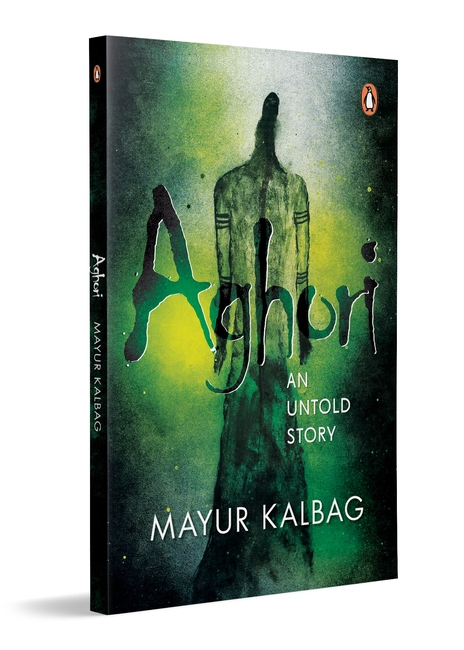
Subbu’s most earnest desire is to find out more about the Aghori sadhus. These babas, devotees of Lord Shiva, are known for their esoteric practices, and Subbu yearns to learn about, and from them. An opportunity arises when his guru requests him to travel to the Himalayas to have three mantras embedded in him. These mantras will then be transferred to his guru.
Thus, Subbu embarks on the most unique journey of his life, filled with indelible experiences. Aghori 1: An Untold Story is not just a tale, but an opportunity for readers to undergo an exuberant expedition that incorporates different and diverse activities that are spiritual, intriguing, ethereal and, at times, frightening.
Aghori 2
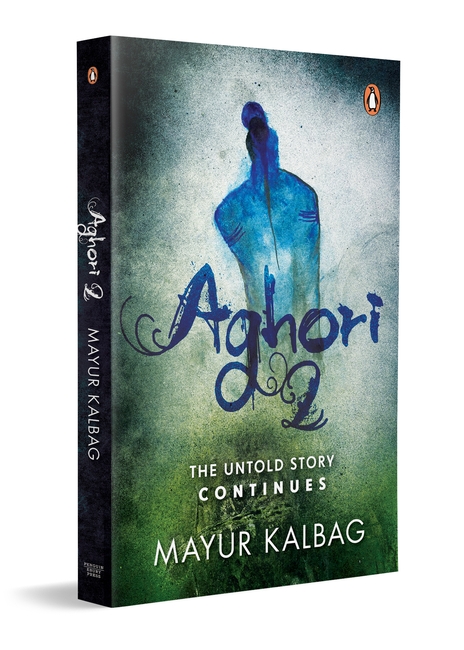
Subbu returns from the Himalayas, having spent many remarkable days with the Aghori sadhus. Three powerful mantras have been successfully embedded in him, and must now be extracted and transferred to Subbu’s revered guru. Thus begins another tremendous experience for Subbu as he meets unusual creatures—such as the enormous Naga and a mysterious starfish that communicates through telepathy—and spirits trying to stop the transfer. Above all, he has the incredible opportunity to interact with more of the extraordinary Aghoris.
The sequel to the bestselling Aghori 1: The Untold Story is filled with spiritually invigorating adventures that readers will love.
The Library of hOles

Thousands of Indian kids have jumped into reading with a Duckbill hOle book!
Get all 33 books in the series in this unique Library of hOles, and make your child fall in love with books and stories. Recognizable by the hOle at the top corner of each book, these chapter books are for kids learning to read independently. They are full of fun stories, gorgeous illustrations and hOles!
The boxset includes 33 books, including:
- Unlucky Chumki by Leslie D. Biswas
- Chumki and the Elephants by Leslie D. Biswas
- Chumki and the Pangolin by Leslie D. Biswas
- The Great Escape by Menaka Raman
- Nida Finds a Way by Samina Mishra
- A Pinch of Magic by Asha Nehemiah
- Trouble with Magic by Asha Nehemiah
- The Monster Hunters by Parinita Shetty
- The Vampire Boy by Sharanya Deepak
- Bonkers! by Natasha Sharma
- Mira the Detective by Pavithra Sankaran
- Petu Pumpkin: Tiffin Thief by Arundhati Venkatesh
- Petu Pumpkin: Tooth Troubles by Arundhati Venkatesh
- Petu Pumpkin: Cheater Peter by Arundhati Venkatesh
- Big Bully and M-me by Arti Sonthalia
- The Shy Supergirl by Shabnam Minwalla
- Lucky Girl by Shabnam Minwalla
- When Jiya Met Urmila by Shabnam Minwalla
- Maya Saves the Day by Meera Nair
- Maya in a Mess by Meera Nair
- Peanut Has a Plan by Yashodhara Lal
- Peanut vs the Piano by Yashodhara Lal
- Timmi in Tangles by Shals Mahajan
- Timmi and Rizu by Shals Mahajan
- Sandy to the Rescue by Rupa Gulab
- Susie Will Not Speak by Shruthi Rao
- Malhar in the Middle by Shruthi Rao
- The Clockwala’s Clues by Varsha Seshan
- Nisha Small: The Knot of Gold by C.G. Salamander
- Chitti’s Travelling Book Box by Kavitha Punniyamurthi
- Gupshup Goes to Prison by Arefa Tehsin
- Amra and the Witch by Arefa Tehsin
- The Chirmi Chasers by Arefa Tehsin
Why should you buy this boxset?
- A collection of 33 best-selling books from the hOle Books series that will make children fall in love with reading!
- Gorgeously illustrated and hilarious books by renowned authors for children and by some of India’s most-loved illustrators.
- A perfect giftbox for young readers just starting to read by themselves.
- Showcases young relatable characters in contemporary Indian stories.
Ponniyin Selvan 3
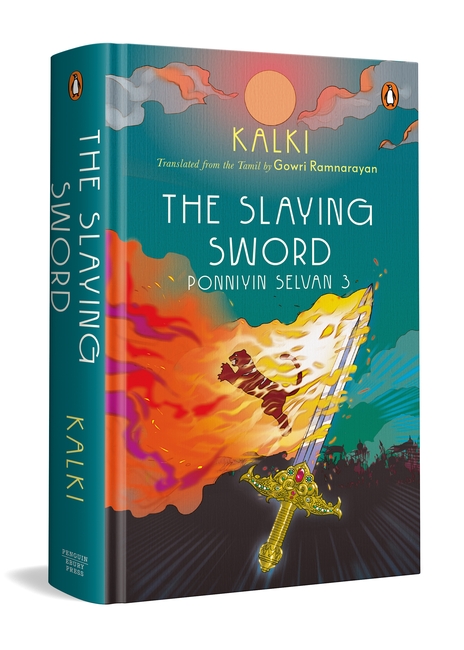
Fear and suspicion abound as rumours of Arulmozhi Varman’s death at sea spread throughout the Chozha land. Anger grows against the powerful, scheming Pazhuvettaraiyars. As leaders scramble to handle the fallout, Nandini Devi, the captivating wife of the elder Pazhuvettaraiyar, continues her machinations against the Chozha royal family. She vows that the sword of the last Pandiyan king—killed by Prince Aditta Karikalan—will take the lives of countless enemies.
Astute he may be, but is Chief Minister Aniruddhar Brahmarayar up to the task of diplomacy in such a volatile political climate? Can Princess Kundavai fight her way through the web of political intrigue and deceit in which she is trapped? Will valiant Vandiyatevan continue to surmount the colossal challenges fate throws at him?
Kalki paints a study in contrasts in The Slaying Sword, the third in the Ponniyin Selvan series, and Gowri Ramnarayan translates his world of conflicts with empathy and adroitness.
Apradhi/अपराधी
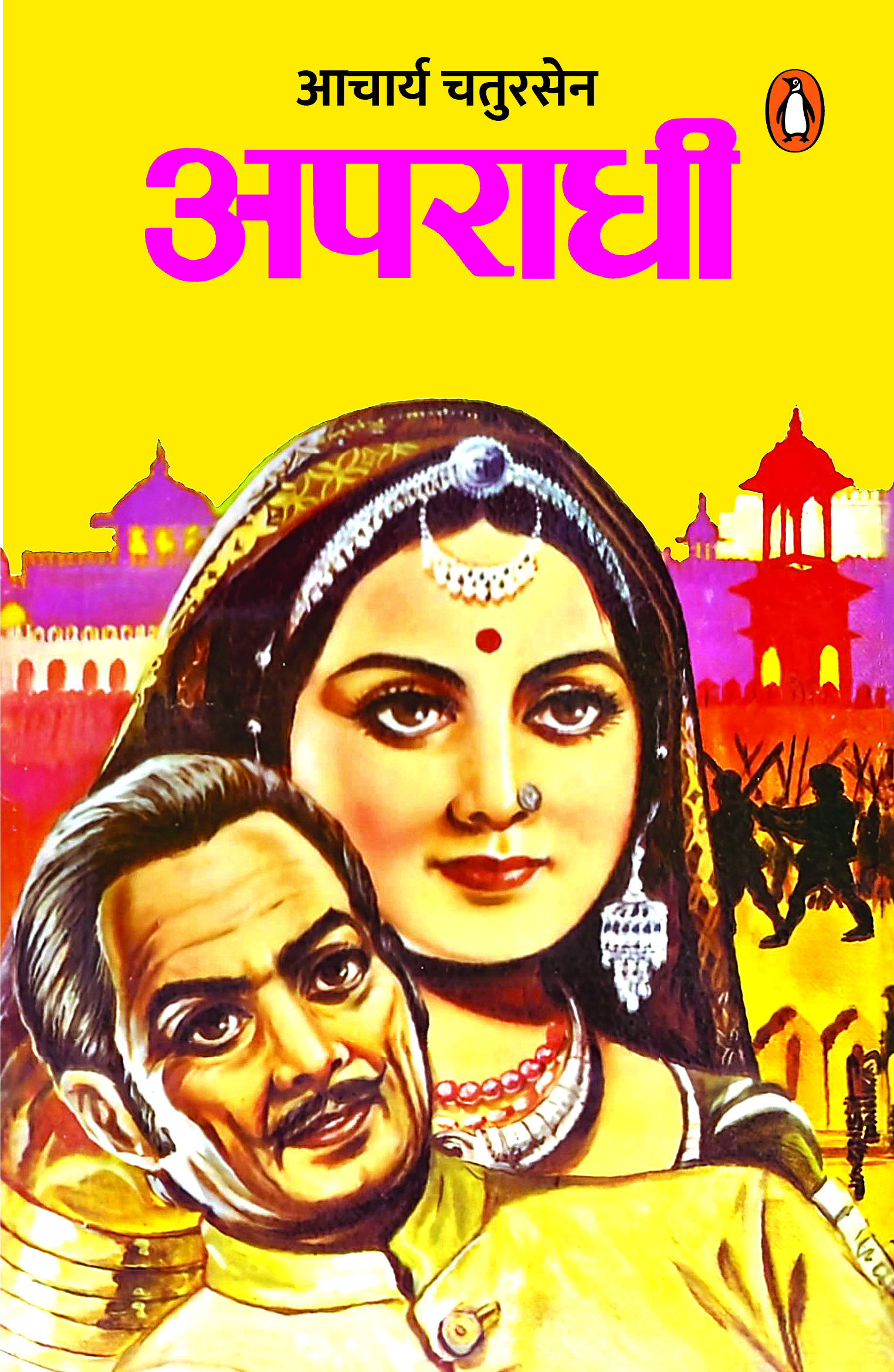
अपराधी एक ऐसा उपन्यास है, जिसमें पराधीन काल में पुलिस द्वारा रस्सी का साँप बनाए जाने की गाथा उकेरी गई है। यह ठाकुरों के जमाने की कहानी है। इसमें ठाकुरों की ईर्ष्या, द्वेष का भी चित्रण है और पुलिस की मनमानी और सज्जन आदमी को भी अपराधी ठहराने के हथकंडों की दास्तान है। यह पुस्तक रोंगटे खड़े कर देने वाली ऐसी कहानी बयां करती है, जिसे पढ़कर हर कोई सिहर उठेगा। लेकिन एक बार पढ़ना शुरू करेगा तो पाठक इसे पढ़कर ही दम लेगा।