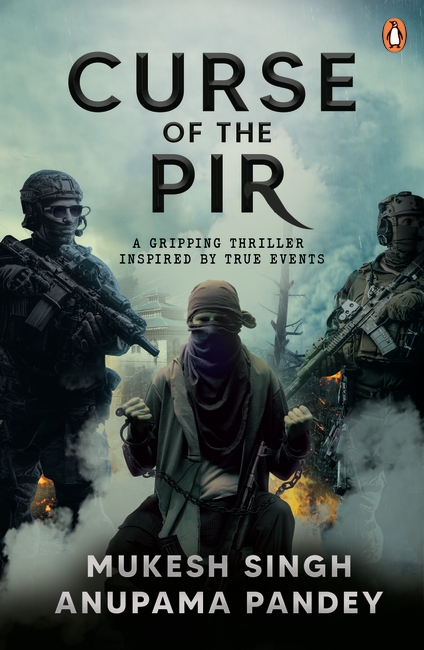
Rajveer is a regular guy with regular aspirations. His life’s trajectory takes him to Jammu and Kashmir as a young assistant superintendent of police and from then on, it’s a roller-coaster ride, as he tries to balance his professional and personal lives. As both go through many changes, what remains constant is his dedication to the elimination of terror outfits, particularly the Lashkar-e-Jabbar, whose members are focused on an all-out war against the nation.
As the terror outfit intensifies its network in the state and carries out the most devastating attacks, Rajveer must think on his feet, juggling different aspects of a counterterrorism operation, leading from the front, all the time handling his family life as best he can. It’s a constant game of chess and hide-and-seek between him and the terrorists. This is the riveting story of an officer who will do everything he can to serve the nation.
Inspired by actual incidents, it is a thriller like no other, with revelatory insights into the workings of the mujahideen and the bravery of the Indian police forces.

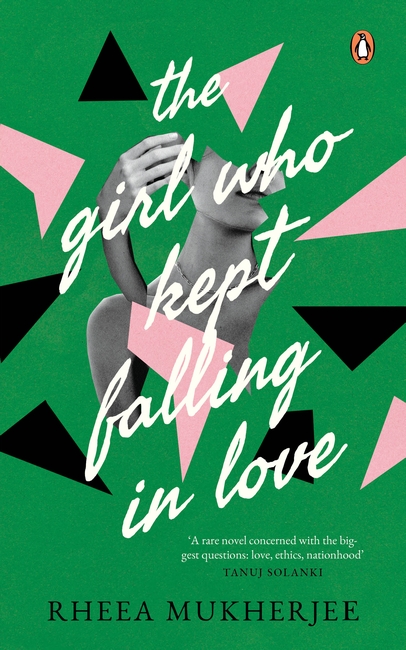
The very fact of being loved seems to be proof of Kaya’s worth, her purpose. But at age forty, her past stretches out behind her in a long string of loves lost and she is weary of being broken-hearted. Desperately seeking purpose elsewhere, Kaya finds it in the world of activism, where she becomes greatly invested in resisting the growing fascist and Islamophobic forces of present-day India. However, she is rudely reminded that much of the middle-class social activism she is part of is fuelled by a collective saviour complex. A high-caste Hindu with a US passport, Kaya is no exception. Still, the marginal danger and the instability are addictive, and the sense of righteousness is quite validating.
When Kaya meets and falls deeply in love with a fellow activist from the very religious community the country is actively trying to erase, her twin purposes are miraculously aligned in an intoxicating combination that she becomes immediately fearful of losing. In the midst of spirited protests and rising violence, Kaya bears witness to vast human suffering while experiencing profound joy. It is time to make a choice. Kaya knows if she chooses love this time, she will betray everything she has claimed to believe in. If she is willing to do that, can Kaya truly be loved by the person she most desires?
Told through the lens of urban myths, accounts of past lovers, bared confessions and half-truths that make up Kaya’s world, The Girl Who Kept Falling in Love dives deep into the futilities of being attached to global aspiration and fighting institutionalized hate while chasing a universal need for love and acceptance.

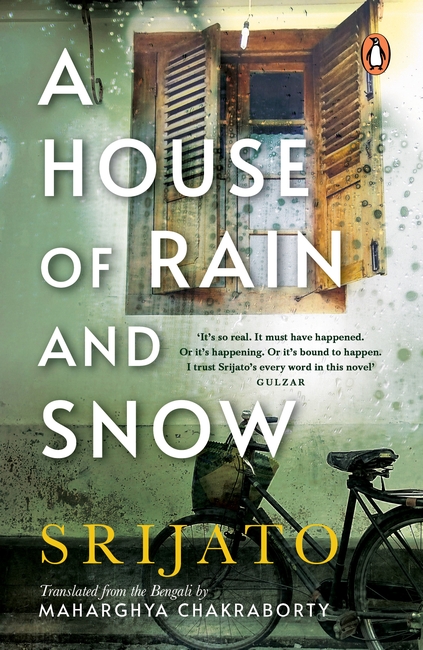
It’s so real. It must have happened. Or it’s happening. Or, it’s bound to happen. I trust Srijato’s every word in this novel–Gulzar
Pushkar, an offspring of the most incredible of times, has next to nothing to call his own. Except for a seasoned but out-of-work and disheartened father, and a defiant, uncompromising mother with a truly astounding gift for music. It is only in the gradually widening chasm between his parents that he discovers his world of poems, which he desperately tries to hide from everyone.
Everyone else except Saheli that is, only she gets to read his poems. Saheli, his schoolfriend who he is in love with. Abhijit, another friend from school, is unwilling to leave it all up to fate and insists on dragging Pushkar to meet Nirban and their independent publishing house—at least to ensure that Pushkar’s poems manage to see the light of day.
In this entirely strange, magical and leisurely course of life swirling all around Pushkar, there is but one entity with whom he shares all his secrets. A milkwood tree, a chatim is privy to everything in his life. And so time moves on, leading him to eventually confront a truly secret equation of life—the change made possible by the transformative power of love.
A House of Rain and Snow is a testament to an era, a witness to an astounding journey of a young poet.
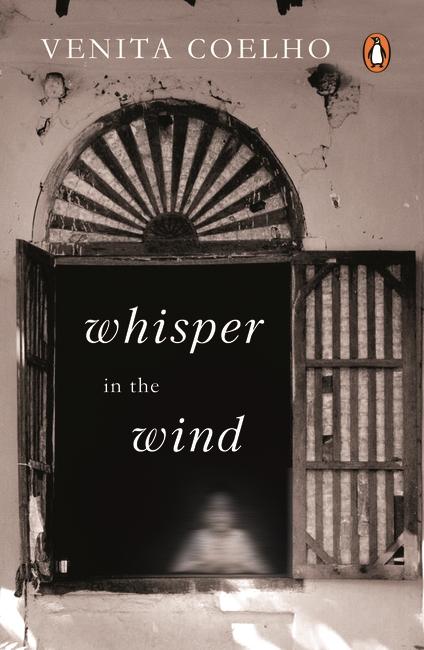
‘All the stories in the world are whispered in the wind. Listen! And the wind will blow one into your head.’
These words, whispered by a madman, haunt Jamshed Fali Irani. The young heir to a business empire in Bombay, he is in Goa to try and pursue his dream of being a writer. Locked away in a crumbling, decrepit mansion, struggling to write as the monsoon rains down, the wind brings to him the cries of a little girl wandering the ruins nearby. Alice is trying to find her sister, Sara, who went missing years ago.
Jamshed makes a reluctant promise to help her and finds himself drawn into a story that is darker and more intriguing than any he could have imagined. With his new friend, Tania, to whom he is increasingly drawn, Jamshed attempts to unravel the mystery behind Sara’s disappearance.
Jamshed’s search leads him into a tangled tale of loyalty and deceit, at the heart of which lies murder. He has to find his way through a bewildering maze of contradictions as he tries to thread together answers to a mystery that involves a girl with the voice of an angel, a violin that plays the sorrows of the heart, and the bond between two friends who swear that not even death will do them part.
In this vividly written Gothic novel, alive with the sights and smells of pre-Independence Goa, Venita Coelho tells a captivating, suspenseful, sweeping tale like no other.

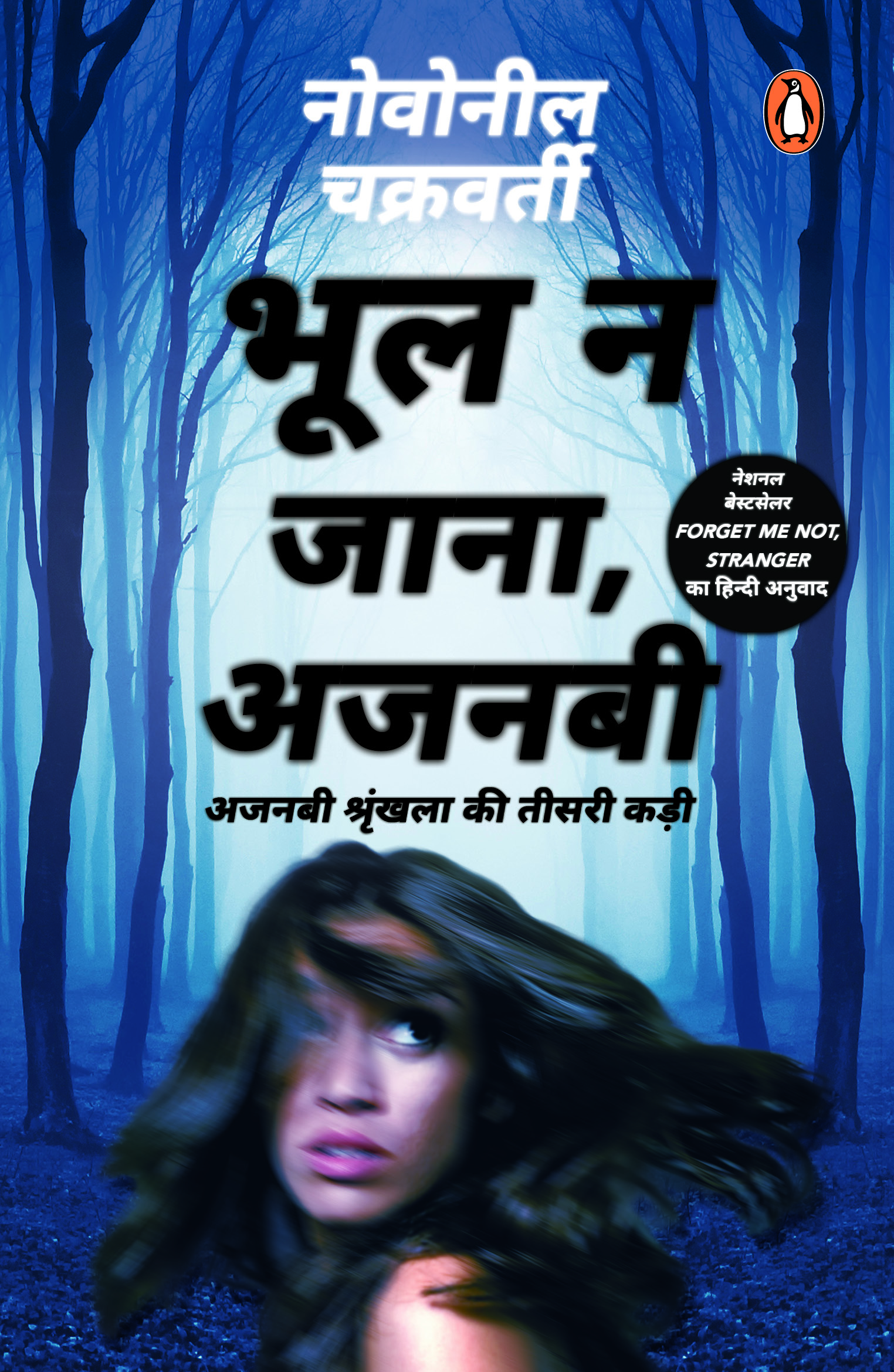
मैं रिवाना बनर्जी, मुंबई हूँ। आपमें से कुछ लोग पहले से ही जानते होंगे कि मेरा जीवन किस तरह से रेज़र एज पर है। आपमें से जो नहीं जानते हैं, बस यह जान लें : हो सकता है कि मैं जल्द ही मारी जाऊॅं. . . अजनबी द्वारा। मुझे नहीं पता कि वह कौन है या क्या है : एक भूत, एक व्यक्ति या मेरी कल्पना की उपज? मुझे सिर्फ इतना पता है कि वह सिर्फ एक चीज़ नहीं है : वह सेक्सी है, भयानक और डरावना है।
मुझे समझ में नहीं आता है कि मेरे जैसी युवती, किसी का भी बुरा न चाहने वाली लड़की, जो एक बड़े शहर में काम करती है, अपने माता-पिता से दूर रहती है और एक असफल प्रेम से पीड़ित है, उसके लिए कोई दिलचस्पी क्यों लेगा! जब तक उसके बारे में कुछ ख़ास न हो।
मेरी अपनी कहानी, जो मैं ही नहीं जानती. . .
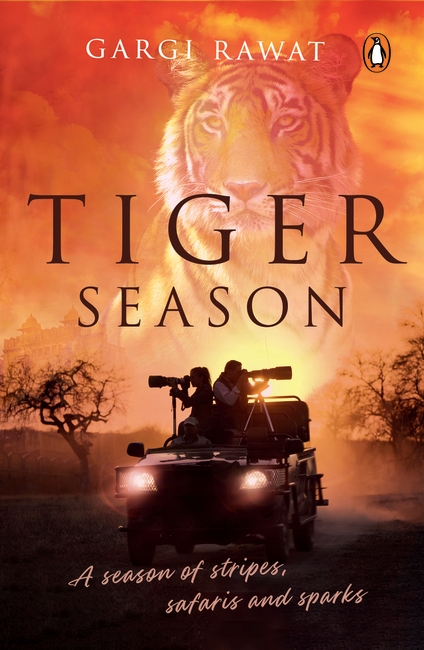
Sunaina Joshi is a reporter with a leading news channel.
Her day-to-day work involves reporting on urban-centric, health-related issues; myriad subjects that bore her, leaving her jaded. Her real passion is a life in the great outdoors, and reporting on wildlife and the environment, something she is unable to do as often as she would like. Unexpectedly, a fabulous opportunity falls into her lap when her channel is commissioned to run a campaign on tiger conservation, featuring a Bollywood star who is trying to resurrect his image and career following a drug scandal.
The shoot takes a dramatic turn when the television team finds itself in the middle of a local conflict and a heated incident involving a tiger attacking a forest guard. Controversy follows, with the decision to relocate the tiger to a zoo, leading to protests
and fresh outrage over the action. To Sunaina’s dismay, she finds
herself becoming the epicentre of the converging controversies. Also
complicating matters are the run-ins she has with the arrogant owner
of the resort. But is her aggravation with him turning to attraction?
Can she keep her wits about her while remaining professional
about the things she loves?
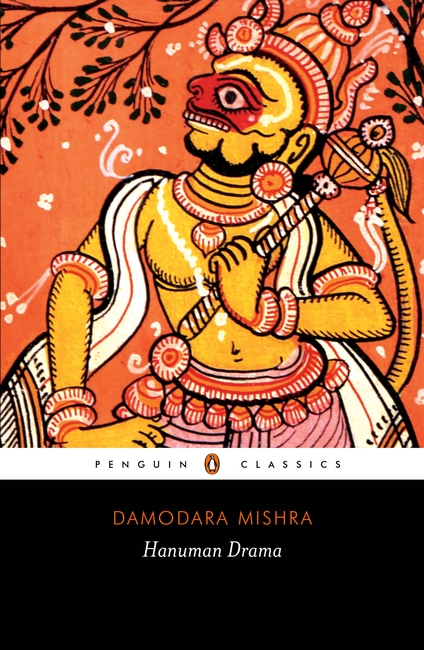
This poem recounts the life and deeds of the god-hero Rama. Legend has it that it was first inscribed on rocks by his devotee Lord Hanuman but was then thrown away into the sea on the advice of the sage Valmiki. Discovered centuries later in King Bhoja’s time, its verses were carefully transcribed and fashioned into what became Hanumannataka, composed by Bhoja’s court poet Damodara Mishra. This beautiful work has now been translated into English by A.N.D. Haksar and will appeal to lovers of mythology, poetry and philosophy.
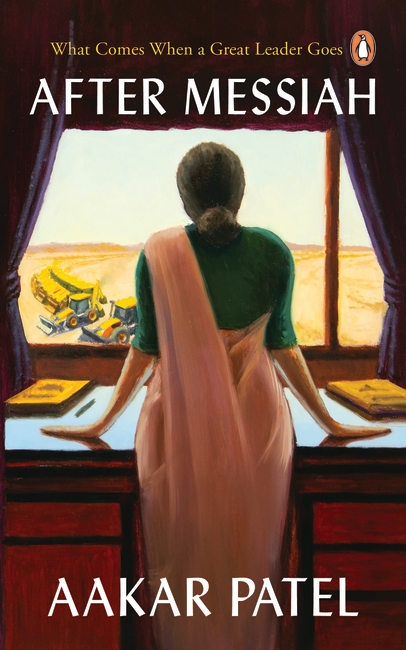
‘Everyone bowed to the Big Man. He was glorified, deified even, with temples raised to him, as the embodiment of the nation.’
Now the Big Man is gone, with nobody named as his successor. Into this void is pushed Mira, who is reluctant at first but increasingly interested in the position she finds herself in. Will she use her authority to further her agenda, or will she hold on to her principles? Watched by her political rivals, Jayeshbhai and Swamiji, and guided by well-wishers Ayesha, Prabhu and Du Bois, she marches on and discovers something about power-and about herself.

To meditate lifelong at the feet of our lord-Kalki’s choice of Thirunavukkarasar’s words to end his magnum opus, Sivakami’s Vow, is indicative of the shift from romance to reflection, from the mundane to the spiritual.
Nine years have passed since Narasimha Varmar has ascended the throne to the Pallava kingdom … nine years that the dancer Sivakami has spent as a captive of the Chalukya emperor, Pulikesi. In that time, the Pallava emperor has been preparing to wage a bloody war against the Chalukyas-to fulfil his promise to Sivakami and his father. But the duties of a sovereign have driven him to make difficult choices in his personal life. Will friendships and allegiances change on account of this? With the passage of so much time, does Sivakami still yearn for vengeance? And what have the last nine years meant for the Pallava commander-in-chief, Paranjyothi, and the conniving bikshu, Naganandi?
As Kalki expertly weaves together various strands of honour, love and friendship in this fourth and final volume of Sivakami’s Vow, he takes the reader through a gamut of emotions. It is no surprise that this novel is considered a classic.
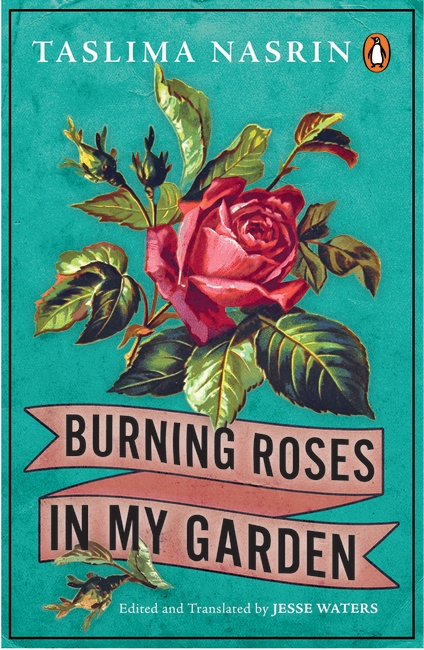
‘Have I not, having kept a man for years, learnt that it’s/ like raising a snake?/ So many animals on this earth, why keep a man of all things?’ writes one of the world’s most celebrated writers, Taslima Nasrin, in her first-ever comprehensive collection of poetry translated from the original Bangla into English. The poems get to the heart of being the other in exile, justifying one’s place in a terrifying world. They praise the comfort and critique the cruelty of a loved one. In these are loneliness, sorrow, and at times, exaltation. Relying almost entirely upon the free verse form, these poems carry a diction which is at once both gentle and fierce, revealing the experiences of one woman while defining the existence of so many generations of women throughout time, and around the world.