



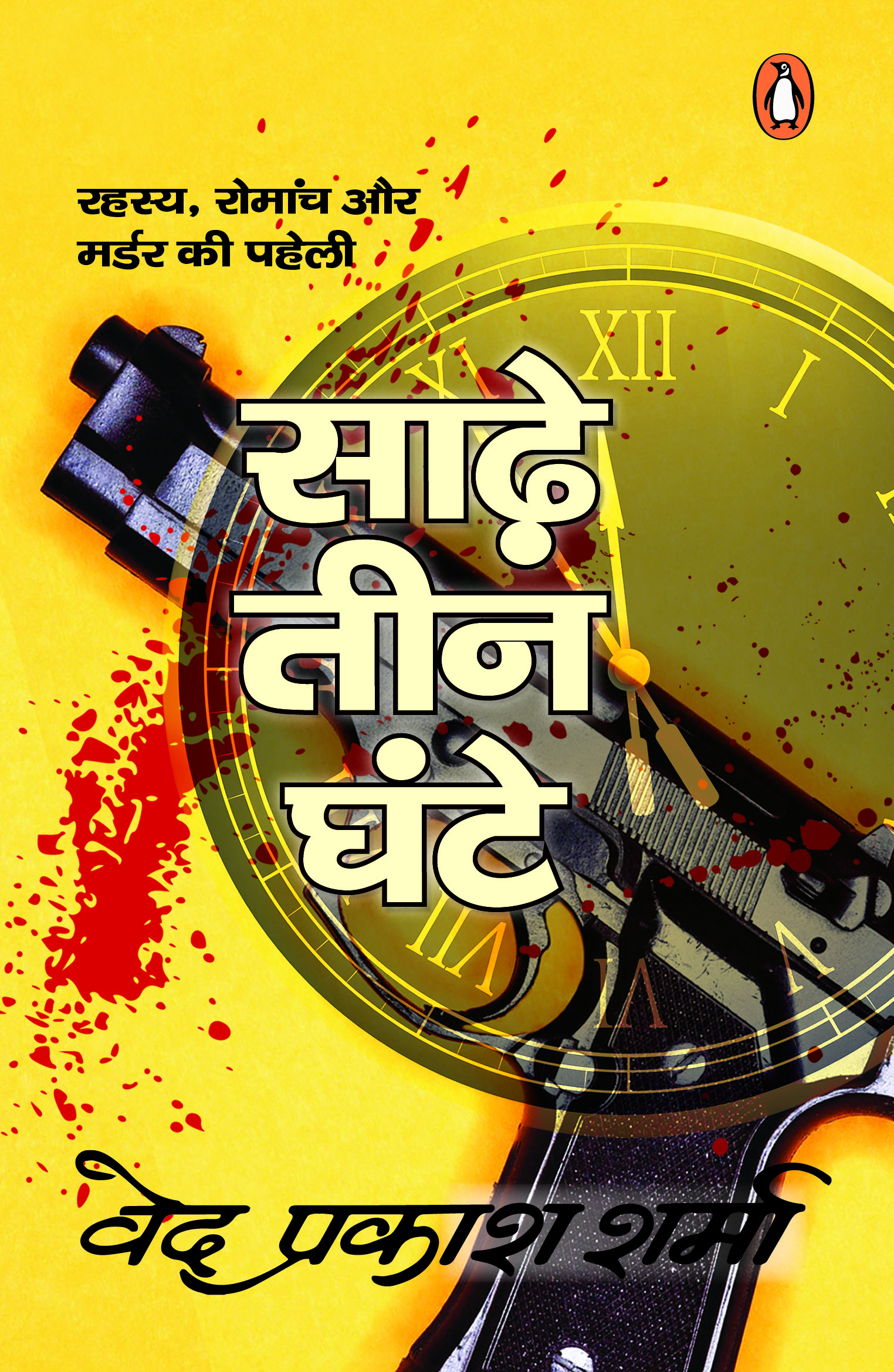
वेदप्रकाश शर्मा पत्नी मधु संग अपनी शादी की सालगिरह मनाने के लिए जिंदलपुरम में जाते हैं, जहाँ वेद की भेंट अपनी सहपाठी और प्रेमिका रही विभा जिंदल से होती है। निमंत्रण पाकर जब वेद और मधु जिंदल परिवार के घर जिसे मंदिर कहा जाता था, वहाँ जाते हैं तो इसी दौरान विभा जिंदल के पति अनूप जिंदल रहस्यमय तरीके से आत्महत्या कर लेता है और इसके बाद पूरी नगरी में ही एक के बाद एक हत्याओं का सिलसिला शुरू होता है। आखिर साढ़े तीन घंटे में एक पहेली को न सुलझाने पर आत्महत्या करने वाले अनूप जिंदल की असली कहानी क्या है? क्या आत्महत्या के बाद अंतिम संस्कार होने पर भी अनूप जीवित हो उठता है? विभा जिंदल, जिसने बचपन में जासूस बनने का सपना देखा था, क्या वह इन हत्याओं के सिलसिले को सुलझा पाती है?
Catagory: Literature & Fiction
Sadhe Teen Ghante/साढे़ तीन घंटे
Nisha Nimantran
Madhubala
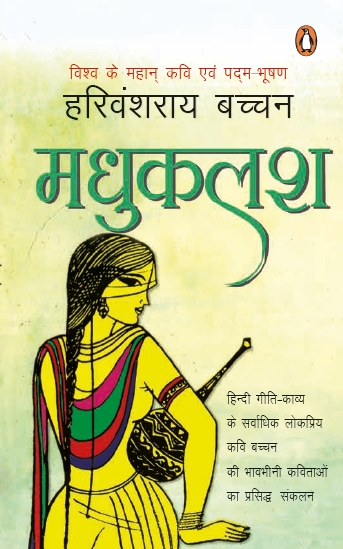
Madhukalash
Rohzin

LONGLISTED FOR THE JCB PRIZE 2022
Mumbai was almost submerged on the fatal noon of 26 July 2005, when the merciless downpour and cloudburst had spread utter darkness and horror in the heart of the city. River Mithi was inundated, and the sea was furious. At this hour of torturous gloom, Rohzin begins declaring in the first line that it was the last day in the life of two lovers, Asrar and Hina.
The novel’s protagonist, Asrar, comes to Mumbai, and through his eyes the author describes the hitherto-unknown aspects of Mumbai, unseen colours and unseen secrets of the city’s underbelly.
The love story of Asar and Hina begins abruptly and ends tragically. It is love at first sight which takes place in the premises of Haji Ali Dargah.
The arc of the novel studies various aspects of human emotions, especially love, longing and sexuality as sublime expressions. The emotions are examined, so is love as well as the absence of it, through a gamut of characters and their interrelated lives: Asrar’s relationship with his teacher, Ms Jamila, a prostitute named Shanti and, later, with Hina; Hina’s classmate Vidhi’s relations with her lover and others; Hina’s father Yusuf’s love for Aymal; Vanu’s indulgence in prostitutes.
Rohzin dwells on the plane of an imagination that takes readers on a unique journey across the city of Mumbai, a highly intriguing character in its own right.
The Whispering Chinar

In Charbagh, Khyber-Pakhtunkhwa, a short detour from the Grand Trunk Road that leads towards Afghanistan, stands a chinar tree in the garden of Khan Mohammad Usman Khan. Legend has it that it was planted by a saint known to the grandfather of the Khan, who had told him that the family would prosper till this tree survived. The tree has stood for generations, a silent witness to the many stories of Charbagh, its grounds held sacred until the day a bullet fired by the oldest son of the Khan hit one of its branches.
In this debut collection of interlinked stories, the banker author recounts the stories as seen by the chinar tree. In Charbagh, a village where modernity slowly creeps in, there are tales of unrequited love, of family honour and religious persecution, of patriarchy and breaking its shackles, and of what it means to belong to Charbagh in tumultuous times.
Here, Fahad Khan falls in love with Saad Bibi, but it is a dangerous affair that threatens to uproot social norms. An imam competes with another for devotees, and an air-crash survivor-turned-teacher is charged with the crime of blasphemy. In Charbagh, Nazo learns why she has been sent away from her family, and Ali finds out how far friendship and trust can go. A banker struggles to make sense of his misfortunes, while Farid Khan must acquaint himself with a woman’s rejection.
Beginning from the 1970s, when the Indus was dammed near Charbagh, these stories chronicle a time and a place of belonging, of nostalgia, and of relationships and friendships. The Whispering Chinar is an extraordinary debut collection that tells stories from an unknown part of our world.
Battles of Our Own
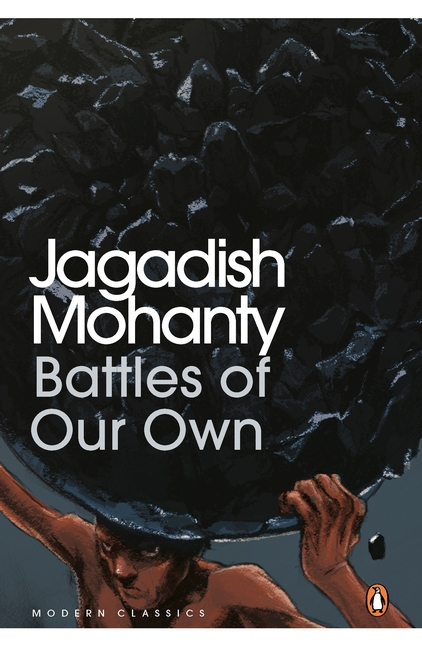
An Indian ‘industrial novel’ from the winner of the 1990 Odisha Sahitya Akademi Award
Jagadish Mohanty’s Battles of Our Own is a rare work of modern Odia and Indian fiction. It seeks to delineate a world that is off the grid. Its action unfolds in the remote and non-descript Tarbahar Colliery-a fictional name for the over hundred-year-old open-cast Himgiri Rampur coal mine in the hinterland of western Odisha. A work of gritty realism in its portrayal of a dark and dangerous underworld where coal is extracted, the novel poignantly reveals the primeval struggle between man and brute nature.
Offering a complete experience of the ‘industrial novel’-face offs between trade unions and management, trade union rivalry, and clandestine deals between enemy camps-this work brings alive Mohanty’s literary genius, which takes us to a world beyond the simplistic binary division between the worker and the master. The novel unravels a complex, fractious, and nuanced picture of the human condition.
This sensitive and evocative rendering by Himansu S. Mohapatra and Paul St-Pierre captures the thrill, beauty, horror and tragedy of this fictional tour de force.
Vultures
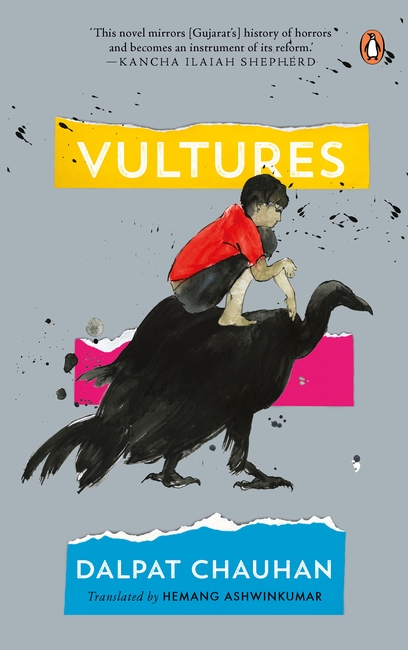
Gujarat, 1964. The agrarian system of renewable annual contract mandates fulltime labour on the houses and farms of landlords. In these bleak circumstances, Iso, a tanner by birth, graduates from being a child labourer to an adult serf on the estate of Mavaji. His life is one of humiliation, hunger and drudgery, and the only respite comes in the form of Diwali, Mavaji’s daughter. Between them exists a physical relationship that is shrouded in secrecy, shame and fear. Even as Iso creates distance between them, a chance encounter turns to violence and tragedy, and he faces the brutal sword of caste patriarchy.
Based on the blood-curdling murder of a Dalit boy by Rajput landlords in Kodaram village in 1964, Vultures portrays a feudal society structured around caste-based relations and social segregation, in which Dalit lives and livelihoods are torn to pieces by upper-caste vultures. The deft use of dialect, graphic descriptions and translator Hemang Ashwinkumar’s lucid telling throw sharp focus on the fragmented world of a mofussil village in Gujarat, much of which remains unchanged even today.
Hungry Humans
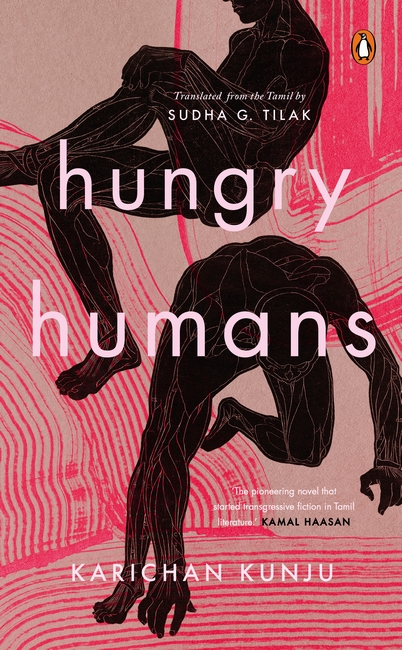
Ganesan returns, after four decades, to the town of his childhood, filled with memories of love and loneliness, of youthful beauty and the ravages of age and misfortune, of the promise of talent and its slow destruction. Seeking treatment for leprosy, he must also come to terms with his past: his exploitation at the hands of older men, his growing consciousness of desire and his own sexual identity, his steady disavowal of Brahminical morality and his slowly degenerating body. He longs for liberation-sexual, social and spiritual-but finally finds peace only in self-acceptance.
This translation of the groundbreaking Tamil novel Pasitha Manidam, first published in 1978, offers deep insight into the conservative and caste-conscious temple town of Kumbakonam, viewed here with dispassionately cold clarity as a society that utterly fails its own. Sudha G. Tilak deftly builds upon Karichan Kunju’s prose to expose this world, raw, real, without frills or artifice. The themes of masculinity, desire and sexuality, caged within caste and repression, all combine to give readers front-row seats to the many acts we put on for and as a community.