Translated from the Bengali by Bhaskar Chattopadhyay
From one of the greatest Bengali novelists of all time
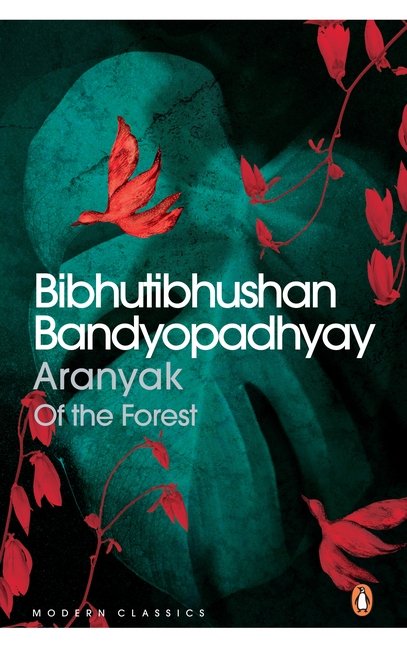
Aranyak, written in 1939, is a famous Bengali novel by Bibhutibhushan Bandyopadhyay based on his long and arduous years in northern Bihar. There he came into contact with a part of the world that, even now, remains unknown to most of us. ‘Aranyak’ literally means ‘Of the Forest’.
This novel explores the simple and heart-warming story of a man who gets a job as an estate manager in Bihar, and slowly falls in love with the beautiful and tranquil forest around him. The dichotomy of urban and rural life comes alive, reflecting the great love that human beings and nature can share, one that Bandyopadhyay experienced in his heart. Written by one of the greatest Bengali authors, this haunting novel is rooted in guilt and sadness but also tremendous beauty.

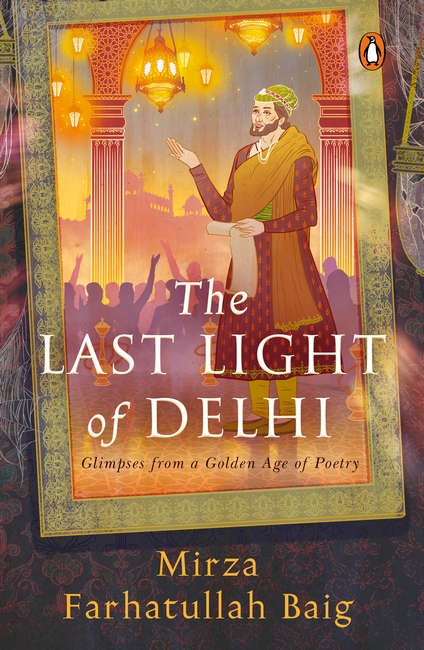
Farhatullah Baig imagines a mushaira as it might have been in the last glory days of Delhi, during the mid-nineteenth century, lit by the glowing embers of the dying Mughal empire.
The Last Light of Delhi is the story of a last grand mushaira held in the city of Delhi circa 1845. Though the mushaira is fictional, the book is a cultural document of the age, taking the reader on a journey in time to a past when poetry flowed through the streets of the city. It paints a portrait of a lost world, of the life and living styles of the upper classes of Delhi in the decade before the fateful year of 1857.
Baig takes the reader into the sitting rooms of some of the most iconic people of the time, from Mirza Ghalib to Bahadur Shah Zafar, giving us a glimpse into their private lives, describing their homes, their manners, their ways of dressing and talking, filling his portraits with colour and detail so that the poets appear vividly before us-and when they begin to recite their poems in the mushaira, it seems as if each poet is speaking out from the pages of the book.

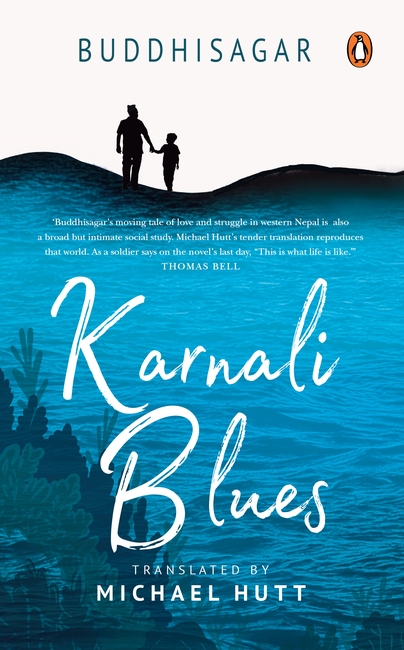
Karnali Blues, by Buddhisagar, is the most widely read Nepali novel to have appeared in the last twenty years. As it recounts the evolution of a father-son relationship-a son’s search for approval, a father’s small acts of kindness and forgiveness, a son’s fears for his father’s dignity as his fortunes and faculties begin to fail-the reader is deeply drawn into young Brisha Bahadur’s world. His father is kind and idealistic; his mother, though she is kind too, is often frustrated and irascible. The characters in this book are some of the most carefully drawn and authentic in all of Nepali literature.
In a backwater district of a country about to undergo radical social, political and cultural change, Brisha’s dreams, his games and his mischief, his loves, his hopes and his fears come alive.
Translated from the Nepali by Michael Hutt, this highly original piece of work, with the simplicity of its language and its emotional range, holds the power to take your breath away. Its principal themes-the love between a son and his father, the joys and sorrows of childhood, the daily struggle for survival-are universal, and will resonate with readers the world over.

A NATIONAL BESTSELLER
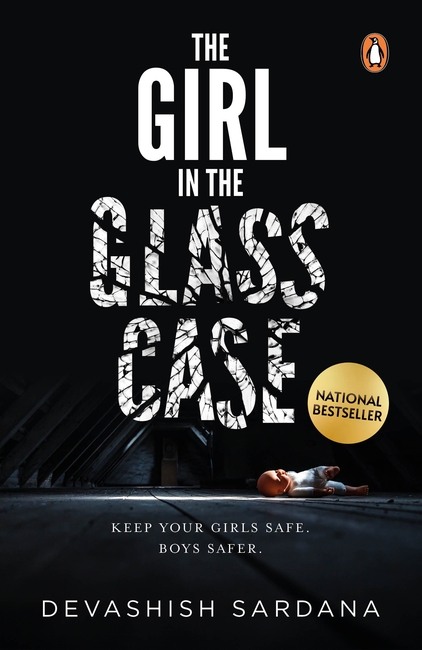
Simone Singh is a feisty IPS officer who would rather spend her days locking up criminals than apologizing for her lack of social skills. Freshly back from an unjust suspension, Simone is forced to team up with DSP Zoya Bharucha, an empathetic officer who’s as loved in the police force as Simone is shunned.
Tasked with hunting the Doll Maker-who dresses up her victims as pretty Barbie dolls and displays them in glass cases-both must set aside their differences and work together as one team. But Simone and Zoya know that time is running out to piece together the clues as the Doll Maker has made it clear that she has just begun.
Riveting and relentlessly paced, The Girl in the Glass Case is a jaw-dropping, psychological crime thriller that will keep you guessing till the last page.
—
‘Full of intriguing characters and sharp plot twists. A typical thriller makes you break into instant sweat and feel stalked. Sardana’s, for a change, makes you pause and mull over life’s gains and losses.’ The Hindu
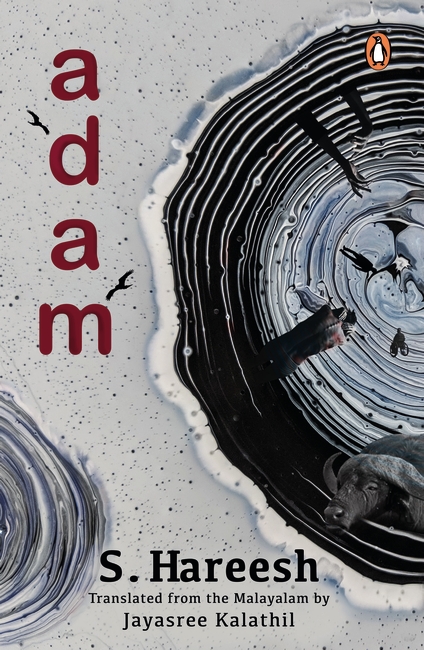
AN AWARD-WINNING SHORT STORY COLLECTION BY THE WINNER OF THE JCB PRIZE FOR LITERATURE
‘S. Hareesh, in these astonishing stories, takes an honest joy in human villainy’ ANJUM HASAN
‘An inspired translation of a brilliant constellation of stories’ NAMITA GOKHALE
‘A gloriously tangled web of lives that intersect in hilariously unsavoury, yet always human, ways’ JANICE PARIAT
Four Belgian Malinois puppies, raised by an ex-serviceman, who end up in four different life situations; two men who play a game made out of death notices clipped from newspapers; a man who exploits his friend’s disability to satisfy his own bestial needs; a government employee who is intoxicated by the taste of wild meat and sinks deeper and deeper into the toxic world of hunting; two buffaloes who break away from their butcher, leading an entire village to chase after them; an old man who rejoices in the death of a sworn enemy who was once his friend.
S. Hareesh’s Adam explores the more difficult of human emotions-lust, anger, jealousy, vengeance and greed. Translated from the Malayalam, the collection presents nine unusual stories about ordinary people, their passions and their diverse destinies in a world where humans, animals and nature collide. Hareesh’s unique style of storytelling, which mixes astute social observation with an irreverent and sarcastic tone, makes these stories invigorating, and pushes the craft of the short story to new and refreshing realms.
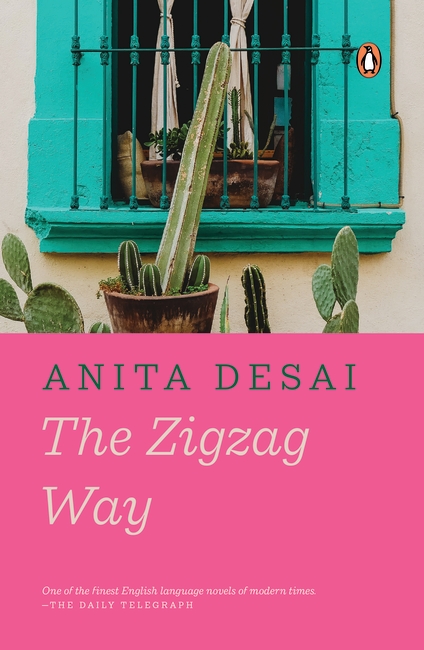
Eric is a buttoned down Boston boy, a misfit in his family of hearty fisher folk. Uncertain he will ever complete the book on immigration he has been funded to write, he impetuously decides to follow his bossy girlfriend to Mexico. There, he is seduced by the pageantry of this colourful new country and its old world charm, and stumbles on an astonishing discovery – his grandfather was one of the Cornish miners who worked the local mines more than a hundred years ago, and once had another wife. Soon, Eric will find himself abandoning his own tentative future project in search of his family’s other lives.
The Zigzag Way is the story of twentieth century Mexico, through civil unrest and personal calamity; of the exploitation of the Mexican Indians, and their dubious saviours, such as the formidable Doñavera, widow of a mining baron, and eric’s own grandmother, a young Cornish girl whose grave lies in a hillside cemetery. And in unravelling their dark, often violent, histories on the día de los Muertos, the day locals celebrate and remember their dead, Eric comes face to face with his own story, its past and present; even, the afterlife. Haunting and luminous, the zigzag way is a magical novel of strange, elegiac beauty.

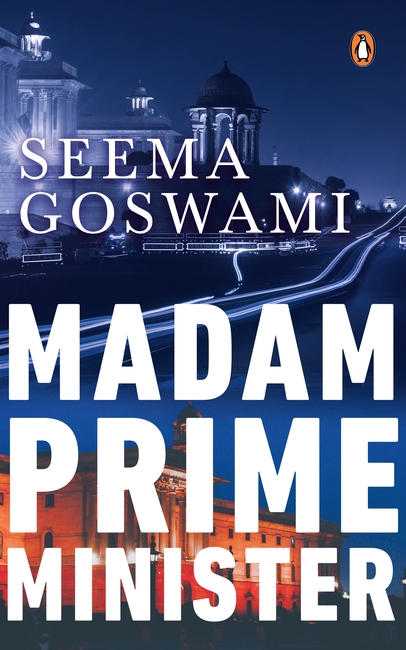
Asha Devi is India’s youngest ever Prime Minister. She is twenty-nine years old, charismatic and driven. Elevated to power after the assassination of her father she must prove that she is more than just a dynast.
But within days of her swearing-in, things begin to go wrong. Terrorists take hundreds of people hostage at Delhi’s top mall. Her coalition partner turns on her. Her step-brothers resent her accession. And she is caught up in a ratings war between two of India’s top TV channels and their self-obsessed anchors.
As Asha struggles to retain her hold on power, defeat the terrorists, keep her family together, win over coalition partners and tackle the beast of 24×7 news TV, she never loses sight of one objective: She must track down the man who murdered her father.
Written in a cinematic, fast-moving style this book offers an insider’s view of how things move at the top echelons of government and gives us a rare peek into the underbelly of the TV news business. It also brings back Asha Devi, the much-admired heroine of Seema Goswami’s bestselling Race Course Road.
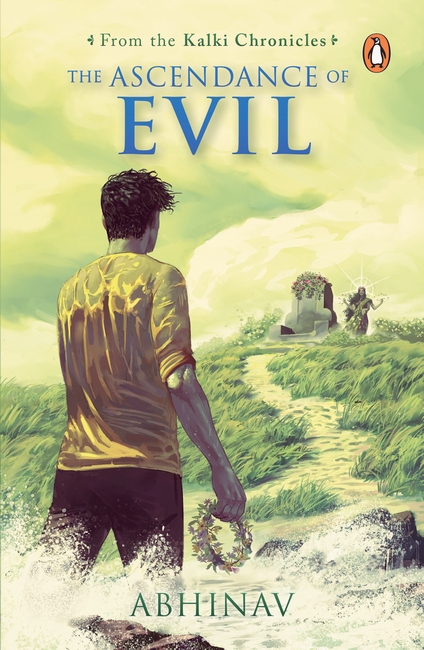
‘If I am here, in the flesh, then I am not here to forgive. I am here to conclude.’
Anirudh, the Kalki avatar, has been slain by the enemy. His allies swiftly regroup, not having the luxury to mourn the fallen hero. Bewildered at their loss, they look towards Avyay, who wields the mantle of the avatar now. Taking over the reins of the battle, the group faces the inevitable challenge as Ashwatthama fulfils his mission: resurrecting Kali, the Lord of Evil. Will the forces of Kalki be able to save the earth or will everything perish? With unforeseen surprises and events stretching across realms known and unknown, and across yugas present and past, this third instalment concludes the Kalki Chronicles with an ending that you never saw coming
A thrilling plotline and conclusion that will have the reader at the edge of their seat.
The final book in the three-part mythological saga: The Kalki Chronicles. For all Indian mythology fans and readers of the epics: the Mahabharata and the Ramayana.

A bustling city. A farmstead in a verdant village. A fugitive. A scoundrel. And an unfolding series of events seen through the eyes of a child.
This gritty novel, while offering the reader delightful glimpses of daily life in the two regions of southern India that form its setting, also brings them face to face with the less savoury and disturbing aspects of the human condition. The mostly lovable characters, who are at the mercy of a universe that does not discriminate between good and evil, cannot take anything for granted. Whether man, beast or bird, each must deal with their destiny according to their own nature and instincts. In the end, they find that they have only themselves, and their relationships with each other, to fall back on.
Poignant and perceptive, Chamor will haunt you for a long time.
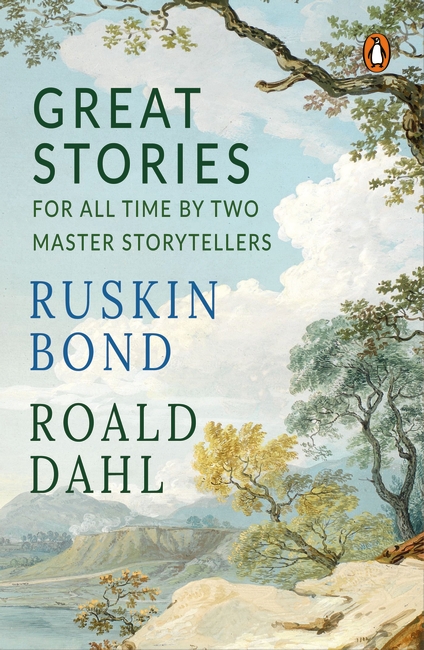
A SPECIAL COLLECTOR’S ITEM WITH THE BEST OF THE TWO MOST-LOVED STORYTELLERS
This box set brings together for the first time two masters of storytelling, to offer readers the best variety of fiction in a single package! From humour to horror, romance to thriller, humour to sadness, and an entire spectrum of human emotions, these two books have it all. A perfect collection to adorn your shelf and to gift to loved ones.
The Best of Roald Dahl
A great selection of Dahl’s most-read stories from his bestsellers: Over to You, Someone Like You, Kiss Kiss and Switch Bitch. Hypnotized from the first sentence, you will remain spellbound as Roald Dahl unravels his fiendish fictions with their satisfying twist-in-the-tale finales, as he leads you through the dangers of gambling for high stakes over wine, the perils of being a vegetarian and the macabre consequences of a night-time seduction . . . This book is, quite simply, Roald Dahl at his sinister best.
The Best of Ruskin Bond
Experience the best of four decades of Ruskin Bond’s writing in one book. This consolidated anthology has selections from all of Ruskin’s major books and includes his classic novel, Delhi Is Not Far. Accompanied by an endearing collection of essays, beautiful excerpts from different stories, serene poems and short stories, this book finds a way to create a unique literary landscape.