



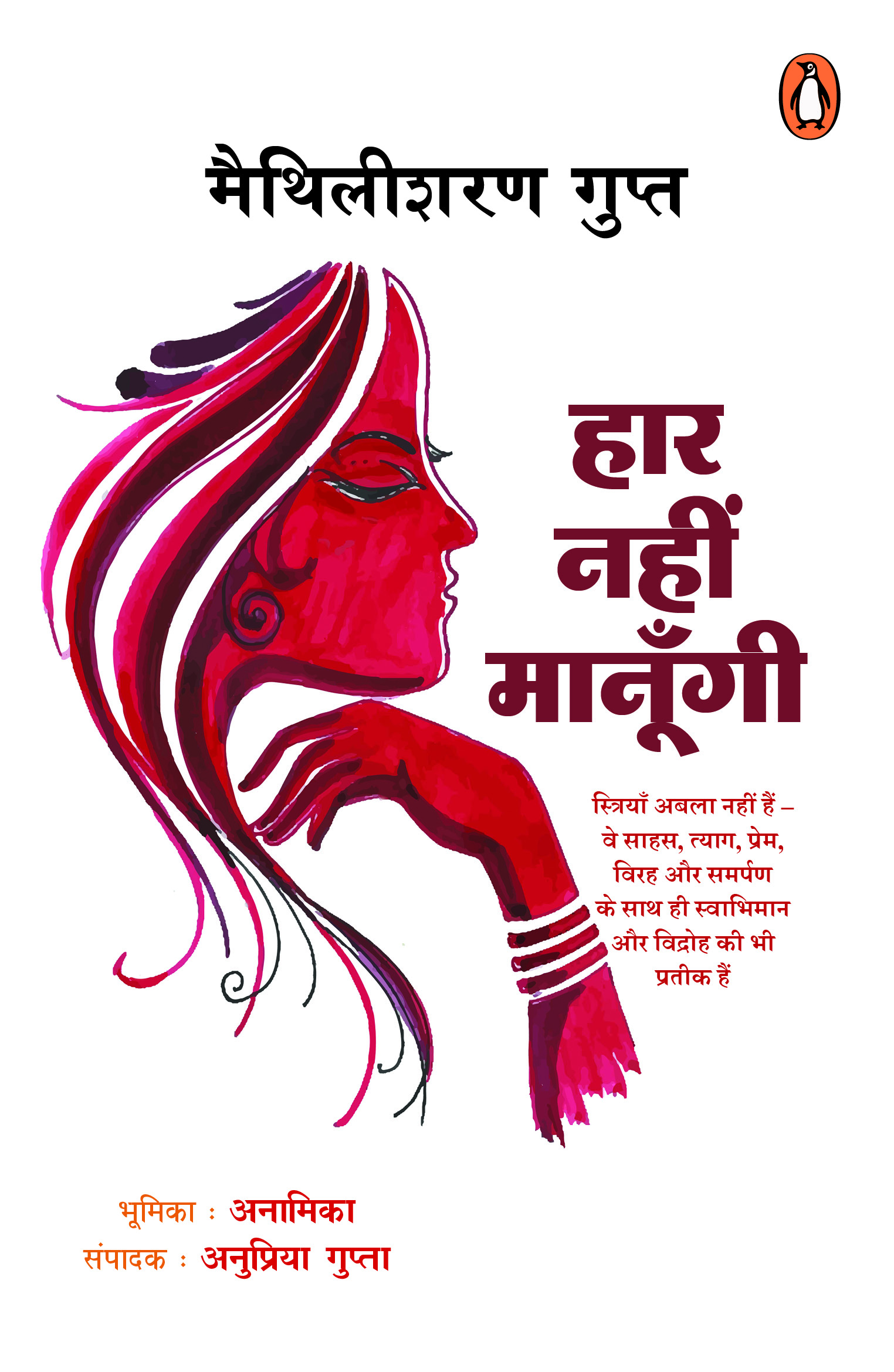
इस काव्य संग्रह में राष्ट्रीयता, समाज सुधार, युग बोध के साथ-साथ भारतीय संस्कृति एवं नारी का चित्रण हुआ है। गुप्तजी ने नारी को गौरवपूर्ण स्थान दिया है। उन्होंने अपने इस काव्य संग्रह में सीता, यशोधरा, उर्मिला, कौशल्या, द्रौपदी आदि के माध्यम से नारी के उज्ज्वल और संघर्षशील वैवाहिक रूप को निरूपित किया है। उनकी दृष्टि में नारी पुरुषों के समान ही समस्त कार्य कर सकती है, कंधे से कंधा मिलाकर चल सकती है।
Catagory: Poetry
The Loom Of Time
Kalidasa is the greatest poet and playwright in classical Sanskrit literature and one of the greatest in world literature. Kalidasa is said to have lived and composed his work at the close of the first millennium BC though his dates have not been conclusively established. In all, seven of his works have survived: three plays, three long poems and an incomplete epic. Of these, this volume offers, in a brilliant new translation, his two most famous works-the play Sakuntala, a beautiful blend of romance and fairy tale with elements of comedy; and Meghadutam (The Cloud Messenger), the many-layered poem of longing and separation. Also included is Rtusamharam (The Gathering of the Seasons), a much-neglected poem that celebrates the fulfillment of love and deserves to be known better. Taken together, these works provide a window to the remarkable world and work of a poet of whom it was said: ‘Once, when poets were counted, Kalidasa occupied the little finger; the ring finger remains unnamed true to its name; for his second has not been found.’
Migrants and Other Poems | A Collection of Reflective Poetry on Loss, Migration, and Displacement
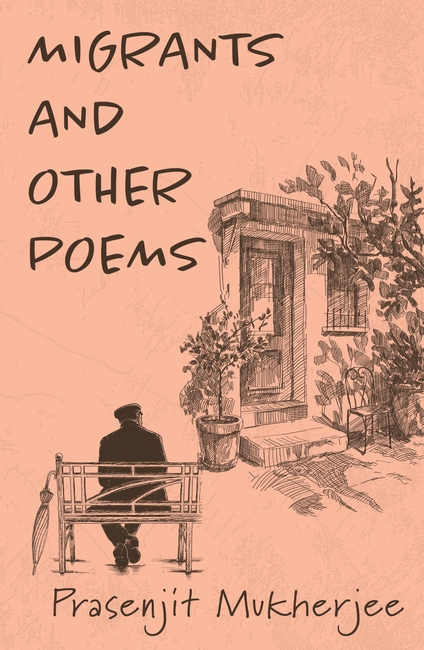
An old man sits in a corner of the verandah, gazing at the distant horizon—remembering a homeland he can never return to, a home and hearth left behind in exchange for an uncertain future in an alien land, his evenings tinged with sorrow.
From such moments, Mukherjee’s poems draw their quiet power, evoking the ache of loss: of homeland, of loved ones, and of the self in the anonymity of modern life. Shaped by images and myths, and written with empathy and delicacy, these poems linger on rootlessness and apathy, the fragility of human relationships, and the fleeting, impermanent nature of existence.
Bharat Bharti / भारत भारती
भारत-भारती राष्ट्रकवि मैथिलीशरण गुप्त द्वारा रचित एक अत्यंत प्रसिद्ध हिंदी काव्य-ग्रंथ है। भारत-भारती को तीन मुख्य खंडों में बाँटा गया है :
अतीत खंड : इस खंड में भारतवर्ष के गौरवशाली इतिहास, समृद्ध सभ्यता, संस्कृति, कला-कौशल और वीर पुरुषों के आदर्शों का गुणगान किया गया है।
वर्तमान खंड : कवि ने इस भाग में तत्कालीन भारत की दुर्दशा, सामाजिक कुरीतियों, अवनति और ब्रिटिश औपनिवेशिक शासन के कारण हुए पतन का चित्रण किया है।
भविष्यत् खंड : इस अंतिम खंड में भारतीयों को उनके कल्याण की ओर अग्रसर होने और एक उज्ज्वल भविष्य के निर्माण के लिए प्रेरित किया गया है।
भारत-भारती की लोकप्रियता का आलम यह रहा है कि आज से 100 वर्ष पूर्व ही प्रभातफेरियों, राष्ट्रीय आंदोलनों, शिक्षा संस्थानों, प्रातःकालीन प्रार्थनाओं में भारत-भारती के पद गाँवों-नगरों में गाए जाने लगे थे। आज भी 12वीं, बीए, एमए, यूपीएससी, आईरईईटी, सीयूईटी, यूजीसी नेट इत्यादि परीक्षाओं में भारत-भारती से संबद्ध प्रश्न पूछे जाते हैं, इसीलिए इस पुस्तक में विशेष प्रश्नोत्तरी भी दी गई है।
The Yellow Metaphor
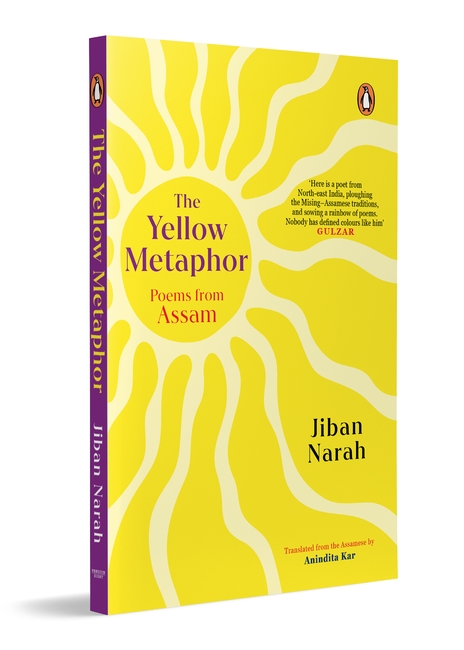
The Yellow Metaphor gathers over three decades of Jiban Narah’s shimmering poems, offering a powerful voice from Assam and India’s North-east. Steeped in Mising and Assamese lore, his verses carry the Brahmaputra’s memory, the ache of displacement and the quiet rebellions of longing.
Nature, myth, politics and desire braid into incandescent reflections on the human spirit. Translated with luminous care by Anindita Kar, this landmark collection reveals a tender, unflinching, metaphor-rich imagination that lingers long after reading.
Pankh Diye Aakash Na Doge / पंख दिए आकाश न दोगे
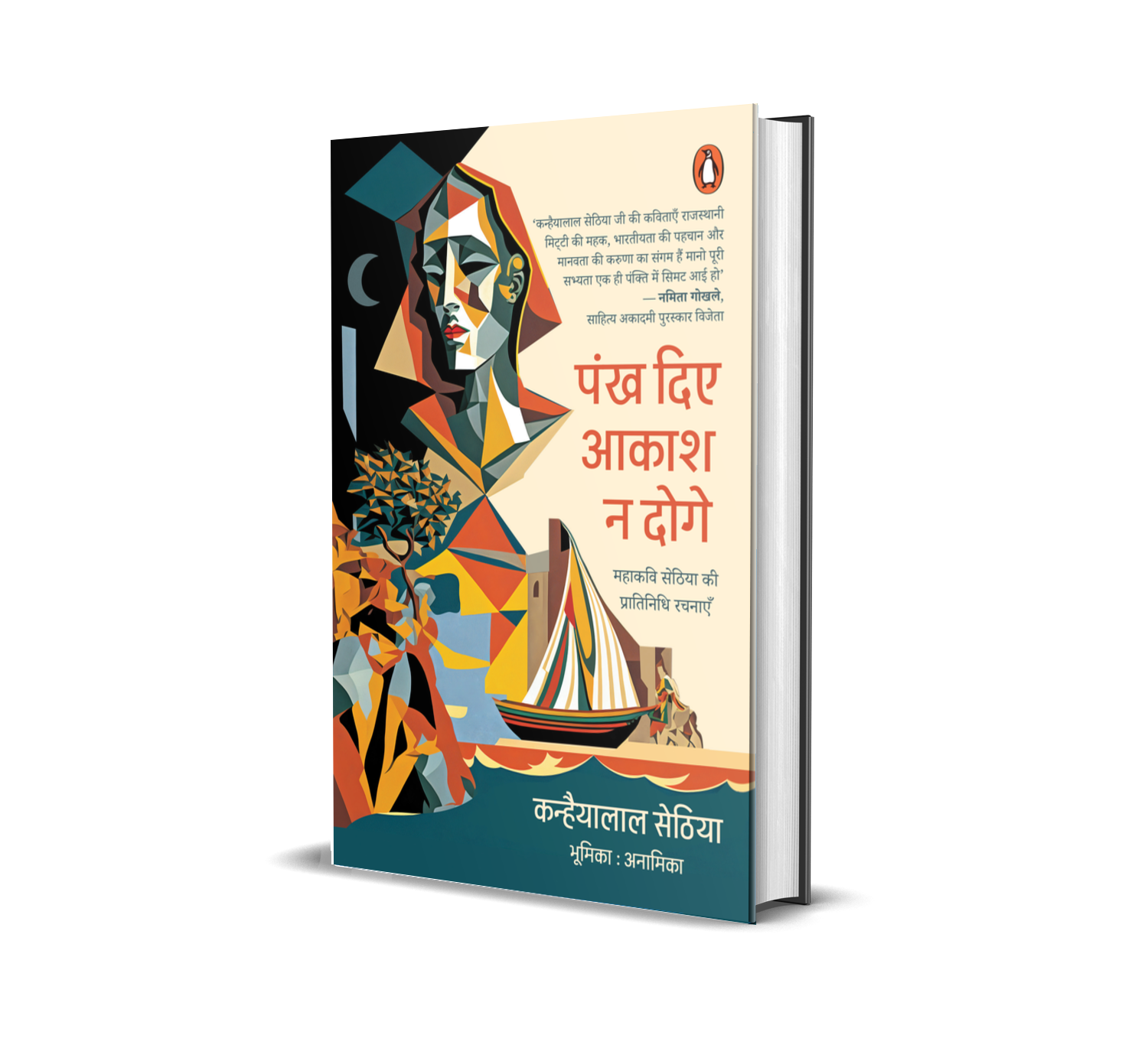
राजस्थान के जनकवि कन्हैयालाल सेठिया हिंदी और राजस्थानी साहित्य के ऐसे स्वर हैं जिनकी कविताएँ लोक की आत्मा से उपजी हैं। इस संकलन में उनकी वे चुनिंदा रचनाएँ शामिल हैं जो मानवीय संवेदना, देशप्रेम, सामाजिक चेतना और प्रकृति की सुंदरता का सजीव चित्र प्रस्तुत करती हैं। उनकी कविताओं में रेगिस्तान की तपती रेत भी है और मनुष्य की अटूट आस्था की ठंडी छाया भी। सहज भाषा, गहरी भावनाएँ और लोक-सुगंध से भरपूर यह चयन पाठकों को जीवन के विविध रंगों से रूबरू कराता है।
“कविता उनके लिए केवल शब्द नहीं, जीवन का संगीत है।”
The Last Speaker
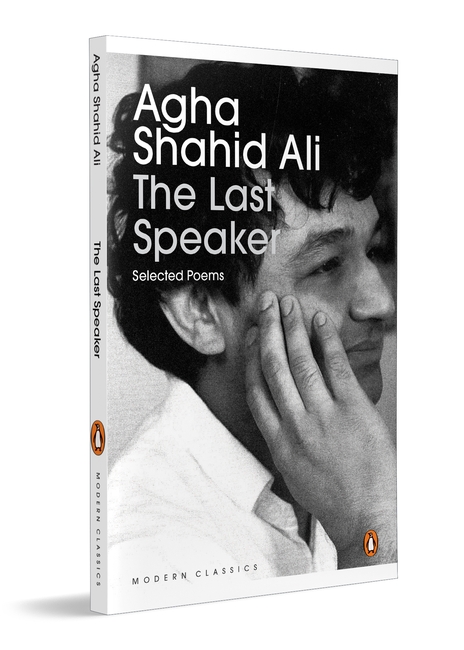
Agha Shahid Ali created poems that mesmerize and dazzle as they embrace his aesthetics and capture his landscapes of the heart.
The poems in The Last Speaker allow the reader to be immersed in history, memory, and nostalgia that Agha Shahid Ali wove into the tapestries he created as he evolved as a poet. Ranging from free verse to traditional poetic forms, his poetry encompasses canzones, sestinas, sonnets, sapphics, pantoums, villanelles, prose poems, and, of course, ghazals in English.
Since his death in 2001, scholarly articles and dissertations continue to delve into the craft of Agha Shahid Ali’s poetry. This selection offers a new lens that, while highlighting what are now his ‘classic’ poems, also brings to the forefront other poems that are even more haunting.
The Alphabets of Africa
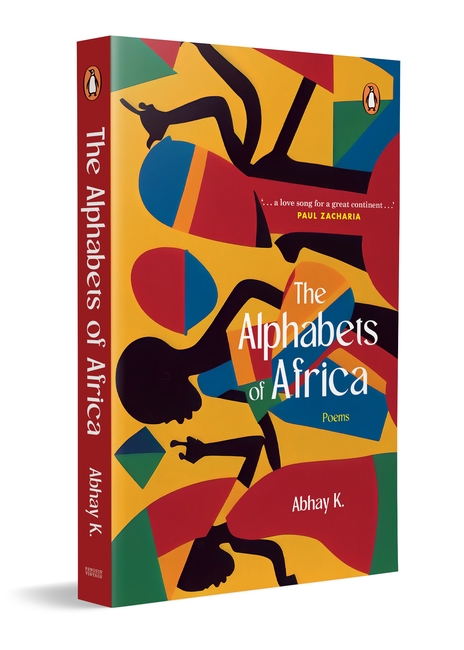
The Alphabets of Africa is an ode to a continent that continues to define the human journey. Through time, space and memory, these poems map Africa, celebrating its vast and vibrant tapestry. From the splendour of its ancient civilization to the pulse of contemporary African cities, to inspiring icons and leaders, this book summons Africa in all its depth and glory. Drawn from Abhay K.’s travels across the continent, these poems are an invitation to shed the inherited stereotypes and see Africa afresh.
Aameen / आमीन Paperback
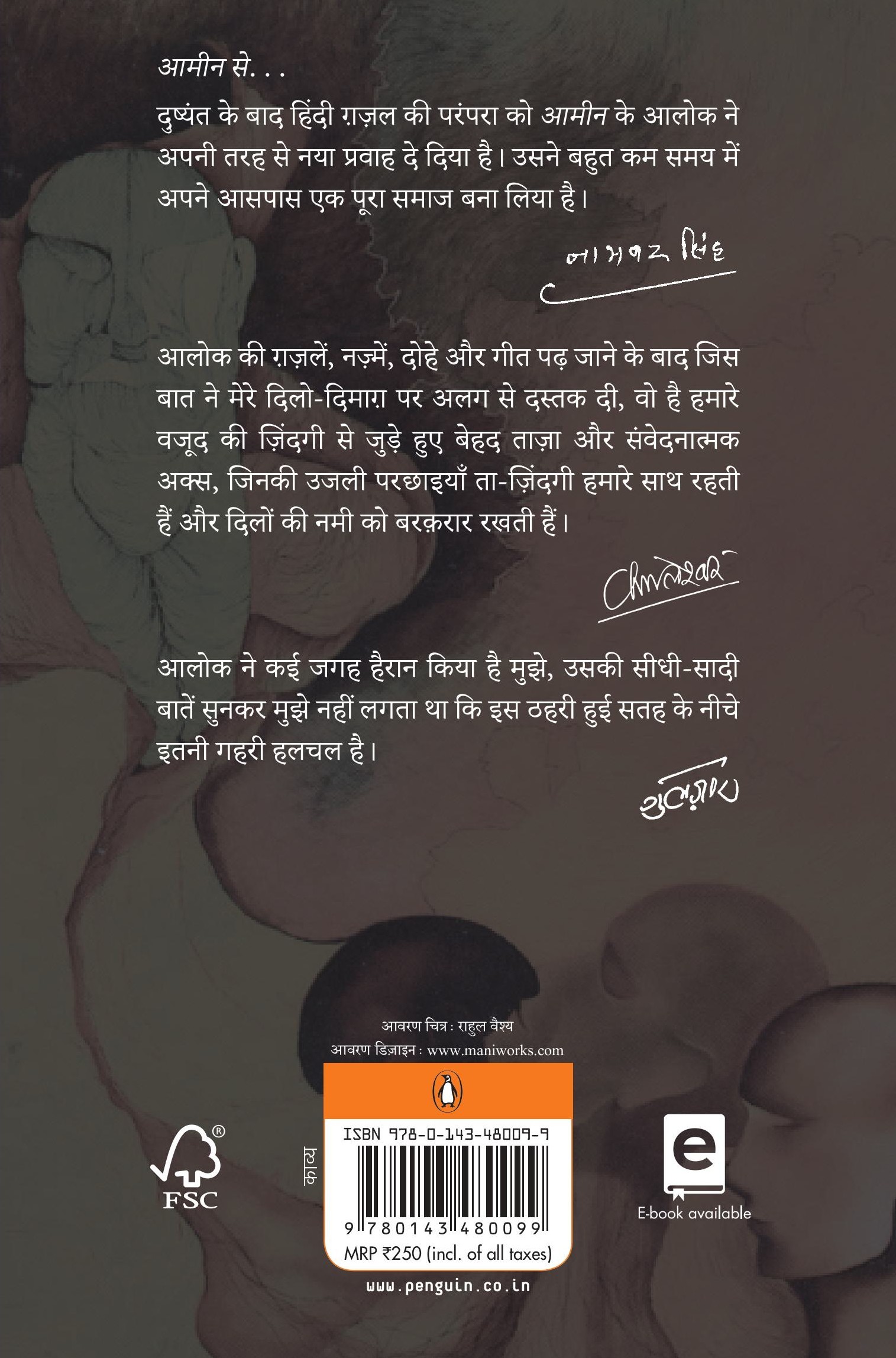
बाज़ारवादी युग में दरकते इन्सानी रिश्तों पर लिखी आलोक की ग़ज़लें उनके निजी अनुभवों का आईना हैं। ‘आमीन’ की कई रचनाओं में सामाजिक सरोकार के सबूत मिले जिसने आलोक को सहज ही बेदार और प्रगतिशील कवियों की क़तार में ला खड़ा किया—वह क़तार जो हिंदी ग़ज़ल और उर्दू ग़ज़ल की ख़ेमेबंदी से परे सिर्फ़ और सिर्फ़ ग़ज़ल की हिफ़ाज़त कर रही है।
‘आमीन’ के प्रथम संस्करण की भूमिका शीर्ष लेखक कमलेश्वर ने लिखी जो किसी पुस्तक पर उनकी अंतिम भूमिका के रूप में याद की जाती है और मशहूर शायर-फ़िल्मकार गुलज़ार के पेशलफ़्ज़ ने इस पर एक मुकम्मल संग्रह होने की मुहर लगाई। दो भाषाओं का पुल बनाने वाले एक नौजवान के पहले संग्रह पर हिंदी और उर्दू के दो शिखर क़लमकारों के शब्द इस बात की गवाही बने कि आलोक ने अपना अदबी इम्तेहान पूरी संजीदगी और तैयारी से दिया है जो बहुत हद तक सही साबित हुई; वहीं दूसरे संस्करण की भूमिका डॉ नामवर सिंह ने लिखी, इस शुभकामना के साथ कि ये रचनाएँ और दूर तक पहुँचे। आमीन!
33

33 is a soulful collection of short poems that explores the journey of personal growth and self-discovery through four distinct symbols—Earth, Water, Air, and Fire. Each section offers a unique exploration of the human experience, from introspection and emotional depth to creative expression and passionate action. Rooted in the power of numerology, the number 33 represents love, inspiration, and compassion, guiding readers on a path of healing and spiritual awakening. With evocative imagery and heartfelt language, 33 invites readers to reflect on their own lives, embrace their inner wisdom, and connect deeply with the world around them.