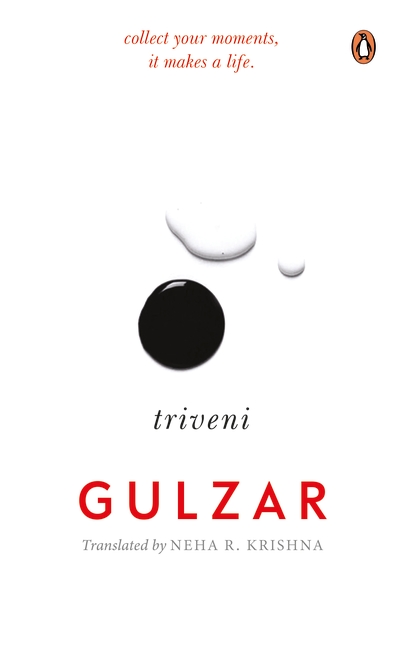
In Triveni are birds perched on branches, moonstruck musings, a house of straws, walking roses and unbridled desires of the heart. The poems are inhabited by lost lovers, unreturned books and bloodsucking rumours. A poetic form unique to Gulzar, Triveni is a confluence of three of India’s majestic rivers—the golden-hued Ganges, the deep green Yamuna and a third, the mythical one that lies beneath the former two, the Saraswati.
A form Gulzar began experimenting with in the 1960s, Triveni comes close to several classical Japanese forms of poetry such as the Haiku, Senryu and Tanka. The closest Indian forms to Triveni are the doha and shayari. In this stunning translation by Neha R. Krishna, Triveni have been transcreated as tanka and are ladled with musicality, breaking away from the charm of rhyme and metre. This collection, too, is a confluence or sangam of forms and nothing short of a gift from one of India’s most beloved poets.
Catagory: Poetry
Burning Roses in My Garden
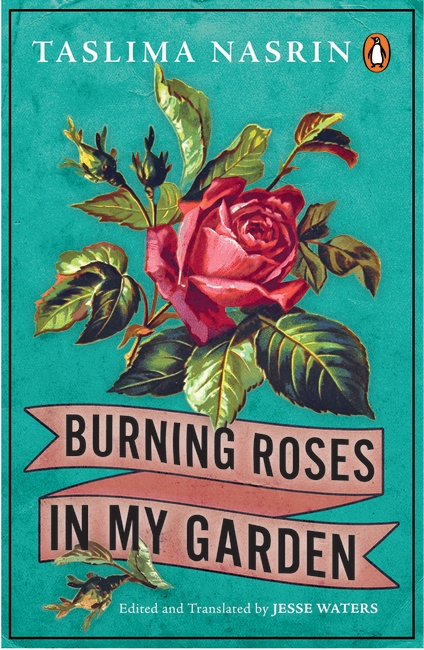
‘Have I not, having kept a man for years, learnt that it’s/ like raising a snake?/ So many animals on this earth, why keep a man of all things?’ writes one of the world’s most celebrated writers, Taslima Nasrin, in her first-ever comprehensive collection of poetry translated from the original Bangla into English. The poems get to the heart of being the other in exile, justifying one’s place in a terrifying world. They praise the comfort and critique the cruelty of a loved one. In these are loneliness, sorrow, and at times, exaltation. Relying almost entirely upon the free verse form, these poems carry a diction which is at once both gentle and fierce, revealing the experiences of one woman while defining the existence of so many generations of women throughout time, and around the world.
Girl to Goddess
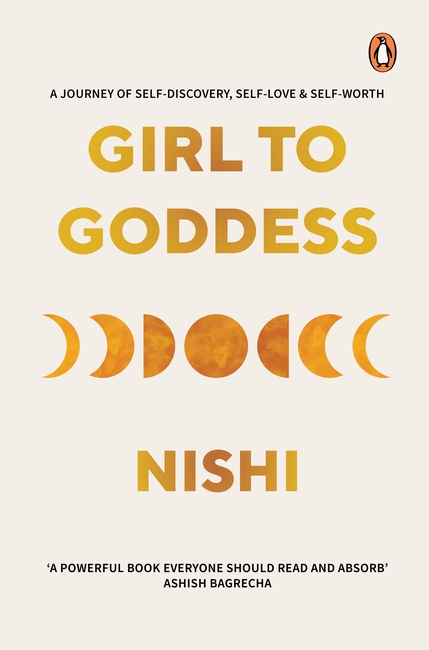
Girl to Goddess is a book of poetry written by popular Instagram poet Nishi. The poems in the book are deeply personal, touching on universal themes of struggle, pain and healing. Nishi writes candidly about her own struggles with finding happiness, dealing with relationships and the challenges she faced on her journey towards self-acceptance and self-love. She explores the idea of finding the inner divinity, or the goddess within, and how listening to this voice helped her find a sense of peace and purpose. She shares her personal journey of self-discovery and growth.
Through this collection of insightful poems, Nishi takes the reader on a journey of mistakes, failures, fears, lessons, perspectives and realizations about life, love and everything in between. She shares her vulnerabilities and opens up about her deepest emotions. Her words inspire readers to look inwards and embrace their own inner divinity, encouraging them to find their own path towards healing and self-love.
Girl to Goddess is a powerful and moving book of poetry that speaks to the struggles of the human experience and how one surmounts them. Nishi’s writing is a testament to the power of self-reflection and the importance of finding the goddess within, and her words will resonate with readers long after they’ve turned the final page.
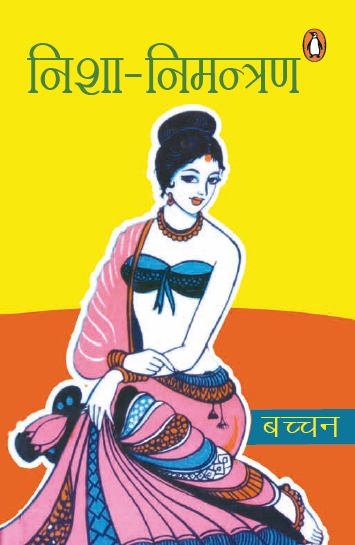
Nisha Nimantran
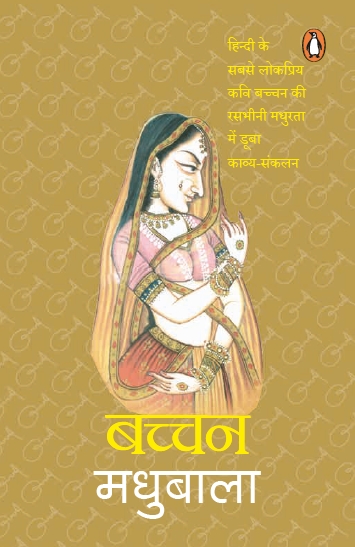
Madhubala
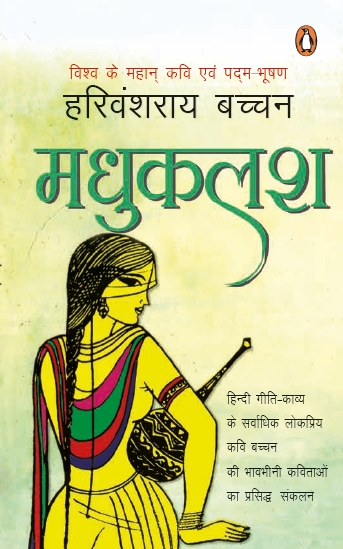
Madhukalash
Tagore
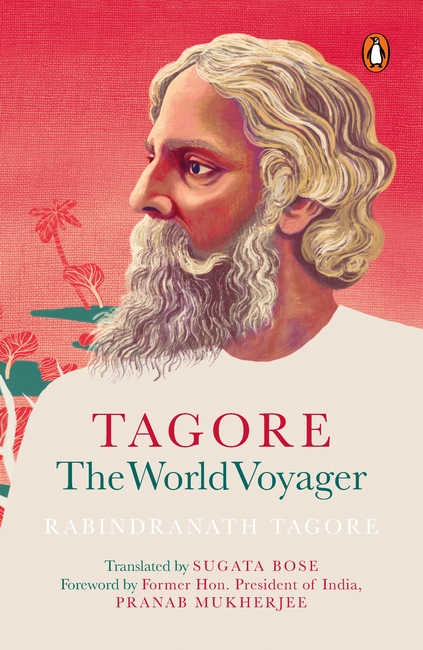
Tagore’s beautiful songs now available in English translation
For long considered untranslatable, Tagore’s songs express most profoundly his romantic and religious perceptions. Prof. Bose aims to convey the artistic value of Tagore’s songs beyond the limits of his province. The first part, ‘Oceanic Songs’, introduces the lyrics and tunes of the songs to a foreign audience through a narrative of Tagore’s travels during which he communicated with the wider world. Since Tagore wrote only forty of his nearly 2500 songs on his journeys abroad, the second part presents a selection of ‘songs in five genres’.
This book endeavours to reach Tagore’s songs to people beyond the borders of India, transcending the barriers of language on the wings of music.
Essential Reader: Sarojini Naidu
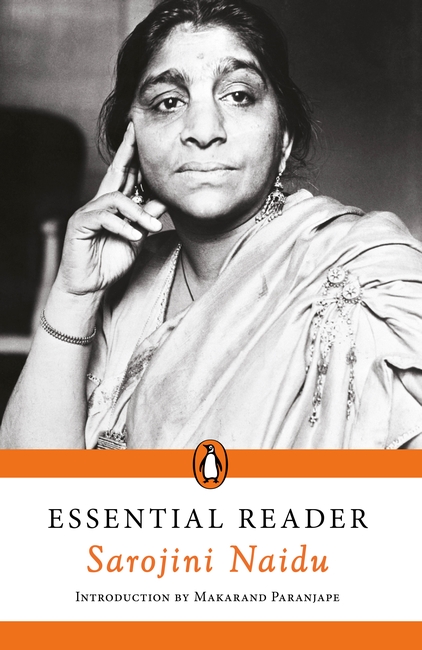
Sarojini Naidu was a prolific writer and speaker, publishing three collections of poetry during her life and delivered many rousing speeches throughout the freedom struggle and after India gained Independence. This book compiles her best-known work, as well as letters she wrote throughout her life to Mahatma Gandhi, Jawaharlal Nehru, Rabindranath Tagore and others, to provide a glimpse into the kind of person she was and the ideas she believed in.
Through these pages, we can witness her innermost thoughts and feelings, and the important role she played in shaping the country’s freedom struggle and its ideas as a young nation, particularly through rousing speeches on the Education of Indian Women and the Battle of Freedom is Over, which were broadcast over the All India Radio on 15 August 1947.
To the Bravest Person I Know
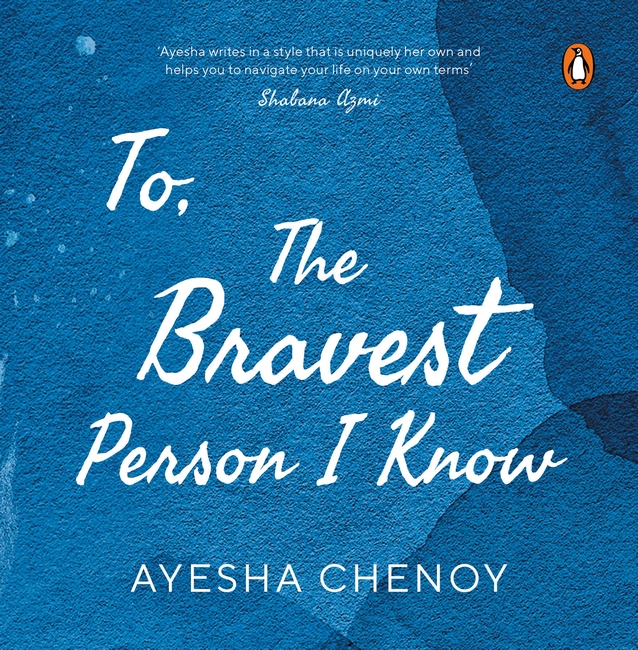
To the Bravest Person I Know is a book on poems that help us deal with difficult challenges we face in life. It explores mental health situations/issues like depression, anxiety, and other insecurities to help overcome them.
“Through her work, she hopes readers understand that they are not alone in their struggles and it is not difficult to navigate life on your own terms.” – The Hindu
From growing up with dysfunctional families to coming of age, from dealing with heartbreak, pain and grief to learning to accept and forgive, To, the Bravest Person I Know is your guide through every difficult situation. It is modern therapy delivered to you through a series of poems and a letter in verse that runs as a footnote from the beginning to the end of the book.
The poems explore the whole construct of ‘normal’, of that which was created to make people feel less normal if they don’t fit in, to make them feel ‘abnormal’. The book tells us that depression is normal, as is fear; feeling insecure is normal, as is hurting people. And bravery is about facing all of this-it’s about facing everything life
throws at you every day.
To, the Bravest Person I Know cuts through rainbows and self-righteous dross to provide a vaccine of truth, liberating and reminding us that we are all in a tunnel, and that it’s normal to feel like we may never get out. But there is light at the end of it.