



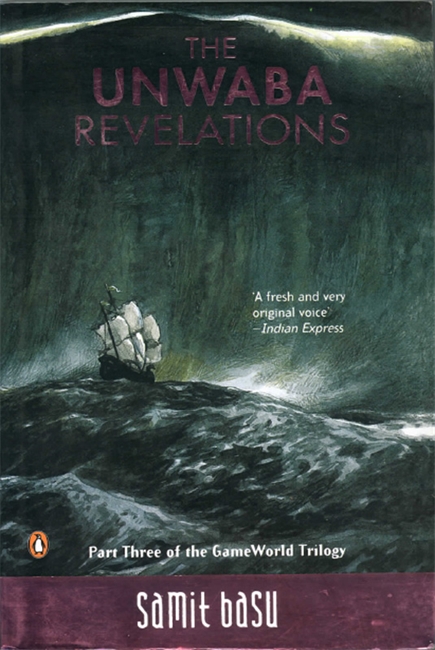
Under the all-seeing eyes of the assembled gods, armies are on the move. The Game has begun. And when it ends, the world will end too . . .
In The Unwaba Revelations, the third and concluding part of the GameWorld trilogy, a way must be found to save the world; to defeat the gods at their own game. A daunting prospect under any circumstances, made worse by the fact that the gods, who control all the heroes, are blatantly cheating by following only one rule—that they cannot be defeated by their own creations.
As epic battles ravage the earth, Kirin and Maya, guided only by an old, eccentric and extremely unreliable chameleon, and egged on by the usual rag-tag gang, carry out their secret plan; a plan so secret that, in fact, no one involved has any idea what they are doing!
Monsters, mayhem, mud-swamps; conspiracies, catastrophes, chimeras; betrayals, buccaneers, bloodshed—The Unwaba Revelations continues the roller coaster journey that began with The Simoqin Prophecies and gathered momentum with The Manticore’s Secret. Traversing earth, sea and sky, realms both infernal and celestial, worlds both imagined and material, this book will draw you irresistibly into a tantalizing, action-packed, epic race to reclaim the flawed, magical world of its heroes.
‘A fresh and very original voice’ —Indian Express
Praise for The Simoqin Prophecies and The Manticore’s Secret
‘Simoqin is a romp. It is quite simply the most fun book to see in print this year’ —The Times of India
‘Basu sprinkles [The Manticore’s Secret] with sass and spice, telling the tale from different points of view and in different voices—moving between each with ease and a sense of humour that is infectious’ —DNA
Catagory: Fiction
Fiction main category
The Shattered Thigh & Other Plays
The Girl
The Co-wife & Other Stories
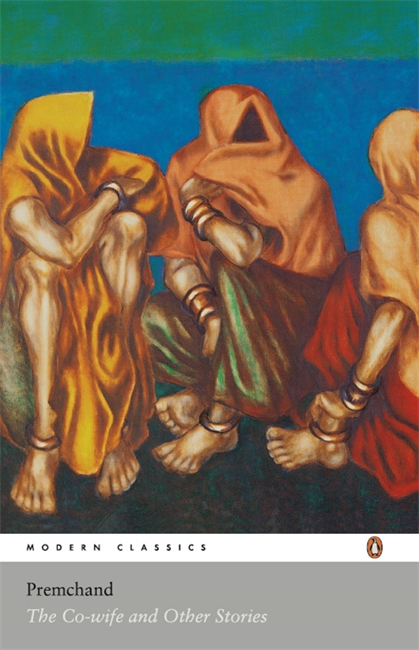
Premchand is India . . . If you haven’t read Premchand, you have missed out on a lot’ -The Hindu
Considered one of the greatest fiction writers in Hindi, Munshi Premchand (1880-1936) wrote over three hundred short stories, a dozen novels and two plays over a prolific career spanning three decades. Though best known for his stories exposing the horrors of poverty and social injustice, he wrote on a variety of themes with equal facility-romance, satire, social dramas, nationalist tales, and yarns steeped in folklore.
The Co-wife and Other Stories brings together twenty classic tales of Premchand which provide a glimpse of the author’s extraordinary range and diversity. While some cast a harrowing look at poverty, reflecting Premchand’s sympathy with the underdog, others expose human foibles without being judgmental and tackle gender politics in a humorous and ironic manner. This collection also includes an imaginative foray into historical fiction, a nostalgic look at childhood, a comic exploration of the theme of women’s autonomy, and stories that reveal the writer’s profound empathy with animals.
Ruth Vanita’s sensitive translation captures the power and beauty of Premchand’s language, conveying the nuances of the original and bringing to life the author’s inherent humanism.C
Sacred Games
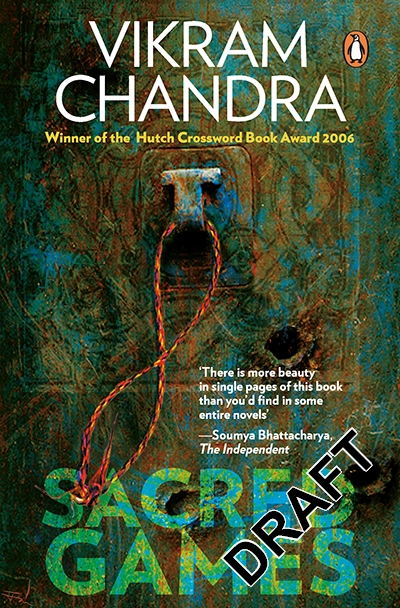
WINNER OF THE HUTCH CROSSWORD BOOK AWARD 2006 FOR BEST WORK IN ENGLISH FICTION Seven years in the making, Sacred Games is an epic of exceptional richness and power. Vikram Chandra’s novel draws the reader deep into the life of Inspector Sartaj Singh, and into the criminal underworld of Ganesh Gaitonde, the most wanted gangster in India. This is a sprawling, magnificent story of friendship and betrayal, of terrible violence, of an astonishing modern city and its dark side. Drawing on the best of Victorian fiction, mystery novels, Bollywood movies and Chandra’s years of first-hand research on the streets of Mumbai, Sacred Games reads like a potboiling page-turner but resonates with the intelligence and emotional depth of the best of literature.
Tamas
‘Tamas drove the point home that ordinary people want to live in peace’ -The GuardianSet in a small-town frontier province in 1947, just before Partition, Tamas tells the story of a sweeper named Nathu who is bribed and deceived by a local Muslim politician to kill a pig, ostensibly for a veterinarian. The following morning, the carcass is discovered on the steps of the mosque and the town, already tension-ridden, erupts. Enraged Muslims massacre scores of Hindus and Sikhs, who, in turn, kill every Muslim they can find. Finally, the area’s British administrators call out the army to prevent further violence. The killings stop but nothing can erase the awful memories from the minds of the survivors, nor will the various communities ever trust one another again. The events described in Tamas are based on true accounts of the riots of 1947 that Sahni was a witness to in RawalpPBI – Indi, and this new and sensitive translation by the author himself resurrects chilling memories of the consequences of communalism which are of immense relevance even today.
Bioscope Man
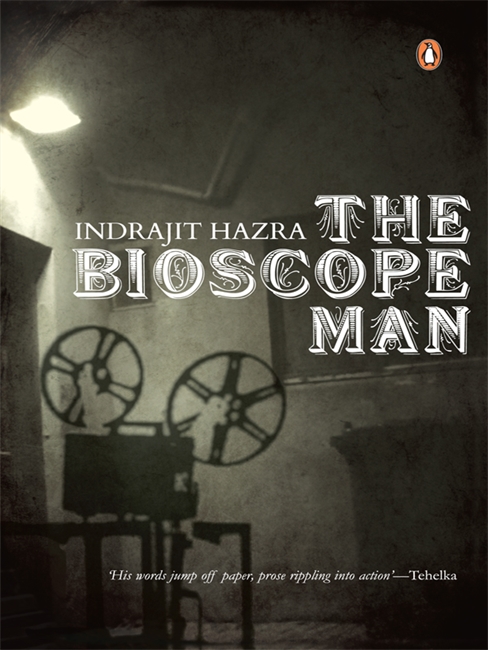
As Calcutta’s star begins to fade, with the capital of His Majesty’s PBI – India shifting to Delhi, Abani Chatterjee’s is on the rise. He is well on his way to becoming the country’s first silent-screen star. But just as he is about to find fame and adulation, absurd personal disaster—a recurrent phenomenon in the Chatterjee household—strikes, and Abani becomes a pariah in the PBI – World of the bioscope. In a city recently stripped of power and prestige, and in a family house that is in disrepair, Abani spins himself into a cocoon of solitude and denial, a talent he has inherited from both his parents. In 1920, German director Fritz Lang comes calling, to make his ‘PBI – India film’ on the great eighteenth-century Orientalist Sir William Jones. When Abani is offered a role, he convinces Lang to make a bioscope on Pandit Ramlochan Sharma, Jones’s Sanskrit tutor, instead. Naturally, Abani plays the lead. The result is The Pandit and the Englishman, a film that mirrors the vocabulary of Abani’s life, hinting at the dangers of pretence and turning away, the virtues of lying and self-deception, the deranging allure of fame and impossible affections. Afterwards, Abani Chatterjee writes a long letter, in which he tells his story. Witty, at times dark, and always entertaining, The Bioscope Man is that story.
The Coffer Dams
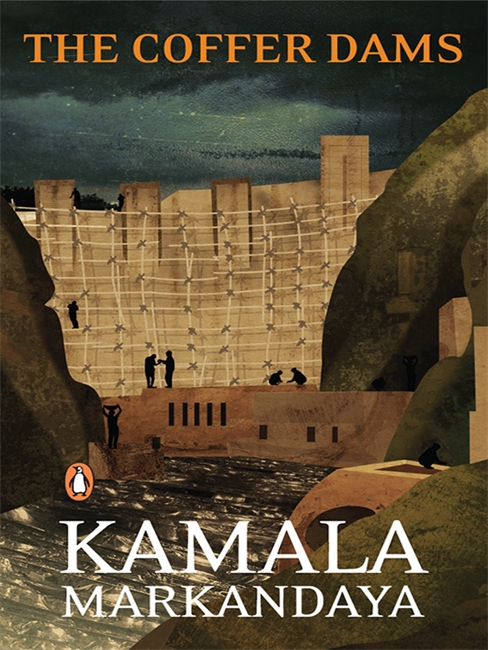
Clinton, founder and head of a firm of international construction engineers, arrives in India to build a dam, bringing with him his young wife, Helen, and a strong team of aides and skilled men. They are faced with a formidable project, which involves working in daunting mountain and jungle terrain, within a time schedule dictated by the extreme tropical weather. Inevitable setbacks occur; accidents and friction among the mixed labour force present further complications. But to Clinton the building of the dam is more than a challenge; it is an obsession—not, however, shared by Helen.
Appalled by her husband’s concern with structures rather than with men, she turns to the local Indian tribesmen, finding in them the human values she finds lacking in the British camp. With relations between the Clintons becoming increasingly raw-edged, the first rains fall and, as the torrents sweep the valley and the level of the river rises, so does the tension in the beleaguered camp. The vital question looms: to breach the coffer dams, or allow them to stand, thereby placing the lives of the tribesmen in jeopardy. It is a fundamental question that splits the camp exposing the lingering prejudices of a bygone colonial era.
First published in 1969, The Coffer Dams is vintage Kamala Markandaya, a pioneer who influenced many Indian writers in English.
A Handful Of Rice
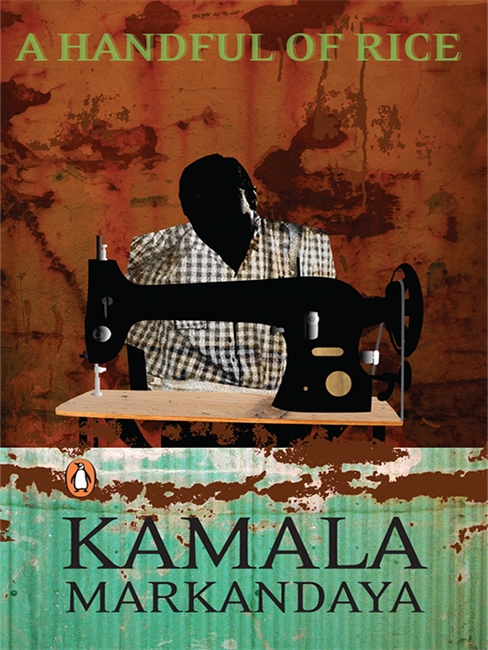
A poignant novel about the triumph of the human spirit over poverty’s privations and predicaments Ravi, the son of a peasant, joins in the general exodus away from destitution. The indifferent and harsh streets of the city lead him to the underworld of petty criminals. A chance misdeed acquaints him with Apu, a tailor. Ravi begins working as Apu’s apprentice, and when he falls in love with Nalini, Apu’s daughter, he joins the already crowded household. Apu dies, and Ravi perseveres with the respectable life, facing the problems of shortage of food, illness, dwindling customers. After the death of his son, he reverts to the life of a petty criminal, and is inexorably drawn towards a dangerous climax. In A Handful of Rice, Kamala Markandaya, best-selling author of Nectar in a Sieve, once again recreates the life of the poor with compassion and respect, presenting an overwhelmingly real book.
Moving On
A father who delights in the human body, its mysteries, its passion, and the knowledge that it contains and conceals. A mother who wields the power of her love mercilessly. A sister separated in childhood. An uncle who plays games of life and death as a member of the Bombay underworld. A passionate love affair that tears the family apart. And a young woman left to make sense of the world and of her own sexuality. Shashi Deshpande’s novel is about the secret lives of men and women who love, hate, plot and debate with an intensity that will absorb every reader.
It is a story that begins, conventionally enough, with a woman’s discovery of her father’s diary. As Manjari unlocks the past through its pages, rescuing old memories and recasting events and responses, the present makes its own demands: a rebellious daughter, devious property sharks and a lover who threatens to throw her life out of gear again. The ensuing struggle to reconcile nostalgia with reality and the fire of the body with the desire for companionship races to an unexpected resolution, twisting and turning through complex emotional landscapes.
In Moving On Shashi Deshpande explodes the stereotypes of familial bonds with an uncanny insight into the nature of human relationships and an equally unerring eye for detail.