



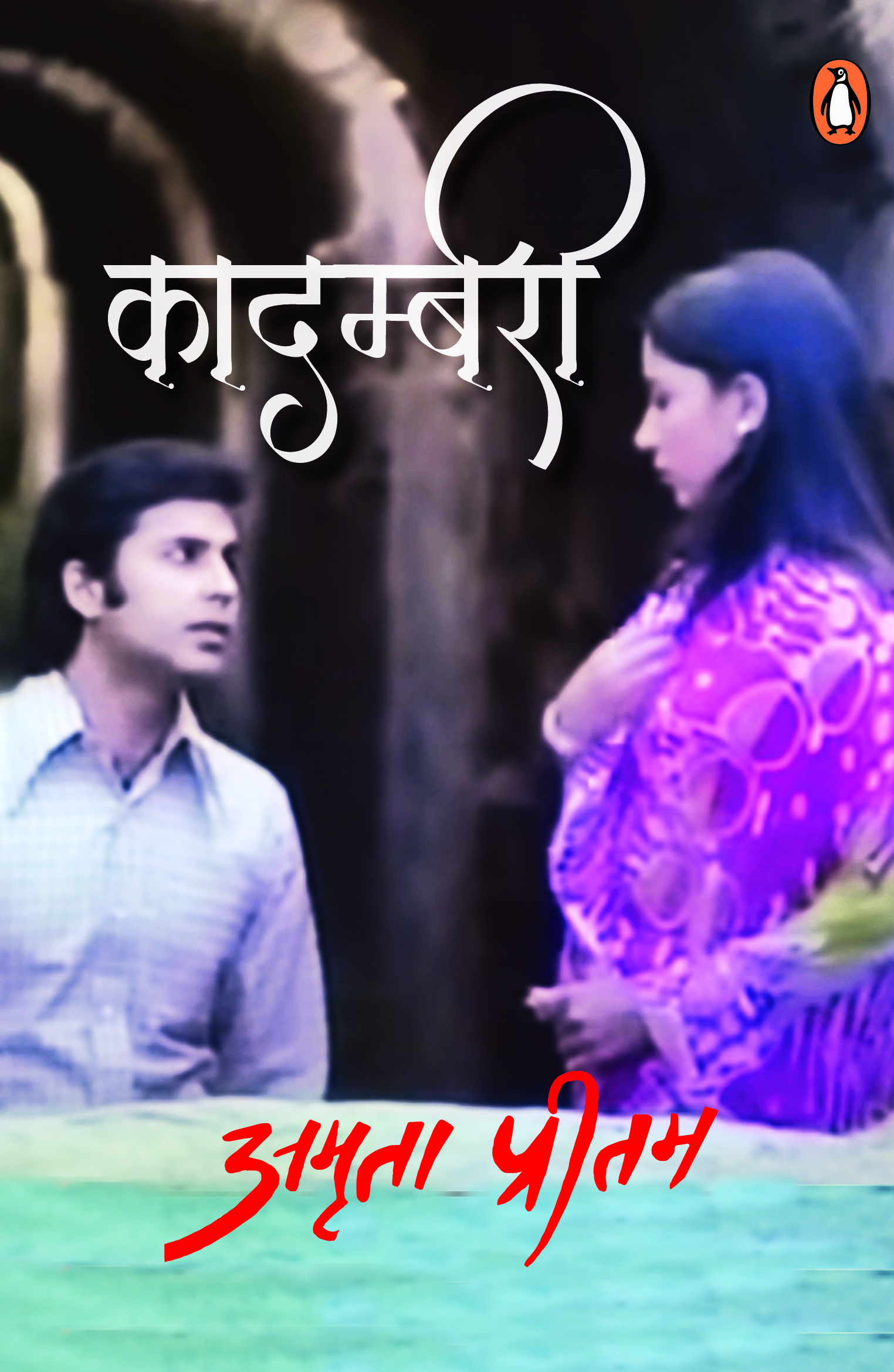
कादम्बरी एक फिल्मी पटकथा है, जो स्वयं अमृता प्रीतम ने लिखी है। एचके वर्मा द्वारा निर्देशित इस फिल्म में उस्ताद विलायत ख़ाँ के संगीत दिया था। यह एक प्रेम कहानी है। बिना किसी परिचित कोण के एक प्रेम कहानी। ताज़ा और यथार्थवादी। यह फिल्म अमृता प्रीतम के प्रसिद्ध उपन्यास ‘धरती सागर और सीपियाँ’ पर आधारित है और मौलिकता से परिपूर्ण है। यह आज के उन लोगों की कहानी है, जो अकसर जीवन के उतार-चढ़ाव से बह जाते हैं, फिर भी प्यार और उम्मीद के किनारे पर वापस आते हैं।
अमित एक नाजायज बच्चा है, जो अपनी माँ पर हमले से पैदा हुआ है। लड़के के पिता द्वारा अस्वीकार किए जाने के बाद, वह अब अपने बेटे के साथ रहती है, जिसे उसने बड़ी मुश्किल से पाला था। अमित की बचपन की दोस्त चेतना को पता चलता है कि उस पर क्रश उसके लिए प्यार में बदल गया है। प्यार, जिसे अमित किसी के साथ साझा करने में असमर्थ है क्योंकि वह अपनी माँ के लिए अपने प्यार को किसी के साथ साझा करने के लिए तैयार नहीं है। आगे क्या हुआ, यह तो पूरी पुस्तक पढ़कर ही पता चलेगा।
Catagory: Fiction
Fiction main category
Takht-E-Taus / तख़्ते-ताऊस
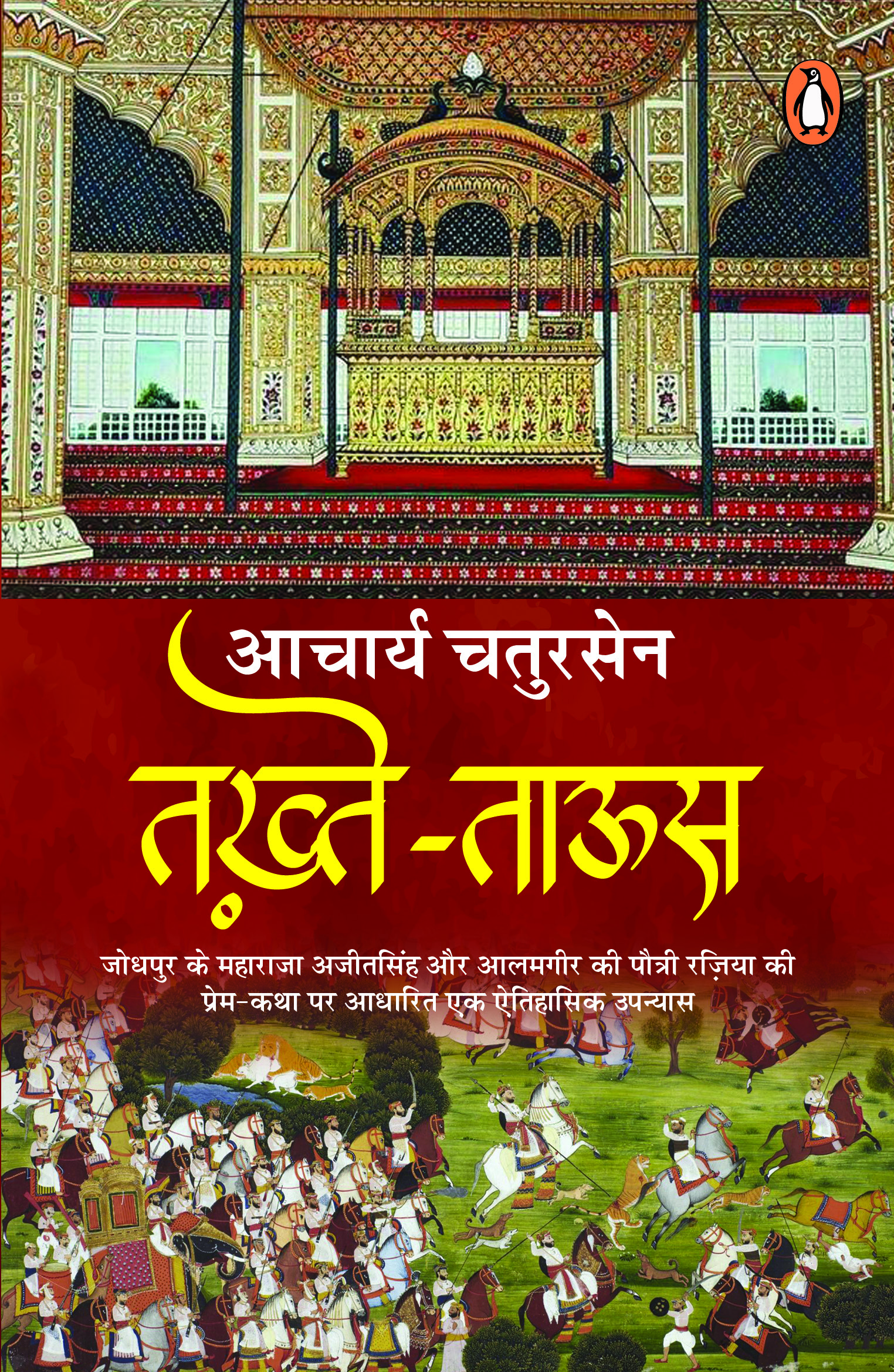
दुनिया देखे, जिस तख़्ते-ताऊस के आगे बड़े-बड़े राजाओं और अमीर उमराओं के मुकुट झुकते थे और दुनिया की तमाम ताकतें जिसके आगे थरथर काँपती थी, उस पर आज राठौर केसरी यशवंत सिंह का पुत्र अजीत सिंह अपने पैरों सहित खड़ा है।’ वीर शिरोमणि महराजा अजीत सिंह के पराक्रम, रणनीति, मानवीय भावना और रजिया के साथ अथाह प्रेम की वेदनामय कहानी। एक राज पुत्र की ऐसी कहानी, जो करुणा से प्रारंभ होकर शौर्य के चरम तक पहुँचती है और जो राजपूताने के गौरव की रक्षा के लिए अपने प्राणों को हथेली पर लेकर चला, सदा संघर्ष से गुज़रा और एक दिन तख्ते-ताऊस को चुनौती भरी हुंकार के साथ रौंद डाला।
एक ऐसे राजा की सच्ची कथा, जिन्होंने स्वतंत्रता और अस्मिता की रक्षा के लिए प्राण होम कर दिए।
Bhitichitra Ki Mayuri/भित्तिचित्र की मयूरी
इस उपन्यास की नायिका सरस्वती सद्विचारों से प्रेरित है। उसके संस्कारों में भारत की संपूर्ण संस्कृति की ही झलक मिलती है।
जिस प्रकार भित्ति चित्रों के शास्त्रीय युग में चेहरे पर अजंता प्रतिरूपण की वृत्ताकार सुनम्यता और मध्यकालीन प्रवृत्तियों की भुजाओं के कोणीय मोड़ जैसी दोनों विशेषताओं को यहाँ भली-भांति चिह्नित किया गया है, उसी प्रकार इस उपन्यास की नायिका को भी इसमें चित्रित किया गया है। इस उपन्यास में उन पिताओं की दुविधा को भी दर्शाया गया है जो अपनी बेटियों की शादी धन के अभाव में अयोग्य वरों के साथ कर देते हैं।
You Had Me At Annyeong!
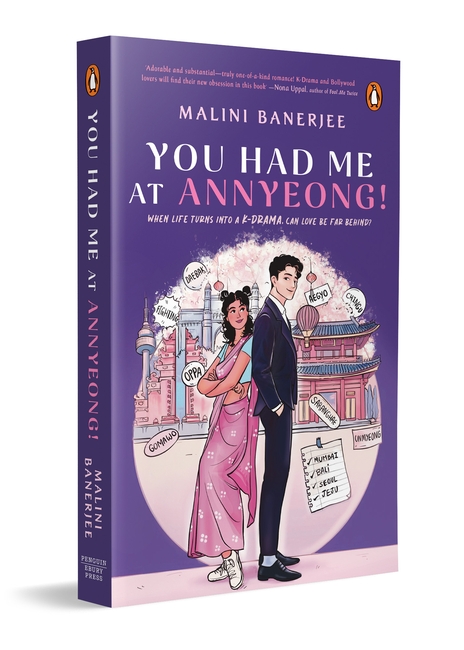
Timira Leia Marak, a PR consultant from India, finds herself in a real-life K-drama when she lands up in Seoul for a new job and meets handsome chaebol heir Baek Haneul who, as fate would have it, happens to be her new employer. Against her better judgement, Timira finds herself drawn to Haneul, with whom she seems to share a connection deeper than she can fathom.
But many complications abound. Firstly, there’s the matter of Timira’s ex-boyfriend Rodrigo, a Japanese-Brazilian superstar who signs up to play for a Korean football club. Then there’s the beautiful heiress Ri Mina, key to Haneul’s future—who is also his fiancée. And that’s only the beginning . . . Caught between the intensity of their feelings and the constraints that keep them apart, can Timira and Haneul even hope for their own chance at Happily Ever After?
Set against the backdrop of Korean pop culture, You Had Me at Annyeong is a humorous and heartwarming cross-cultural romance that is just as equally a delightful love letter from India to Korea.
The Lost Author
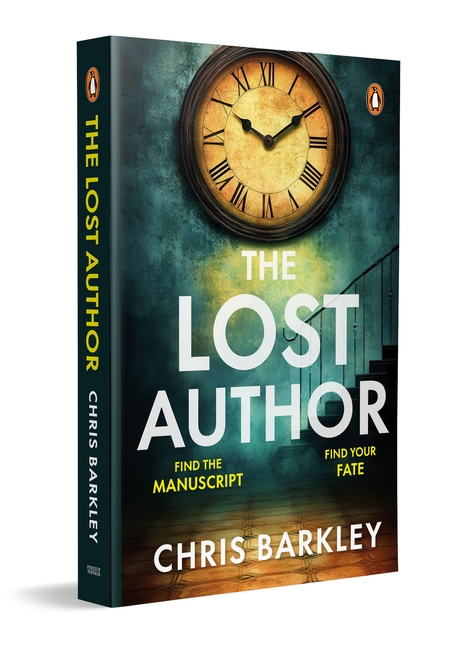
In 1949, rising novelist Euan travels to a remote island at the invitation of his reclusive mentor, the legendary Malcolm Furnivall.
Malcolm has also gathered his loved ones to the island and tells Euan he needs help completing his masterpiece: one final book. But days later, he’s found dead, and Euan narrowly escapes an attempt on his own life.
As Euan searches for the killer and Malcolm’s missing masterpiece, the island reveals stranger secrets. Past and present blur, as Euan races to find the manuscript before it falls into the wrong hands.
A mystery steeped in ambition, grief, and the cyclical curse of legacy, The Lost Author is a haunting exploration of time and the stories that bind us.
The Unbecoming
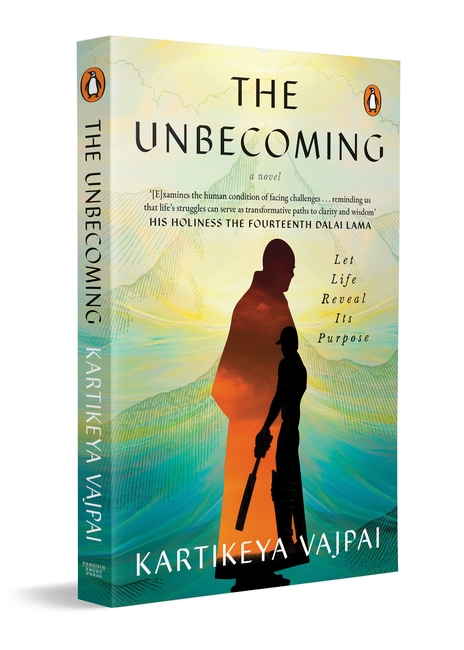
The Unbecoming will help you to:
- See how identity, ego, and expectations can blur our experience of the present moment.
- Understand what real detachment looks like – free from fear and greed.
- Realize that creativity is born from stillness, not struggle.
- Embrace honest, authentic self-expression in every area of life.
- Invite inner spontaneity through deeper awareness.
Who is The Unbecoming for?
- Anyone seeking purpose, clarity, or direction.
- Those wrestling with self-worth and trying to hear their inner calling.
- Those who want to build inner value instead of chasing external validation.
- Anyone longing to rediscover everyday creativity.
- Those overwhelmed by constant digital noise and fading attention spans.
- People exhausted by the pressure of “being the doer,” who want to move through life as a calm, clear channel for meaningful work.
- Anyone craving ease, effortlessness, and flow.
What’s inside The Unbecoming?
- A transformative philosophy delivered through fiction.
- One character who pursues perfection through a spiritual lens while another searches for purpose after success collapses – and rediscovery begins.
- A story that unfolds through unexpected turns as both characters uncover deeper truths about identity, attention, and freedom.
- A narrative that moves between the high-stakes world of an international cricketer and the quiet depth of a monk devoted to inner silence.
- A reveal of how material ambition can be transformed through a spiritual lens.
- A reminder that purpose isn’t something we catch by chasing – it’s something that finds us when we become open and available to life, allowing it to fulfil its purpose through us.
Press 9 for a Crime
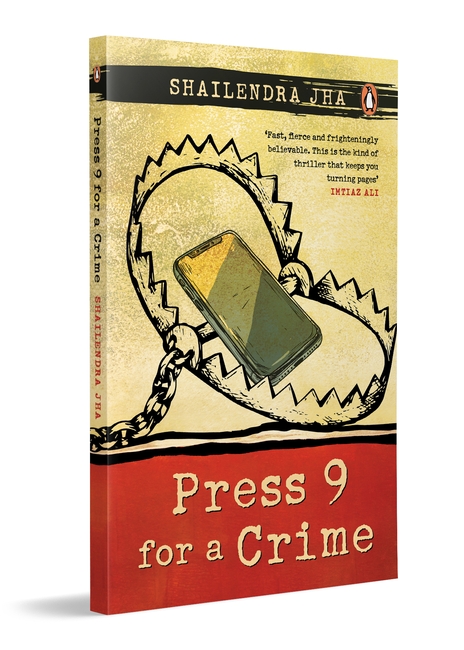
In a low-income neighbourhood of Delhi, the Anand family’s hopes rest on the elder son, Atul, who has accepted a lucrative job in Bangkok. However, days after his departure, Atul disappears—caught in a brutal cyber scam hub operating out of Cambodia. As the family grapples with Atul’s disappearance, its dynamics are tested. Then, the younger son Aseem—wayward, with a history of half-baked plans and ongoing financial demands—takes matters into his own hands.
Armed with nothing but desperation and a reckless plan, Aseem dives into a deadly world of exploitation and crime. To save his brother, he’ll have to risk everything—including his own life. Can he pull it off?
From the creator of the much-acclaimed web series Grahan, Press 9 for a Crime is a heart-stopping, gripping story of sacrifice, deception, redemption and the power of family in the face of impossible and overwhelming odds.
Inshan Ya Shaitan / इंसान या शैतान
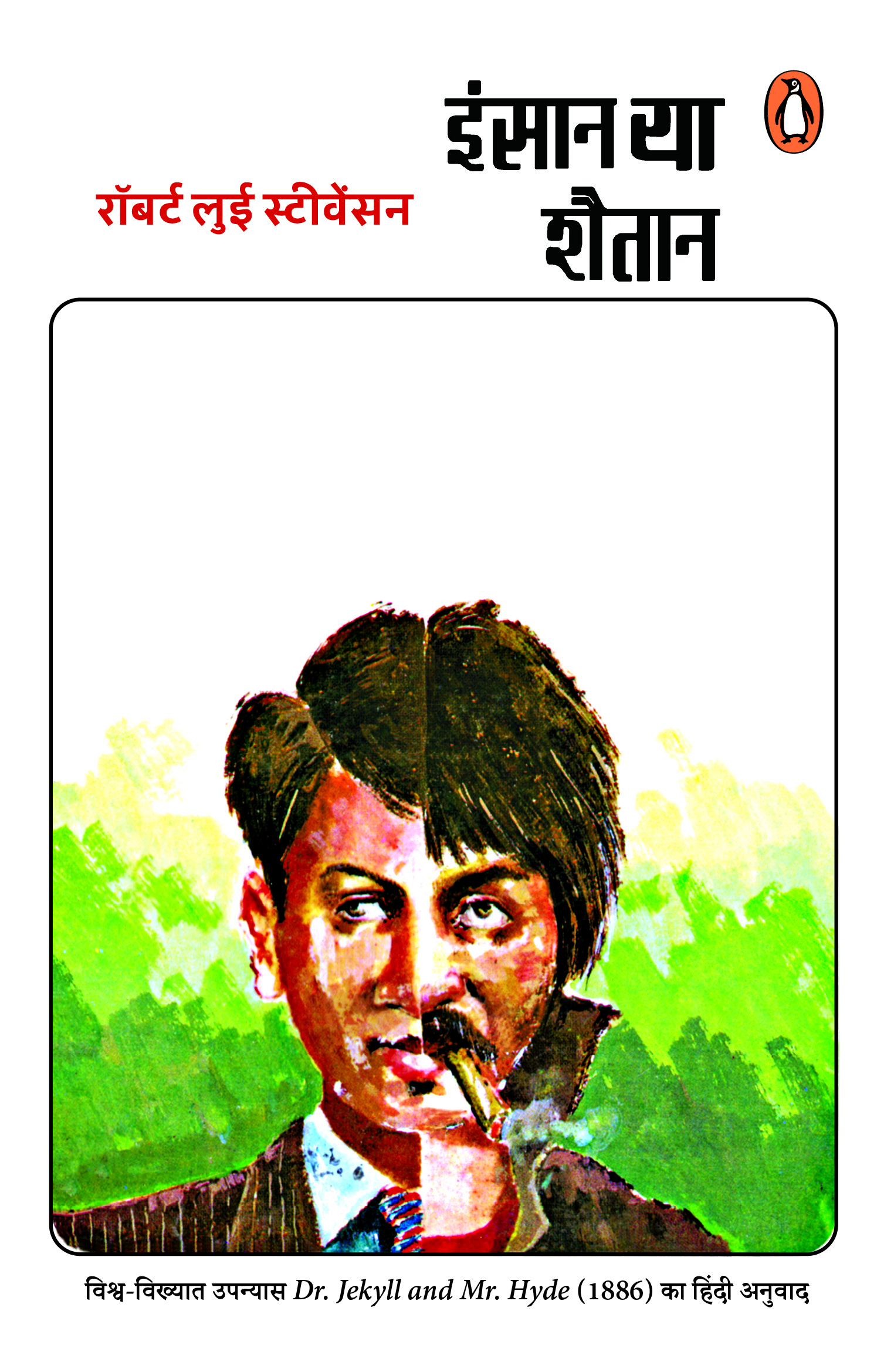
अपनी यात्राओं, बचपन, स्कॉटलैंड के चारों ओर प्रकाश स्तंभों के भ्रमण, तथा अपने मित्रों में चरित्र की प्रेरणा पाकर, रॉबर्ट लुई स्टीवेंसन ने चिंतनमय अवस्था में बैठकर एक साहसिक कहानी लिखी, जो अब तक की सर्वाधिक प्रिय कहानियों में से एक ‘इसान या शैतान’ बन गई है। यह पुस्तक एक अद्भुत रचना है, इसकी कहानी इतनी रोचक और मनोरंजनप्रद है कि पाठक एक बार इस पुस्तक को पढ़ना शुरू करता है तो पूरी पुस्तक को पढ़कर ही दम लेता है।
Tab Aur Ab / तब और अब
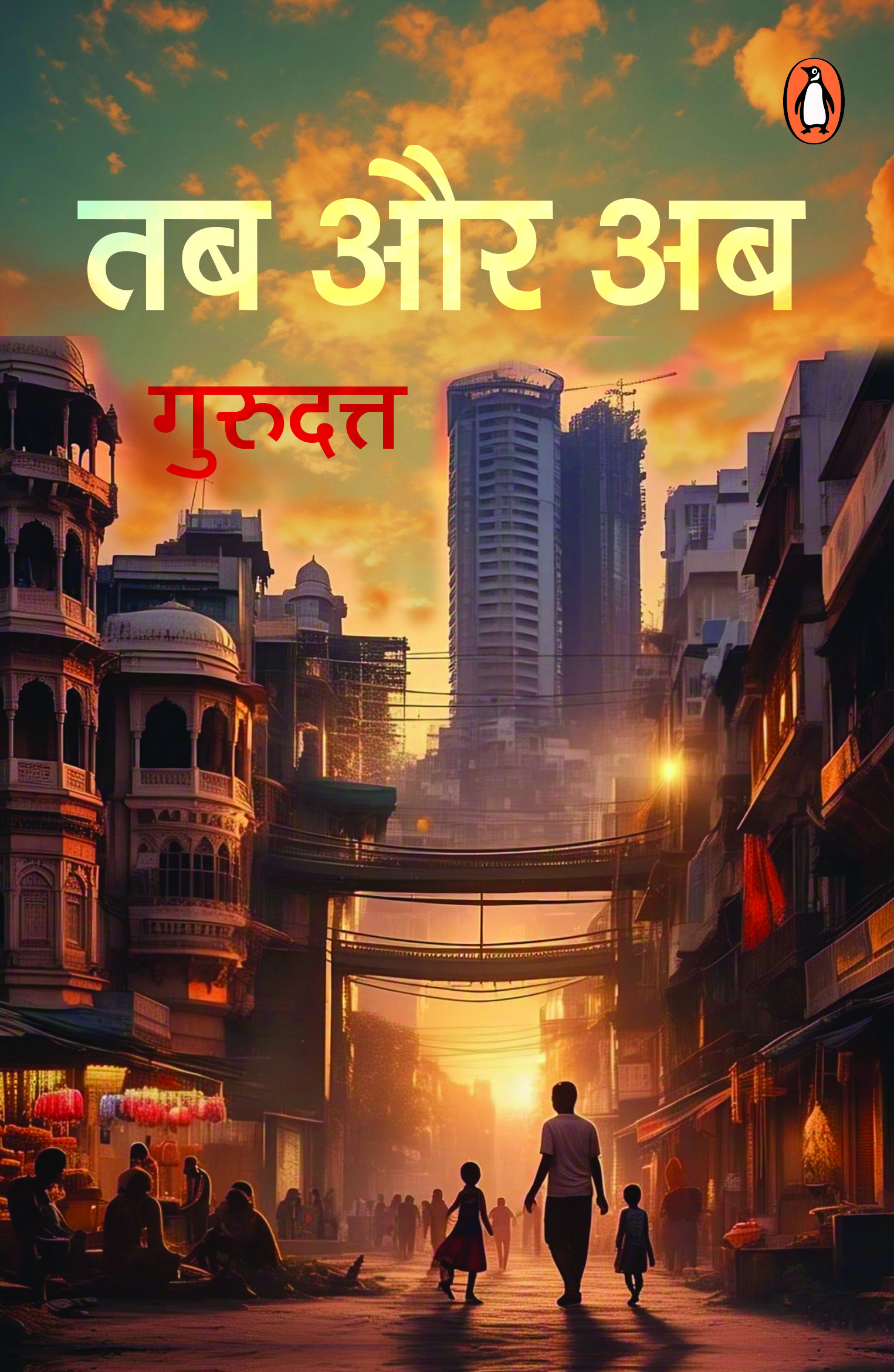
तब और अब उपन्यास में लेखक की दृष्टि हमारी दो पीढ़ियों पर टिकी है। एक पिछली पीढ़ी, जिसके अपने कुछ गुण, कुछ संस्कार थे जो उन्हें जोखिम उठाकर भी थामे रहती थी और दूसरी आज की पीढ़ी, जो बदली हुई परिस्थिति में घिरी हुई है और अपना संतुलन खो रही है। अनेक घटनाओं और पात्रों के ज़रिए लेखक ने हमारे समय का एक यथार्थ किंतु पूर्ण चित्र खींच दिया है।
Tabela / तबेला
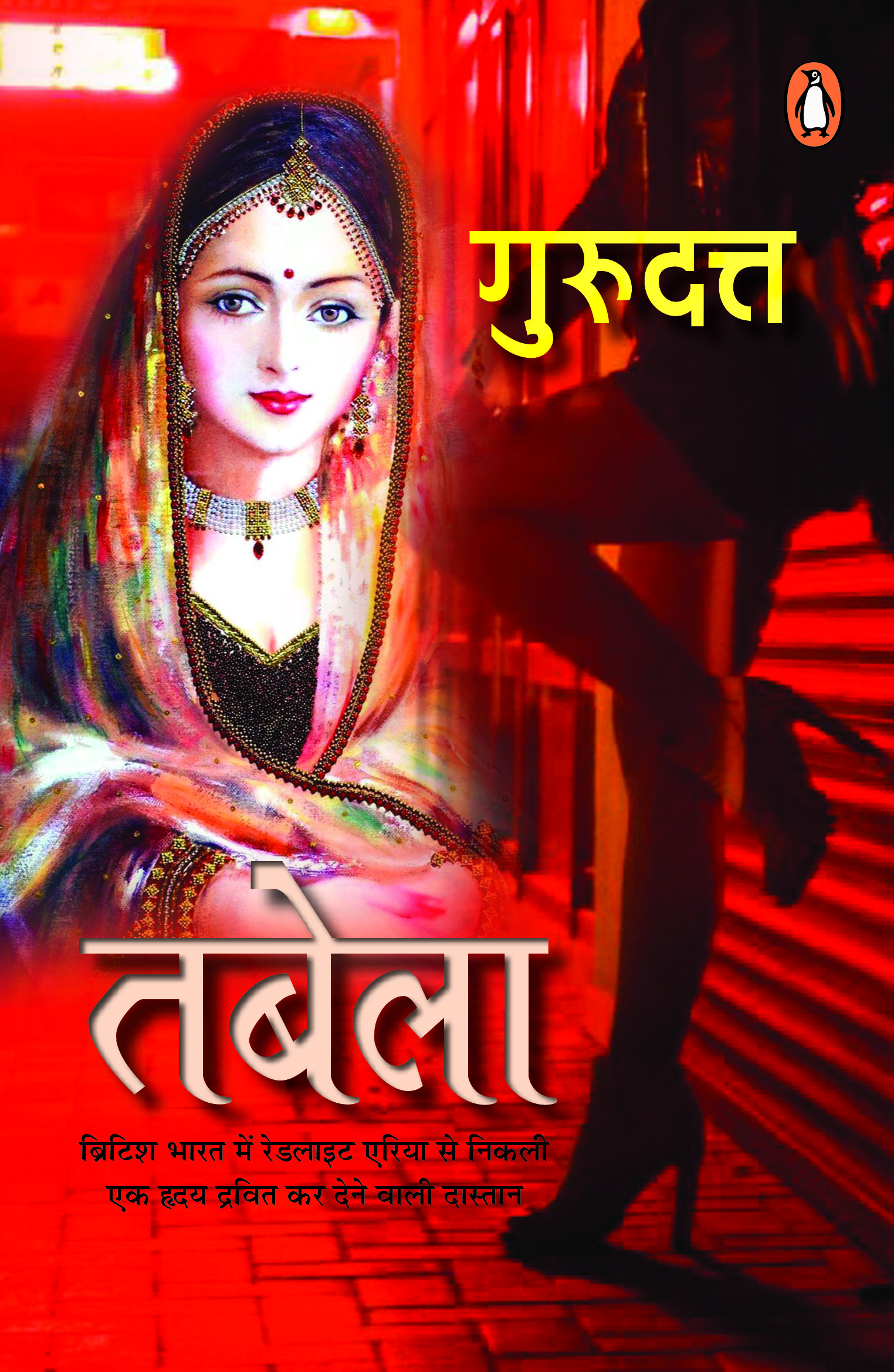
मैं तो समझता हूँ कि संसार में सर्वश्रेष्ठ विभूति स्त्री है। इसे प्राप्त करने के लिए सारा पुरुष वर्ग दौड़ लगा रहा है, परंतु भाग्यशाली ही इसे प्राप्त कर सकता है।’ यह सुनकर नवयुवती डॉक्टर से बोली, ‘मैं भी यही समझती थी, परंतु कल से मेरी पूर्व धारणाएँ निराधार सिद्ध हो रही हैं। एक बात यह समझ में आई है कि पुरुष भी स्त्री की भाँति एक अद्वितीय विभूति है और संसार भर का स्त्री वर्ग पुरुष के पीछे भाग रहा है। इस भाग-दौड़ में ठोकर खा भूमि पर लोट-पोट होने लगी हूँ।’
भौतिकता की अंधी दौड़ में निराशा से घिरे लोगों को भारतीय विचारधारा ने कितना चमत्कृत किया है, इसका प्रभावपूर्ण चित्रण इस उपन्यास में किया गया है।