



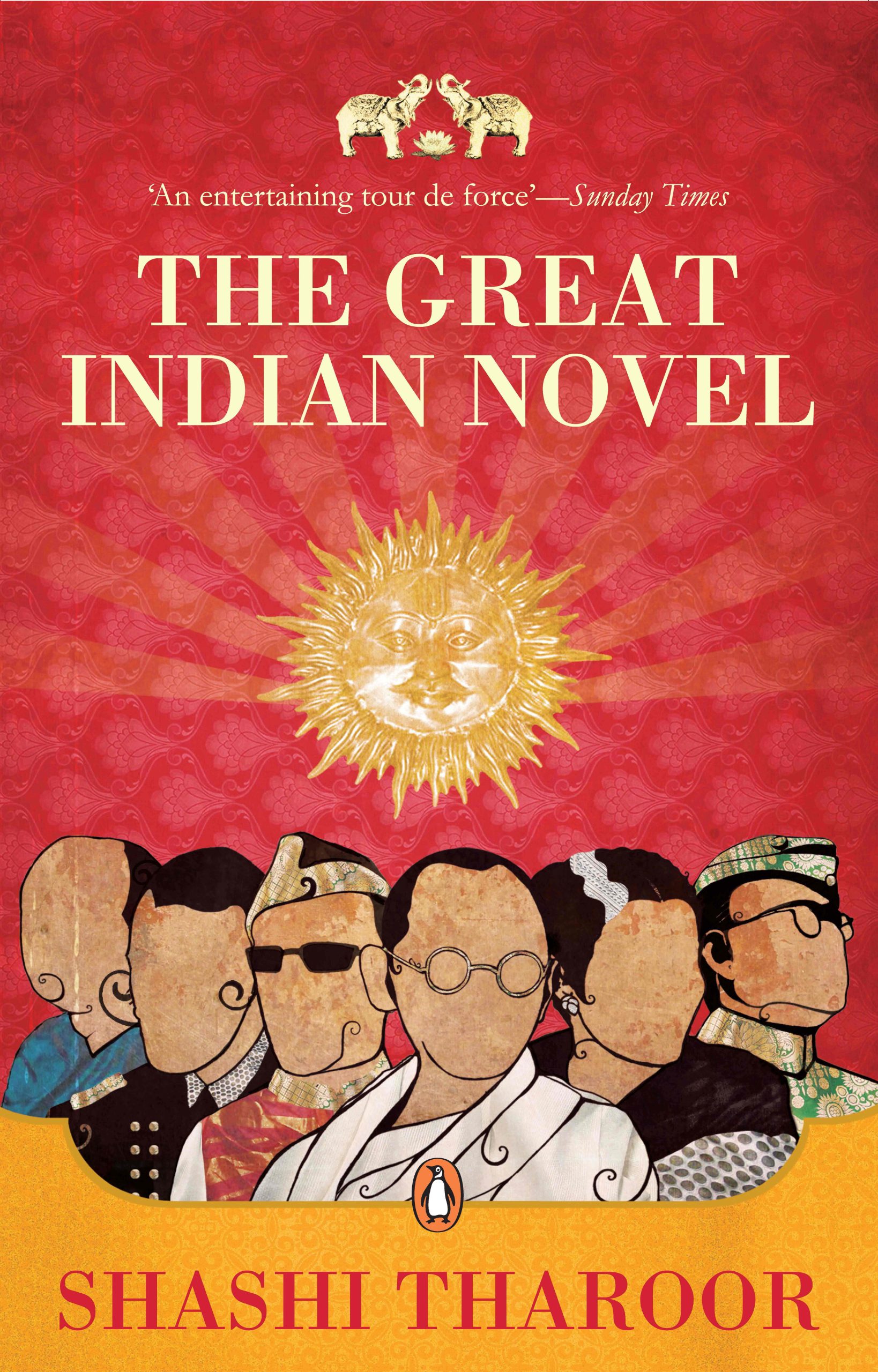
A fictionalized account of Indian history over the past 100 years. It aims to remain true to the original events, including characters such as Gandhi and Mountbatten but it also utilizes characters, incidents and issues from the Indian epic, the Mahabharata.
Catagory: Fiction
Fiction main category
The Great Indian Novel
In Shashi Tharoor’s satirical masterpiece, the story of the Mahabharata is retold as modern Indian history, and renowned political personalities begin to resemble characters from the epic -all of whom have a curious and ambiguous relationship with Draupadi Mokrasi (D. Mokrasi for short) . . . Brimming with incisive wit and as enjoyable a read as it is cerebrally stimulating, The Great Indian Novel brilliantly retells reality as myth.
Show Business
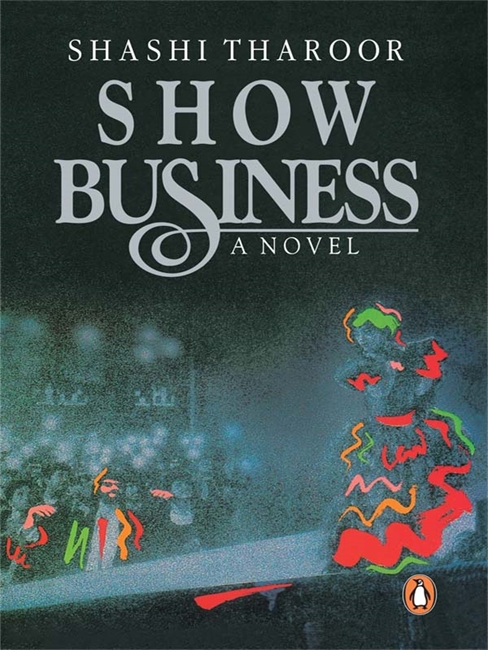
Critically ill, Bollywood superstar Ashok Banjara lies suspended between life and death in a Bombay hospital, a prisoner of the technicolour film that plays inside his head. As if for the first time, he watches himself rise to the heights of the film world, and encounters again all the people he met and used along the way. Show Business is many books rolled into one-a wonderfully funny tale about the romance and folly of cinema, a novel on an epic scale of ambition, greed, love, deception and death. It is a fable for our time, which teaches us that we live in a world where illusion is the only reality and nothing is what it seems.
Riot
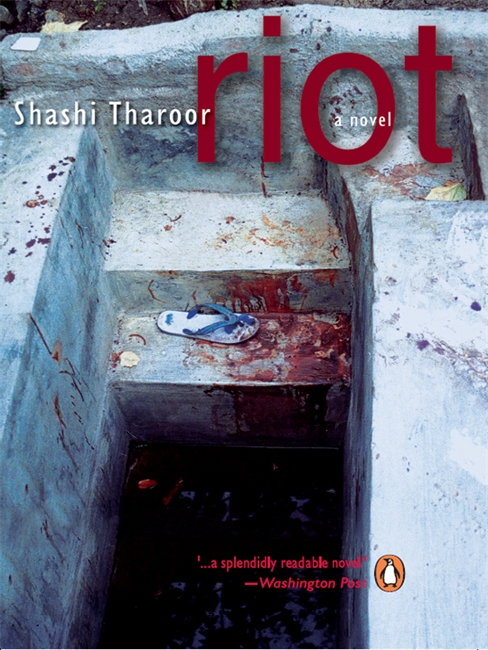
Who killed twenty-four-year-old Priscilla Hart? And why would anyone want to murder this idealistic American student who had come to India to volunteer in a women’s health programme? Was she the innocent victim of a riot between Hindus and Muslims? Shashi Tharoor experiments brilliantly with narrative form, chronicling the mystery of Priscilla Hart’s death through the often contradictory accounts of a dozen or more characters. Intellectually provocative and emotionally charged, Riot is a novel about the ownership of history, about love, hate, cultural commission, religious fanaticism and the impossibility of knowing the truth.
Death of a Moneylender
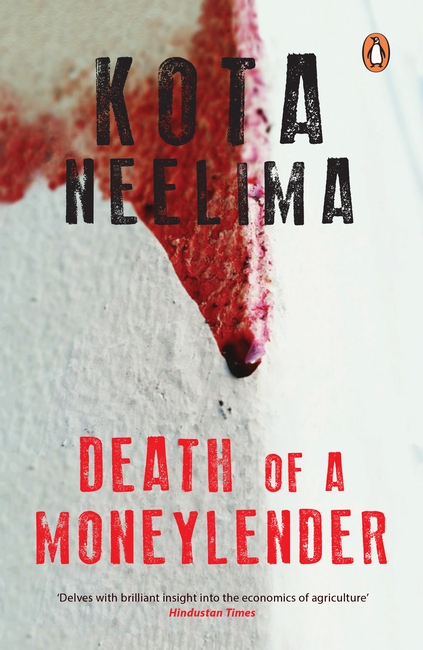
Falak, a young journalist from Delhi, is assigned to a remote village in south-central India where a moneylender is found dead, hung from a lamppost in front of his house by an entire village united against injustice.
Falak coldly hunts the story for a page one byline, unconcerned with corrective conscience, an attitude that cost him his relationship with Vani, a rival newspaper journalist. Within hours of reaching the village, his story is ready; a villainous moneylender killed by long-suffering villagers.
But Falak has also unearths a disconcerting fact, that the moneylender was a kind-hearted, generous man whose death was being used to intimidate other moneylenders. Outstanding loans are written off to buy peace with villagers, but the politically well-connected and dangerous moneylenders plan a brutal retribution.
Riverstones
What happens when a journalist makes the journey from stories on the page to reality?
Living with a carefully cultivated nonchalance amidst the rough and tumble of Delhi’s journalistic world, Ari occasionally grapples with a desire to do more than just flirt with ideas and flog the words. But he leads his life away from fights big and small, professional and ideological. He awaits fate, surrendering to the force of the flow of life, like a riverstone-supine in the riverbed, always facilitating persistent currents, never contesting them.
When a strange challenge thrown by his former professor and mentor hurts Ari deeply, he knows it is the pain of his futility, the knowledge of his own wasted existence. Just when the latent fear of a meaningless life threatens to convince him of its reality, he finds himself caught in a tragic situation-the violent death of a friend fighting for the cause of farmers.
As the dust settles, Ari discovers that for the first time in his life he is more than a mere spectator of events.
Can Love Happen Twice? (Spl 30)
Hamaari Virasat
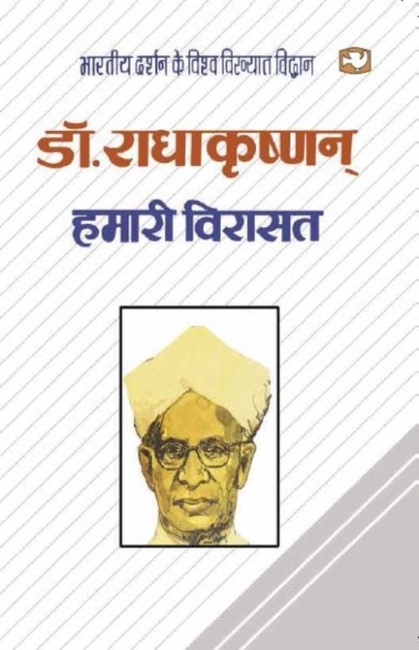
Dr. Radhakrishnan had make understand in his great creation that our great men has gifted us such an ideal of tradition that whom we are sincere and we have the same loyalty to ourselves, so we can protect our heritage by making this society true, vibrant and inspiring.
Jhuniya
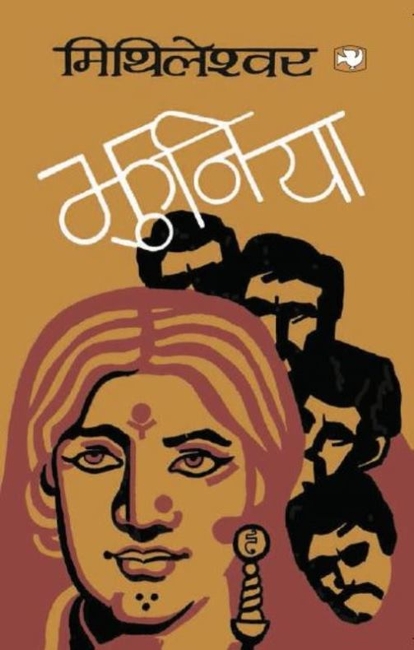
This novel, which is small from the point of view of lover, is shaking like an arrow from the point of view. This is a scathing novel on feudal exploitation prevalent in post-independence Indian villages and sexual exploitation of laborers. The writer has unveiled the truly village life, after this the reader is forced to think, but why all this, by when?
Narak Dar Narak
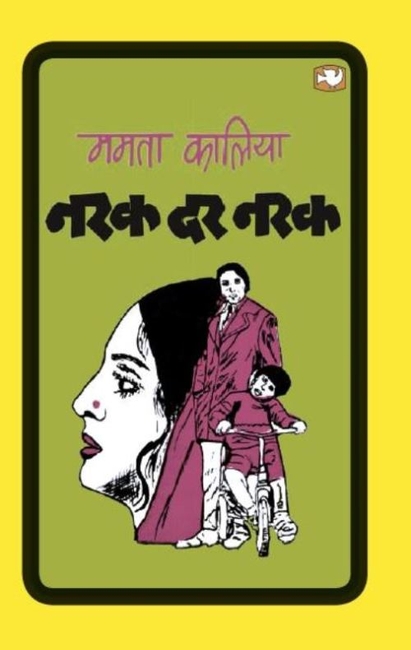
The language of the novel seemed simple minded, in line with the expression of the sensations of the swirling life of the transition period. Especially Usha or mother’s sociality and uncultured naturalness. The plot and its accompanying poignancy also crush the consciousness of new life-balance. The injury named Narak Dar Narak attacks attention by surprise, but even before the reader’s journey succumbs to Shara’s inferno of hell, rage-adan seems to feel the breath of life.