



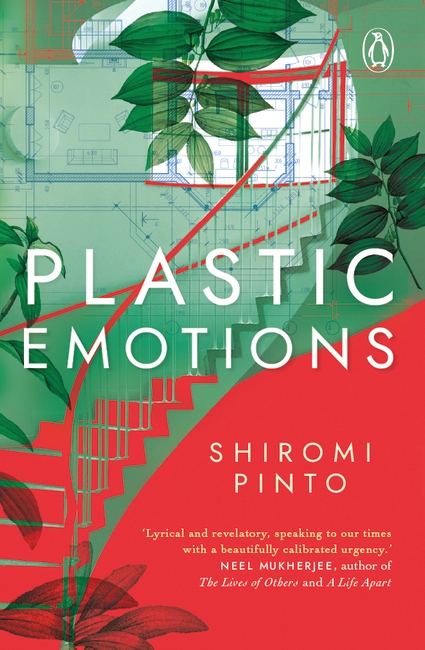
Plastic Emotions is inspired by the life of Minnette de Silva-a forgotten feminist icon and one of the most important figures of twentieth-century architecture. In a gripping and lyrical story, Shiromi Pinto paints a complex picture of de Silva, charting her affair with the infamous Swiss modernist Le Corbusier and her efforts to build an independent Sri Lanka that slowly heads towards political and social turmoil.
Moving between London, Chandigarh, Colombo, Paris and Kandy, Plastic Emotions explores the life of a young, trailblazing South Asian woman at a time of great turbulence across the globe.
Catagory: Fiction
Fiction main category
Jaya
High above the sky stands Swarga, paradise, abode of the gods. Still above is Vaikuntha, heaven, abode of God.
The doorkeepers of Vaikuntha are the twins, Jaya and Vijaya, both whose names mean ‘victory’. One keeps you in Swarga; the other raises you into Vaikuntha. In Vaikuntha there is bliss forever, in Swarga there is pleasure for only as long as you deserve.
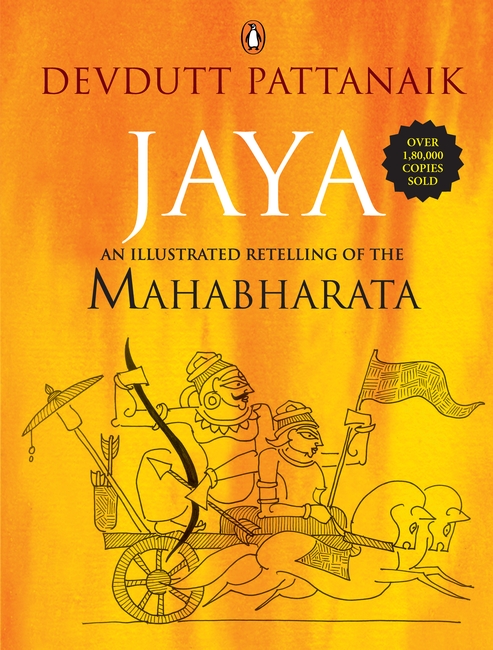
What is the difference between Jaya and Vijaya? Solve this puzzle and you will solve the mystery of the Mahabharata. In this enthralling retelling of India’s greatest epic, the Mahabharata, originally known as Jaya, Devdutt Pattanaik seamlessly weaves into a single narrative plots from the Sanskrit classic as well as its many folk and regional variants, including the Pandavani of Chattisgarh, Gondhal of Maharashtra, Terukkuttu of Tamil Nadu, and Yakshagana of Karnataka.
Richly illustrated with over 250 line drawings by the author, the 108 chapters abound with little-known details such as the names of the hundred Kauravas, the worship of Draupadi as a goddess in Tamil Nadu, the stories of Astika, Madhavi, Jaimini, Aravan and Barbareek, the Mahabharata version of the Shakuntalam and the Ramayana, and the dating of the war based on astronomical data. With clarity and simplicity, the tales in this elegant volume reveal the eternal relevance of the Mahabharata, the complex and disturbing meditation on the human condition that has shaped Indian thought for over 3000 years.
The Smoke Is Rising
THE FUTURE IS HERE. India has just sent its first spacecraft to the moon, and the placid city of Mysore is gearing up for its own global recognition with the construction of HeritageLand-Asia’s largest theme park. From behind the formidable gates of Mahalakshmi Gardens to the shanty houses on the edge of town, the people of Mysore are abuzz as they watch their city prepare for a complete transformation.
As government officials make plans for the expected tourism extravaganza, Mysore’s residents find themselves swept up in the ferment. Susheela, an elderly widow, is forced into a secretive new life. Uma, trying to escape her painful past, learns the lasting power of local gossip. And Mala must finally confront the reality of her husband’s troubling behaviour.
Savagely funny and deeply poignant, The Smoke Is Rising is a riveting portrait of a city hurtling towards an epic clash of modernity and tradition, and all the wandering souls-some hopeful, some broken, and a few somewhere in between-who find themselves caught in the middle.
A State of Freedom
What happens when one attempts to exchange the life one is given for something better? Can we transform the possibilities we are born into?
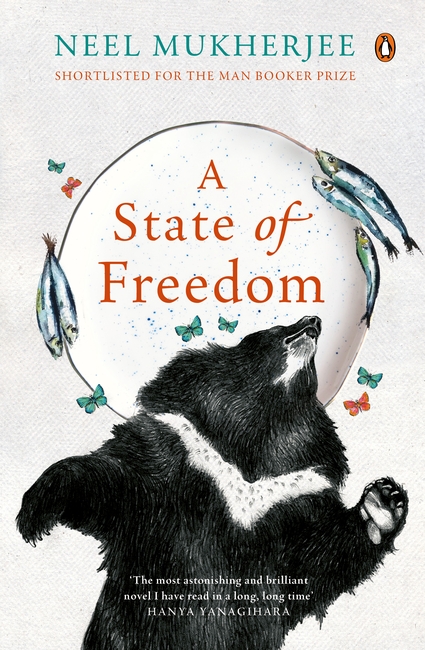
A State of Freedom prises open the central, defining events of our century-displacement and migration-but not as you imagine them. Five characters, in very different circumstances from a domestic cook in Mumbai to a vagrant and his dancing bear, and a girl who escapes terror in her home village for a new life in the city-find out the meanings of dislocation, and the desire for more.
Moving between the reality of this world and the shadow of another, this novel of multiple narratives-formally daring, fierce but full of pity-delivers a devastating and haunting exploration of the unquenchable human urge to strive for a different life.
This Wide Night
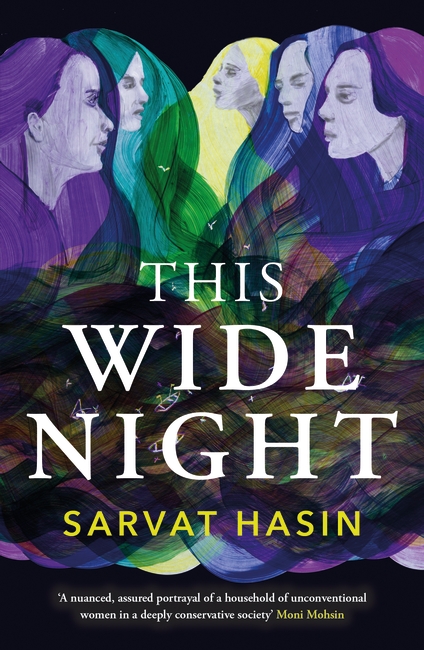
The Maliks live a life of relative freedom in 1970s’ Karachi: four beautiful sisters, Maria, Ayesha, Leila and Bina, are warily watched over by an unconventional mother. Captain Malik is usually away, and so the women forge the rules of their own universe, taking in a few men: Amir, the professor who falls in love with Maria, and Jamal or Jimmy, the neighbour who tells this tale. The curious young man is drawn in by all four sisters, particularly rebellious Ayesha. But slowly, it becomes clear he will never completely penetrate their circle-just as they will never completely move with the tide that swirls so potently around them.
In the quietly seething world of This Wide Night, Virgin Suicides meets Little Women in Pakistan. Moving from Karachi to London and finally to the rain-drenched island of Manora, here is a compelling new novel from the subcontinent-and a powerful debut to watch.
The Golden Legend
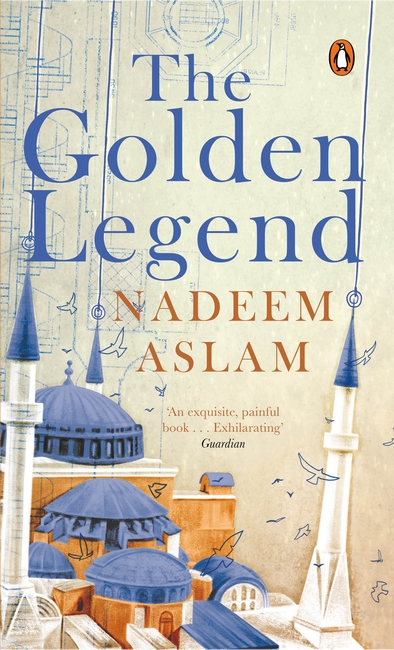
When shots ring out on Grand Trunk Road, Nargis’s life begins to crumble around her. Her husband, Massud-a fellow architect-is caught in the crossfire and dies before she can confess to him her greatest secret. Under threat from a powerful military intelligence officer who demands that she pardon her husband’s American killer, Nargis fears that the truth about her past will soon be exposed. For weeks someone has been broadcasting people’s secrets from the minarets of the city’s mosques and, in a country where the accusation of blasphemy is a currency to be bartered, the mysterious broadcasts have struck fear in Christians and Muslims alike.
Against this background of violence and fear, two outsiders-the young Christian woman Helen and the mysterious Imran from Kashmir-try to find an island of calm in which their love can grow.
In his characteristically luminous prose, Nadeem Aslam reflects Pakistan’s past and present in a single mirror-a story of corruption, resilience, and the hope that only love and the human spirit can offer.
A Life of Adventure and Delight
A young woman in an arranged marriage awakens one day surprised to find herself in love with her husband. A retired divorcé tries to become the perfect partner by reading women’s magazines. A man’s longstanding contempt for his cousin suddenly shifts inward when he witnesses his cousin caring for a sick woman. The protagonists in this tender and darkly comic collection deceive themselves and engage in odd behaviours as they navigate how to be good, how to make meaningful relationships, and the strengths and pitfalls of self-interest. From a dazzlingly original, critically acclaimed writer, these stories, elegantly written and emotionally immediate, provide an intimate, honest assessment of human relationships between mothers and sons, sons and lovers, husband and wives.
A River Sutra
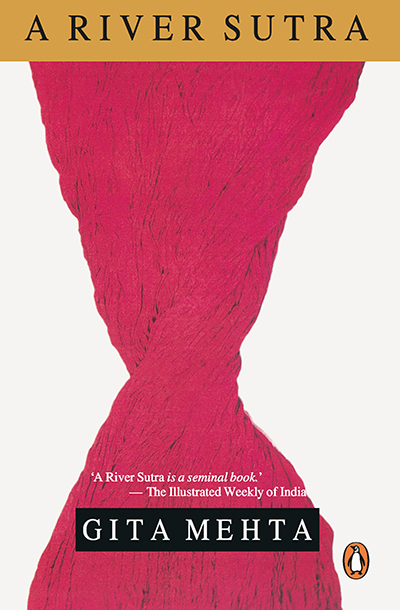
An elderly bureaucrat escapes the world to run a guest house on the banks of India’s holiest river, the Narmada, only to find he has made the wrong choice. Too many lives converge here. Among those who disturb his tranquility are a privileged young executive bewitched by a mysterious lover; a novice Jain monk who has abandoned opulence for poverty; a heartbroken woman with a golden voice; an ascetic and the child he has saved from
prostitution. Through their stories A River Sutra explores the fragile longings of the human heart and the sacred power of the river.
Bewafa
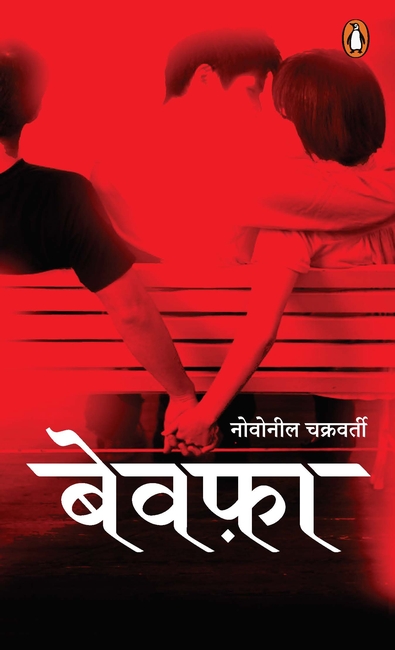
Bewafa tells four short stories, each discussing a different shade of infidelity in today’s times when societal norms are still the same–archaic. However, the urge to explore and experiment amongst the youth is at an all-time high. This friction, if not handled well, could lead to unexpected roads. Each story, though high on emotions, unfolds in a thrilling narrative.
Close To Home
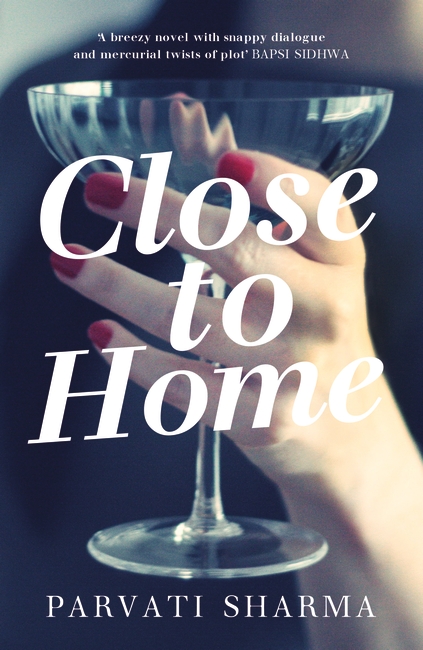
‘A breezy novel with snappy dialogue and mercurial twists of plot’ —Bapsi Sidhwa
All Mrinalini Singh wants, she has. A loving husband, a competent cook, the vague hope of a book deal one day. But when her old roommate Jahanara accuses her of being selfish, Mrinalini is forced to practise altruism on the nearest available target: her maid’s toddler. All this caring doesn’t come easy, though; and it hardly helps that her husband Siddhartha has quit his lucrative job and acquired parental ambitions. Or that Brajeshwar Jha, her upstairs tenant and literary rival, has not only published his book before Mrinalini, but also lampooned her and Siddhartha in it.
Close to Home is a wry look at the small compromises, manipulations and sustained self-delusion of young men and women possessed of good fortune . . . and only looking for good lives.