Who needs love? It only leads to trouble.
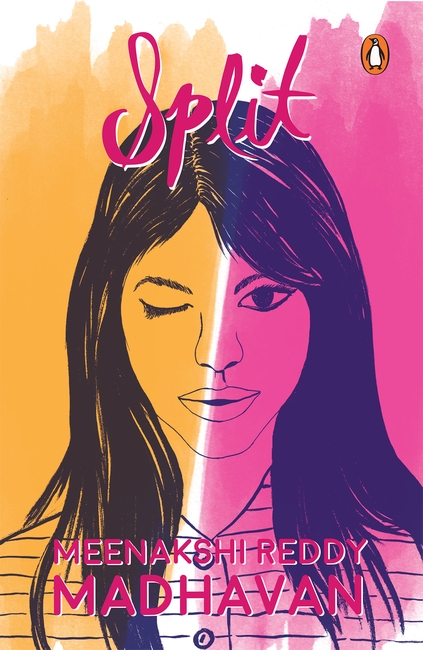
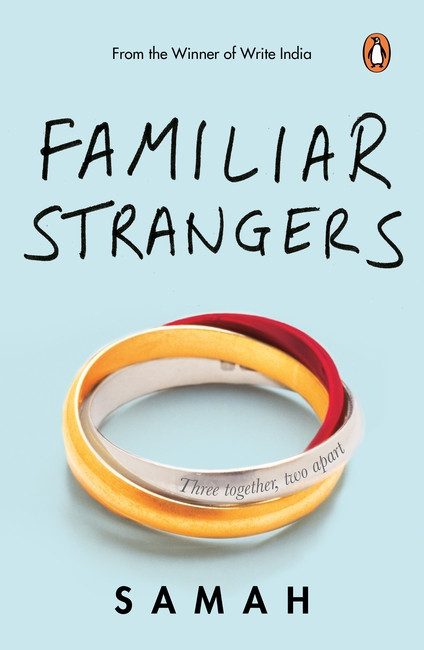
Noor is having the worst year of her life. First her mother decides to leave her father. Then her dad’s mother, the Horrible Old Crone, moves in to look after Noor (who’s sixteen and doesn’t need looking after, thank you very much). And she just knows the HOC is going to be mean about her mother because she never wanted her son to marry a Muslim. And now Noor has to attend some children-of-divorce thing after school-and her gang canNOT find out.
THEN she meets Ishaan. He’s funny and nerdy, and likes all the same things she likes. Except love is stupid, as she’s told everyone, and Ishaan isn’t her type anyway. He wears glasses, participates enthusiastically in the lame children-of-divorce thing, and would rather read than play football in the break like all the other boys.
Could love happen with someone who is the complete opposite of everything you’ve ever stood for? Can forgiveness squirm its way in with love?

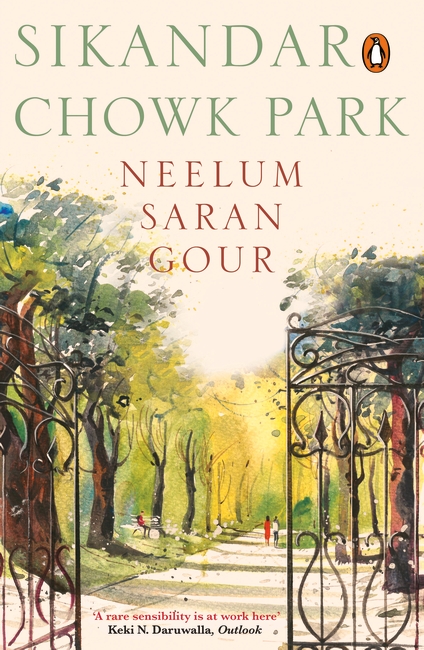
After a bomb blast rips through Sikandar Chowk Park, Allahabad, killing fifty-seven people, a journalist pieces together the lives of eleven of the dead from the heap of mutilated bodies.
Among them a self-effacing music teacher who won’t go abroad on a fellowship because of his family of stray dogs; an Anglo-Indian widow coping with the knowledge of her husband’s infidelity thirty-five years ago; a precocious ‘problem’ child; a firebrand feminist confronting the sexual misdemeanours of her friend’s husband; and a young Dalit woman who defies her marriage and her society and enters into a relationship with an unemployed Brahmin boy-all ordinary people leading ordinary lives in a quintessential mofussil Indian township.
Neelum Saran Gour’s vibrant prose conjures up a multitude of characters involved in a maze of relationships, and the dynamics of events which propel them to Sikandar Chowk Park on the fateful day. In the process, she crafts a talk at once poignant and witty, which ingeniously addresses contemporary issues of communal and caste prejudices, bigotry and faith, forgiveness and redemption.
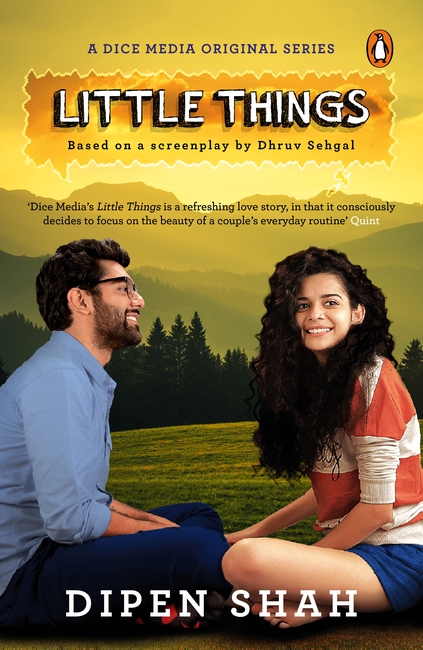
You don’t need big things to happen. A little love, a little togetherness and a little happiness are all you need!
Whether it is in dealing with a bad day at work, trying out a new restaurant or experiencing FOMO (Fear of Missing Out) on a weekend, Dhruv and Kavya are there for each other. Their lives are a series of simple yet charming incidents that makes for a heart-warming read.
Unpretentious and honest, this book offers a peek into the life of a young couple who knows how to find meaning in the ‘little things’.
Adapted from Dice Media’s immensely popular web series by the same name, Little Things is both delightful and entertaining.
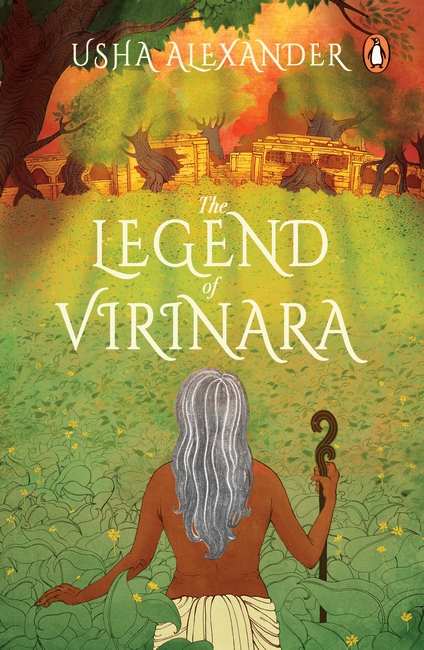
A lone woman travels fearlessly into the jungle to confront the enemy. She holds the fate of an entire world in her hands.
The year is 120 ce. The Ashwamedha Yagna has established young Vijay the ruler of Virinara, a mighty city-state of south India. Soon after the kingdom starts to expand into the surrounding forests, its glittering capital, Dandavrut, is attacked in a brazen act of terror. Even as Raja Vijay unleashes his forces against the nomadic forest dwellers, his beloved sister Shanti treks secretly into the wilderness—and falls in love with the handsome warrior Narun. Will love triumph over hubris, and Shanti forge a new destiny for her people?
A thrilling tale of adventure and political intrigue, The Legend of Virinara stirs up timeless questions about war and peace. This is a powerful parable of our times.

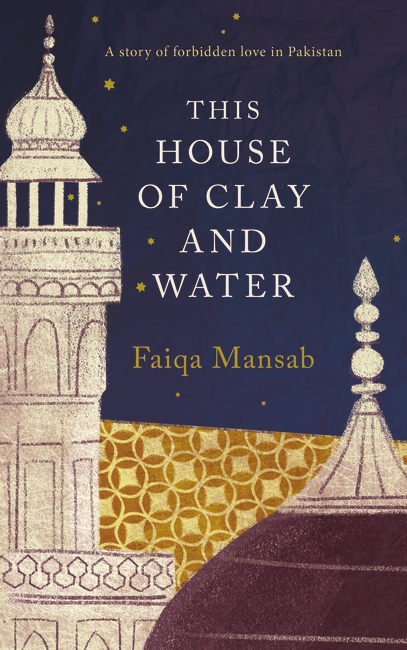
Set in Lahore, This House of Clay and Water explores the lives of two women. Nida, intelligent and lonely, has married into an affluent political family and is desperately searching for some meaning in her existence; and impulsive, lovely Sasha, from the ordinary middle-class, whose longing for designer labels and upmarket places is so frantic that she willingly consorts with rich men who can provide them. Nida and Sasha meet at the famous Daata Sahib dargah and connect-their need to understand why their worlds feel so alien and empty, bringing them together.
On her frequent visits to the dargah, Nida meets the gentle, flute-playing hijra Bhanggi, who sits under a bargadh tree and yearns for acceptance and affection, but is invariably shunned. A friendship-fragile, tentative and tender-develops between the two, both exiles within their own lives; but it flies in the face of all convention and cannot be allowed.
Faiqa Mansab’s accomplished and dazzling debut novel explores the themes of love, betrayal and loss in the complex, changing world of today’s Pakistan.

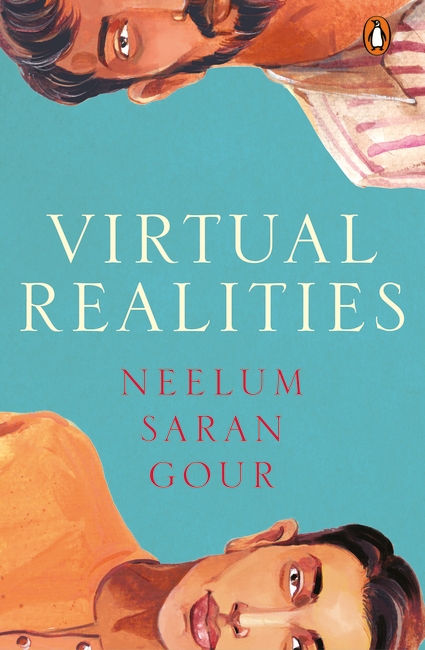
Meet Sravan (novelist, bored husband) and Buddhoo (chatterbox, merry bachelor), friends since their college days. When Buddhoo blows back into Allahabad, peace and quiet leave town. Spouting lustrous tales both true and false, this perpetual nomad spurs his literary friend to ponder the nature of his craft. Things only go awry when Sravan, at work on a family saga, finds that current events begin to look familiar. His real family lands in trouble, and Sravan must face the worrisome fact that his novel is writing his life.
Bursting with snappy chats, glowing yarns and edgy characters, Virtual Realities is at once a romp and a meditation on the stories we all tell, out loud or otherwise, to keep our souls alive.

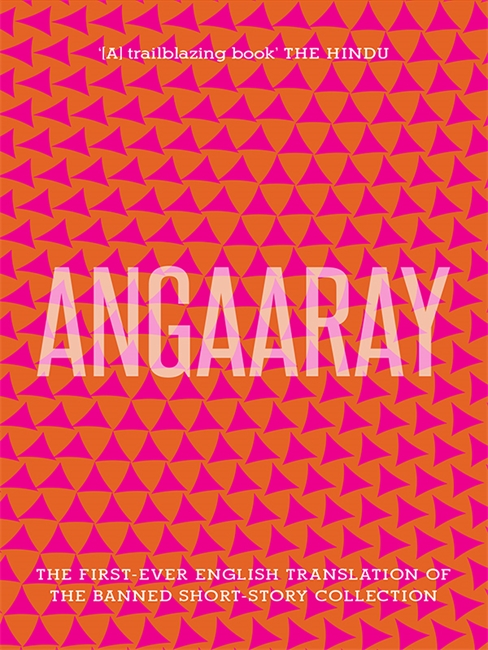
First published in 1932, this slim volume of short stories created a firestorm of public outrage for its bold attack on the hypocrisy of conservative Islam and British colonialism. Inspired by British modernists like Woolf and Joyce as well as the Indian independence movement, the young writers who penned this collection-Sajjad Zaheer, Ahmed Ali, Rashid Jahan and Mahmud-uz-Zafar-were eager to revolutionize Urdu literature. Instead, they invited the wrath of the establishment: the book was burned in protest and then banned by the British authorities. Nevertheless, Angaaray spawned a new generation of Urdu writers and led to the formation of the Progressive Writers’ Association, whose members included, among others, stalwarts like Chughtai, Manto, Premchand and Faiz.Translated into English for the first time, Angaaray retains the crackling energy and fiery polemic of the original stories. This edition also provides a compelling account of the furore surrounding this explosive collection.
What if your husband’s ex-girlfriend makes
a sudden comeback into your lives?
Priya and Chirag are like several other modern couples, living life at breakneck speed, unknowingly stuck in the rut of a marriage that is obviously dying, if not already dead.
But things start to change when Priya’s position in Chirag’s life is threatened by his past-his
ex-girlfriend, who returns when they least expect it.
A third person’s entry into their marriage awakens emotions that have been dormant for too long.
But is it too late? Is the damage beyond repair?
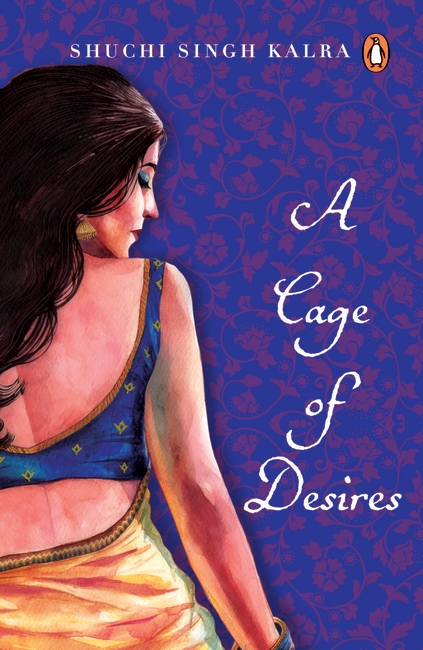
‘There’s a kind of love that makes you go down on one knee, and there’s the kind that brings you down on both. You don’t need the latter, because no matter what you do, you cannot make anyone love you back.’
Renu had always craved love and security, and her boring marriage, mundane existence somehow leads her to believe that, maybe, this is what love is all about. Maya, on the other hand, is a successful author who is infamous for her bold, romantic books.
What do these two women have in common? How are their lives intertwined?
Renu’s thirst for love and longing takes her on a poignant journey of self-exploration. The answers come to her when she finds the courage to stand up for herself, to fight her inner demons and free herself from the cage of desires . . .
One fateful day, Deepti vanishes mysteriously. Baffled by her disappearance and consumed with grief, Prakash, her husband, loses his eyesight. For Prakash, the inexplicable loss of his wife is doubly painful because she was pregnant with their child. And no amount of consolation can bring him solace in the years that ensue.
Into this void steps Rajani, a woman with a tormented past. Despite her initial disdain of Prakash, she steadily finds herself drawn to him. And although an intense desire brings them together, Prakash is unable to give Rajani the love she craves just as he is powerless to dispel the luminous memory of Deepti. But where will this grave obsession lead?
The Unseeing Idol of Light is a haunting tale that explores love and loss, blindness and sight, obsession and suffering-and the poignant interconnections between them.