A tale of borders and beliefs shaped by the games people play
1947
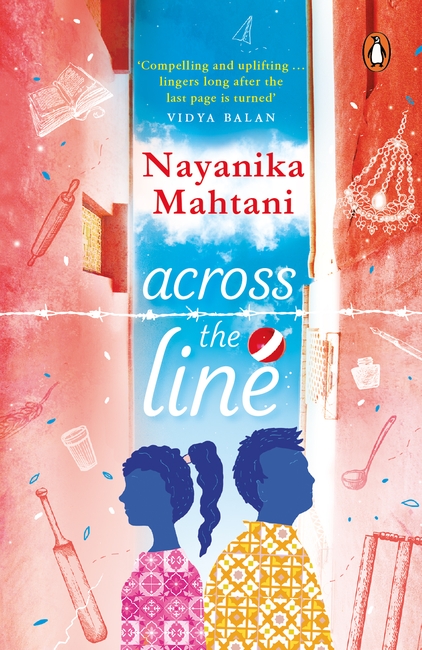
New Delhi. Cyril Radcliffe’s hands are clammy, partly from the heat but mostly from the enormity of the task assigned. Mopping the sweat off his brow, he picks up his pen, draws a deep breath–and a dark line.
Rawalpindi. A barbaric frenzy of rioters fills the streets, disrupting a game of pithoo between Toshi and her brother, Tarlok, shattering their lives unimaginably.
2008
Rawalpindi. Cricket-crazy Inaya is sneaking out behind her father’s back for net practice when she discovers that she is not the only one in her family keeping a secret.
New Delhi. Jai accidentally stumbles upon an old, hidden away diary in his kitchen. The date of its last entry: 17 August 1947.
As Jai and Inaya’s unlikely worlds collide, another story unfolds. A story that started with the drawing of a line. A story that shifts the truth in their lives.
‘Compelling and uplifting . . . lingers long after the last page is turned‘ Vidya Balan

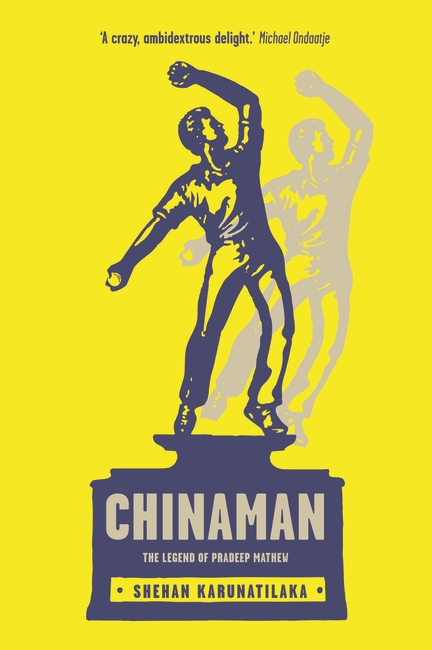
Retired sportswriter, W.G. Karunasena is dying. He will spend his final months drinking arrack, upsetting his wife, ignoring his son, and tracking down Pradeep S. Mathew, an elusive spin bowler he considers ‘the greatest cricketer to walk the earth’.
On his quest to find this unsung genius, W.G. uncovers a coach with six fingers, a secret bunker below a famous stadium, an LTTE warlord, and startling truths about Sri Lanka, cricket, and himself.
Ambitious, playful, and strikingly original, Chinaman is a novel about cricket and Sri Lanka-and of Sri Lanka through its cricket. Hailed by the Gratiaen Prize judges as ‘one of the most imaginative works of contemporary Sri Lankan fiction’, it is an astounding book.

Can you really forget your first love?
Rehaan is a hard-working and down-to-earth kind of guy. When he moves to London, he is hopeful to meet his childhood love, Zynah, whom he hasn’t been able to forget even after all these years.
It turns out that Zynah is just the same, just as he remembers her-fun-loving, adventurous and beautiful.
However, there is just one small difference-she is getting married.
What will Rehaan do-risk ruining their friendship and tell her he loves her or let her marry the man she has chosen?

It is 2002 and young Pablo, a city boy who has mostly lived a sheltered and privileged life in Guwahati, is visiting his ancestral village for his aunt’s wedding. This is his second time in Mayong, in rural Assam, since 1998, when he had come for a few days to attend his father’s best friend’s funeral. As the wedding preparations gather pace, Pablo is amused as well as disturbed by squabbling aunts, dying grandmothers, cousins planning to elope for love and hysterical gossips. And on this heady theatre of tradition and modernity hovers the sinister shadow of insurgency and the army’s brutal measures to quell militancy. In the days leading up to the wedding, which ends in an unspeakable tragedy, Pablo finds first love, discovers family intrigues and goes through an extraordinary rite of passage. Written with clinical precision, this gripping first novel announces the arrival of one of the most original voices from India’s North-East.
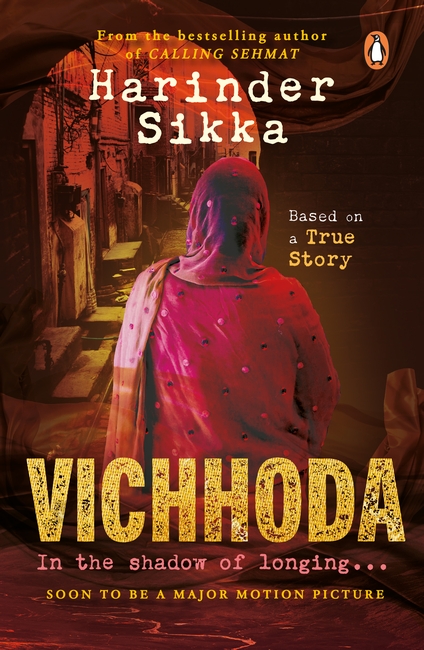
The year is 1950; the Liaquat-Nehru Pact has been signed between India and Pakistan; she doesn’t know it will change her life forever; it will also make her stronger
Bibi Amrit Kaur’s life is literally torn apart in the 1947 riots. She’s now in a different country with a different identity. She accepts this new life gracefully and begins a new chapter. She gets married and has two children. Life, however, has something else in store for her. It breaks her apart. Again.
This time the pain is unbearable.
But the hope that she will reunite with her children and be whole again keeps her alive. And she doesn’t let the bitterness cloud her days, becoming a beacon of hope and courage for all.
From the bestselling author of Calling Sehmat comes another hitherto untold story of strength, sacrifice and resilience.
A must read.

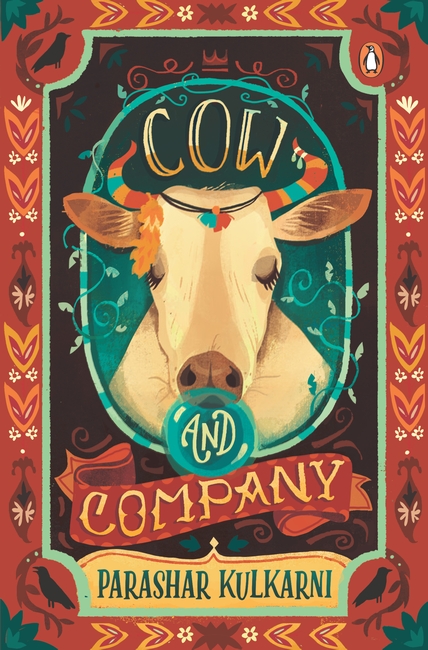
A brave and hilarious debut set in colonial India, Cow and Company begins with the British Chewing Gum Company setting up shop in Bombay with the mission of introducing chewing gum in the colonies. They declare paan, which is in all mouths at all times, as their enemy. A cow is chosen as the mascot. It is up on all the posters.
Religious sentiments are hurt. What begins as a search for a cow ends up in a catastrophe. With laugh-out-loud moments, ingenious use of language, and a spellbinding interplay of fantasy and myth, Cow and Company uses satire to take stock of the state of the nation, religion and capital, then and now.

‘You are from India-the land of three hundred and thirty million Gods-and you say you don’t believe in even one of them? I think it’s time to go home, Sid.’
Andrea’s words echoed in Siddharth’s mind as he poured himself another peg of Scotch. A Google search for the word ‘God’ directed him to India-a place where he had buried his childhood dream eleven years ago, before moving to New York. Now India and spirituality were vague memories. Siddharth had dismissed the idea of God when he had come to New York.
Until now . . .
Life was always demanding but this time it had gone too far. Now Siddharth was desperate and determined to find God one way or the other, to get his money and company back. As he boarded the flight to India, Siddharth shut his eyes and prepared himself for the ride back to where it had all started . . .

Linda, in her thirties, begins to question the routine and predictability of her days. In everybody’s eyes, she has a perfect life: happy marriage, children, and a career. Yet what she feels is an enormous sense of dissatisfaction. All that changes when she encounters a successful politician who had, years earlier, been her high-school boyfriend. As she rediscovers the passion missing from her life, she will face a life-altering choice.

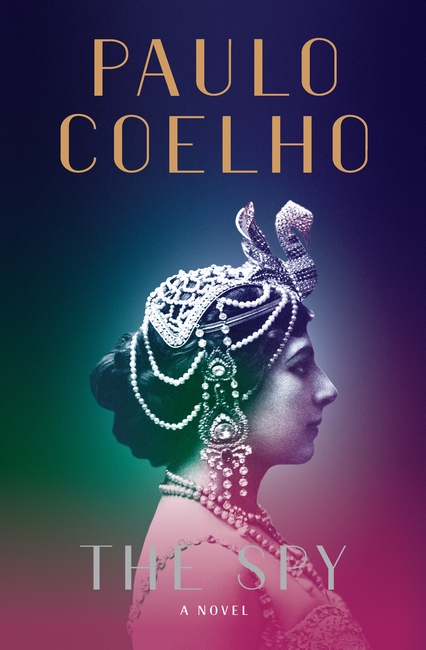
When Mata Hari arrived in Paris she was penniless. Within months she was the most celebrated woman in the city.
As a dancer, she shocked and delighted audiences; as a courtesan, she bewitched the era’s richest and most powerful men.
But as paranoia consumed a country at war, Mata Hari’s lifestyle brought her under suspicion. In 1917, she was arrested in her hotel room on the Champs Elysees, and accused of espionage.
Told in Mata Hari’s voice through her final letter, The Spy is the unforgettable story of a woman who dared to defy convention and paid the ultimate price.

SHORTLISTED FOR THE JCB PRIZE FOR LITERATURE 2019
SHORTLISTED FOR THE SHAKTI BHATT PRIZE 2019
‘And then finally I felt sadness, aided perhaps by those futile notes, by the dust that keeps thickening, by the untouchable past, the inevitable future, and by everything else that pushes us around.’
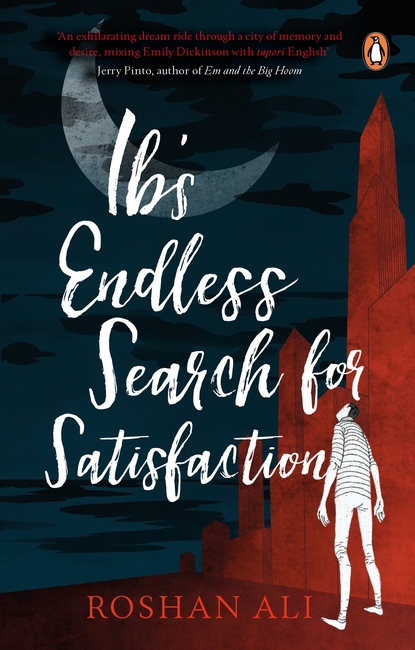
Ib lives with his schizophrenic father and his ‘nice’ mother negotiating life, not knowing what to do, steered by uncaring winds and pushy people. From his slimy, unmiraculous birth to the tragic death of a loved one, Ib wanders the city, from one thing to another, confused, lost and alone, all the while reflecting on his predicament. He is searching for something-what he does not know-and must overcome many obstacles: family, religion, love and, finally, death. Will he be defeated by ‘this wreckage of modern life?’ Will a mysterious woman lift him out of the ‘cement’ in his soul?
In this journey of sadness and self-reflection, Ib tranforms into an ordinary man from an ordinary boy and along the way, tries to figure out life and understand himself.
In this audacious debut that is insightful, original and deeply disturbing, Roshan Ali’s play of language is nothing less than masterful.