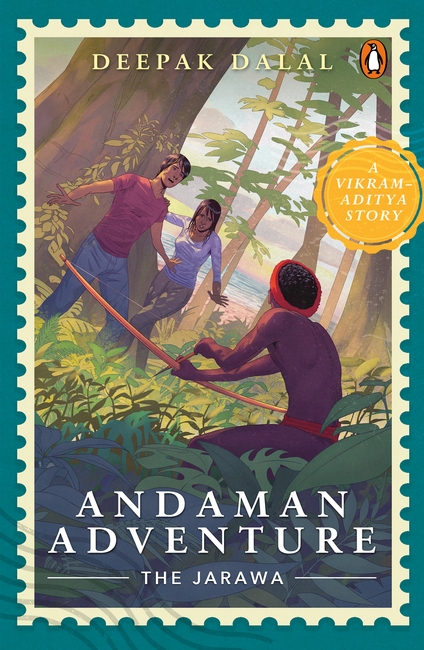
This is the seventh book in the Vikram-Aditya series following from Koleshwar’s Secret and is the first of the two-part ‘Andaman Adventure’ books.
The Andaman coast, north and west of the capital city of Port Blair, is an unspoiled stretch of beauty. This untamed coast has only been partly explored. Large sea eagles prowl its blue skies, saltwater crocodiles patrol meandering creeks, and lush and dense forests unfold behind isolated beaches.
These magnificent forests are home to the proud and ancient people of this land known to outsiders as the Jarawa. Wielding arrows and spears, the Jarawa fiercely protect their wild abode, attacking those who dare enter into their sacred space.
Vikram and Aditya, accompanied by Chitra, a free-spirited girl much like the islands themselves, embark on an adventure of a lifetime along this very coast. On a moonlit night they venture up a forbidden creek where danger lurks in the shadows awaiting them. Find out what happens next in this thrilling adventure series set in India’s farthest-most region.

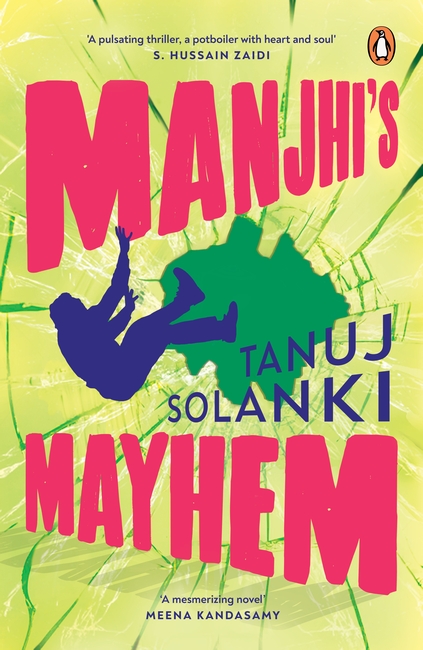
Introducing Sewaram Manjhi in this explosive novel that combines a tight mystery and an anti-hero who refuses to back down.
Sewaram Manjhi works as a security guard outside a posh Bombay café. On the surface, he’s not unlike millions of invisible Indians who make the city tick, but there is a difference: he holds rage in his heart, and he will go to any length to snatch a chunk of the good life. Enter Santosh, hostess at the restaurant across the street. A damsel in distress, Santosh has a strange request for Manjhi, and far be it from him to say no. What follows is tabaahi – mayhem – as Manjhi finds himself caught in a web of lies and deceit, and on the trail of a bag full of money that will lead to broken noses, bloody heads, sex, seduction, and murder. If he succeeds, Manjhi might finally discover what it means to be in control of one’s destiny in a land where birth determines fate.
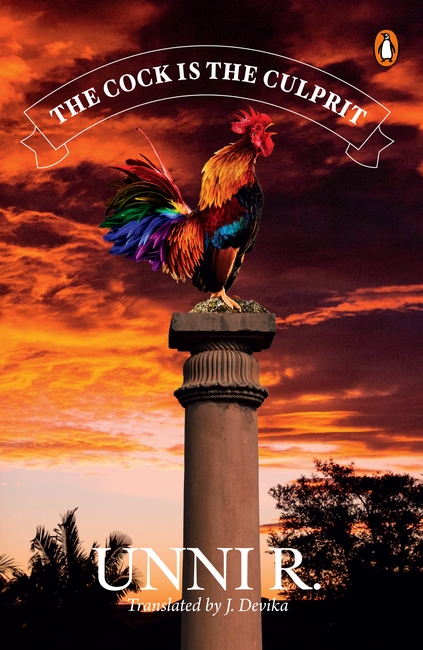
In a small village in Kerala, people begin to feel threatened by an invisible rooster that crows at odd hours. It is heard interrupting the morning and night prayers at the temple, the mass at the church, the azaan at the
mosque and the Martyrs’ Day ceremony. When it hoots in the middle of the national anthem being sung at the local school, it is instantly labelled as a threat to national security.
It offends the sentiments of all those who are religious, political, patriarchal, exploitative, fanatical and homophobic. Naturally, there are many baying for its blood. The witch-hunt that ensues fuels suspicions that the invisible cock might even be a human, an anarchist who is trying to destabilize the nation with help from
outside.
Incisive and hilarious by turns, The Cock Is the Culprit does an astute job of exposing the dark
underbelly of Kerala society.

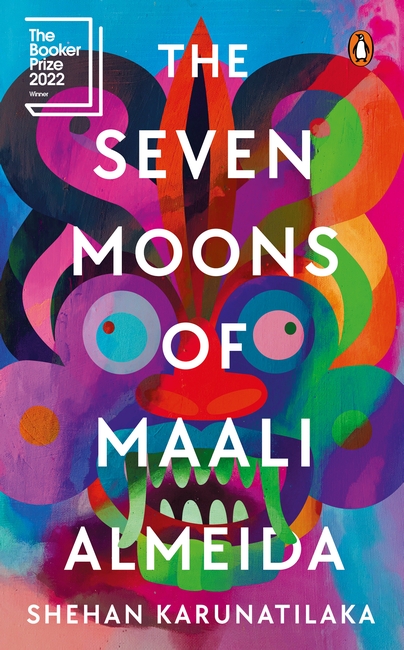
WINNER OF THE 2022 BOOKER PRIZE
A searing satire set amid the murderous mayhem of Sri Lanka beset by civil war
Colombo, 1990. Maali Almeida, war photographer, gambler and closet gay, has woken up dead in what seems like a celestial visa office. His dismembered body is sinking in the Beira Lake and he has no idea who killed him. At a time when scores are settled by death squads, suicide bombers and hired goons, the list of suspects is depressingly long, as the ghouls and ghosts who cluster around him can attest. But even in the afterlife, time is running out for Maali. He has seven moons to try and contact the man and woman he loves most and lead them to a hidden cache of photos that will rock Sri Lanka. Ten years after his prizewinning novel Chinaman established him as one of Sri Lanka’s foremost authors, Karunatilaka is back with a rip-roaring epic, full of mordant wit and disturbing truths.
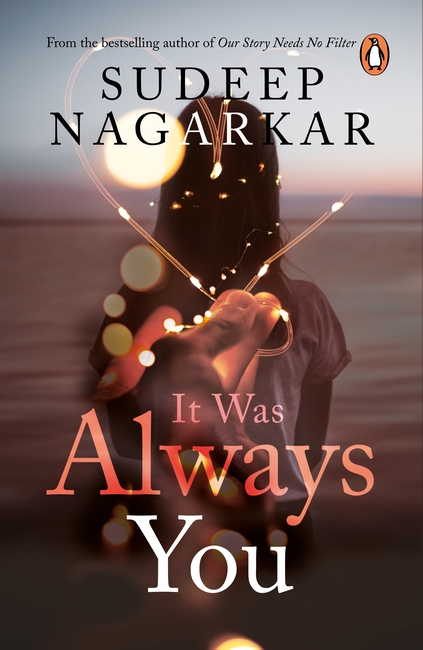
Have you ever regretted a lost love?
Karan and Shruti are a happily married couple. Until Karan’s ex resurfaces into his life one day. Soon Karan finds himself getting nostalgic over matters of the heart and thinking fondly of his first romance. Will he put his steady and seemingly perfect marriage at stake for his ex-girlfriend?
Meanwhile his best friend Aditya finds his own relationship with his wife Jasmine going through an emotional turmoil. Will both friends work towards keeping their marriage afloat, or make a decision they would later regret?

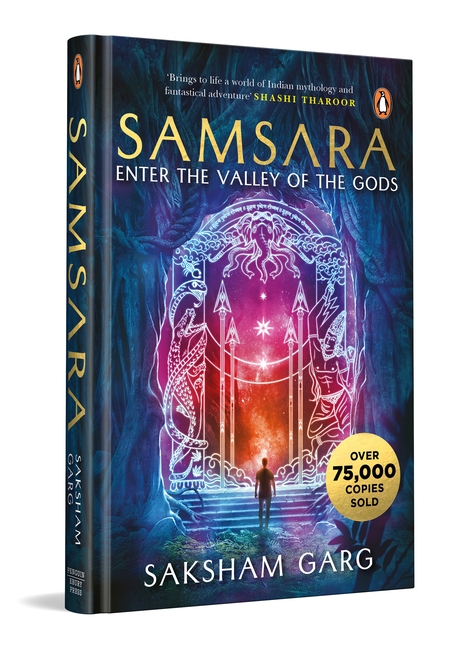
What if you came face to face with the gods?
Phones stop working. Smartwatches die. And arms start glowing with blue scars. This is what happens to Aman Chandra and ten other Souls of Samsara when they are kidnapped from modern-day India and transported to a hidden valley in the Himalayas. In this realm of magic, home to Hindu gods, immortal yogis and mythical beasts, the mission is clear for the Souls of Samsara: to learn the ancient art of yogic sorcery and prepare for a treacherous journey not many can survive.
But why must they go on this journey? And how are the gods connected to it all?
Before they get any answers, the Souls of Samsara realize that there is a larger scheme at play. The king of the gods has passed a controversial order. And Aman must make a tough decision that will change not just his life but the fate of an entire nation . . .
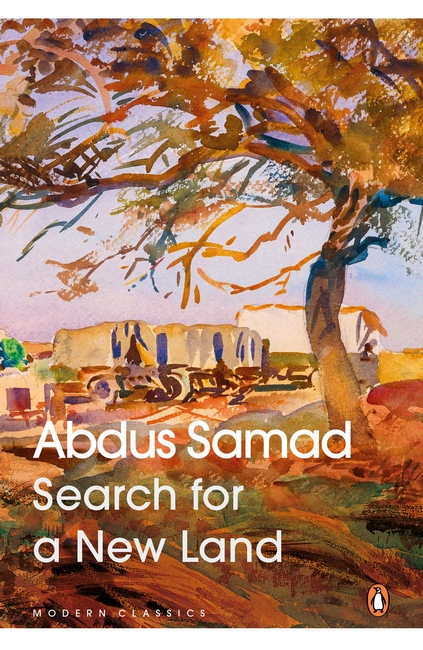
A Muslim feudal family in provincial Bihar Shareef faces devastating grief and anguish during the Partition of India in 1947 and then again, the partition of Bengal in 1971 when lines are drawn across their lands and hearts. Originally published in Urdu as Do Gaz Zameen, Abdus Samad’s deeply emotional and political novel traces the journey of the Hussain family from the 1920s to 1970s, as they travel through the Bihar province, to Calcutta, Karachi, and Dhaka and take us along intensely critical political events that shaped the formation of new lands and new identities in India, Pakistan, and Bangladesh.
Abdus Samad received the Sahitya Akademi award in 1990 for Do Gaz Zameen. His prolific literary career in Urdu fiction has garnered for him several other accolades and awards such as the Bharatiya Bhasha Parishad, the Ghalib award, and the Lifetime Achievement Award from the Urdu Academy in Bihar. Search for a New Land is the first translation into English of this epic novel.

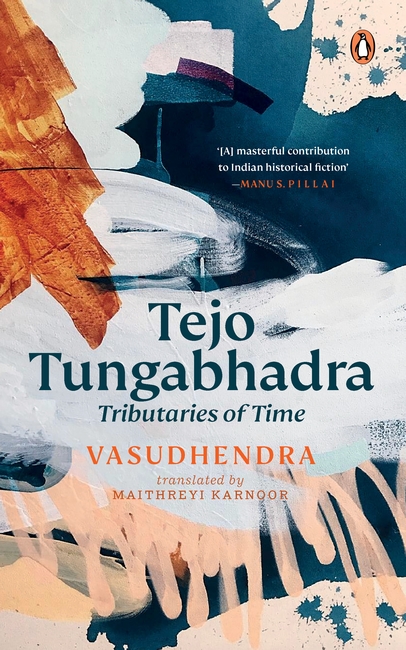
Tejo Tungabhadra tells the story of two rivers on different continents whose souls are bound together by history. On the banks of the river Tejo in Lisbon, Bella, a young Jewish refugee, and her family face daily threats to their lives and dignity from the deeply antisemitic society around them. Gabriel, her lover, sails to India with General Albuquerque’s fleet seeking wealth and a secure future for themselves. Meanwhile, on the banks of the Tungabhadra in the Vijayanagara Empire, the young couple Hampamma and Keshava find themselves caught in the storm of religious violence and the cruel rigmarole of tradition. The two stories converge in Goa with all the thunder and gush of meeting rivers. Set in the late 15th and early 16th century, Tejo Tungabhadra is a grand saga of love, ambition, greed, and a deep zest for life through the tossing waves of history.

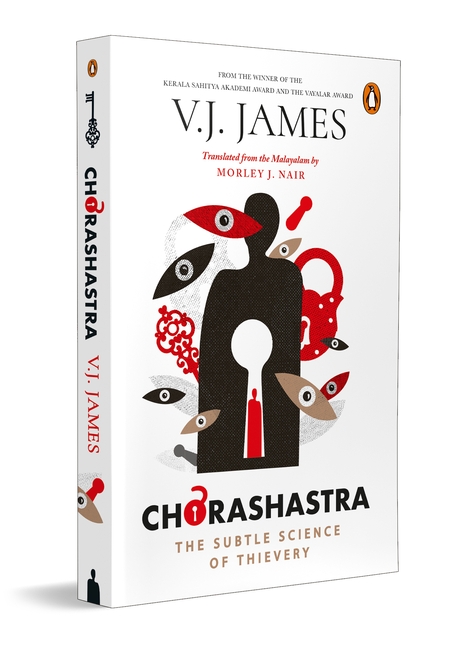
Hoping to break out of his coconut-robbing father’s petty legacy and strike it big, a small-time thief breaks into the house of an eccentric professor. A strong believer in the theory that early Indian civilisations were scientifically advanced, the professor spends his days salvaging ancient texts, long forgotten or overlooked by scholars of present times. On the night of the break-in, he is immersed in Chorashastra, a manuscript rendered brittle and yellow by centuries, that holds within its pages mind-boggling tips and tricks for thieves- most incredibly, the ability to open a lock by just looking at it.
He hails the arrival of the thief as a sign and decides to test its theories on him. Thus begin the amazing adventures of a thief. As vault after vault yield to his subtle gaze, his wantonness and hubris leap to the skies.
Known for his subversive plots and narrative devices that mark a clear departure from contemporary Malayalam storytelling,
V.J. James’s Chorashastra tells a gripping story of untethered ambition and the inevitable chase between crime and justice.