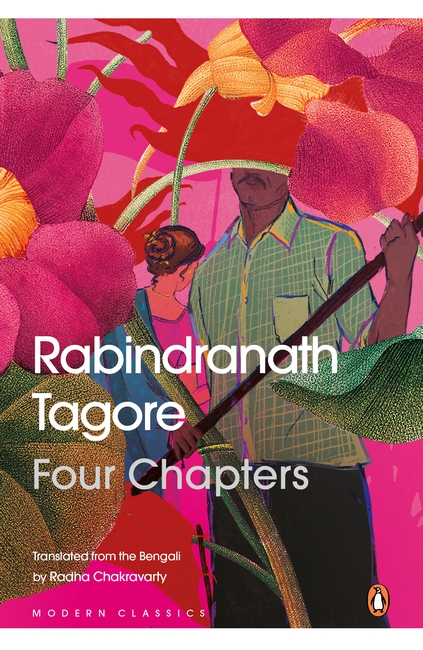
Char Adhyay (1934) was Rabindranath Tagore’s last novel, and perhaps the most controversial. Passion and politics intertwine in this narrative, set in the context of nationalist politics in pre-Independent India. Ela, a young working woman, comes under the spell of Indranath, a charismatic political activist who advocates the use of terror for the nationalist cause. She takes a vow never to marry, and to devote her life to the nationalist struggle. But she falls in love with Atindra, a poet and romantic from a decadent aristocratic family. Through their relationship, she becomes aware of the hollowness of Indranath’s politics. Afraid that she might expose them to the police, the political group gives Atin the task of eliminating Ela. In the dramatic final sequence of the novel, Ela offers herself to Atin, with tragic consequences.
This new translation, intended for twenty-first-century readers, will bring Tagore’s text to life in a contemporary idiom, while evoking the flavour of the story’s historical setting.
Catagory: Fiction
Fiction main category
Anthology of Humorous Sanskrit Verses
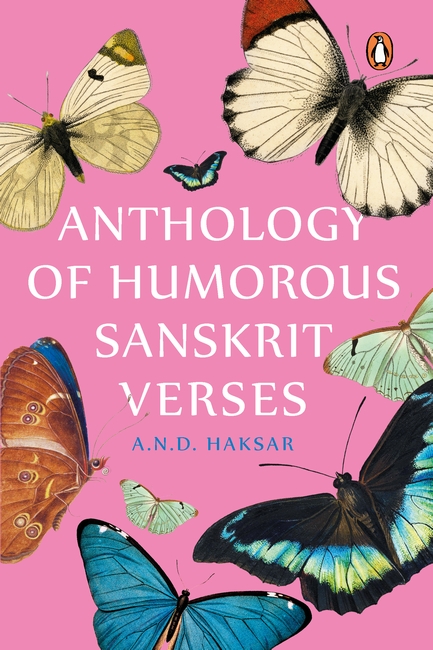
In recent times, whenever ancient Sanskrit works are discussed or translated into English, the focus is usually on the lofty, religious and dramatic works. Due to the interest created by Western audiences, the Kama Sutra and love poetry has also been in the limelight. But, even though the Hasya Rasa or the humorous sentiment has always been an integral part of our ancient Sanskrit literature, it is little known today.
Anthology of Humorous Sanskrit Verses is a collection of about 200 verse translations drawn from various Sanskrit works or anthologies compiled more than 500 years ago. Several such anthologies are well-known although none of them focus exclusively on humor. A.N.D. Haksar’s translation of these verses is full of wit, earthy humor and cynical satire, and an excellent addition of the canon of Sanskrit literature.
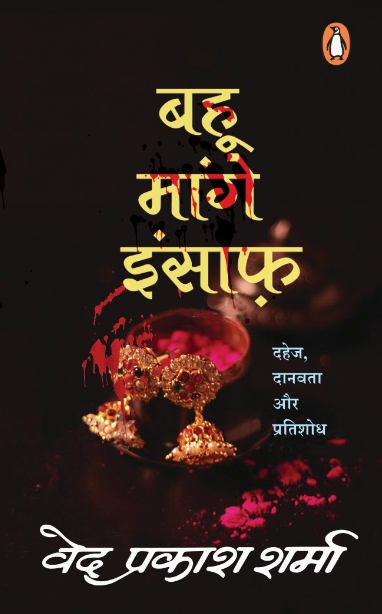
Bahu Mange Insaf
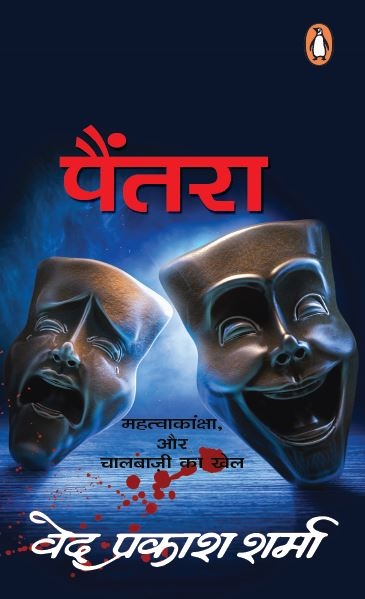
Paintra
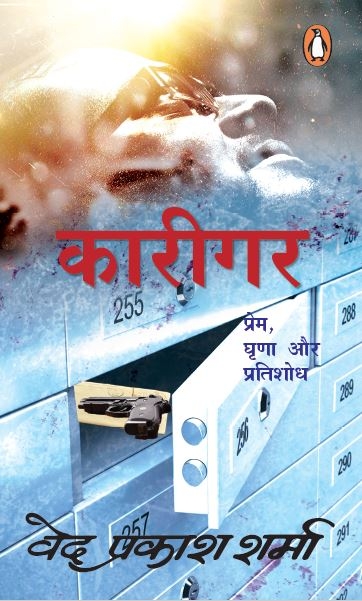
Karigar
Kaidi No. 100/कैदी नं. 100
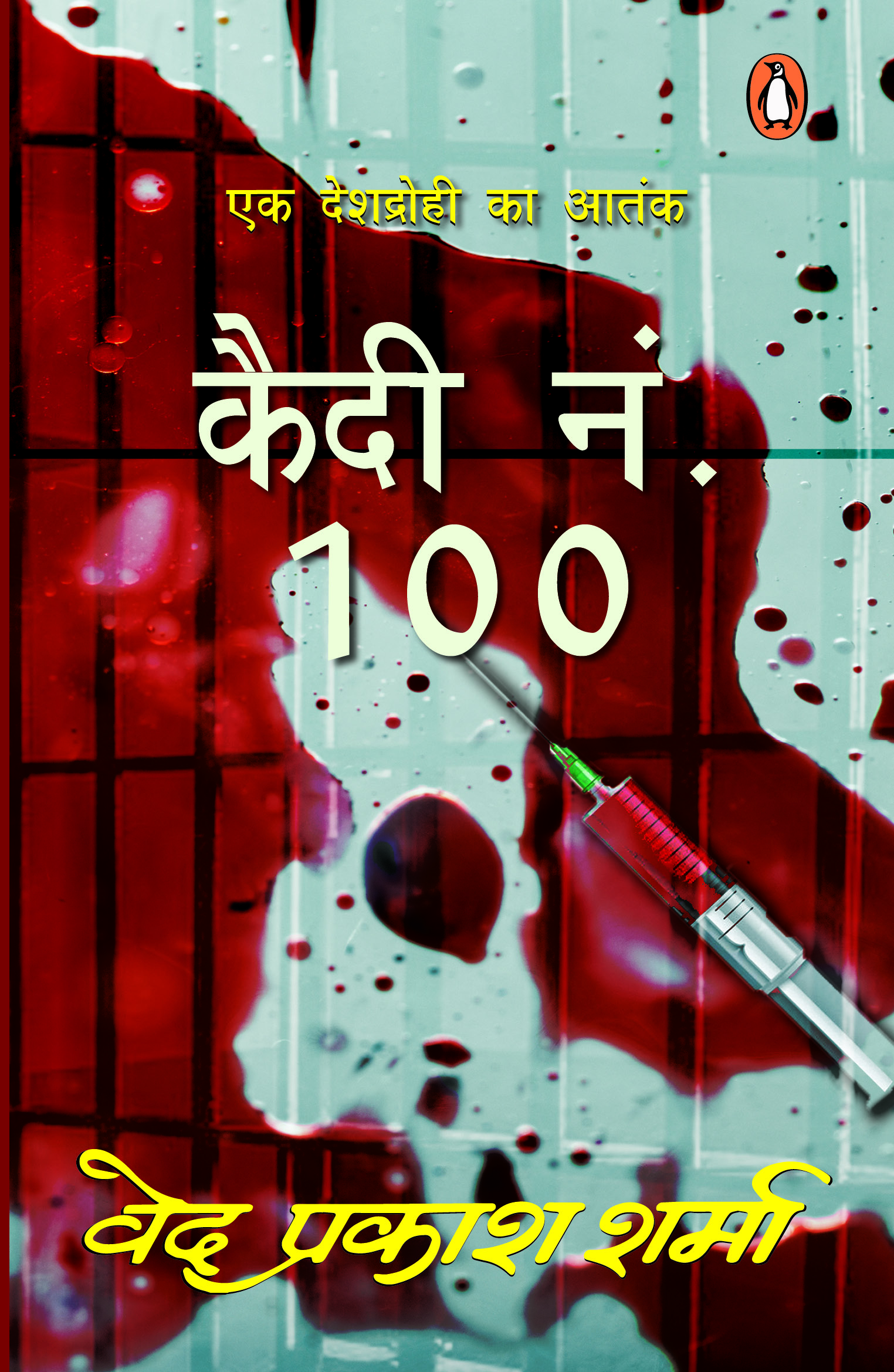
कैदी नंबर 100 एक प्रतिभाशाली छात्रा संगीता की कहानी है। लेकिन वह इतने निर्धन परिवार से है कि किसी अच्छे कालेज में अध्ययन नहीं कर सकती। परंतु प्रोफसेर दिवाकर उसकी योग्यता को पहचान लेता है। संगीता को उच्च शिक्षा के लिए विदेश भेजने हेतु प्रोफेसर को चोरी भी करनी पड़ती है। गुरु और शिष्या के पवित्र रिश्ते पर लोग उँगलियाँ उठाते हैं, लेकिन ऐसा क्या होता है कि जब संगीता नए नाम नीलम से एक महान वैज्ञानिक बन जाती है तो उसे अपने ही पति की हत्या करनी पड़ती है और एक और नई पहचान मिलती है कैदी नंबर 100 और प्रोफेसर दिवाकर भी क्यों एक घोर अपराधी बन जाता है, जो कैदी नंबर 100 का अपहरण कर इस महान वैज्ञानिक से ऐसी दवाई ईजाद करवाना चाहता है, जिसके प्रयोग से वह सारी दुनिया को कोढ़ी बनाना चाहता है।
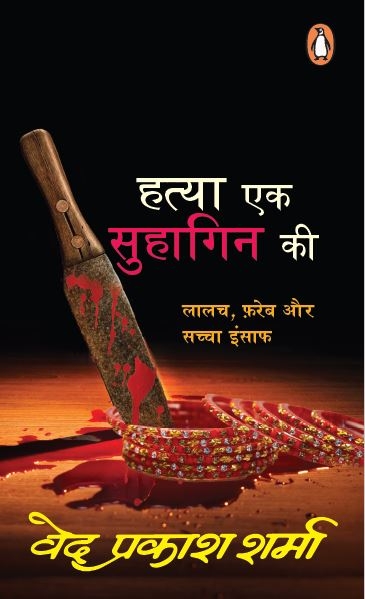
Hatya Ek Suhagin Ki
Sadhe Teen Ghante/साढे़ तीन घंटे
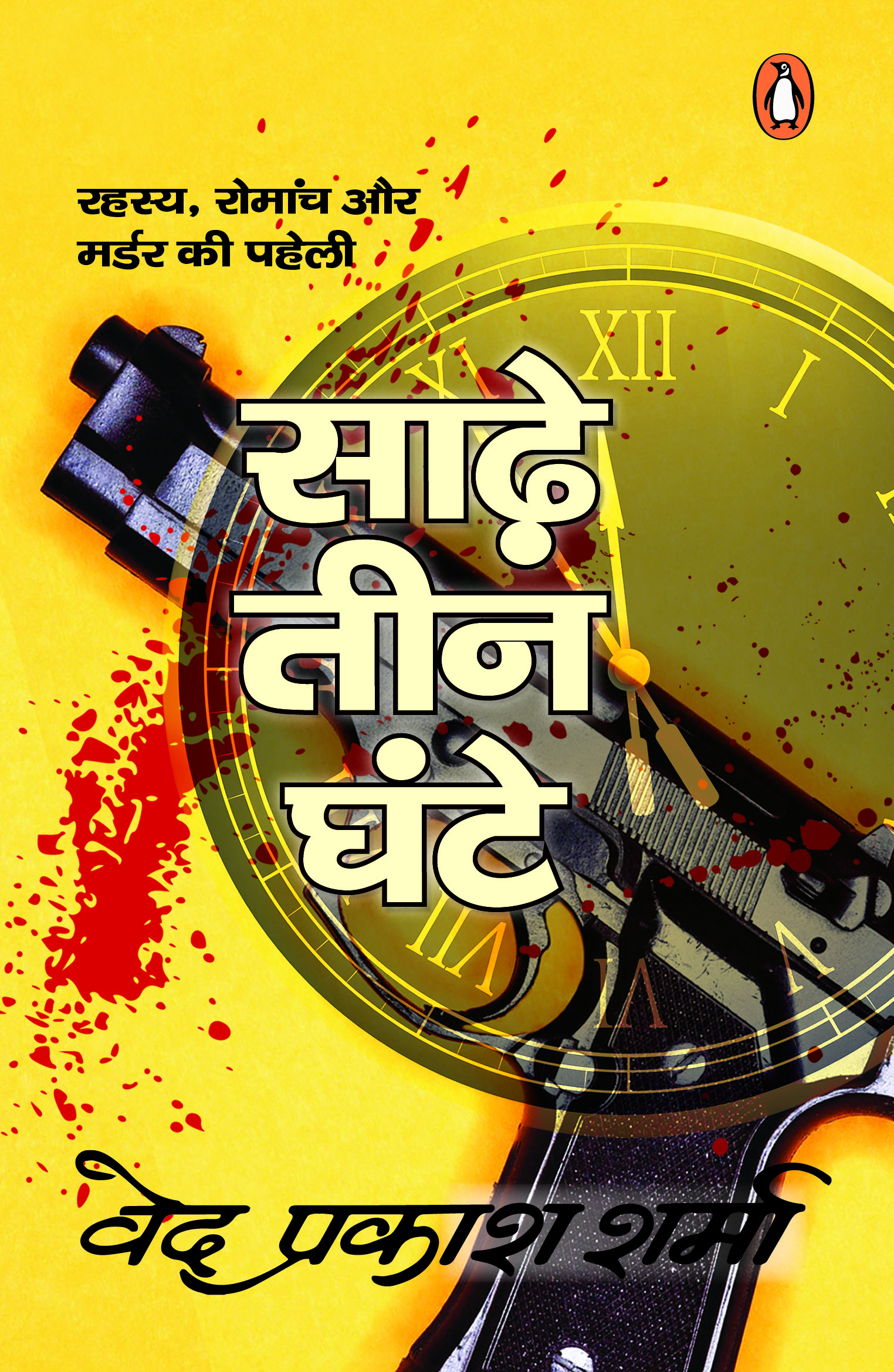
वेदप्रकाश शर्मा पत्नी मधु संग अपनी शादी की सालगिरह मनाने के लिए जिंदलपुरम में जाते हैं, जहाँ वेद की भेंट अपनी सहपाठी और प्रेमिका रही विभा जिंदल से होती है। निमंत्रण पाकर जब वेद और मधु जिंदल परिवार के घर जिसे मंदिर कहा जाता था, वहाँ जाते हैं तो इसी दौरान विभा जिंदल के पति अनूप जिंदल रहस्यमय तरीके से आत्महत्या कर लेता है और इसके बाद पूरी नगरी में ही एक के बाद एक हत्याओं का सिलसिला शुरू होता है। आखिर साढ़े तीन घंटे में एक पहेली को न सुलझाने पर आत्महत्या करने वाले अनूप जिंदल की असली कहानी क्या है? क्या आत्महत्या के बाद अंतिम संस्कार होने पर भी अनूप जीवित हो उठता है? विभा जिंदल, जिसने बचपन में जासूस बनने का सपना देखा था, क्या वह इन हत्याओं के सिलसिले को सुलझा पाती है?
City of Joy
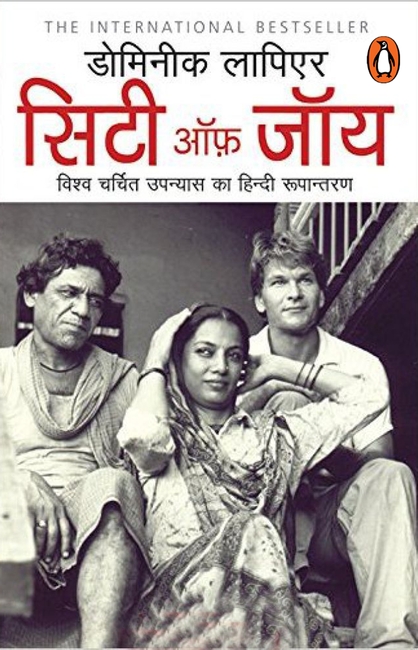
सिटी ऑफ़ जॉय डोमिनिक लापिएर का 1985 में लिखा गया चर्चित उपन्यास है। इसे 1992 में रोलैंड जोफ की एक फिल्म के रूप में रूपांतरित किया गया था। कलकत्ता को इस उपन्यास के बाद “सिटी ऑफ जॉय” का नाम दिया गया है, हालाँकि यह उपन्यास स्लम क्षेत्र पर आधारित था, जो इसके जुड़वां शहर हावड़ा में था। इस पर बनी फिल्म ने दुनियाभर में धाक जमा दी थी।