‘A work of power, intimacy and magic’ Anees Salim, author
When Maneka Pataudi is arrested as the prime suspect for the murder of her ex-husband, she reveals a chilling tale of marital abuse and neglect.
But is her confession the truth or a lie? Is she telling the story as a victim or a perpetrator? And, is it better for women to kill for love or be killed for it?
Based on a true story (mostly), Boys Don’t Cry is a gripping, compelling and courageous novel that takes you behind the closed doors of a modern Indian marriage.

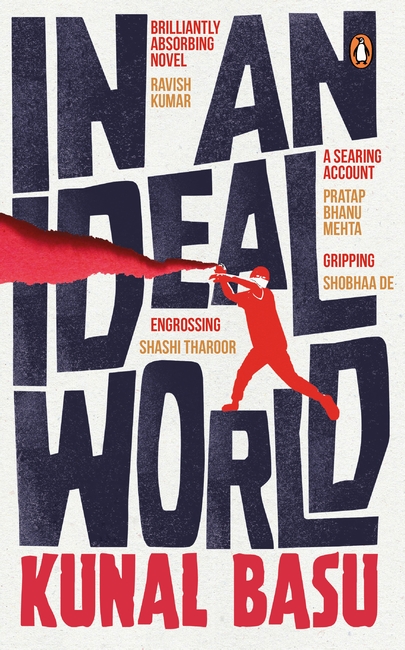
Altaf Hussein, a young Muslim student, has been abducted from his college hostel. The authorities have washed their hands off the matter and the police are accused of a cover up. Rumours claim he has gone to fight the jihad in Iraq. More sinister rumours have him tortured and murdered for opposing the Nationalist students who are on a rampage to create a Hindu homeland in India, driving out Liberal supporters like Altaf and their decadent ideals.
The divide between Liberals and Nationalists invades the Sengupta household in Kolkata when Joy, a bank manager, and Rohini, his schoolteacher wife-both compassionate humanists-learn the shocking news that their only son Bobby has become a leader of the Nationalist students and is implicated in Altaf’s disappearance. Disbelief turns to anguish when they encounter his belligerent ideology and his not-too-convincing denial of his role in the Altaf affair.
Out to solve the mystery of Altaf, Joy and Rohini discover conspiracy and hate, forbidden love and exceptional courage, come face to face with a world caught between the real and the ideal. But will they succeed in absolving their son of the heinous crime? Will Altaf be found after all? Or will they, and this fractured nation, pay the ultimate price for harbouring a fractured heart?

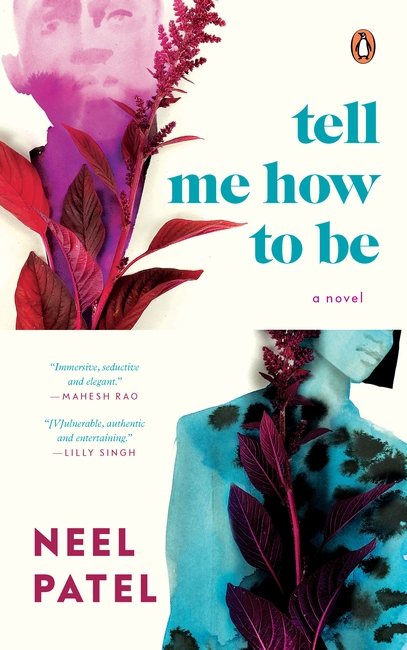
Renu Amin always seemed perfect: doting husband, beautiful house, healthy sons. But as the one-year anniversary of her husband’s death approaches, Renu is binge-watching soap operas and simmering with old resentments. She can’t stop wondering if, thirty-five years ago, she chose the wrong life. In Los Angeles, her son, Akash, has everything he ever wanted, but as he tries to kickstart his songwriting career and commit to his boyfriend, he is haunted by the painful memories he fled a decade ago. When his mother tells him she is selling the family home, Akash returns to Illinois, hoping to finally say goodbye and move on.
Together, Renu and Akash pack up the house, retreating further into the secrets that stand between them. Renu sends an innocent Facebook message to the man she almost married, sparking an emotional affair that calls into question everything she thought she knew about herself. Akash slips back into bad habits as he confronts his darkest secrets-including what really happened between him and the first boy who broke his heart. When their pasts catch up to them, Renu and Akash must decide between the lives they left behind and the ones they’ve since created, between making each other happy and setting themselves free.
By turns irreverent and tender, filled with the beats of ’90s R&B, Tell Me How to Be is about our earliest betrayals and the cost of reconciliation. But most of all, it is the love story of a mother and son each trying to figure out how to be in the world.
Translated from the Bengali by Bhaskar Chattopadhyay
From one of the greatest Bengali novelists of all time
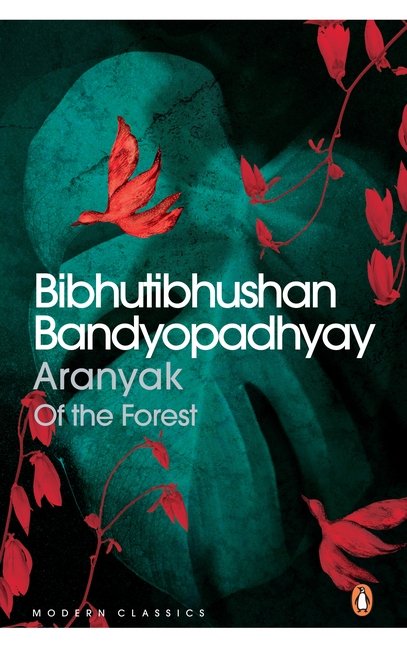
Aranyak, written in 1939, is a famous Bengali novel by Bibhutibhushan Bandyopadhyay based on his long and arduous years in northern Bihar. There he came into contact with a part of the world that, even now, remains unknown to most of us. ‘Aranyak’ literally means ‘Of the Forest’.
This novel explores the simple and heart-warming story of a man who gets a job as an estate manager in Bihar, and slowly falls in love with the beautiful and tranquil forest around him. The dichotomy of urban and rural life comes alive, reflecting the great love that human beings and nature can share, one that Bandyopadhyay experienced in his heart. Written by one of the greatest Bengali authors, this haunting novel is rooted in guilt and sadness but also tremendous beauty.

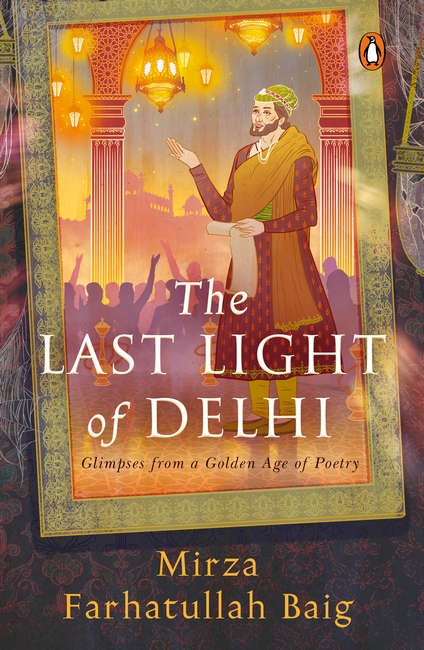
Farhatullah Baig imagines a mushaira as it might have been in the last glory days of Delhi, during the mid-nineteenth century, lit by the glowing embers of the dying Mughal empire.
The Last Light of Delhi is the story of a last grand mushaira held in the city of Delhi circa 1845. Though the mushaira is fictional, the book is a cultural document of the age, taking the reader on a journey in time to a past when poetry flowed through the streets of the city. It paints a portrait of a lost world, of the life and living styles of the upper classes of Delhi in the decade before the fateful year of 1857.
Baig takes the reader into the sitting rooms of some of the most iconic people of the time, from Mirza Ghalib to Bahadur Shah Zafar, giving us a glimpse into their private lives, describing their homes, their manners, their ways of dressing and talking, filling his portraits with colour and detail so that the poets appear vividly before us-and when they begin to recite their poems in the mushaira, it seems as if each poet is speaking out from the pages of the book.

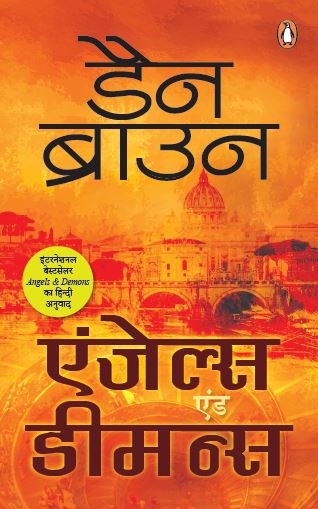
When a CERN scientist is found murdered, the investigators decide to contact Robert Langdon for assistance. A Professor of Symbology at Harvard, Langdon can’t understand why the police need his help. When he arrives, he discovers a series of strange symbols which link the murder to the Vatican, where the College of Cardinals has assembled for one purpose: the election of the new Pope. The entire world is watching as the ballot boxes are collected, but unless Langdon can help solve the clues in time, a deadly bomb waits beneath the city, waiting to go off.

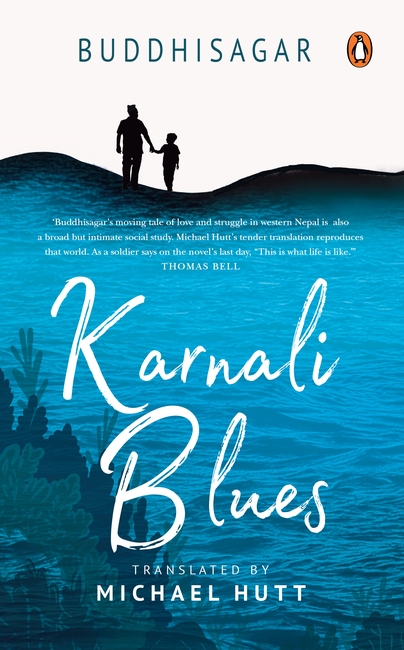
Karnali Blues, by Buddhisagar, is the most widely read Nepali novel to have appeared in the last twenty years. As it recounts the evolution of a father-son relationship-a son’s search for approval, a father’s small acts of kindness and forgiveness, a son’s fears for his father’s dignity as his fortunes and faculties begin to fail-the reader is deeply drawn into young Brisha Bahadur’s world. His father is kind and idealistic; his mother, though she is kind too, is often frustrated and irascible. The characters in this book are some of the most carefully drawn and authentic in all of Nepali literature.
In a backwater district of a country about to undergo radical social, political and cultural change, Brisha’s dreams, his games and his mischief, his loves, his hopes and his fears come alive.
Translated from the Nepali by Michael Hutt, this highly original piece of work, with the simplicity of its language and its emotional range, holds the power to take your breath away. Its principal themes-the love between a son and his father, the joys and sorrows of childhood, the daily struggle for survival-are universal, and will resonate with readers the world over.

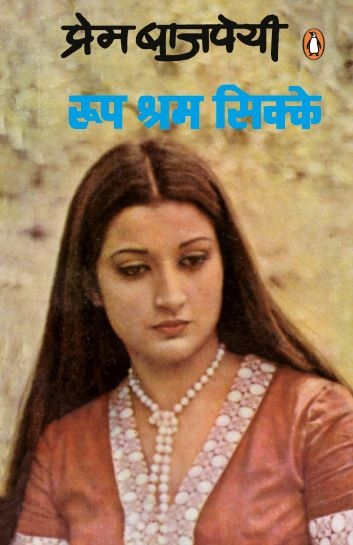
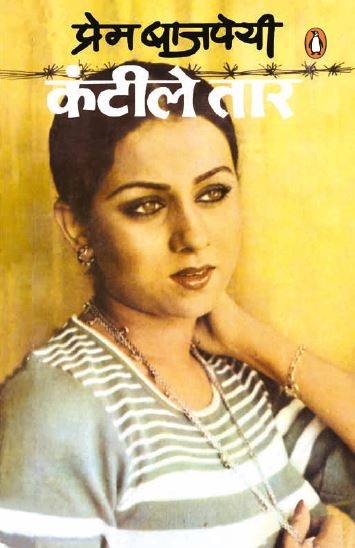
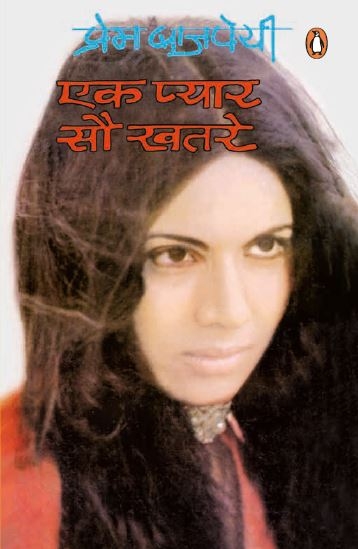
There is an interesting story, which impression remains indelible on the heart. A struggling person does not stop fighting after failing in love, but the struggle became more tough in the wary of love. Actually this story inspires the do the struggle for the love.

Prem Vajpayee has attacked on the caste, varna and untouchability through love story in this novel. This is the matter of sorrow that untouchability is also on today. This love story leaves strong impact on the people.

The lovers never met in this story, they did love each other. Actually this love story make the people weep. The society have been the enemy of love.