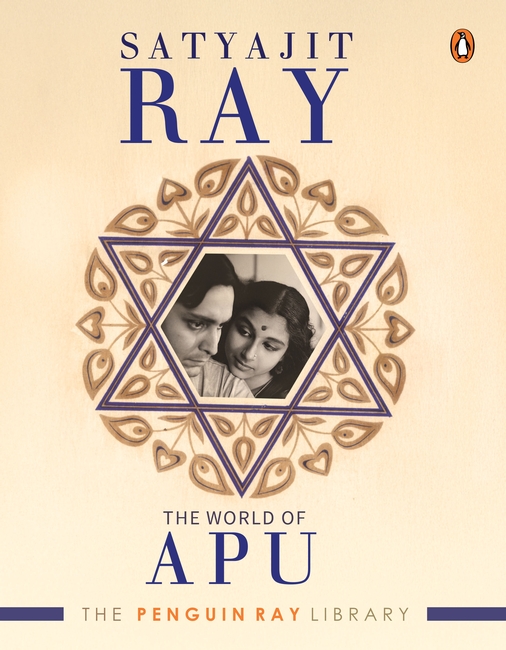
Apu steps off the screen and onto the page. The World of Apu is an intimate journey into Satyajit Ray’s creative universe, bringing together his original writings, notes and seldom-seen visuals around the iconic Apu Trilogy. Here, Ray reflects on craft, character and the quiet revolutions of everyday life that shaped modern Indian cinema.
Sketches, frames and personal insights reveal how a young boy from rural Bengal became a timeless symbol of hope, loss and becoming. Lyrical yet deeply observant, this volume is both a collector’s gem and an essential archive—an invitation to witness genius at work, unfiltered and unforgettable.
A collector’s edition, The World of Apu will interest a wide spectrum of readers.

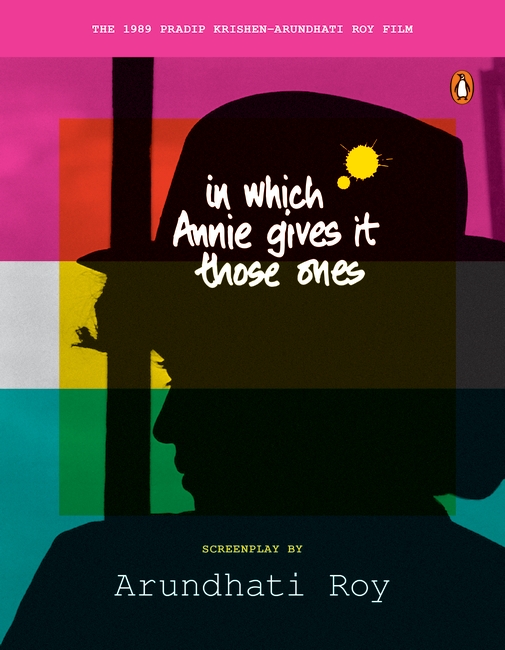
In Which Annie Gives It Those Ones, is the screenplay of the 1989 film directed by Pradip Krishen. It was written by Arundhati Roy. The film was shown just once on national television in a late-night slot. It lived on as a sort of underground cult film, screened by students in campuses across the country. Set in a not-so-fictional school of architecture in the year 1974, it is the story of dope-smoking, bellbottom-wearing, vaguely idealistic final-year students in the run up to the submission of their theses. After thirty-eight years, the damaged negative of the film was recovered and restored by the Film Heritage Foundation. This new edition of the screenplay has introductions by Arundhati Roy, Pradip Krishen and Shivendra Singh Dungarpur, founder of the Film Heritage Foundation.

Kalidasa is the greatest poet and playwright in classical Sanskrit literature and one of the greatest in world literature. Kalidasa is said to have lived and composed his work at the close of the first millennium BC though his dates have not been conclusively established. In all, seven of his works have survived: three plays, three long poems and an incomplete epic. Of these, this volume offers, in a brilliant new translation, his two most famous works-the play Sakuntala, a beautiful blend of romance and fairy tale with elements of comedy; and Meghadutam (The Cloud Messenger), the many-layered poem of longing and separation. Also included is Rtusamharam (The Gathering of the Seasons), a much-neglected poem that celebrates the fulfillment of love and deserves to be known better. Taken together, these works provide a window to the remarkable world and work of a poet of whom it was said: ‘Once, when poets were counted, Kalidasa occupied the little finger; the ring finger remains unnamed true to its name; for his second has not been found.’

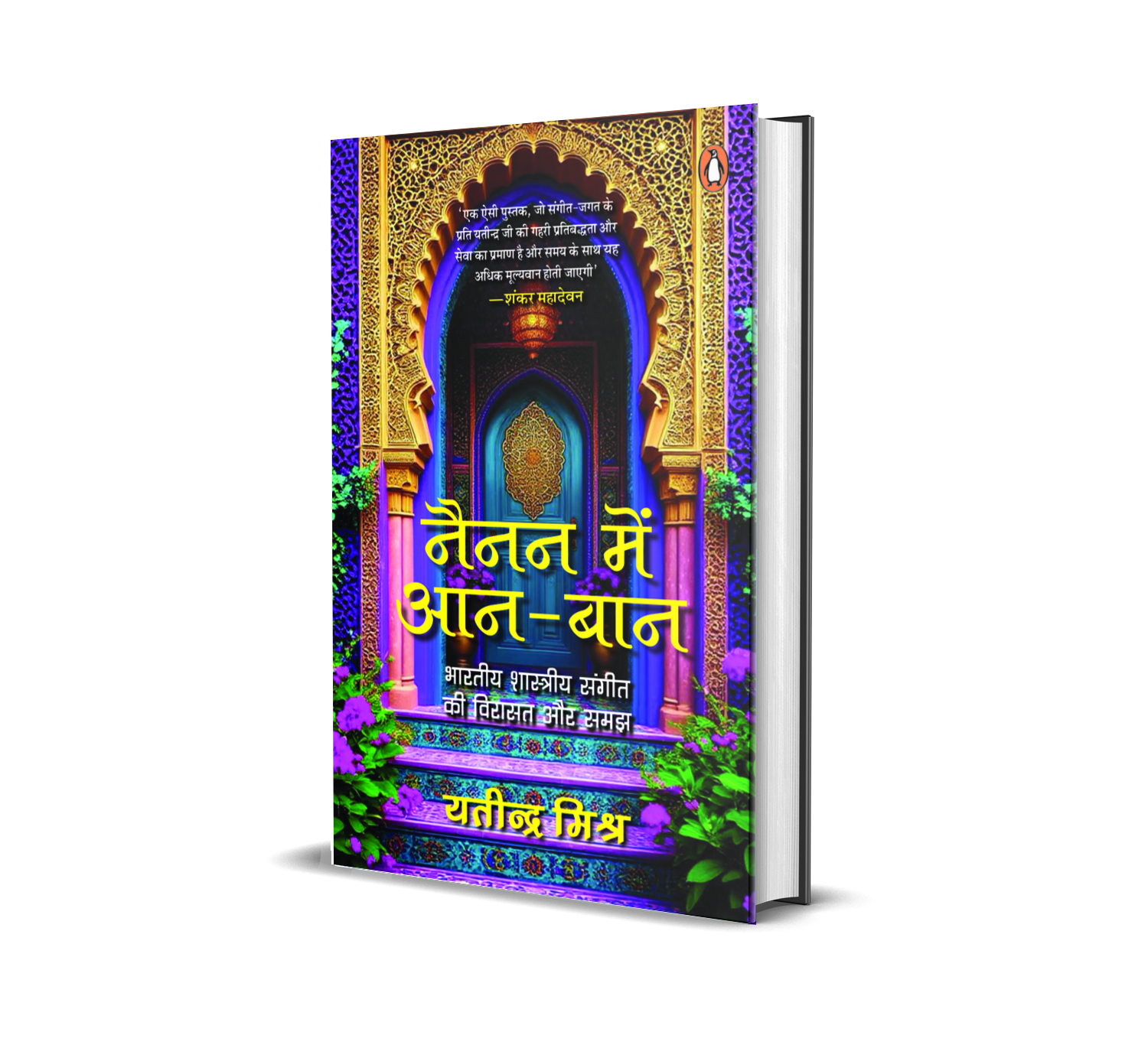
शास्त्रीय और लोक संगीत को समावेशी ढंग से समझने के लिए यह किताब एक मार्गदर्शी है। यहाँ परंपरा और नवाचार के मध्य उस महीन फाँक को सहेजने का जतन किया गया है, जो हमारी पारंपरिक प्रदर्शनकारी कलाओं और भारतीय परंपरा के बीच एक सेतु का निर्माण करती है। यह पुस्तक बारह मूर्धन्य शास्त्रीय गायकों के सांगीतिक स्वरूप को समझने का वैचारिक प्रयास है, जिसमें केसरबाई केरकर, उस्ताद बड़े ग़ुलाम अली ख़ाँ, रसूलनबाई, सिद्धेश्वरी देवी, उस्ताद अमीर ख़ाँ, पंडित भीमसेन जोशी, बेगम अख़्तर, पंडित कुमार गंधर्व, गंगूबाई हंगल, गिरिजा देवी, किशोरी अमोनकर और पंडित जसराज शामिल हैं।
पुस्तक उस मार्ग पर भी जाती है, जहाँ देसी और मार्गी, शास्त्रीय और लोक से लेकर फिल्म संगीत की ज्यामिति में परंपराएँ साँस लेती हैं। यहाँ अयोध्या की सांगीतिक परंपरा और अवध क्षेत्र से लेकर पुष्टिमार्गीयों का हवेली संगीत और बृजमंडल का सलोना उत्सव, ओडिसी नृत्य और भरतनाट्यम की वैचारिक छवियाँ, बाईयों का ज़माना और उपशास्त्रीय गायन के प्रकारों ठुमरी, टप्पा, चैती, कजरी से लेकर ध्रुपद की विवेचना, रागदारी का शिल्प, सभी कुछ मौजूद हैं।
इस किताब में, एक ओर राग मालगूँजी या देव गंधार की पुकार है, तो दूसरी तरफ कर्नाटक शैली में गाए जाने वाले भजन-कृष्णानी बेगने बारो की गूँज सुनाई देती है।

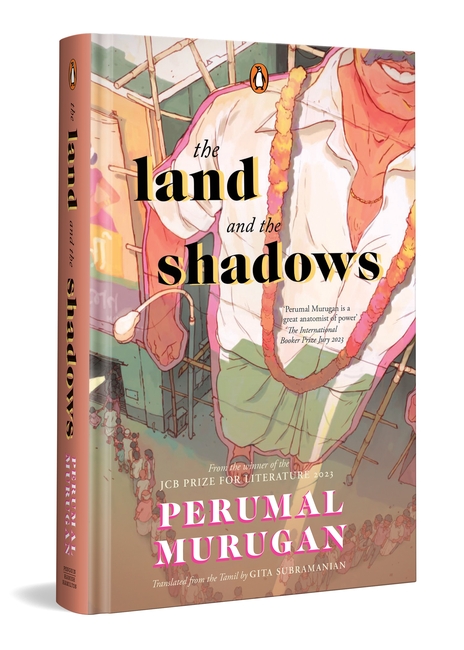
Cinema, for Perumal Murugan, was never just flickering images on a screen. It was a field of experience, a gathering ground, a mirror held up to the land itself. In The Land and the Shadows, he returns to the theatres of his youth and to the decades when Tamil cinema became inseparable from the life of the people—the 1950s through the 1970s.
Here, he recalls his boyhood labour in a small-town cinema hall, the thrill of posters and projectors, the songs carried on village winds. From those vivid fragments, Murugan opens out a portrait of Tamil society in transition, where poverty and caste met desire and aspiration in the common darkness of the theatre. The screen was both escape and education, its heroes and heroines shaping speech, gesture and imagination across class and community.
Part memoir, part ethnography, this is a record of a world that has almost vanished—those public spaces where lives once overlapped, where cinema forged unlikely intimacies and collective dreams. Murugan’s voice, at once personal and self-effacing, turns memory into history, and history into story.
Translated with fidelity and grace by Gita Subramanian, The Land and the Shadows brings us Perumal Murugan in a new key: as witness to cinema’s place in the making of modern Tamil Nadu, and as chronicler of a society learning to see itself in the play of light and shadow.

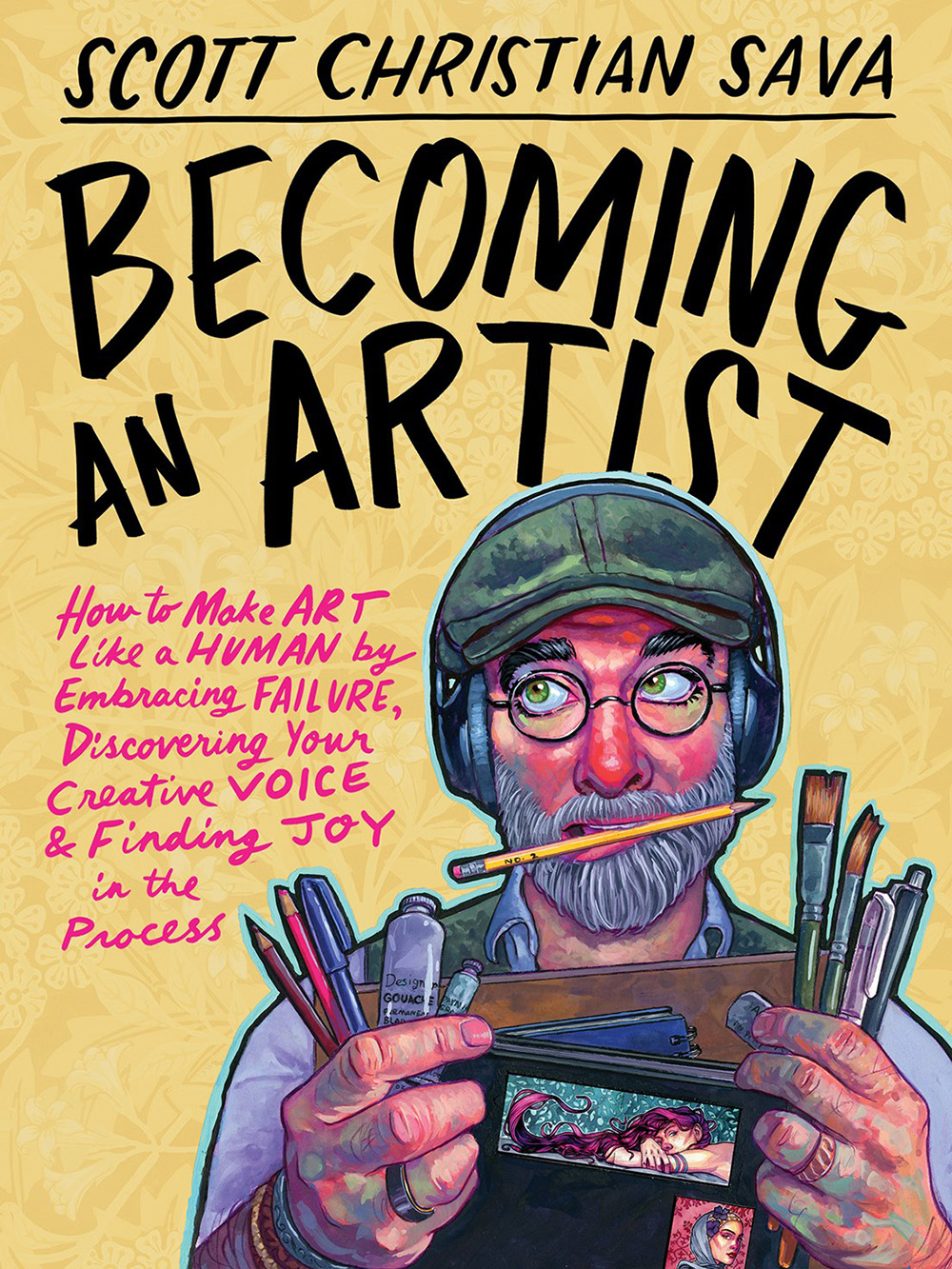
From the internet’s “art dad”: an encouraging and inspiring guide for artists of all levels to embrace failure, overcome self-doubt, and rediscover the joy of creating art.
Is there such a thing as cheating in art? No.
Am I too old to start making art? Of course not.
Will I ever like my art? Yes. Eventually. But not always (it’s complicated).
Can my art ever get better? Yes. But with practice (and a lot of patience).
If I become an artist, will I be rich? What? No. Who’s asking these questions???
With the inviting nature of Bob Ross and the kindness and empathy of Mister Rogers, Scott Christian Sava has become the internet’s “art dad” to over four million artists (young and old) around the world. But this is not a book about how to hold a pencil. Or how to draw a superhero. Or how to break into the art world (although we do talk about that a little). It’s about how we can enjoy the process of making art and let go of perfection and self-doubt and the fear of failure by learning to be okay with where we are on our own individual artistic journey. That art is all about experimentation, failing, and trying again.
Becoming an Artist is part encouragement, part storytelling, part sketchbook. Filled with art, stories, silly tangents, hard-won wisdom, and over 50 black-and-white watercolor illustrations, all created during a very hectic week in New York City.
Whether you’re a total beginner, a burned-out pro, or someone who hasn’t made art since middle school, this book is your permission slip to just make stuff. To be weird. To be imperfect. To be human.

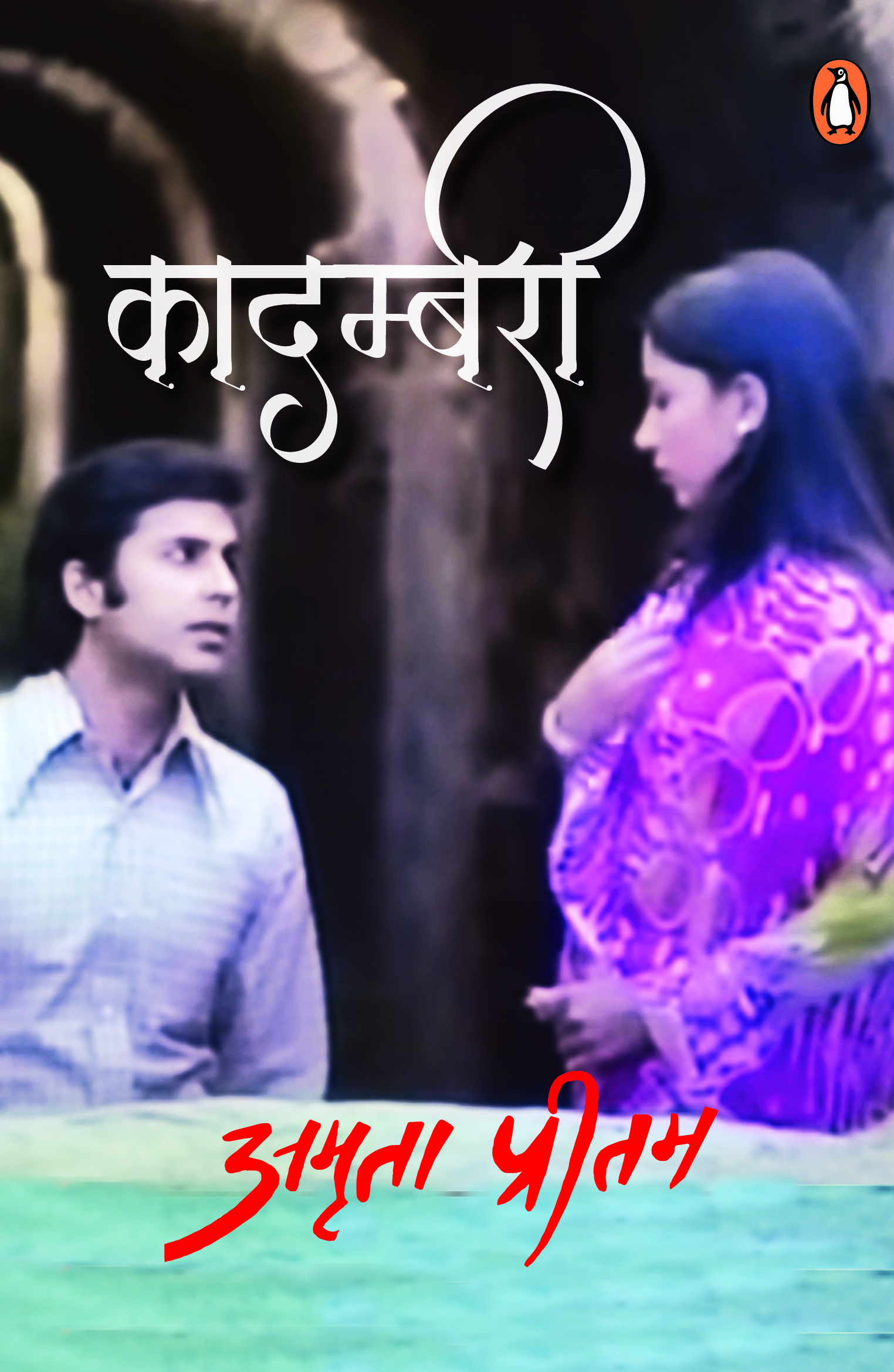
कादम्बरी एक फिल्मी पटकथा है, जो स्वयं अमृता प्रीतम ने लिखी है। एचके वर्मा द्वारा निर्देशित इस फिल्म में उस्ताद विलायत ख़ाँ के संगीत दिया था। यह एक प्रेम कहानी है। बिना किसी परिचित कोण के एक प्रेम कहानी। ताज़ा और यथार्थवादी। यह फिल्म अमृता प्रीतम के प्रसिद्ध उपन्यास ‘धरती सागर और सीपियाँ’ पर आधारित है और मौलिकता से परिपूर्ण है। यह आज के उन लोगों की कहानी है, जो अकसर जीवन के उतार-चढ़ाव से बह जाते हैं, फिर भी प्यार और उम्मीद के किनारे पर वापस आते हैं।
अमित एक नाजायज बच्चा है, जो अपनी माँ पर हमले से पैदा हुआ है। लड़के के पिता द्वारा अस्वीकार किए जाने के बाद, वह अब अपने बेटे के साथ रहती है, जिसे उसने बड़ी मुश्किल से पाला था। अमित की बचपन की दोस्त चेतना को पता चलता है कि उस पर क्रश उसके लिए प्यार में बदल गया है। प्यार, जिसे अमित किसी के साथ साझा करने में असमर्थ है क्योंकि वह अपनी माँ के लिए अपने प्यार को किसी के साथ साझा करने के लिए तैयार नहीं है। आगे क्या हुआ, यह तो पूरी पुस्तक पढ़कर ही पता चलेगा।
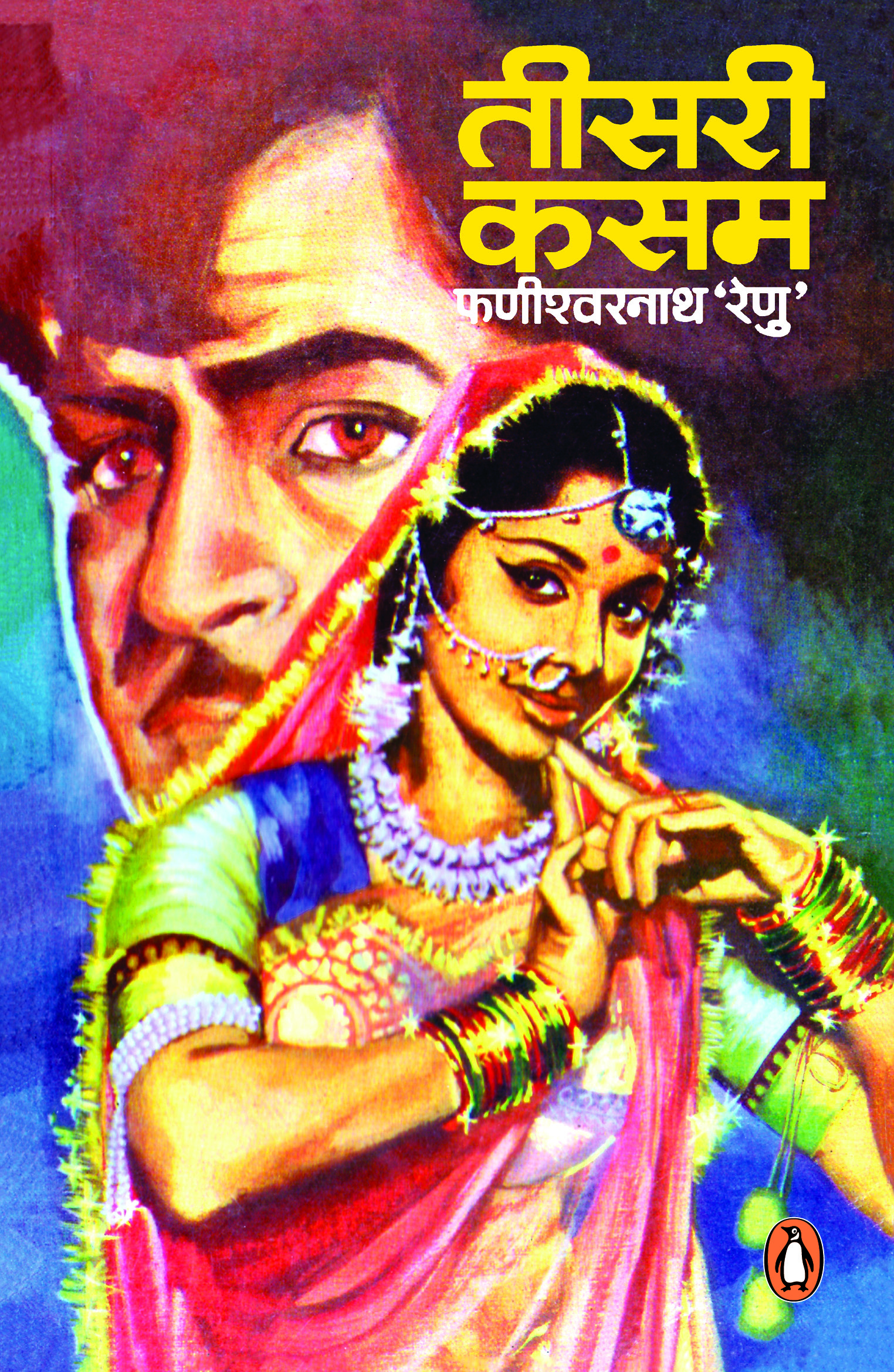
पति-पत्नी के संबंधों के बीच यदि कोई तीसरा आ जाए तो क्या वे सही जीवन जी पाते हैं? इस उपन्यास में भी कैलाश और अश्विनी के बीच एक तीसरा आया है। वह कौन है? प्रेमी, माता-पिता या सिर्फ गलतफहमी? इसका सही उत्तर पाने के लिए यह उपन्यास पढ़िए, जिसमें प्रेम अपनी चरम सीमा को छू रहा है। पीड़ा और कौतूहल अंत तक कथा के साथ चलते हैं और एक गहरी संवेदना के साथ उपन्यास समाप्त होता है।
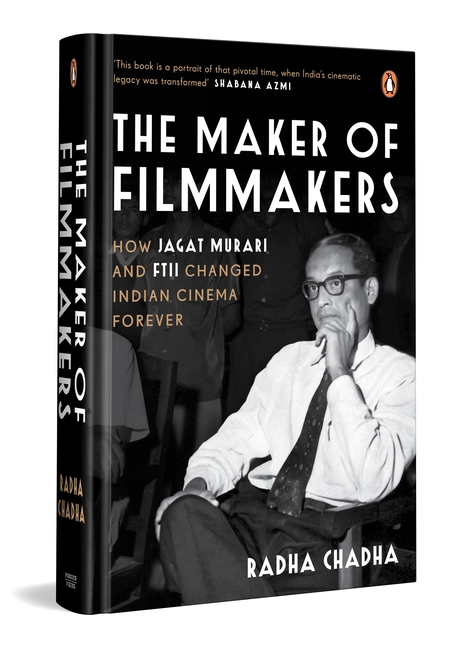
When Jagat Murari, a young film student in post-war America, finds himself at the feet of one of cinema’s true giants – Orson Welles – during the making of Macbeth in 1947, the lessons he absorbs on that set will shape not only his future, but also the future of Indian cinema. Returning to a newly independent India, Jagat goes on to build the Film and Television Institute of India (FTII) from the ground up.
In The Maker of Filmmakers, Radha Chadha offers an intimate and meticulously researched portrait of her father – a celebrated documentary filmmaker – and the iconic film school he built. With uncanny consistency, FTII turned out top talent – the likes of Shabana Azmi and Jaya Bachchan, Adoor Gopalakrishnan and Subhash Ghai, and other cinema legends. His alumni became the leading actors, directors, cinematographers, sound designers and editors of Bollywood and beyond. They spearheaded the Indian New Wave, kickstarted regional language cinema, and helped usher television into the country.
How did Jagat go about ‘making’ such extraordinary filmmakers? What was his secret formula? With unprecedented access to Jagat’s diaries, letters, personal papers and over 100 interviews with alumni and colleagues, Radha Chadha leads us behind the scenes, and into the mind of a visionary who reshaped Indian cinema, even as he grappled with its many challenges.
A gripping tale of ambition, adversity, and artistic brilliance – richly illustrated with rare photographs – The Maker of Filmmakers paints a vivid picture of one man’s unwavering belief in the transformative power of cinema, and how his determination helped turn Indian cinema into the global powerhouse it is today.
Set against the backdrop of some of the landmark events and characters of the last century, this is biography and cinematic history at its best.