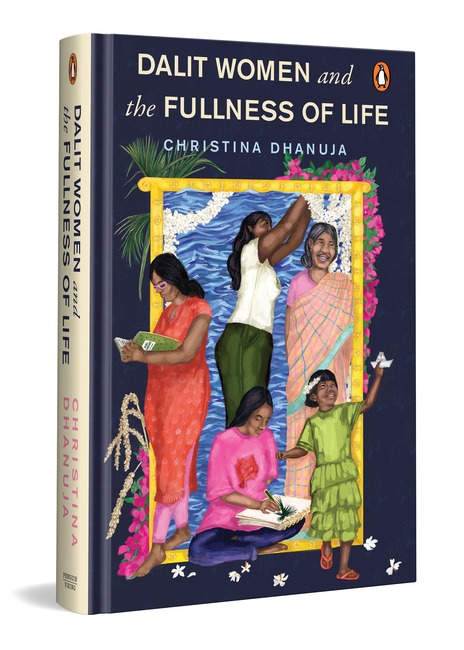
In Dalit Women and the Fullness of Life, Christina Dhanuja confronts the narrow frames that have long confined how Dalit women are seen and understood. Too often rendered as symbols of all-consuming suffering or resilience alone, these are human lives flattened and portrayed without interiority and wholeness. This book refuses that erasure.
With candour and clarity, Dhanuja examines how reductive and unidimensional narratives take hold in institutions, media discourse and social imagination, and what it takes to break them apart. She asks what becomes possible when Dalit women are recognized as complex, desiring beings: capable of joy and contradiction, intimacy and power, fragility and fullness.
Blending memoir with sharp social analysis, the book situates lived experience within structures of caste, gender, faith and community. The result is a soulful and provocative work—one that insists on fullness as a political, ethical and imaginative horizon for Dalit women.

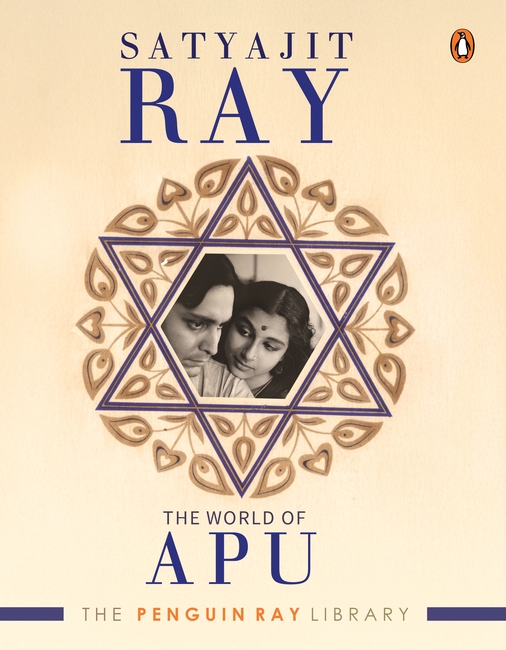
Apu steps off the screen and onto the page. The World of Apu is an intimate journey into Satyajit Ray’s creative universe, bringing together his original writings, notes and seldom-seen visuals around the iconic Apu Trilogy. Here, Ray reflects on craft, character and the quiet revolutions of everyday life that shaped modern Indian cinema.
Sketches, frames and personal insights reveal how a young boy from rural Bengal became a timeless symbol of hope, loss and becoming. Lyrical yet deeply observant, this volume is both a collector’s gem and an essential archive—an invitation to witness genius at work, unfiltered and unforgettable.
A collector’s edition, The World of Apu will interest a wide spectrum of readers.

Sunil Mohan’s complex and moving memoir is more than just a story of transition. It’s a story that describes a deeply felt yearning, a certainty of knowledge about who you wish to be, and constant, fundamental and self-reflective questioning about what it means to be born into one body and inhabit an identity that is defined by a different body and a different set of ascribed and acceptable behaviour. As he makes the transition from ‘female’ to ‘male’, Sunil asks why he cannot choose to define his gender in his own way, why being ‘man’ should mean adopting a given, socially acceptable model of masculinity. ‘I was always uncomfortable,’ he says, ‘with “masculinity” even when I deeply felt I was a “man”….I was hesitant to identify with something I had critiqued so fundamentally.’ Honest, open, self-questioning and filled with courage and compassion, Sunil Mohan chooses to move away from the traditional and often linear trajectory of a life narrative. Instead, he turns the lens on the queer, trans, anti-caste, feminist and people’s movements of which he has long been a part. In doing so, he resolutely refuses to identify as a victim and thinks through and reflects on the politics of resistance, marking the learning that comes from friendships forged in struggle and commonality of identity, reflecting on the meanings of silence and offering thoughts on strategies for healing and reconciliation.

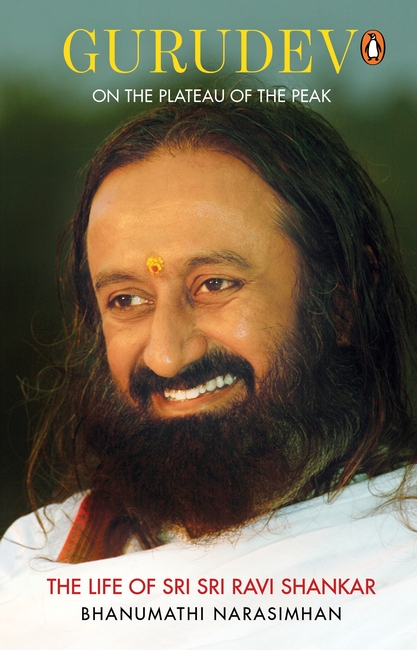
It was an era when the wisdom of yoga had been buried under years of ritual practices, when religion outweighed human values, when games were becoming wars and wars were being played like games. It was at such a time that, in a quaint village in south India, a young boy was found in deep meditation. He would say, ‘I have family everywhere. People are waiting for me.’
Nobody believed him then.
Time revealed the destiny of the millions who came to him to discover themselves. Over the years, his sublime presence and pragmatic teachings, would foster the values of joy, peace and love across the world. His transformative art of breathing, the Sudarshan Kriya, became a household practice, an alternative way of life that inspired people to seek self-realization. He became the guru who made the ethereal tangible, who brought about a profound shift in every sphere of human endeavour-from art to architecture, health care to rehabilitation, inner peace to outer dynamism.
From a carefree child to a teenager often found in the company of saints, from a young meditation teacher to a revered spiritual Master, this book is an intimate and affectionate account of the life of Gurudev Sri Sri Ravi Shankar by his sister Bhanumathi Narasimhan, who witnessed his mystical life unfold up-close.
Gurudev: On the Plateau of the Peak is an attempt to fit the ocean in a teacup, offering readers a sip of infinity.
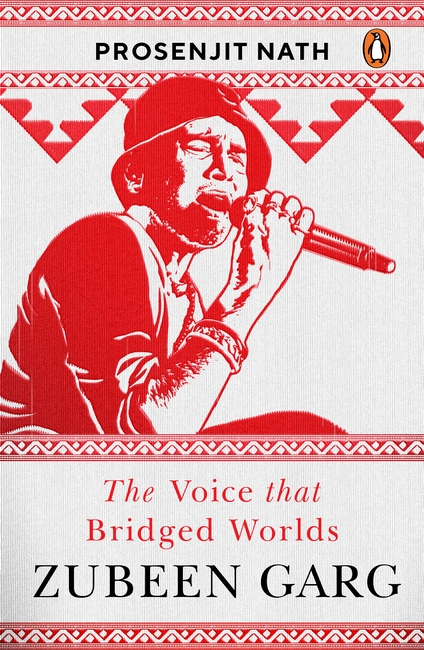
Zubeen Garg: The Voice That Bridged Worlds traces the extraordinary journey of a boy born in the hills of Tura who rose to become one of the most influential cultural figures of Northeast India.
Blending biography, cultural history, and personal reflection, this book explores Zubeen’s evolution from a mischievous child fascinated by music to the legendary artist whose songs crossed languages, borders, and generations. From his classical training and early struggles to his revolutionary impact on Assamese music and cinema, the narrative reveals how he revitalized traditional forms while embracing modern sounds.
Yet this is more than the story of fame. It is a portrait of a fearless artist who chose his homeland over glamour, who sang in dozens of languages yet remained deeply rooted in Assam, and whose voice united millions.
The life of Zubeen Garg was never going to be just the story of a singer; it is the story of a voice that carried the soul of an entire people. This biography encapsulates the legacy of a man whose music continues to reverberate long after his passing. It is passionate, personal, and profound.

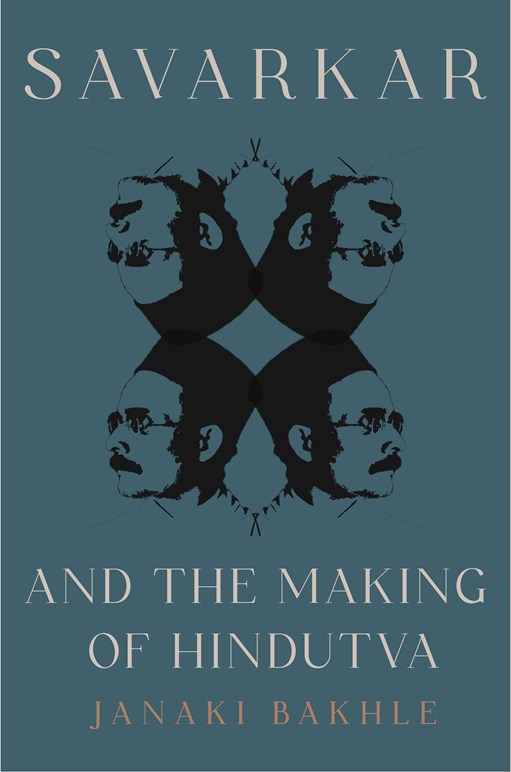
A monumental intellectual history of the pivotal figure of Hindu nationalism .
Vinayak Damodar Savarkar (1883–1966) was an intellectual, ideologue, and anticolonial nationalist leader in India’s struggle for independence from British colonial rule, one whose anti-Muslim writings exploited India’s tensions in pursuit of Hindu majority rule. Savarkar and the Making of Hindutva is the first comprehensive intellectual history of one of the most contentious political thinkers of the twentieth century.
Janaki Bakhle examines the full range of Savarkar’s voluminous writings in his native language of Marathi, from political and historical works to poetry, essays, and speeches. She reveals the complexities in the various positions he took as a champion of the beleaguered Hindu community, an anticaste progressive, an erudite if polemical historian, a pioneering advocate for women’s dignity, and a patriotic poet. This critical examination of Savarkar’s thought shows that Hindutva is as much about the aesthetic experiences that have been attached to the idea of India itself as it is a militant political program that has targeted the Muslim community in pursuit of power in postcolonial India.
By bringing to light the many legends surrounding Savarkar, Bakhle shows how this figure from a provincial locality in colonial India rose to world-historical importance. Savarkar and the Making of Hindutva also uncovers the vast hagiographic literature that has kept alive the myth of Savarkar as a uniquely brave, brilliant, and learned revolutionary leader of the Hindu nation.
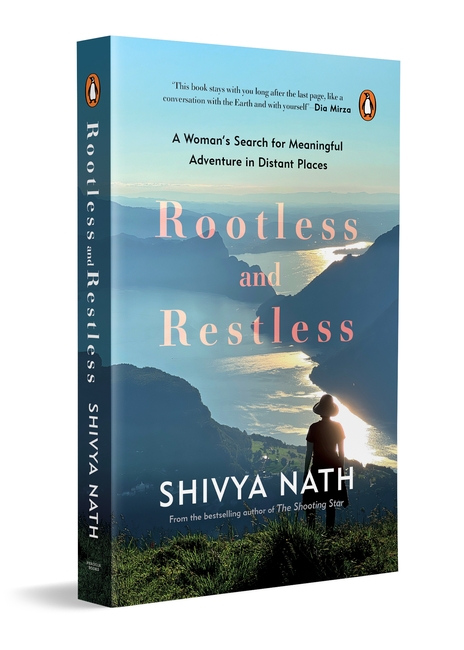
What happens when you leave behind the familiar and follow your curiosity to far corners of the world?
In Rootless and Restless, Shivya Nath trades comfort for adventure and sets off on a deeply personal journey to some of our planet’s most remote places. From a tiny island deep in the Arctic to off-grid Indigenous communities in Myanmar and the stark mountain deserts of Uzbekistan, she travels in search of stories, traditions and ways of life that are rarely written about.
Along the way, Shivya finds herself tangled in a morality police raid in Iran, discovering centuries-old traditions in Japan and coming face-to-face with the last living member of an entire species in the Pacific Ocean.
In a world shaped by social media, cultural divides and climate change, Rootless and Restless is a reminder that travel can be more than ticking destinations off a list. It can open doors to remarkable people, unexpected lessons and perhaps even transform the traveller herself.

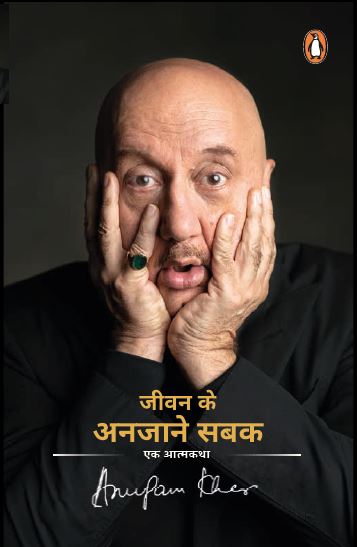
एक लाजवाब, रोचक और बेबाक जीवनी जिसमें कई अनसुनी कहानियाँ, उदाहरण और सबक छुपे हुए हैं। अनुपम खेर अपनी ऐसी आत्मकथा के हीरों हैं जिसमें नाटक, कॉमेडी और रोमांस सबकुछ है! आखिर किसे पता था कि शिमला जैसे छोटे शहर का एक लड़का एक दिन अभिनय की दुनिया में देश और दुनिया में इतना बड़ा नाम हासिल करेगा जिसे कई राष्ट्रीय और अंतरराष्ट्रीय पुरस्कार मिलेंगे! पाँच सौ से अधिक फिल्मों की वो यात्रा अब भी जारी है। अनुपम को सिर्फ अपने खास लुक के लिए ही नहीं जाना जाता, बल्कि वे अपने बेबाक विचारों के लिए भी मशहूर हैं। इस पुस्तक में जीवन के अविश्वसनीय सबक छुपे हैं जिसमें कोई भी भावी कलाकार अपने जीवन के अक्स देख सकता है।

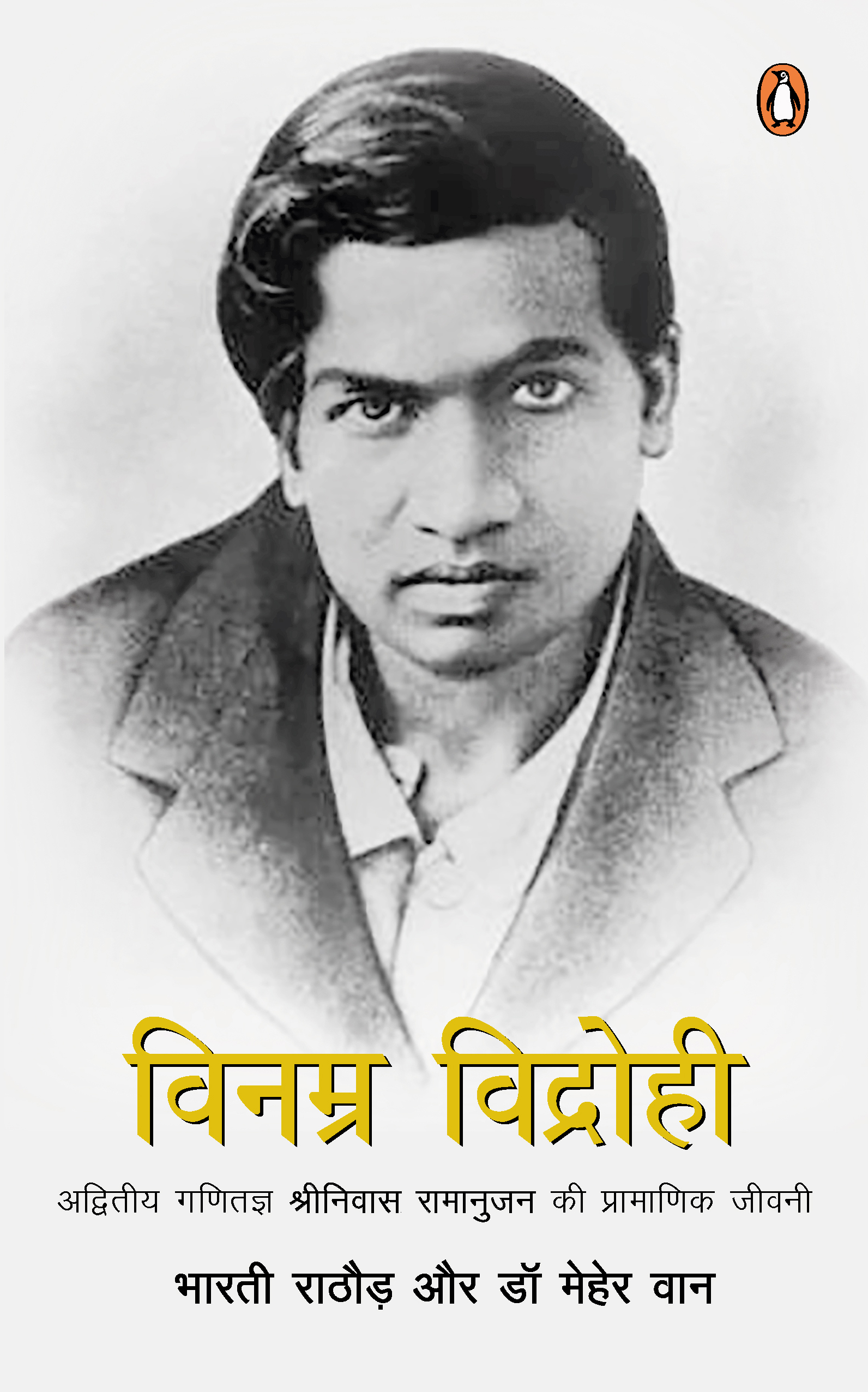
यह पुस्तक भारत में जन्मे विलक्षण प्रतिभाशाली गणितज्ञ श्रीनिवास रामानुजन की जीवनी है जिसमें उनकी एक सामान्य परिवार में जन्म से लेकर कैंब्रिज में जाकर पढ़ने और गणित के अकाट्य सूत्रों को प्रस्तुत करने की कहानी है जिस पर अभी तक दुनिया मंथन कर रही है। इस पुस्तक में तत्कालीन समाज, अंग्रेज़ी राज, यूरोप की स्थिति और अकादमिक जगत की हलचलों का भी पता चलता है। इस पुस्तक की भाषा प्रांजल है और इसे युवा वैज्ञानिक डॉ मेहर वान और पत्रकार भारती राठौड़ ने काफी सरल भाषा और बातचीत की शैली में लिखा है जो पाठकों को बांधकर रखती है। विज्ञान, इतिहास, शोध और अकादमिक क्षेत्रों में दिलचस्पी रखने वालों के लिए यह एक ज़रूरी पुस्तक है।
आध्यात्मिक विचारधारा भ्रमित भी कर सकती है। वर्तमान युग की उन्मत्त गति ने उन बन्धनों को ढील दी जो हमारे पूर्वजों को प्रार्थना और विश्वास से जोड़े हुए थे। लेकिन रोल मॉडल हमें अपनी राह फिर खोजने में मदद कर सकते हैं। कृपा सिन्धु में प्रसिद्ध इस्कॉन साधू नित्यानन्द चरण दास पाठकों को उन इक्कीस असाधारण प्रतीकों के जीवन से परिचित करा रहे हैं जो अपनी शिक्षाओं और जीवन के माध्यम से आध्यात्मिक मार्गदर्शक बने।
मीराबाई और रामानुजाचार्य से लेकर सन्त तुकाराम और आदि शंकराचार्य तक–महान आत्माओं का जीवन एक स्तर पर सबसे आवश्यक आध्यात्मिक सिद्धान्तों का व्यावहारिक प्रदर्शन ही है। हालांकि, नित्यानन्द चरण दास का उद्देश्य न केवल उनकी सांस्कृतिक और आध्यात्मिक विरासत की समृद्धि का उल्लेख करना है, बल्कि पाठकों को यह बताना भी है कि नित्य के कार्यों और विकल्पों से ही सीखा जा सकता है। कृपा सिन्धु प्रेरणादायक होने के साथ आशा भी प्रदान करती है : हमारी यात्रा कितनी भी दोषपूर्ण क्यों न रही हो, आध्यात्मिक मुक्ति सबके लिए सुलभ और सहज है।