“I’ve found that there is always some beauty left?in nature, sunshine, freedom, in yourself; these can all help you.”
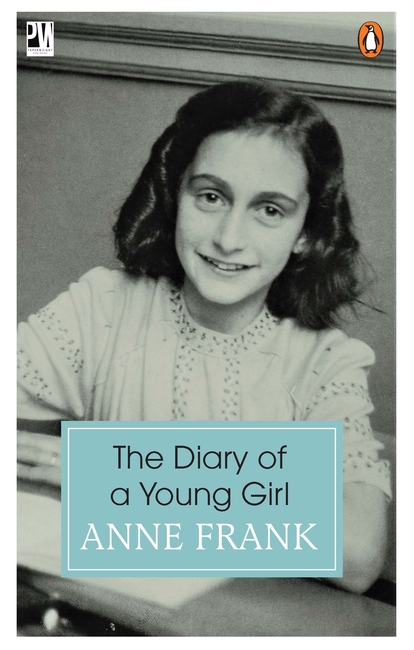
Anne begins her diary entries at the age of thirteen in June 1942, recording all her experiences until August 1944. All people have the right to freedom, but Anne wasn’t sure that idea included her. During WWII, Anne and her family were forced to go into hiding like many other Jews.
Vivid snippets of two years of living in an annexe, without seeing the sun, are journalled by Anne. From their bones dwindling to her emotional growth all is reflected in her writings. She writes of her passion for literature and art, her desire to travel, the struggles of family ties in hiding: showing her incredible emotional resilience.
How does she keep her spirits alive through imagination, hold onto the hopes of free life, when they weren’t allowed to bring attention to themselves?

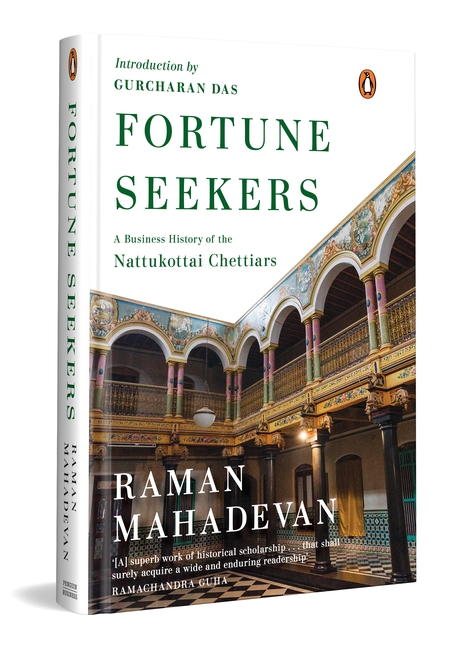
Nattukotai Chettiars were the most prominent business community from Tamil region and this book captures their spirit of enterprise that led many of them to seek their fortunes overseas. It’s a story that connects South India, Burma, and South-East Asia across the Bay of Bengal and equally one that spans the British imperial era and that of the modern nation state.
For students of history, business, and for modern entrepreneurs, the book has valuable lessons on the importance of diversifying into promising investment opportunities and gauging the economic winds of change.
A riveting collection of memoirs, essays and random musings, The Master of Unfinished Things showcases the voice of Hindi literary maestro Geet Chaturvedi, brought to life in English by Anita Gopalan.
Through these heartfelt memoirs, Geet explores his relationship with books, writers, cricket and nature, much of it rooted in Mumbai, the city of his heart. Thoughtful essays grapple with questions about writing, identity and memory, blending introspection, myths and anecdotes. Diary entries, short prose and poetry offer deeply contemplative, standalone moments—each one a complete story in itself. Interestingly, the final essay is a meditation on the art and inevitability of incompleteness. This beautifully crafted turn lends the book a paradoxically perfect conclusion and leaves us fulfilled amidst unfinished endings
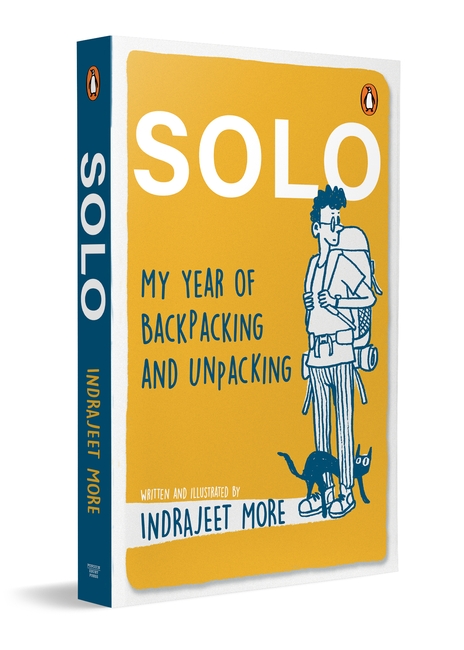
Barely a year into college, Indrajeet More is offered to host a travel show on budget backpacking across India.
As he undertakes a year-long journey across thirteen cities, what unfolds is a string of surreal life experiences—from getting lost in the forests of coastal Karnataka to camping amid the snowy peaks of the Himalayas, from hunting for the best toddy shop in rural Kerala to dancing to the beats of Naga folk songs.
Through this journey, Indrajeet discovers novelty and relatability in diverse cultures by reflecting on his upbringing in a Maharashtrian household. He navigates the inevitable boredom of solo travel and the anxiety of uncertainty, ultimately seeking belongingness in the most unfamiliar of places.
Solo is a raw, unfiltered backpacker’s gaze at contemporary India, about learning to read people beyond language, understanding food beyond ingredients, hearing stories beyond regions and, most importantly, finding a sense of home away from home.

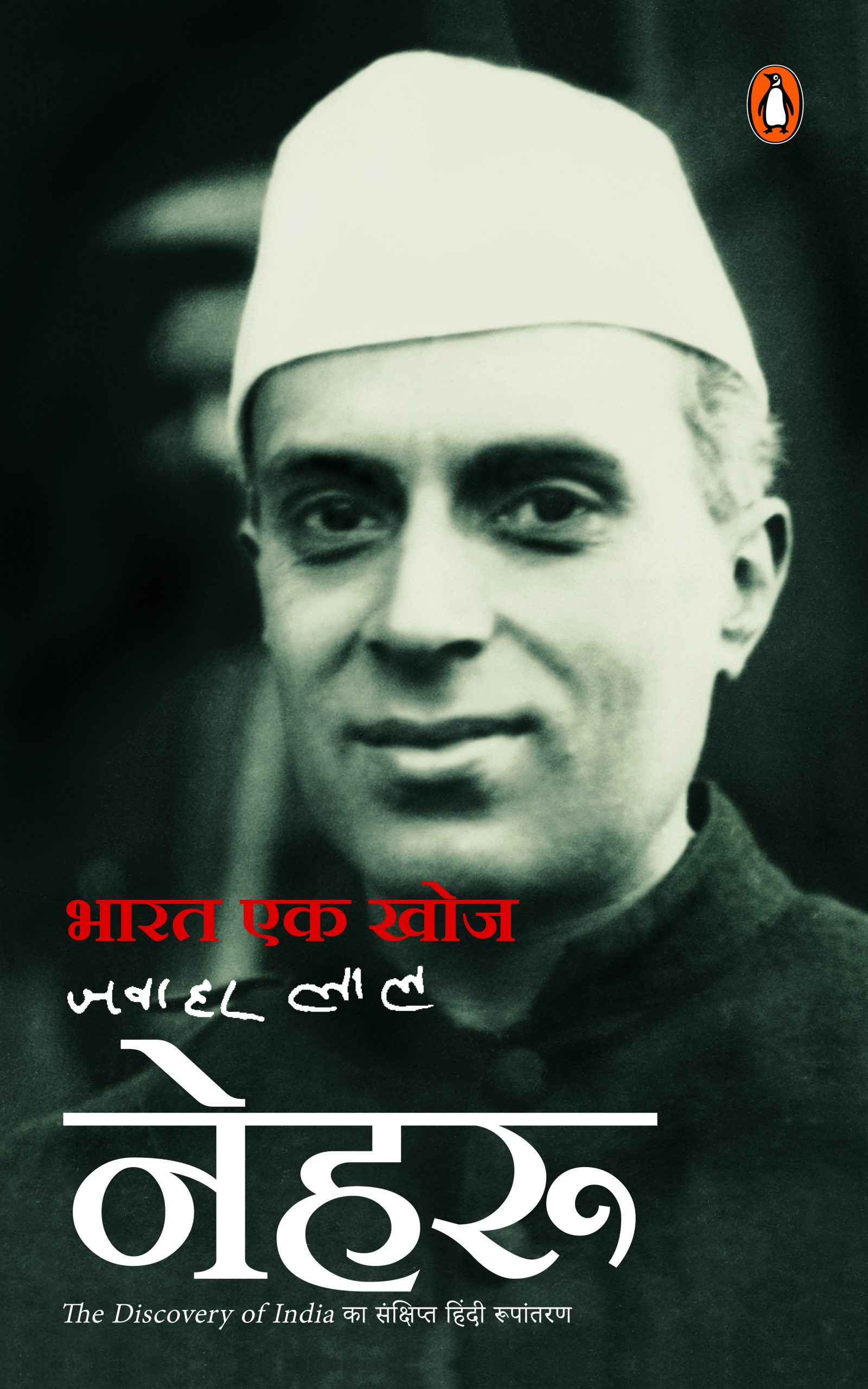
इस पुस्तक को पंडित जवाहरलाल नेहरू ने भारत की स्वतंत्रता से पहले 1942-1945 के दौरान अहमदनगर किले में कैद होने के दौरान लिखा था।
इसमें नेहरू जी ने सिंधु घाटी सभ्यता से लेकर भारत की आज़ादी तक विकसित हुई भारत की बहुविध समृद्ध संस्कृति, धर्म और अतीत का वैज्ञानिक दृष्टि से विश्लेषण किया है।
उन्होंने भारत के इतिहास के प्रति विभिन्न दृष्टिकोणों में सामंजस्य स्थापित करने का प्रयास किया और खुद को सामंजस्य का एक आदर्श प्रस्तुत किया।
जवाहरलाल नेहरू जी इस पुस्तक के बारे में स्वयं लिखते हैं कि इतिहास मनुष्य के संघर्ष की कहानी है; जंगली जानवरों और जंगल के विरुद्ध और अपने ही कुछ लोगों के विरुद्ध, जिन्होंने उसे दबाए रखने और अपने लाभ के लिए उसका शोषण करने की कोशिश की।
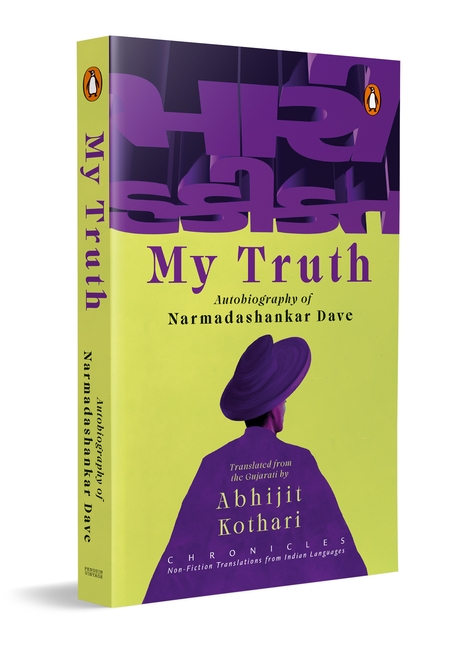
Originally titled Mari Hakikat, this is the autobiography of one of the foremost figures in Gujarati literature: Narmadashankar Dave (1833–1886), popularly known as Narmad. The book, part of the Chronicles series of non-fiction translations from Indian languages, is a fascinating assemblage of different forms of writing—diary, reflection, poetry—that document the early period of Narmad’s life. It is an example of a new awakening and new genres that enabled the self to be expressed within the framework of traditional thought. Abhijit Kothari’s English translation, My Truth, brings to readers beyond Gujarat and India this landmark book for the first time. Scholars of India’s intellectual history, as well as literary scholars and students, will find this significant text made available in an elegant translation valuable.
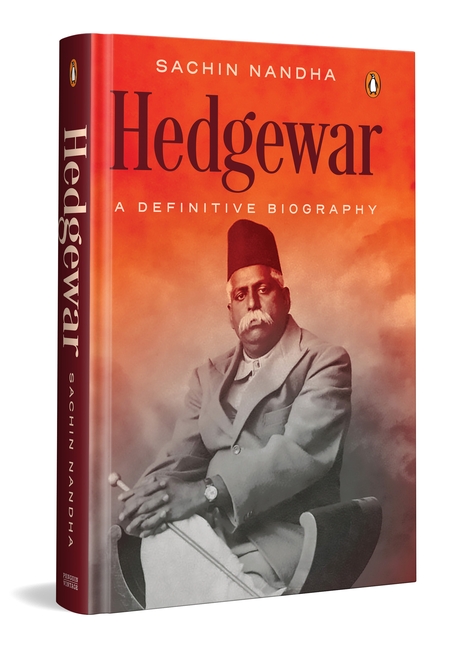
Hedgewar chronicles the untold story of the enigmatic founder of the Rashtriya Swayamsevak Sangh (RSS), whose vision for India’s cultural revival continues to shape the nation’s socio-political landscape. Through meticulous research and vivid storytelling, this biography traces Hedgewar’s journey from an orphaned child in colonial India to the mastermind behind one of the world’s most secretive organizations.
Set against the backdrop of a country grappling with colonial rule, rising communal tensions, and the complexities of modernity, this book opens a window to Hedgewar’s philosophy of cultural nationalism, his challenges with contemporaries like Gandhi, Nehru and Savarkar, and his transformative leadership. It explores his inner struggles to make sense of his own critique of Hindu society.
More than a biography, this work is a window into the labyrinth of India’s civilizational ethos, offering a nuanced perspective on the RSS’s origins and its impact on India today. Hedgewar: A Definitive Biography is a must-read for those seeking to understand modern India’s complexities through the life of one controversial, yet extraordinary man.
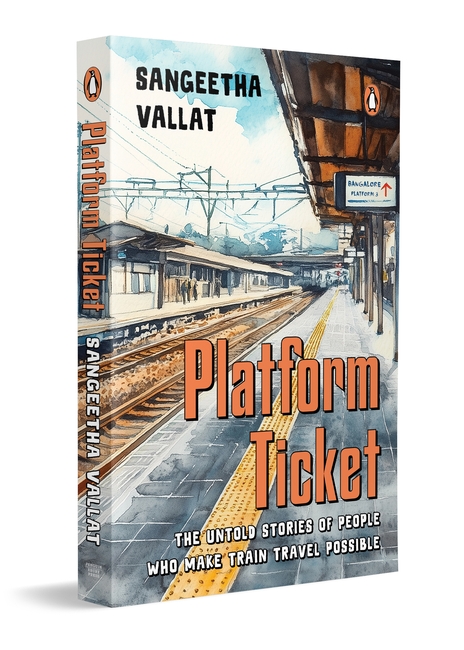
Most of us have travelled by train and experienced true India. Shared food and stories with our co-travellers. Or reached the platform, gasping to find the train leaving with a merry whistle. And in a queue for tickets, dug through our wallets for exact change, complaining about the slow clerk.
Have you ever thought about what goes on in the minds of the deadpan faces that peek through the grilled counter, mechanically issuing tickets to faraway places while rooted to their seats?
In Platform Ticket, Sangeetha chronicles her time as a ‘commercial clerk’ in the Indian Railways. Between sleepless graveyard shifts and heart-warming moments with travellers, Sangeetha’s life was far from dull. Her years of service, network of colleagues with varied experiences, and storytelling prowess guarantee an enjoyable behind-the-scenes look at this indispensable service in our country.
Sucker Punch is about what happens when the life you thought you’d be living radically changes course, everything you thought you knew about the world and yourself has tilted on its axis, and you have to start forging a new path forward. Scaachi employs her signature humour and fierce intelligence to interrogate her previous belief that fighting is the most effective tool for progress. She examines the fights she’s had—with her parents, her ex-husband, her friends, online strangers, and herself—all in an attempt to understand when a fight is worth having, and when it’s better to walk away.