



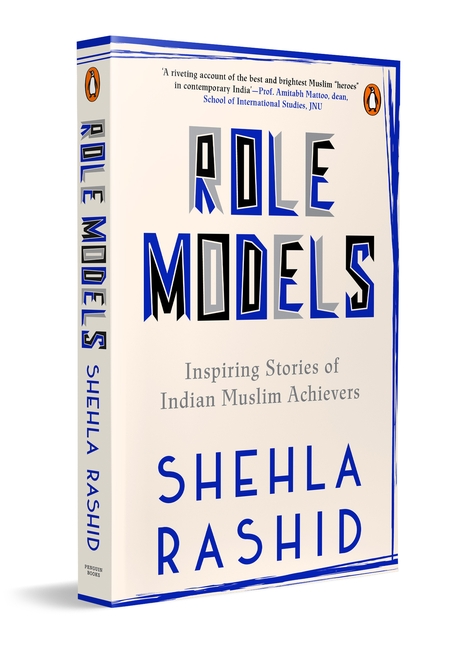
Role models are people who inspire us to dream bigger by broadening the horizons of our imagination. They
challenge us to go beyond limited possibilities by expanding our aspirational matrix. In this refreshing and unique account of the contributions of Indian Muslims to national life, Shehla Rashid brings together a formidable list of achievers, such as A.R. Rahman, Sania Mirza, Nigar Shaji, Dr Ausaf Sayeed and Huma Qureshi, among others, who have excelled in their respective fields. She postulates the idea of a ‘Muslim civil society’—a space where new ideas can germinate, allowing talent to achieve its full potential and reforms to take root. As Shehla brings their stories to life, she also offers insights into her own life, the choices she made, and the way forward for Muslims in a democratic political system.
Catagory: Biographies, Diaries & True Accounts
The Urban Elite v. Union of India
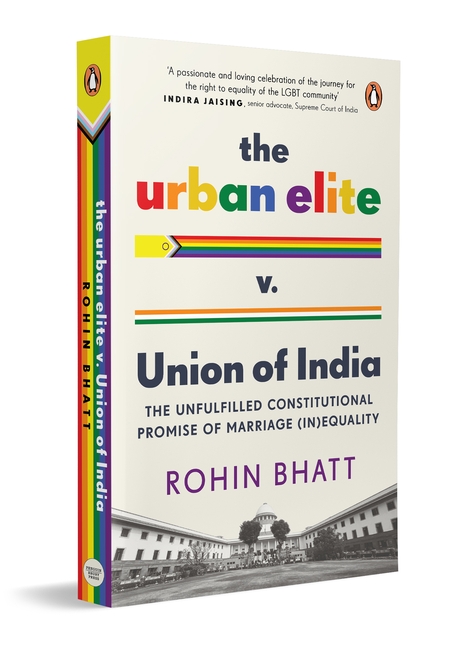
What does it mean to be a queer lawyer? How should social impact and public interest legislation be undertaken? Is the legal profession a safe space for queer lawyers? What goes through the mind of a queer lawyer when homophobia is masqueraded as a legal argument?
Rohin Bhatt was studying law at the Gujarat National Law University when the Supreme Court gave its landmark judgment in Navtej Singh Johar & Ors. v. Union of India. The apex court was asked to determine the constitutionality of Section 377 of the Indian Penal Code, a colonial-era law which, among other things, criminalized homosexual acts as an ‘unnatural offence’. The verdict changed the lives of the LGBTQIA+ community in India, with activists and lawyers outside the court cheering as the news broke. But five years later, little has changed on the ground.
The Urban Elite versus Union of India is a first-of-its-kind book on queer rights not just of the courtroom, but of the author’s own life. In this book, they present the legal history of the fight for the decriminalization of Section 377, the arguments of the petitioners pushing for their right to marry (and the vicious opposition) and to have families of their own, as well as a story from the frontlines of litigating queer rights by a queer person that presents their own perspective of what it is like to be both personally and professionally involved in a case that had the potential to change the social fabric of this country forever.
The Bose Deception
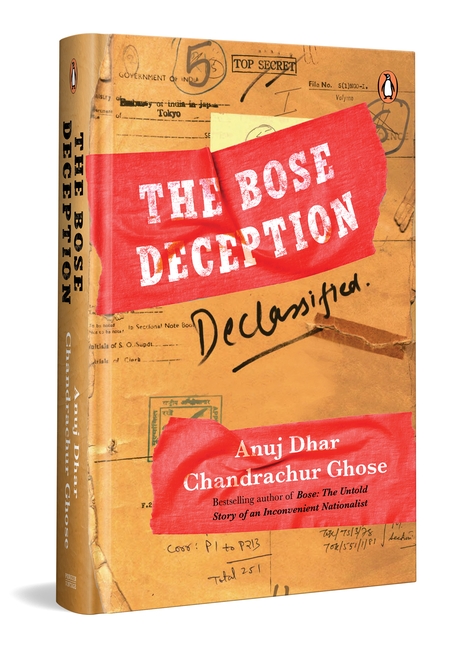
What exactly is this controversy about Netaji’s ‘disappearance’?
Efforts by the authors led to the declassification of more than 1,300 secret files on Bose.
Does new material offer new evidence on Bose’s reported death in 1945?
The Bose Deception: Declassified opens a window to this and much more.
In January 2016, the Government of India began declassifying classified PMO, MEA, MHA and Cabinet Secretariat files related to the mysterious ‘disappearance’ of Subhas Chandra Bose at the end of the Second World War. No one could have imagined that even seventy years after Bose’s disappearance, the government had been holding hundreds of files related to him in utmost secrecy.
The official view that Bose died in a plane crash in Taiwan never found public acceptance, leading to multiple inquiries. Claims, counter-claims and conspiracy theories continued to complicate the mystery for nearly seventy-five years, primarily because of keeping information hidden from public view.
In this fascinating investigative work, Dhar and Ghose have rummaged through more than two thousand files declassified in India, and in the UK, USA and Taiwan to unentangle the complex web of a deception plan, that has kept the whole country on tenterhooks for decades. They unravel the plot layer by layer to tell a story that is bound to shock the readers.
Unloved

There isn’t anyone who hasn’t been shattered by heartbreak. It is the most devastating yet universal experience that leaves us feeling lost and alone.
Experience a poignant exploration of what happens after you’ve been broken to bits as the author takes you through her raw and relatable story. Extending solace and guidance to those navigating the loneliness of love and loss, she breaks down her healing journey, and offers tips and tricks to reclaim your power, rebuild your shattered self, and embrace a future filled with promise.
In a world plagued by love gurus and hopeless romantics, Unloved presents a guide to loving oneself through the process of heartbreak. The chaos after the calm, this self-help book offers an antidote to heartache with a uniquely Indian point of view. With practical advice and inspiring insights, it empowers you to transform heartache into strength, paving the way for a new chapter of love in your life.
Tulsidas/तुलसीदास
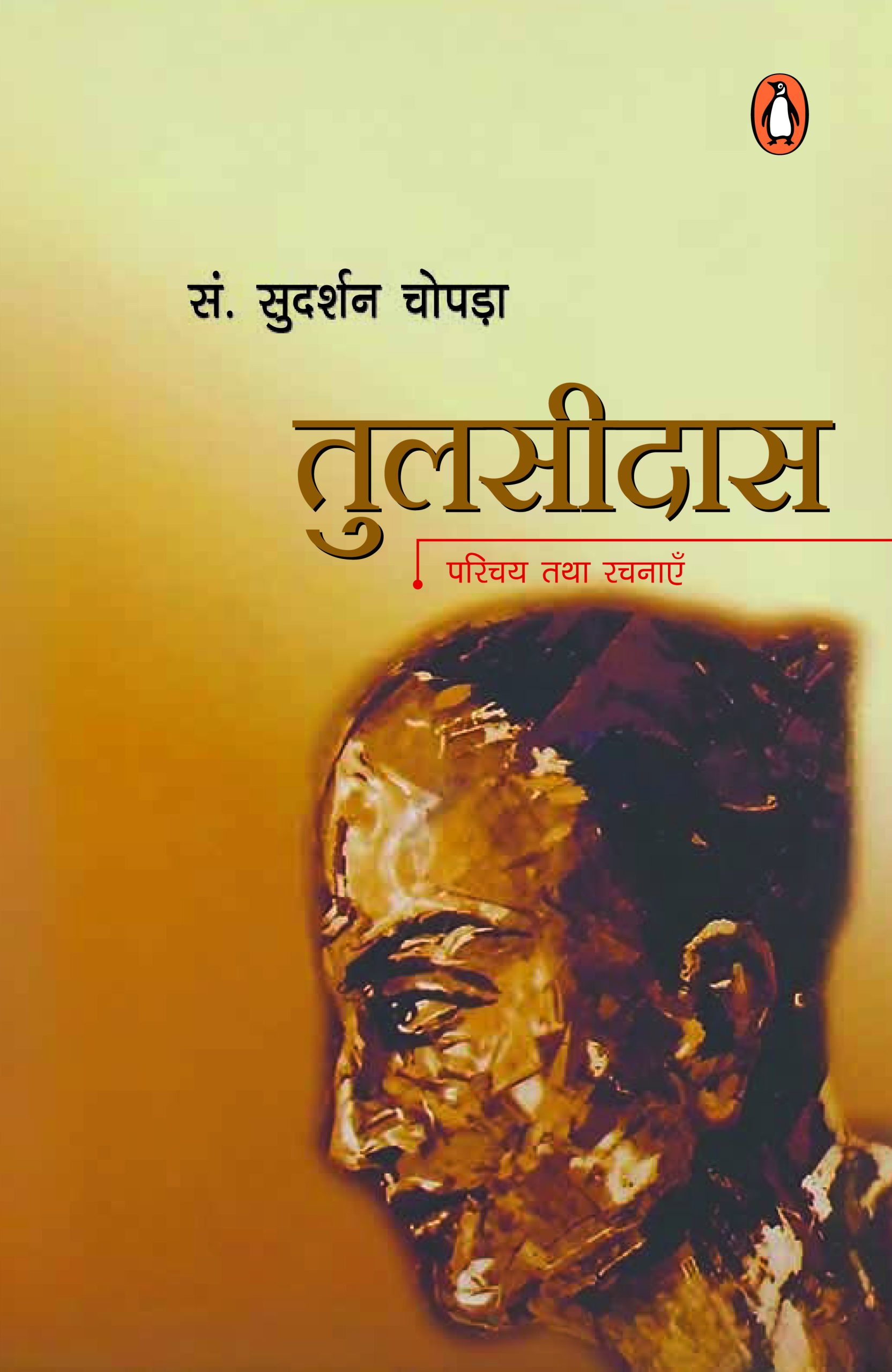
परहित बस जिन्ह के मन माहीं। तिन्ह कहुं जग दुर्लभ कछु नाहीं।। (जिनके मन में सदा दूसरों की भलाई का विचार रहता है, उन्हें संसार में कोई भी वस्तु दुर्लभ नहीं होती है।) ‘रामचरित’ के अमर गायक महाकवि तुलसीदास चार शताब्दियों से भारतीय जनमानस में श्रद्धा-पुरुष की तरह विराजते रहे और आगे भी युग-युगों तक गोस्वामी जी और उनकी रचनाएँ चिरस्मरणीय रहेंगी। यह पुस्तक हिन्दी के उन्हीं भक्त कवि गोस्वामी तुलसीदास के जीवन-परिचय, लोकप्रिय दोहों-चौपाइयों तथा अन्य काव्य-महिमा को अपने में समेटे हुए है। इस संकलन का संपादन प्रसिद्ध लेखक सुदर्शन चोपड़ा ने किया है तथा काव्य-खंड का चयन और टीका तुलसी-साहित्य के मर्मज्ञ पीएस भाकुनी ने की है।
Albert Einstein/ऐल्बर्ट आइंस्टीन
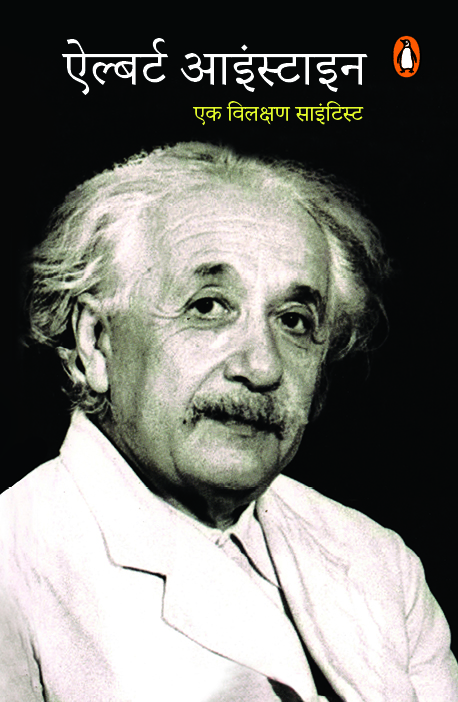
आइंस्टाइन को थ्योरिटिकल फ़िज़िक्स का महान वैज्ञानिक, आधुनिक भौतिक विज्ञान का पितृपुरुष, एक विलक्षण गणितज्ञ, प्रतिभा और मेधा का पर्यायटा्टय तथा मिस्टर रिलेटिविटी कहकर सम्मानित किया जाता है। बाद में तो लोग उन्हें अंतरिक्ष का बाशिंदा और जीवश्म तक कहने लगे।
वे परम ज्ञानी और प्रखर वक्ता भी थे। जब भी वे बोले, तो गणित, विज्ञान, ब्रह्मांड, दर्शन, गॉड, राजनीति सभी पर बोले। उन्होंने विज्ञान के जितने भी सिद्धांत दिए, सभी को दूसरों से प्रमाणित करवा कर लोहा मनवाया। यहाँ तक कि E = mc2 की विनाशक शक्ति का भी सत्यापन कराया।
इसी सूत्र के कारण परमाणु बम बना, लेकिन विरोधाभास देखिए कि विश्व शांति के लिए ज़ोर-शोर से लगे रहे। बचपन का यह बुद्ध बालक नोबल पुरस्कार से नवाज़ा गया। वह गैलीलियो और न्यूटन जैसे वैज्ञानिकों के बराबर माने गए और सादगी में गांधी से दो कदम आगे।
BHAGAT SINGH’S Why I Am An Atheist and Other Works (Penguin Edition with an Introduction by Dr. S. Irfan Habib)
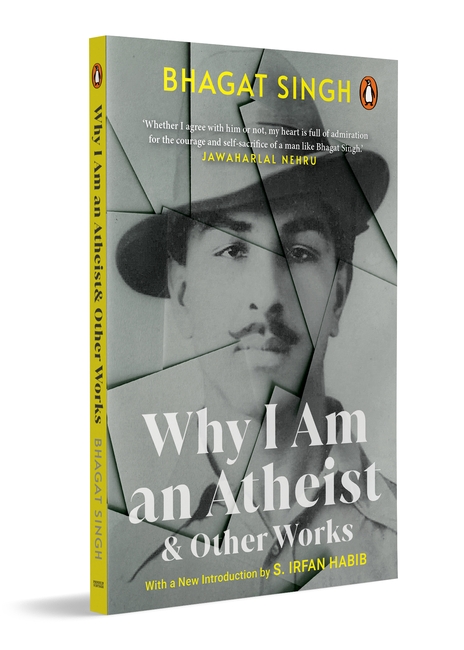
Bhagat Singh, a name that echoes through the annals of India’s struggle for independence, was not only a revolutionary freedom fighter, but also a profound thinker. ‘Why I Am An Atheist and Other Works’ encapsulates his fearless spirit and reveals his intellectual depth through a collection of essays, letters, and speeches. Singh’s writings include his statements regarding his involvement in the Central Legislative Assembly bombing to his introspective essays penned in prison, such as his renowned ‘Why I Am An Atheist’. This compilation immortalizes Singh’s unwavering dedication to the cause, showcasing his courage, defiance, and vision that continue to inspire generations. With an introduction by esteemed historian and expert on Bhagat Singh, Dr. S. Irfan Habib, this is a chance to experience the mind of a martyr whose legacy transcends time and ignites the flame of patriotism and revolution.
Shiva (Hindi) /शिव

“भगवान शिव, वैदिक देवों में सबसे रहस्यमयी और अबूझे देवता हैं। उनकी लोकप्रियता तो अविश्वसनीय है, लेकिन उनके व्यक्तित्व को सबसे कम समझा गया है।संहारक से लेकर परम दयालु तक, क्रोध के प्रतीक से लेकर सरलता से मानने वाले तक और स्वयं भौतिकता से परे पूर्ण वैराग्य का जीवन जीने से लेकर अपने उपासकों को भौतिक ऐश्वर्य का आशीर्वाद देने तक, उनका दैवीय व्यक्तित्व अधिकांश के लिए एक रहस्य है।भगवान शिव को प्राय: ध्यान में लीन दर्शाया जाता है, जो उत्कृष्टता और आंतरिक शांति का प्रतीक है। अपने तीसरे नेत्र के माध्यम से ज्ञान और अंतर्दृष्टि का प्रतिनिधित्व करने वाले, वे अज्ञानता का नाश करने और ज्ञान प्रदान करने में सक्षम हैं। परम सन्यासी शिव, भक्तों को सांसारिकता से परे जाने और आध्यात्मिक उत्थान को अंगीकार करने की चुनौती देते हैं। वे परोपकारी संरक्षक भी हैं और वंचितों को सांत्वना और मार्गदर्शन भी देते हैं। यह पुस्तक भगवान शिव के गोपनीय पक्ष की पड़ताल करने के साथ, उनके व्यक्तित्व के अनछुए पहलुओं को गहराई से समझने की अंतर्दृष्टि देती है। ”
An Eye for the Sky
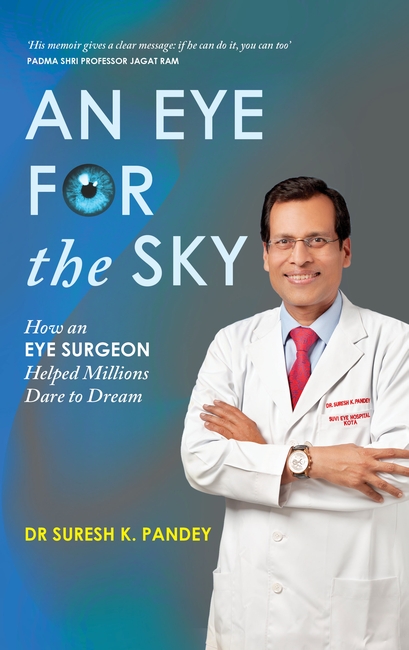
Dr Suresh K. Pandey is a world-renowned eye surgeon, a passionate author, motivational speaker, cyclist and philanthropist. Born into enfeebling poverty in Mohna, a village in Rajasthan with no electricity, sanitation or roads, he spent his schooling years studying in the dim glow of a lantern. A prodigious academic, his passion to learn microsurgery took him all over the world, from Chandigarh, to the USA, and later, Australia.
He finally returned home to establish SuVi Eye Institute & Lasik Laser Centre, Kota, with his life partner, Dr Vidushi Sharma. Their labour of love is now one of India’s best-known and loved eye hospitals. Driven purely by passion, ingenuity and a deep spirituality, Dr Pandey is set on a lifelong mission to eliminate blindness.
His story is an inspiring account of how the singular pursuit of your dreams despite all the odds being stacked against you can benefit and bring hope to millions.
An Indian Woman in Islamabad
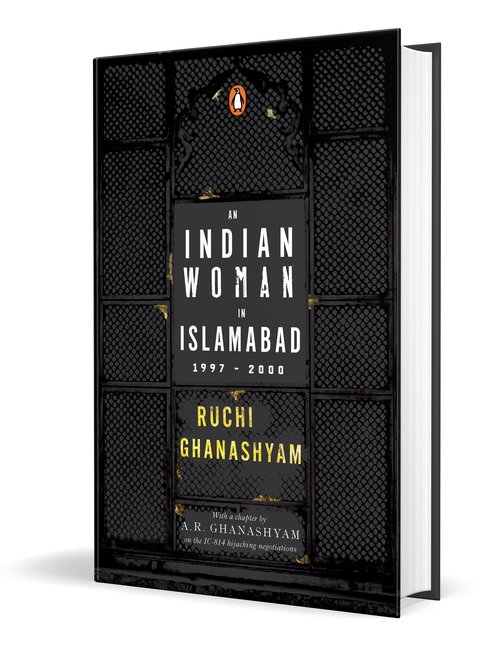
As the first Indian woman diplomat stationed in Islamabad, Ruchi Ghanashyam unveils the intricacies of cross-border relationships and the relentless drumbeat of history as witnessed through the prism of political upheavals. From 1997 to 2000, Ghanashyam and her husband traversed the labyrinthine corridors of Islamabad, bearing witness to seismic events that shook the region to its core. From the thunderous echoes of the India-Pakistan nuclear tests to the harrowing shadows of the Kargil conflict, their tale unfolds against the backdrop of geopolitical upheaval. In a riveting twist, A.R. Ghanashyam, the author’s husband, unveils his first-hand account of the tense moments preceding the Indian Airlines flight IC 814 hijacking, offering a gripping glimpse into the heart of crisis management.
Yet, amidst the tumult, Ambassador Ghanashyam’s narrative delves deeper, unravelling gender dynamics in a society steeped in tradition and inviting us to contemplate not just the challenges facing Pakistan but also the boundless potential for change and understanding. Through her discerning analysis, she exposes the layers of tradition that shape societal norms, offering a compelling examination of the challenges and opportunities inherent in the region’s sociopolitical landscape.?
This timely and compelling work stands as a testament to the enduring power of diplomacy in navigating the currents of global affairs.