




Born into a world that celebrated sons and silenced dreams, Manisha Rani dared to dance to her own rhythm. From surviving a broken home and battling small-town expectations to facing rejection after rejection on her way to the stage, she turned every ‘no’ into the fuel that powered her rise.
In Munger ki Rani, India’s beloved social media star opens up about her struggles, heartbreaks and the courage it took to transform her life. Unfiltered, funny and deeply personal, this book reveals what it really takes to make it as a new-age influencer in a world obsessed with perfection.
A story of grit, grace and the unstoppable spirit of a small-town girl who became a queen in her own right—Munger ki Rani is an inspiring read for anyone who dares to dream big.
Catagory: Biographies, Diaries & True Accounts
Designed to Win
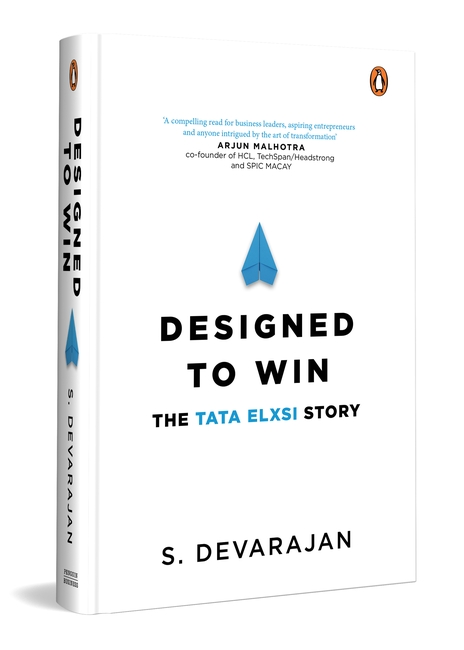
Tata Elxsi may not be the first company you think of when you think of the Tata group. However, as the highest valued Tata company, Tata Elxsi has been revolutionizing the world of electric vehicles by offering innovative solution in the area of electric energy and embedded product design.
And it’s not just automakers — Elxsi helps broadcast and communication companies design new-age set-top boxes, app frameworks and cloud services for Smart TV and OTT platforms. With a client base that includes the likes of Ford, Jaguar Land Rover, Nissan, Mahindra, Motorola, Comcast, Echostar, Panasonic and many more, Tata Elxsi has dramatically transformed itself from a company on the brink of bankruptcy to one of the most valued companies delivering consistent growth.
What drives Tata Elxsi’s success? What has it done differently to transform itself from a highly debt-ridden company to an immensely successful organization benefitting shareholders, investors and consumers alike?
What lessons can readers learn from Tata Elxsi in entrepreneurship, sales, marketing, strategy and many other management areas? This book is an attempt to answer these and many such questions to enlighten readers about a little-known but unique Tata group company.
The Tree Within
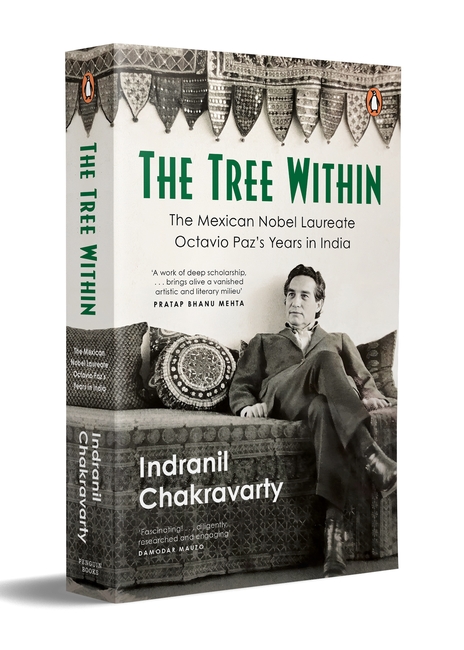
The Tree Within is the enchanting story of Octavio Paz’s passionate love-affair with India where he served as Mexico’s ambassador in the 1960s. Immersing himself in the country’s rich cultural life and contemplative traditions, Paz travelled widely, forged deep friendships with some of India’s finest minds, and produced several of his most inspired poetry and essays. It was here that he met the love of his life and experienced what he called his ‘second birth’. In this richly textured and erudite work, Chakravarty reconstructs the inner journey of the poet by delving into multilingual archives, declassified diplomatic files, personal letters, and intimate interviews. Blending biography, cultural history, and literary criticism, The Tree Within is a luminous testament to the enduring alchemy between India and the world through one of the greatest writers of the 20th century.
‘The Tree Within is absolutely delightful. A work of deep scholarship, engagingly written, the book brings to life Paz’s extraordinary relationship with India in all its dimensions: philosophical, spiritual, aesthetic and erotic. India was a muse for Paz, and in telling that story, Chakravarty also brings alive vanished artistic and literary milieus that had a profound influence on the twentieth century’—Pratap Bhanu Mehta, Laurence S. Rockefeller Professor for Distinguished Teaching, Centre for Human Values, Princeton University
‘How fascinating! This diligently researched and engaging account uncovers many little-known historical facts’—Damodar Mauzo, Jnanpith Award winner, 2022
‘The writing and style avoid all the shortcomings that dull other accounts. Whatever I have read is lively, sharp and revealing’— Aurelio Major, Spanish poet, editorial director of Vuelta and co-founder and editor of the Spanish Granta
‘This eminently readable biography is accessible and entertaining. It is the fullest account yet of the long and intense relationship between Paz and India. We witness how Paz not only appreciated the philosophical, religious, literary and artistic traditions of India but also established lasting friendships with writers, thinkers, musicians and painters’—Anthony Stanton, former president, Octavio Paz Foundation
‘A rigorously researched book, yet highly readable and informative. A landmark for the study of Paz not only in India, but anywhere. Chakravarty has done it again: casting a critical glance to the often-forgotten relation between India and the Hispanic world’—Oscar Pujol, Spanish Indologist and director of the Cervantes Institute, 2007–24
‘Written with elegance and erudition, love and passion, the book is a compulsive read. It is a major contribution to the understanding of India’s cultural dialogue with Latin America through the figure of Octavio Paz’—Shyama Prasad Ganguly, former chairperson, Spanish and Latin American Studies, Jawaharlal Nehru University
‘A compelling book. It situates Paz’s years in India at the crossroads of poetry, politics, and cultural encounter. An invaluable resource not only for those interested in Paz but also for readers drawn to the broader dialogue between East and West’—Eduardo Montes-Bradley, author
Sewa Hi Sankalp Rashtra Pratham Hi Prerna : Narendra Modi / सेवा ही संकल्प राष्ट्र प्रथम ही प्रेरणा : नरेन्द्र मोदी
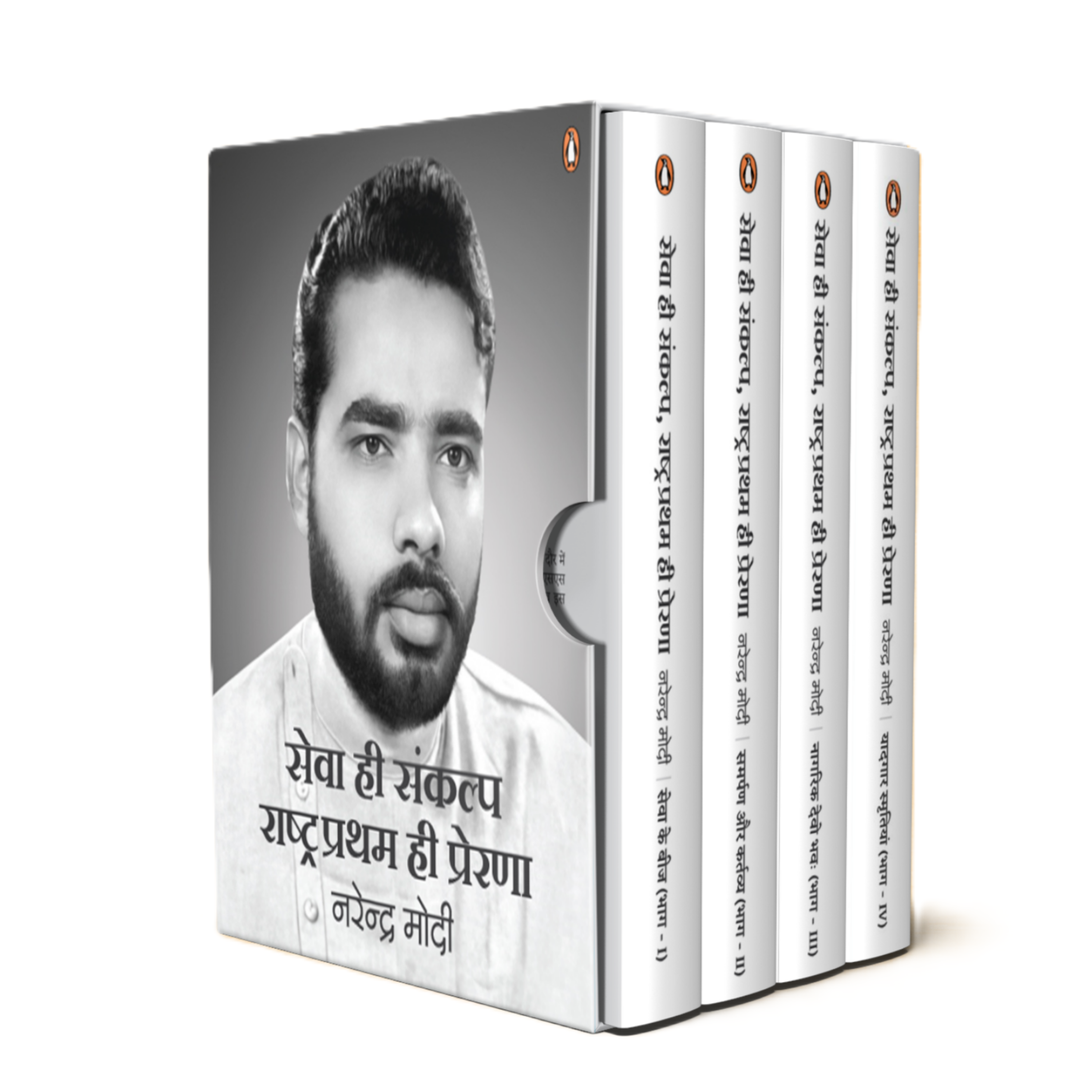
सीमित संसाधनों में पला-बढ़ा एक बालक, जो आगे चलकर भारत का प्रधानमंत्री बना और पूरे वैश्विक पटल पर अपनी एक अमिट छाप छोड़ दी।
ये कैसे हुआ, प्रेरणाएं कहां से मिलीं। इस असाधारण उपलब्धि के पीछे कौन सी सोच काम कर रही थी, वो कौन से अनुभव थे जिन्होंने एक बालक को असाधारण बना दिया, इन्ही जिज्ञासाओं से इस पुस्तक संग्रह (बॉक्स सेट) ‘सेवा ही संकल्प, राष्ट्र प्रथम ही प्रेरणा — नरेन्द्र मोदी’ का जन्म हुआ है।
दुर्लभ फ़ोटोग्राफ़्स और अनसुनी घटनाओं से सजी यह पुस्तक संग्रह प्रधानमंत्री नरेन्द्र मोदी के जीवन की अनदेखी झांकी है। चार पुस्तकों और तीन भागों में विभाजित, यह नरेन्द्र दामोदरदास मोदी की कहानी है। ये गुजरात के वडनगर में जन्मे और पले-बढ़े एक कौतूहल से भरे युवा की यात्रा है, जो अपने जन्म-प्रदेश का मुख्यमंत्री बना। लाखों लोगों को प्रभावित करने वाली ये यात्रा, भविष्य में करोड़ों-अरबों लोगों के जीवन में संभावनाओं का सूर्य बनकर चमकने वाली थी।
इस संग्रह की पहली पुस्तक ‘Seeds of Service – सेवा के बीज’ आपको युवा नरेन्द्र मोदी के प्रारंभिक वर्षों, शुरुआती अनुभवों और उनके जीवन पर पड़ने वाले प्रभावों में गहराई तक ले जाएगी और उनके संवेदनशील बचपन, युवावस्था, स्वयंसेवक के रूप में यात्रा जैसे विविध पहलुओं से जोड़ेगी।
दूसरी पुस्तक ‘Dedication and Duty – समर्पण और कर्तव्य’ में आपको उनके भारतीय जनता पार्टी में अभूतपूर्व उत्थान, सांगठनिक पुर्नगठन, तबाह हो चुकी मातृभूमि में एक मुसाफिर बेटे की वापसी जैसे कई विषयों की जानकारी होगी। भारतीय जनता पार्टी के सबसे सफल रणनीतिकारों में से एक के रूप में यह उनकी वो यात्रा है, जिसने पार्टी, प्रदेश और देश का युग परिभाषित कर दिया।
इस संग्रह की तीसरी पुस्तक ‘Nagrik Devo Bhava – नागरिक देवो भवः’ एक मुख्यमंत्री के तौर नरेन्द्र मोदी द्वारा गुजरात में बदलाव और प्रगति की एक अद्वितीय गाथा है। लगातार चार कार्यकालों में व्यापक बहुक्षेत्रीय और बहुआयामी परिवर्तनों की ये कथा अपने आप में प्रेरणा का ज्योति पुंज है।
संग्रह की चौथी व अंतिम पुस्तक ‘यादगार स्मृतियां – Memorable Glimpses’ उनके जन्म से लेकर गुजरात के मुख्यमंत्री बनने तक के विविध क्षणों को चित्रों के माध्यम से सामने लाती है।
इस पुस्तक संग्रह में जनमानस के उन अनुभवों को समाहित किया गया है, जिन्होंने मिलकर 140 करोड़ भारतीयों के लोकतांत्रिक रूप से निर्वाचित नेता को गढ़ा है। यह पुस्तक संग्रह उस ऐतिहासिक मोड़ पर समाप्त होता है, जब नरेन्द्र मोदी, 1947 के बाद पैदा हुए पहले प्रधानमंत्री के रूप में, बतौर सरकार के मुखिया, दुनिया के सबसे बड़े लोकतंत्र के मंदिर, भारतीय संसद की सीढ़ियों पर झुके थे।
The Essence of Life: A Memoir by Viju Jacob | Foreword by Shashi Tharoor
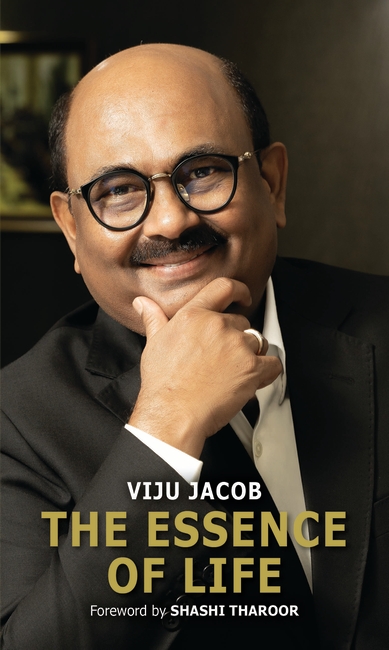
From a small town in Kerala to the helm of a global enterprise, Dr Viju Jacob has lived a story of vision, resilience, and faith. In The Essence of Life, he recounts how, inspired by his father C.V. Jacob’s pioneering spirit, he helped transform Synthite Industries into a global leader the production of spice extracts, essential oils, and various herbal extracts.
In this moving memoir, Jacob reveals the turning points that defined his path—the leap into oleoresin extraction when few believed in its future, the struggles of entering international markets, the discipline of running a family-led company, and the commitment to sustainable sourcing that uplifted thousands of farmers.
With a foreword by Dr Shashi Tharoor, The Essence of Life is a timeless guide for entrepreneurs, professionals, and dreamers alike.
The Dawn of Life
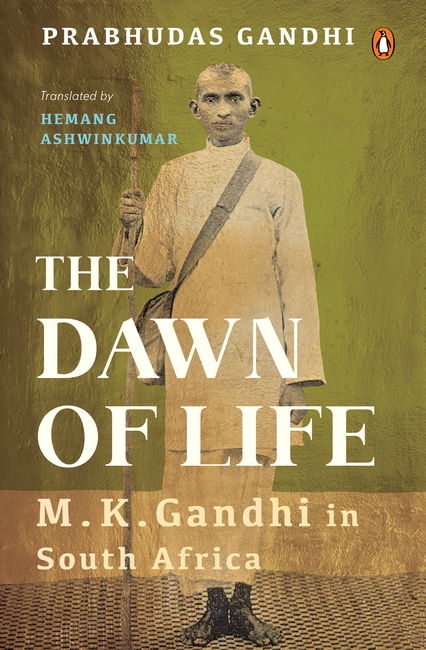
Prabhudas Gandhi was born in 1901 in Porbandar to Chhaganlal Gandhi and Kashiben and like many members of his family, spent his childhood in South Africa at the Phoenix Ashram.
The memoir, Jeevan nu Parodh in Gujarati was serialized in a hand-written journal called Madhpudo (The Beehive) that Prabhudas edited at Sabaramati Ashram and published as a book in 1948 in the bloodied aftermath of independence. Awarded the Narmad Suvarna Chandak award, The Dawn of Life is an engaging and elaborate account of Gandhi’s imagination of swaraj, both personal and collective. It flows from the memory of a young Prabhudas who migrated to Phoenix Settlement in 1905 to join his father and uncle Maganlal Gandhi. It has a ring of innocence, which is as refreshing as it is deceptive, for the author forces the reader to look within and confront her fears, prejudices and violent impulses. Being made available to English readership after more than a century since its original inscription, the book pleads for the recovery of a dawn that has remained shrouded far too long in the pitch-dark of communalism, casteism and chauvinisms of various kinds.
Translated by Hemang Ashwinkumar, this memoir is an unique witness to the history of India and of the subcontinent.
Jhumri Telaiya to Kentucky: Leadership and Life Lessons from the Bloodstock Industry
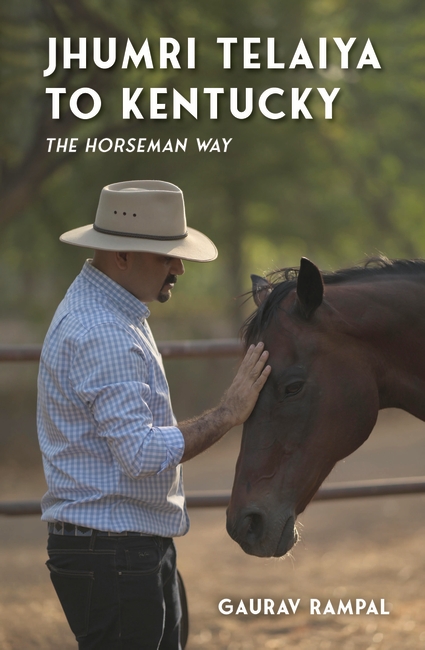
‘Horses, as natural empaths and keen observers of human behaviour, provide a powerful mirror reflecting our true presence.’
Jhumri Telaiya to Kentucky is a compelling journey of personal growth, resilience, and self-discovery, set against the backdrop of the bloodstock industry. At the heart of the narrative is The Horseman Way—a unique leadership and self-awareness programme that uses experiential learning with horses to foster emotional intelligence and authentic connection.
In an age driven by speed and technology, this book offers a refreshing call to slow down, look inward, and lead with compassion and integrity. It’s an inspiring read for anyone seeking meaningful transformation—personally or professionally.
Man Yogi Tan Bhasm Bhaya Box Set / मन योगी तन भस्म भया बॉक्स सेट
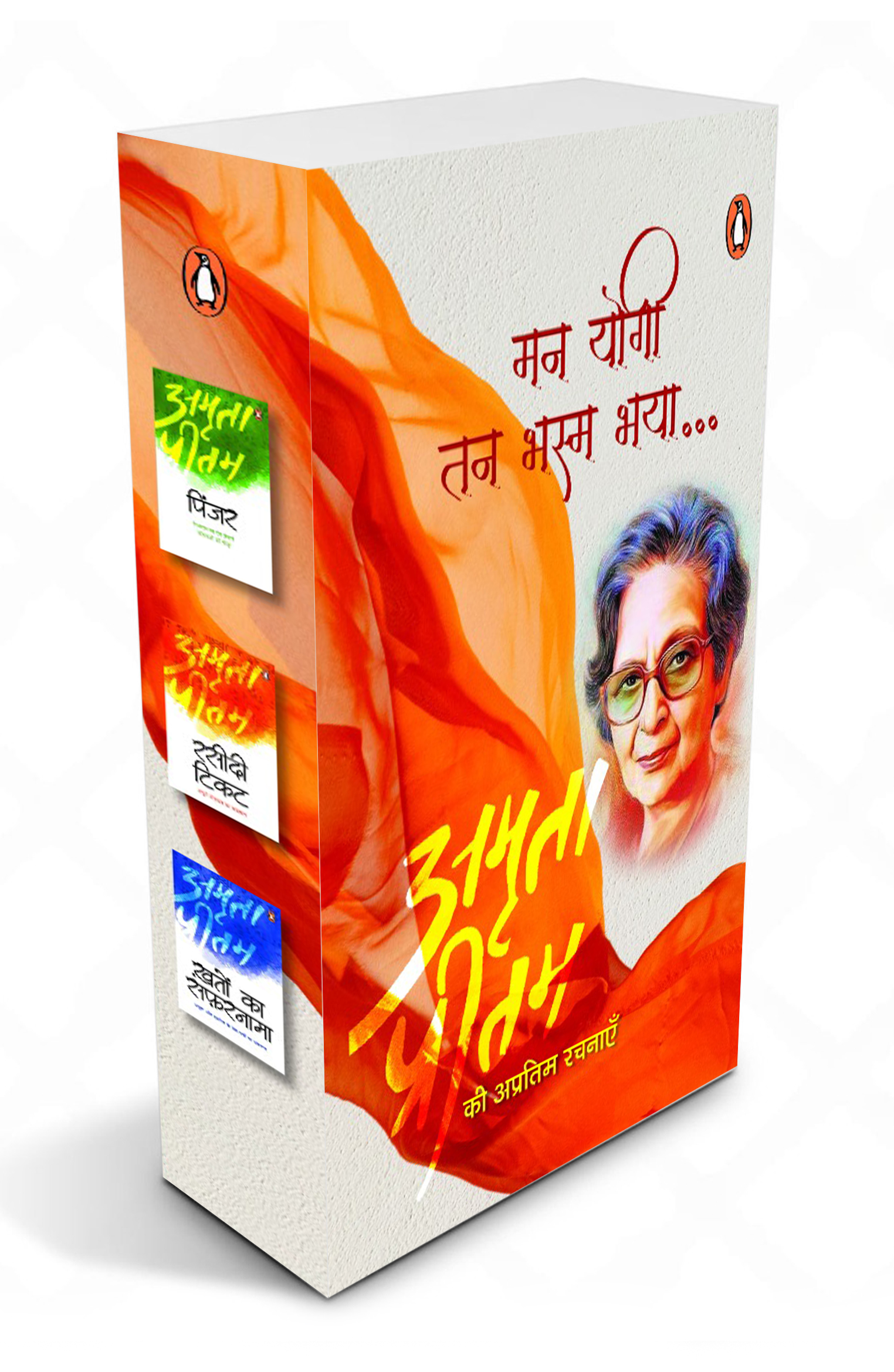
बुकसेट में शामिल अमृता प्रीतम की तीन बेहद चर्चित रचनाएँ केवल साहित्यिक धरोहर नहीं, बल्कि भारतीय समाज, नारी चेतना और विभाजन के दर्द का दस्तावेज़ हैं।
बॉक्ससेट में शामिल पिंजर भारत-पाक विभाजन की त्रासदी पर आधारित यह उपन्यास स्त्री की अस्मिता, पीड़ा और संघर्ष की मार्मिक कथा है। अमृता प्रीतम ने नायिका ‘पूरो’ के माध्यम से सामाजिक बेड़ियों, धार्मिक हिंसा और नारी मन की गहराई को अत्यंत सशक्त ढंग से अभिव्यक्त किया है।
संग्रह की दूसरी पुस्तक ख़तों का सफ़रनामा अमृता प्रीतम के जीवन के निजी पत्रों, संवादों और अनुभूतियों का दस्तावेज़ है। इसमें उनका आत्मीय, संवेदनशील और विचारशील पक्ष प्रकट होता है, जिससे पाठक उनके अंतर्मन को नज़दीक से जान पाता है।
रसीदी टिकट अमृता की आत्मकथा है, जिसमें उनका व्यक्तिगत जीवन, प्रेम, लेखन और संघर्षों की स्पष्ट तथा निर्भीक अभिव्यक्ति है। इसमें उनका साहसी स्त्रीत्व, समाज से टकराने का आत्मबल और साहसिक दृष्टिकोण भी झलकता है।
अमृता की ये तीनों रचनाएँ आज भी पाठकों के दिल को छूती हैं।
Girls Who Said Nothing and Everything
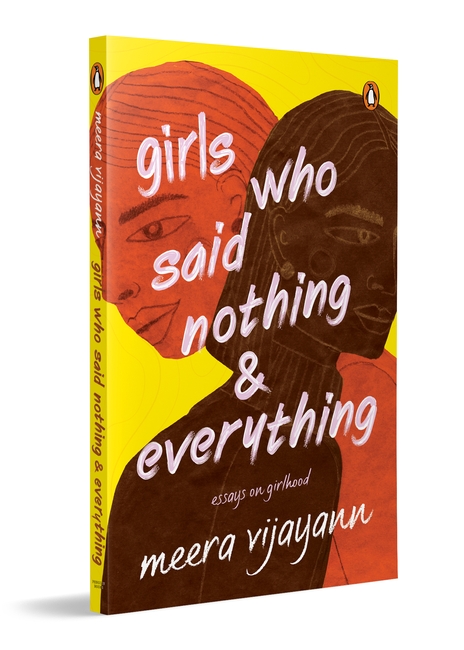
‘Meera’s compelling and lyrical writing jumps from the page into the reader’s heart. Her words speak to how love and survival shape our identities’
AISHA SULTAN, columnist, St. Louis Post -Dispatch
An evocative collection of eleven autobiographical essays, Girls Who Said Nothing & Everything navigates the tumultuous journey of self-discovery, shame and love within a dysfunctional family in 1990s India.
Through candid insights and humour, Meera Vijayann reflects on the deep-seated generational trauma that shapes the lives of Indian women. From public humiliation after a horrific accident in third grade to the confusion and anxiety caused by parental discord, money and young love, each essay delicately unravels the multifaceted experiences of Indian girlhood.
This debut essay collection stands as a powerful testament to resilience, offering young Indian women a voice to express their deepest emotions. Ultimately, it encourages them to see their grief, joy, shame, love, sexuality and rage as human.
Operation SINDOOR
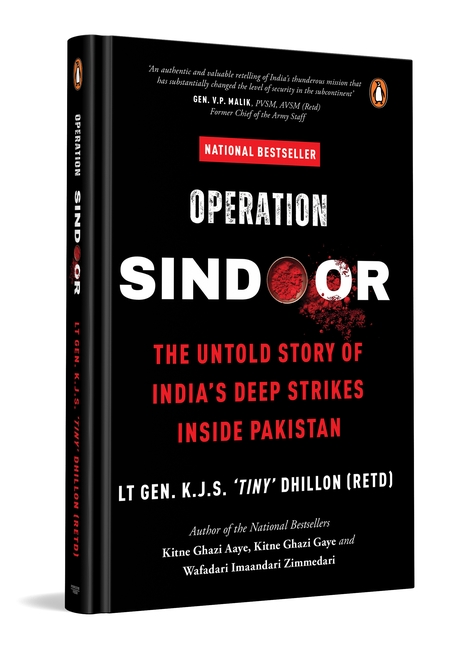
A definitive account of India’s decisive military response to Pakistan-backed terrorism — told by Lt Gen K.J.S. Dhillon, one of India’s most respected Army commanders.
On 22 April 2025, the Baisaran Valley in Pahalgam, south Kashmir, witnessed a horrifying attack when heavily armed terrorists from the Resistance Front, a proxy of Lashkar-e-Taiba (LeT), fully sponsored by the Pakistan Army and Inter-Services Intelligence (ISI), shattered its serenity with gunfire, killing twenty-six innocent individuals and injuring several others. The victims included newlyweds, elderly parents and solo trekkers. A Hindu professor narrowly escaped death by reciting the kalma, a Christian sacrificed his life to save his family and a local Muslim was killed while saving others. This was an attempt to rupture India’s religious harmony and create widespread outrage in the country.
India chose to respond to this incident, which shook not just the nation but the world, with Operation SINDOOR, showcasing its military modernization and might. The mission targeted terror camps, including the ones in Bahawalpur and Muridke, linked to Jaish-e-Mohammed and LeT, respectively, and terrorist launch pads in Pakistan-occupied Jammu and Kashmir. India’s response demonstrated military professionalism, technological maturity and diplomatic sagacity, ensuring regional stability while delivering a powerful message against Pakistan and its terror factory. This book carries minute details and a blow-by-blow account of the ‘Four-Day War’ between two hostile nuclear powers. The author underscores the intelligent use of media and social media in the battle of narratives, discusses the ‘new normal’ and emerging rules of engagement, and suggests a way forward.
Offering hitherto unrevealed information, Lt Gen. ‘Tiny’ Dhillon (Retd) opens a window to Operation SINDOOR, a testament to the strength of the Indian military and the unity of India when confronted with an adverse situation. With visuals from the destroyed target areas, this book is a powerful reminder of the impact of terrorism and the enduring hope for peace and justice.
Operation SINDOOR is a must-read for everyone.