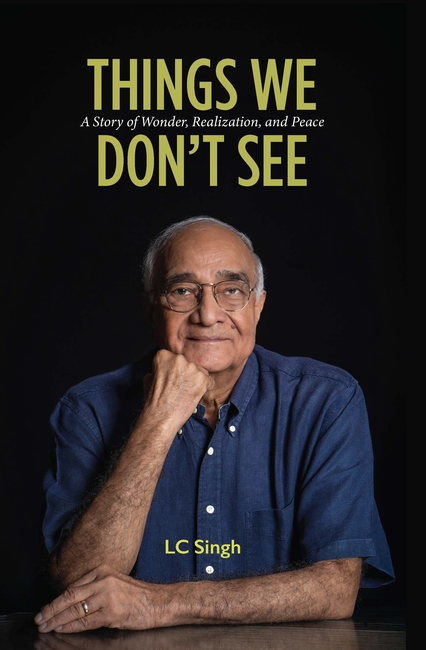
Things We Don’t See is the story of a boy from a small village who dared to dream beyond what he could see. It’s a journey powered by imagination, shaped by setbacks, fueled by questions about life, existence, and what it means to matter. From chasing butterflies and stories of ghosts to navigating corporate boardrooms and global strategy, L.C. Singh takes us through a life of sharp contrasts—rural innocence to global ambition, failure to recognition, longing to stillness. It’s a deeply human tale of becoming someone in the world’s eyes, only to discover that true action comes when it aligns with one’s purpose.
Told with honesty and quiet strength, this memoir explores the unseen threads that guide us—our inner drive, our curiosities, and our need to find peace not just in what we do, but in who we are.
At the edge of all ambition and all inquiry, he found what he wasn’t chasing: stillness.

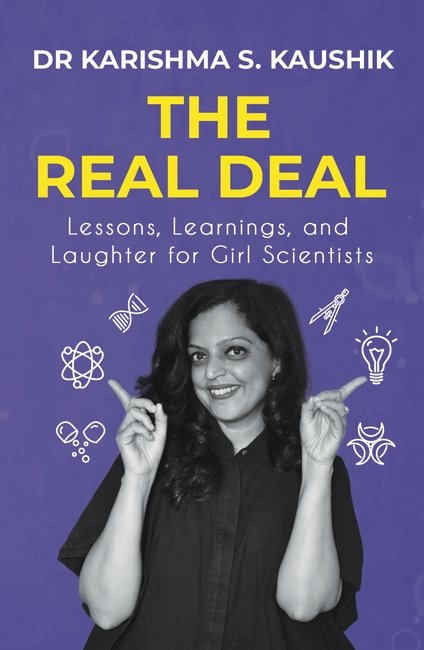
What does an education and career in science truly look like from the inside? What does it mean to be a woman in science? Is a career in science compatible with marriage, motherhood, hobbies and work-life balance?
The Real Deal offers aspiring girl scientists an authentic, behind-the-scenes view of a contemporary woman scientist’s journey in India. Blending memoir and reportage, Dr Karishma Kaushik shares real-life stories from her career in medicine and science—complete with failed experiments, hard choices, and moments of joy and fulfilment. Honest, insightful, and often humourous, this book reveals the challenges, questions, and triumphs that shape a life in science, inspiring readers to discover their own path with purpose and curiosity.

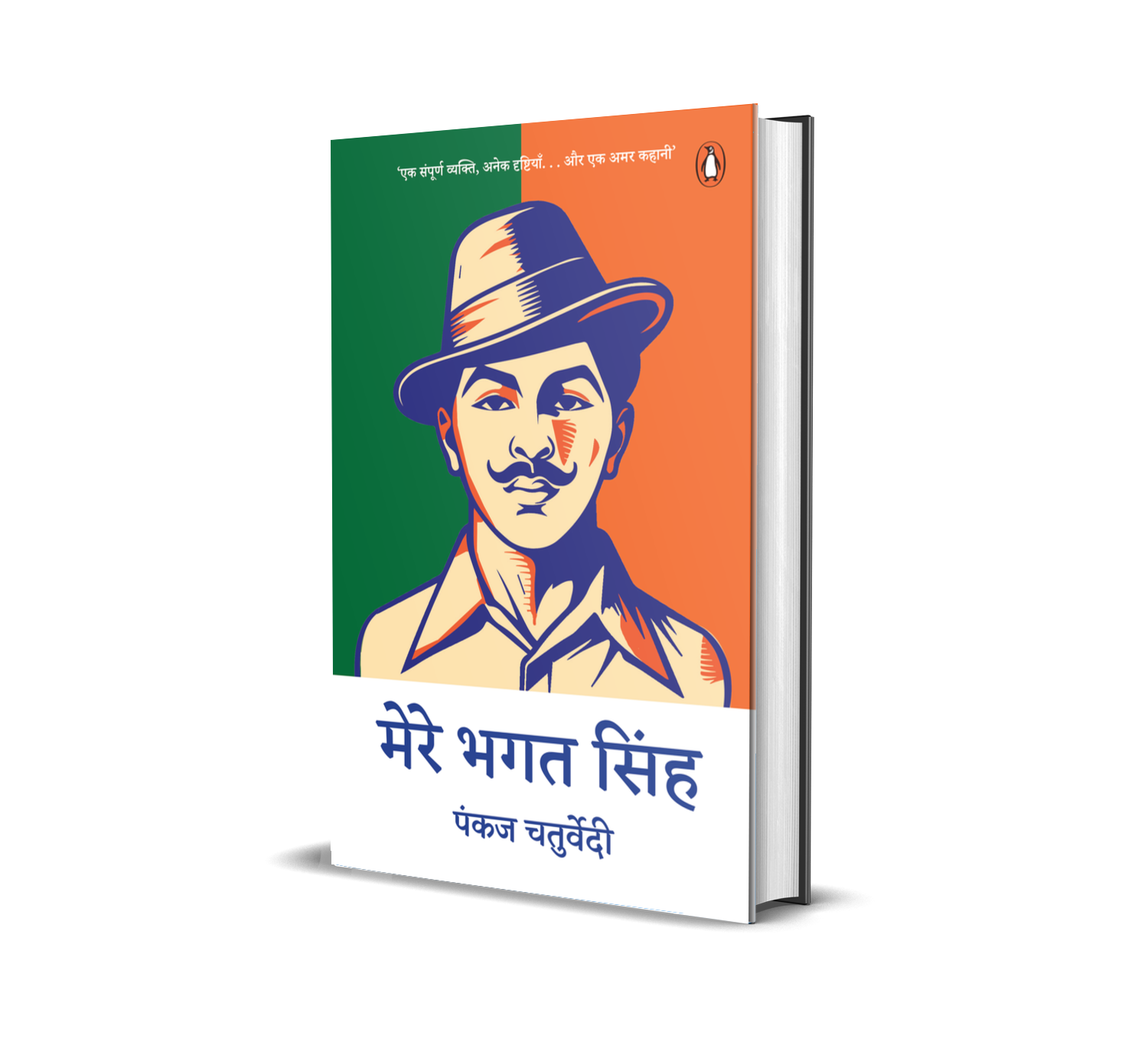
शहीद-ए-आजम भगत सिंह सिर्फ एक नाम नहीं, बल्कि एक उग्र विचार, गहन अध्ययन और अटूट बलिदान का प्रतीक हैं। यह किताब भगत सिंह के व्यापक जीवन को एक अद्वितीय और भावनात्मक दस्तावेज़ीकरण के माध्यम से प्रस्तुत करती है। इसमें उनके जीवन के हर पहलू को उन लोगों की आँखों से देखा गया है, जो उनके सबसे करीब थे। इसमें उनके माता-पिता और रिश्तेदारों की ममतामयी स्मृतियाँ हैं जो उनके बचपन की मासूमियत और पारिवारिक मूल्यों को दर्शाती हैं। शिव वर्मा और दुर्गा भाभी जैसे क्रांतिकारी मित्रों के साथ साझा किए गए सपने, संगठन की रणनीतियाँ और जेल के भीतर हुई उनकी बौद्धिक बहसों का विस्तृत लेखा-जोखा भी इस किताब का हिस्सा है। साथ ही महात्मा गांधी, जवाहरलाल नेहरू और अन्य समकालीन राजनेताओं के विचार भी हैं, जो उनकी शहादत के बाद भगत सिंह के राजनीतिक और दार्शनिक महत्त्व को स्थापित करते हैं। बचपन की शरारतों से लेकर नास्तिकता और समाजवादी दर्शन की ओर उनका झुकाव; असेंबली में बम फेंकने का दुस्साहस और “इंकलाब जिंदाबाद” का नारा—यह कृति उनके ऐतिहासिक महत्त्व के साथ-साथ उनके मानवीय पक्ष को भी उजागर करती है।

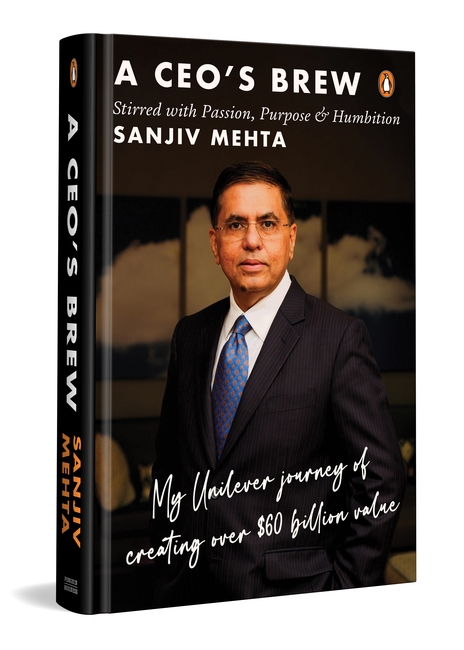
How do you create $60 billion in value while staying anchored in purpose?
Sanjiv Mehta’s twenty-one-year odyssey as CEO of Unilever businesses across several countries provides the answer. From leading markets in Bangladesh, the Philippines, North Africa, the Middle East and South Asia to steering Hindustan Unilever Limited (HUL) through a transformative decade, Sanjiv has mastered the art of balancing legacy with innovation.
A CEO’s Brew is more than a corporate memoir; it is a distillation of a leadership style he calls ‘Humbition’. Whether navigating volatile markets, fighting competitive battles or scaling HUL into one of the world’s most admired consumer goods businesses, Sanjiv’s journey offers practical wisdom for the next generation of entrepreneurs, leaders and seasoned executives. Stirred with passion and served with grit, this is the story of a leader who transformed some of the world’s most complex markets into a global gold standard for sustainable and values-led growth

A biography of the late spiritual pioneer Dr. David R. Hawkins, or “Doc” as he was known to many of his devotees.
“This is more than a biography; it’s a heartfelt journey, an invitation to experience his life and witness the extraordinary legacy he left behind.”
Dr. David R. Hawkins, a man whose existence was a symphony of curiosity, discovery, and transformation, a man, who not only was a brilliant thinker, but a man of deep compassion and love, dedicated to the upliftment of all of humanity.
From his discoveries as a science-based psychiatrist to the confirmed reality of his own unique spiritual experiences, David R. Hawkins has gifted us with a treasure trove of insights into the human psyche and consciousness itself, that are as mind-blowing as they are soul-nourishing. He handed us a road map to Truth with his visionary Map of Consciousness®, an extremely useful guide in gaining profound insights into the nature or our existence and purpose on earth.
In this book, you will come face to face with the revelations that turned his world upside down and elevated the consciousness of anyone fortunate enough to encounter his work.
Let’s begin this journey of Dr. David R. Hawkins, an extraordinary yet ordinary life whose imprint on the world stands for Truth as the highest endeavor, embraces compassion for all sentient beings, and in complete surrender and devotion to God as the Ultimate Reality.
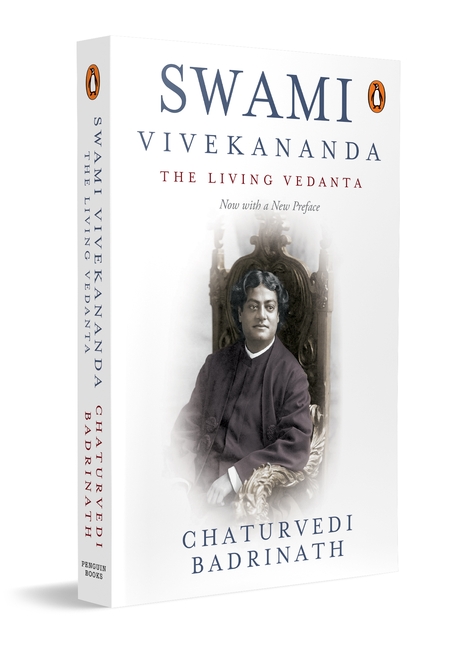
The Vedanta was an inseparable part of Swami Vivekananda’s personality. He lived and breathed this philosophy while preaching it to India and the west. While Vivekananda’s landmark address at the Parliament of Religions in Chicago in 1893 established him as modern India’s great spiritual leader, his popularity and appeal is attributed to his ability to integrate his human side with his profound spiritual side.
In this beautifully written biography, Chaturvedi Badrinath liberates Vivekananda from the confines of the worship room and offers an unforgettable insight into the life of a man who was the very embodiment of the Vedanta that he preached.
On Thursday, 5 April 1877, thirty-year-old Annie Besant stood trial in London for daring to sell a small book on birth control—an act that shocked Victorian society and made her a household name. This was only the beginning of a lifetime spent defying authority.
Besant began as a devout Christian wife, only to renounce her faith and embrace atheism. She became a fiery socialist voice in the strikes and protests of the 1880s, then turned to Theosophy in search of spiritual truths. But it was in India that she found her greatest cause. Moving beyond religion and reform, she became a leader in the Indian movement for self-rule, edited nationalist newspapers, campaigned for self-rule and was even interned by the British government for her influence. To many Indians she was a heroine; to the colonial State, a dangerous agitator.
Annie Besant’s life was extraordinary and full of contradictions: from politics to mysticism, from the London suburbs to the heart of India’s freedom struggle, from Christian piety to Theosophical priestesshood. The Nine Lives of Annie Besant tells the complete story of a woman who broke all the rules.
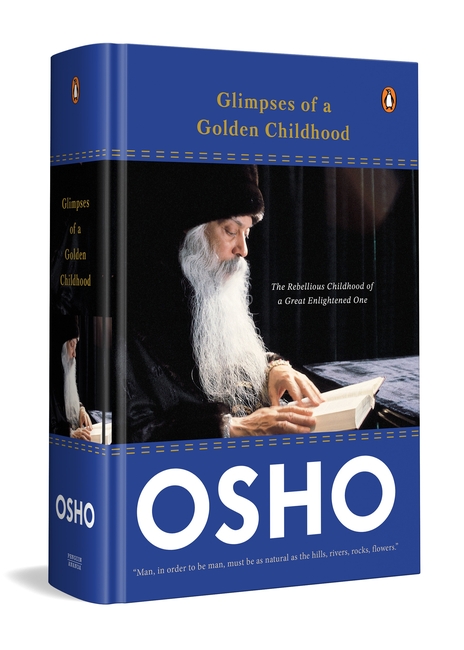
This book is unique among all works by Osho. Here, Osho recalls his rebellious and mischievous childhood. The stories are fascinating, entertaining and inspiring and have the invaluable added dimension of the enlightened consciousness of the storyteller himself. The inclusion of many beautiful and intimate photos make this a rare treat indeed.
“I came from the village utterly blank, with nothing written on me. Even while I was away from that village I had remained a wild boy. I have never allowed anybody to write anything on me. People are always ready—not only ready but insistent that they write something on you. I had come from the village empty, and I can say now that all that has been written in between I have erased, and erased completely. In fact I have demolished the wall itself so you cannot write anything on it ever again.”
Osho
In 1986, as Indian and Chinese troops faced off in Sumdorong Chu in Arunachal Pradesh, an Indian general airlifted a brigade to occupy dominating heights, putting pressure on the Chinese below. The audacious General Krishnaswamy Sundarji swung the momentum decisively in India’s favour, forcing the Chinese to back-pedal in the Himalayas.
The following year, the same army chief planned Operation Brasstacks, one of the largest military exercises since World War II. The move threatened Pakistan’s nuclear ambitions, unnerving General Zia-ul-Haq and prompting him to seek rapprochement.
The 1980s were a decade of dramatic turns: events that led to the assassinations of two Indian prime ministers, political upheaval and military crises. General Sundarji oversaw two of the most controversial operations in independent India: Operation Blue Star, against Sikh militants inside the Golden Temple, and Operation Pawan, against Tamil militants in Sri Lanka. He was also drawn into the Bofors acquisition and the scandal that followed, which helped bring down a government.
But who was Krishnaswamy Sundarji? How did his penchant for bold, sometimes brash decisions take shape? Was he too ambitious? Was he ahead of his time in pushing for technology-driven warfare, or behind it as insurgencies demanded a more improvised approach?
This definitive biography by bestselling author Probal Dasgupta traces the life and times of one of India’s most charismatic yet forgotten army chiefs. Sundarji’s career mirrored the journey of a young nation, often echoing its political choices and contradictions. The only general to have influenced both military and political thinking in India’s democracy, his brisk 820-day tenure saw the army through modernization, crises, controversies and change. This book explores Sundarji’s central role in shaping the modern Indian Army and his influence during the turbulent 1980s.
In today’s rapidly evolving business landscape, the ability to navigate crises is paramount for any organization. This book provides invaluable insights into how CG Power, once on the brink of collapse, successfully redefined its trajectory through strategic leadership and unwavering commitment to ethical governance. This story serves as a compelling reminder that with the right vision, dedication, and teamwork, even the most challenging situations can be transformed into opportunities for growth.