



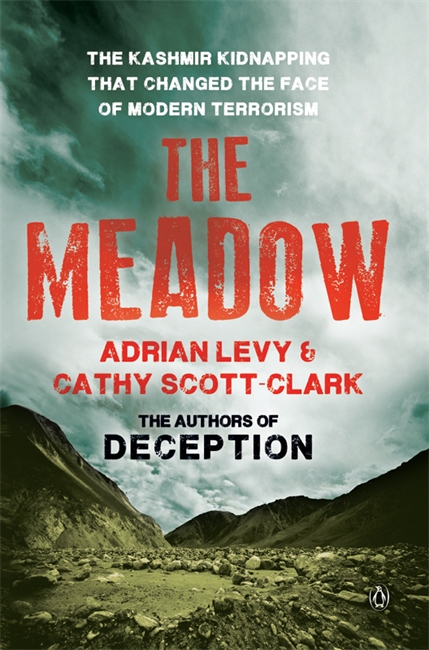
In the summer of 1995, six tourists were kidnapped in the mountains of Kashmir. The ransom note said the kidnappers were from an unheard of Islamic outfit and that they wanted the release of Pakistani militant leader Maulana Masood Azhar (later responsible for the attack on the Indian parliament). The kidnapping electrified the world and for the first time put the global spotlight on Kashmir. Within four days, one of the prisoners had made a hair-raising escape. A month on, was found, beheaded by his captors who had carved their name into his flesh. In the background, camped out in Delhi, the families of the missing struggled to keep their hopes alive, while international governments negotiated frantically with India, and the army, police and intelligence services tried to follow the trail. But the remaining four hostages were never found, their case forgotten – until now.
Catagory: Biographies, Diaries & True Accounts
Poet Of The Revolution
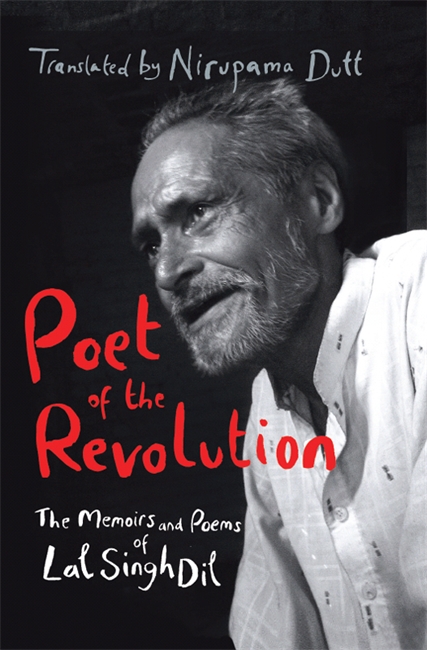
Lal Singh Dil is a legend in Punjab, famed as much for his rousing poetry as for the brew of his tea stall. Born into the ‘untouchable’ Dalit community in the years before Partition, he bravely challenged deep-rooted social prejudices through his crisp and stirring verses. His struggle led him to join the Naxalite movement-an experience that culminated in three horrifying years of torture at the hands of the police. In his later years, much to the dismay of his comrades, he converted to Islam because he believed that its tenets could be reconciled with the egalitarian and inclusive principles of communism. A powerful indictment of caste violence and discrimination, Poet of the Revolution describes Dil’s most turbulent years in his clear, fiery voice. Translated into English for the first time, this book also includes a selection of his most memorable poems.
A Life in Diplomacy
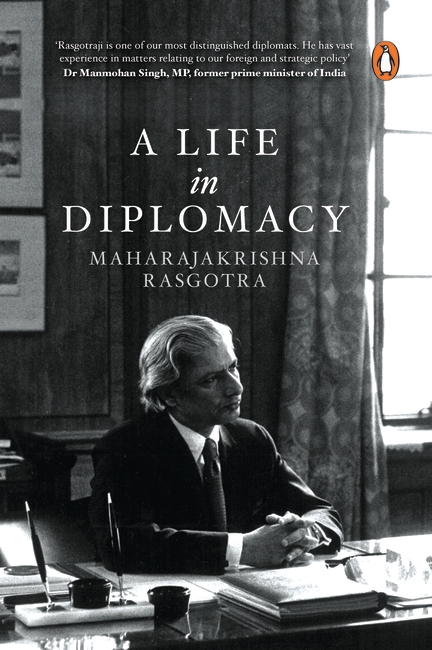
Former foreign secretary, Maharajakrishna Rasgotra joined India’s external affairs ministry when Jawaharlal Nehru, Girija Shankar Bajpai, Sardar Patel were-with a mix of pragmatism and hope-creating the foreign policy of the newly independent nation. This was taking place as the Cold War slid into the subcontinent and complex relationships with India’s neighbours-China, Pakistan and Nepal-were taking shape. Looking back on those crucial years with a discerning eye for the interplay of personalities-Nehru, Krishna Menon, or S. Radhakrishnan, for instance-Rasgotra assesses their influence on events and their impact on the evolution of Indian diplomacy.
For over three decades Rasgotra’s assignments took him to Nepal, Britain and France, among other countries, as well as twice to the United States. His account of Nixon and Kissinger, and the mix of truculence and persuasion in their dealings with Mrs Gandhi in the run up to the 1971 Bangladesh war, sheds new light on the events of that time. His tenure as foreign secretary covered a period of great change and A Life in Diplomacy provides a ringside view of the beginnings of ethnic violence in Sri Lanka, the last years of the Cold War, the negotiations on the formation of SAARC, Mrs Gandhi’s assassination and the Bhopal gas disaster.
This is a compelling, authoritative account of a personal and professional journey; a reflective look at the leaders, events and forces that formed relations between India and the world over fifty years.
Nehru
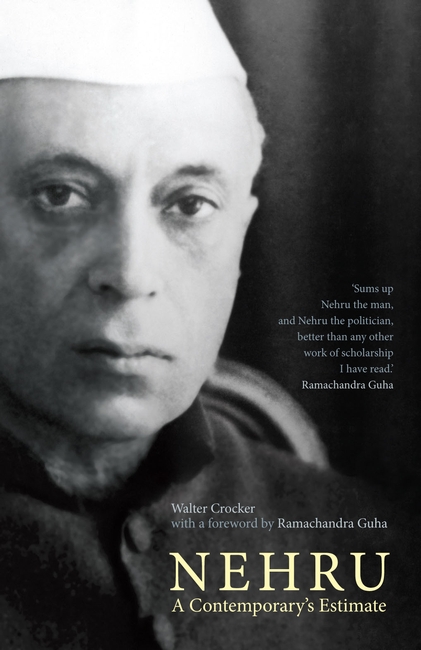
Elegant, perceptive, and startlingly prophetic, Nehru: A Contemporary’s Estimate is one of the finest accounts of Nehru ever written. Walter Crocker, the Australian high commissioner to India, admired Nehru the man—his grace, style, intelligence and energy—and was deeply critical of many of his political decisions—the invasion of Goa, India’s Kashmir policy, the Five Year Plans. This book, written shortly after Nehru’s death, is full of invaluable first hand observations about the man and his politics. Many of Crocker’s points, too—especially the implications of the Five Year Plans and of the introduction of democracy to India—are particularly relevant today. Out of print for many years, this classic biography has been reissued with an authoritative foreword by Ramachandra Guha.
Macaulay
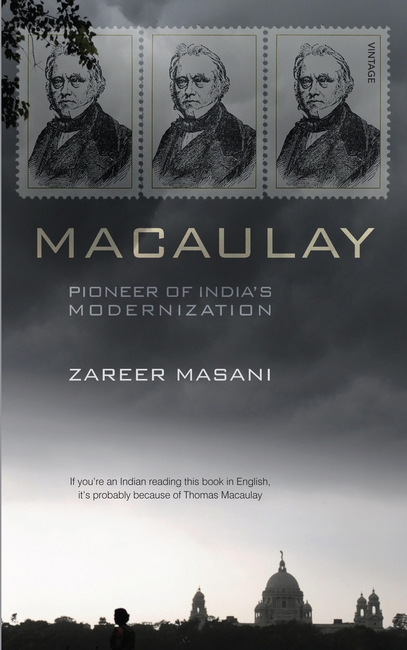
Thomas Macaulay is most famous for having introduced the English language as a medium for learning in India, creating a class of westernized Indians who are sometimes derisively referred to as ‘Macaulay’s children’. Was this an act of cultural imperialism or a modernizing move far before its time?
Macaulay has always inspired both admiration and hostility in India. Ever since he served on the Supreme Council of India in the 1830s, his thinking and policies have had a profound, transformative impact on the subcontinent. Today, some Dalit activists even celebrate him as their liberator from caste tyranny.
Macaulay is the first biography of this vastly influential figure for the general reader, giving a vivid sense of a brilliant, eccentric, contradictory man and his complex times. In a portrait that is as elegant as it is intriguing, Zareer Masani traces Macaulay’s fascinating journey from child prodigy, historian and parliamentary orator in London to imperial administrator in India, and then a revered elder statesman back in Britain. The reader is allowed a glimpse into what it felt like to be at the centre of power in a global empire, ruling over hundreds of millions of Indian subjects and shaping the destiny of a subcontinent.
Ocean In My Yard
‘It was easy becoming a voyeur.’ Saleem Peeradina, poet, artist, teacher-and compulsive people-watcher-gets extraordinary views of neighbourhood life from the twelve windows of his Versova Road house. From the age of four he has been drawn into the thrills of a voyeuristic life, a passion that was nurtured in his young adulthood by his interest in poetry and painting. In The Ocean in My Yard he gives us rare and exclusive pictures of the dramas he witnessed almost unobserved, sketching the interior landscape of hearts and heads. In lyrical prose interspersed with his own poems, Peeradina brings to life the vitality, as well as the predictability, of suburban Bombay of the 1950s and 1960s, where cycling down narrow lanes with school buddies, or peering into a film studio to catch a glimpse of a movie star, or having a ball of shaved ice was heaven itself. All of this is offset, of course, by run-over animals rotting at the neighbouring garbage dump. With passion, tenderness and sometimes detachment, he lucidly captures the experience of growing up Muslim in a large joint family: the adoring grandparents who light up his life all too briefly, the trio of eccentric uncles who confer on him the most favoured status, a difficult doctor-father against whose strong will he pitches his own, and a self-effacing mother whom he begins to appreciate only late in life. He also exposes religious and class issues and reveals how, even as a boy, he stood up against the ingrained sexism of Indian society. As Saleem candidly serves up anecdotes of his sexual awakening-massaging his aunt’s body to ease the tension after a long day in the kitchen-and trips to Anchor Cabins where his uncle conducted photography sessions that were to inspire his own nude paintings, we realize all too well how easy it is to become a voyeur, and how easy to fall under Peeradina’s spell.
The Death And Afterlife Of Mahatma Gandhi
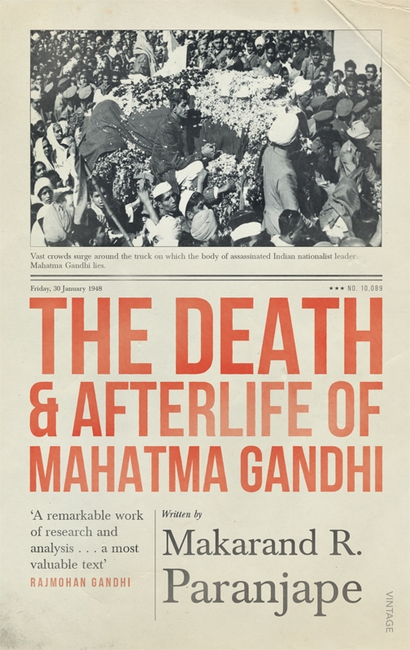
The Death and Afterlife of Mahatma Gandhi is an explosive and original analysis of the assassination of the ‘Father of the Nation’. Who is responsible for the Mahatma’s death? Just one determined zealot, the larger ideology that supported him, the Congress-led Government that failed to protect him, or a vast majority of Indians and their descendants who considered Gandhi irrelevant, and endorsed violence instead?
Paranjape’s meticulous study culminates in his reading of Gandhi’s last six months in Delhi where, from the very edge of the grave, he wrought what was perhaps his greatest miracle – the saving of Delhi and thus of India itself from the internecine bloodshed of Partition. Paranjape, taking a cue from the Mahatma himself, also shows us a way to expiate our guilt and to heal the wounds of an ancient civilization torn into two. This is a brilliant, far-reaching and profound exploration of the meaning of the Mahatma’s death.
The New Age Entrepreneurs
Have you wondered what goes on in the heads of entrepreneurs? What makes them tick? The New Age Entrepreneurs provides a peek into the lives of thirty successful entrepreneurs, including N.R. Panicker of Accel Ltd., Ramachandra Galla of Amaron and M. Murali of Sri Krishna Sweets, who established flourishing businesses borne out of innovative ideas. These trailblazers delved into diverse industries, ranging from information technology to luxury hotels and Indian sweets. With snappy, insightful and motivating tales, interspersed with interviews and vivid profiles, The New Age Entrepreneurs is a collection of vignettes of men who made their own rules and set standards for the rest of the industry to follow.
The Resurgence of Satyam
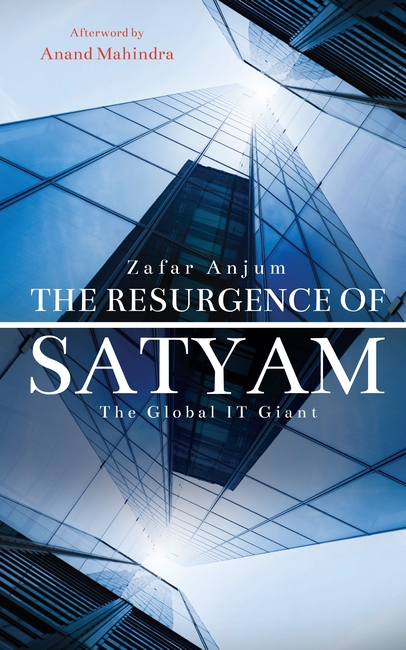
All hell broke loose with a simple confession from Ramalinga Raju, founder and chairman of Satyam Computers, the fourth largest IT company in India with over 50,000 employees and business in more than 66 countries. His admission in 2009 of cooking the books to show exaggerated profits combined with the diving economy rocked India Inc. and forced it to look inwards.
With robust research, interviews and stories, Zafar Anjum tracks the chronicle from Raju’s confession and Satyam’s free-fall to the phoenix’s rise as Mahindra Satyam. This is a tale of betrayal and devastation, but more importantly of hope and resurrection. With an afterword by Anand Mahindra, chairman and managing director of Mahindra Group, The Resurgence of Satyam is the definitive book that will answer all that you wanted to know about the Satyam saga.
When I Was 25
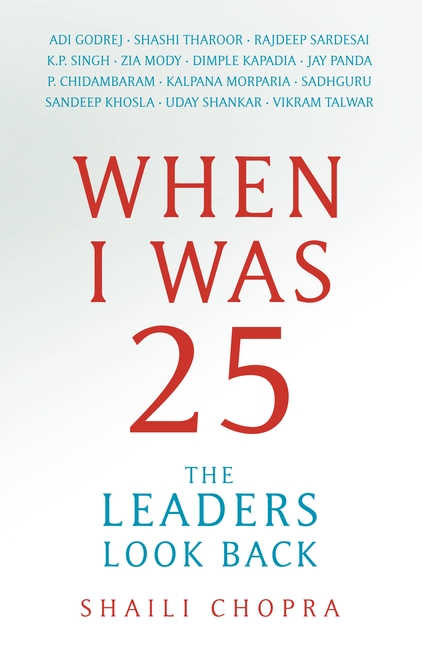
What do you dream about when you envisage your future? In When I Was 25, Shaili Chopra traces the youth of eminent personalities like Adi Godrej, K.P. Singh, P. Chidambaram and Dimple Kapadia. These successful people open up about the challenges they faced and the choices they made to reach where they are today. They also part with invaluable advice to the young, based on what they have learned in their careers. Honest and refreshing, this book will inspire you and point you to the path of greater glory.