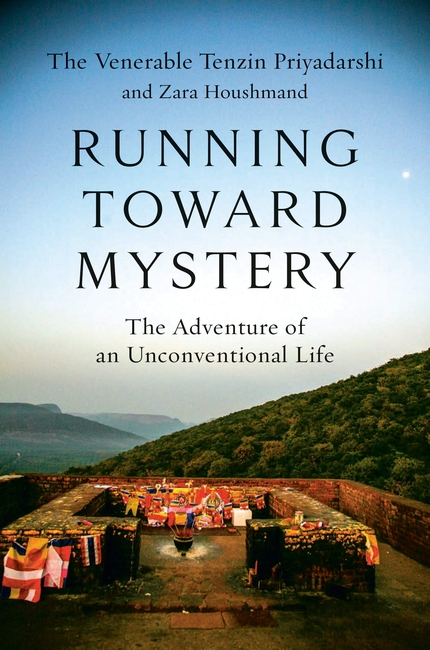
Born in India to a prominent Hindu Brahmin family, the Venerable Tenzin Priyadarshi was only six years old when he began having visions of a mysterious mountain peak, and of men with shaved heads wearing robes the color of sunset. And so at the age of ten, he ran away from boarding school to find this place-taking a train to the end of the line and then riding a bus to wherever it went.
Strangely enough, he ended up at the Buddhist monastery that was the place in his dreams. His frantic parents and relatives set out to find him and, after two weeks, located him and brought him home. But he continued to have visions and felt a strong pull to a spiritual life.
This book is the Venerable Tenzin Priyadarshi’s profound account of his lifelong journey as a seeker. At its heart is a story of striving for enlightenment, the vital importance of mentors in that search, and of the many remarkable teachers he met along the way, among them the Dalai Lama, Archbishop Desmond Tutu, and Mother Teresa.
Running Toward Mystery is the beautiful story of a singular life compelled to contemplation, and a riveting narrative of just how exciting that journey can be.

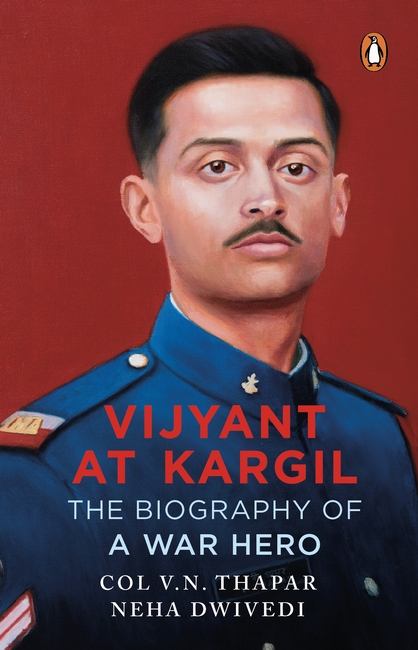
‘By the time you get this letter, I’ll be observing you all from the sky. I have no regrets, in fact even if I become a human again, I’ll join the army and fight for my nation.’
This was the last letter Captain Vijyant Thapar wrote to his family. He was twenty-two when he was martyred in the Kargil War, having fought bravely in the crucial battles of Tololing and Knoll. A fourth-generation army officer, Vijyant dreamt of serving his country even as a young boy. In this first-ever biography, we learn about his journey to join the Indian Military Academy and the experiences that shaped him into a fine officer.
Told by his father and Neha Dwivedi, a martyr’s daughter herself, the anecdotes from his family and close friends come alive, and we have a chance to know the exceptional young man that Vijyant was. His inspiring story provides a rare glimpse into the heart of a brave soldier. His legacy stays alive through these fond memories and his service to the country.

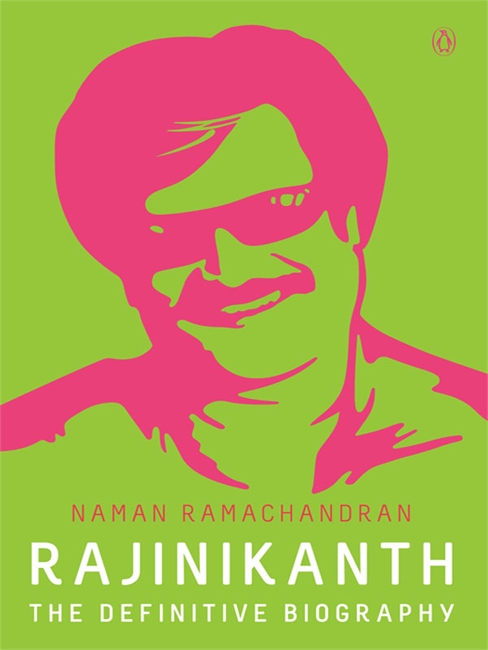
Rajinikanth is, quite simply, the biggest superstar cinema-crazy India has ever seen. His stylized dialogues and screen mannerisms are legion, and his guy-next-door-cum-superhero image has found a hysterically appreciative following among millions of moviegoers.
Naman Ramachandran’s marvellous biography recounts Rajini’s career in meticulous detail, tracing his incredible cinematic journey from Apoorva Raagangal (1975) to Kochadaiyaan (2013). Along the way, the book provides rare insights into the Thalaivar’s personal life, from his childhood days to his times of struggle—when he was still Shivaji Rao Gaekwad—and then his eventual stardom: revealing how a legend was born.

It is truly a wonder how India, with all its vastness and diversity, manages to function as a country. In fact, before India could be governed as a free country, one of the biggest challenges faced by its future government was constituting its citizens. In a country driven by religion, language and caste, this challenge was anything but easy.
As the Constitution came together, it grandly embraced a transcendental ideal of citizenship that was free from particular identities. It was Jawaharlal Nehru, the first Prime Minister, who laid the foundation, and politically policed this difficult relationship between the citizen and the nation.
‘The Indian Citizen and Its Nation’ is a collection of Nehru’s letters that talk about the importance of nurturing this relationship, adding new dimensions to the conversation about what it really means to be a citizen of a nation like India.
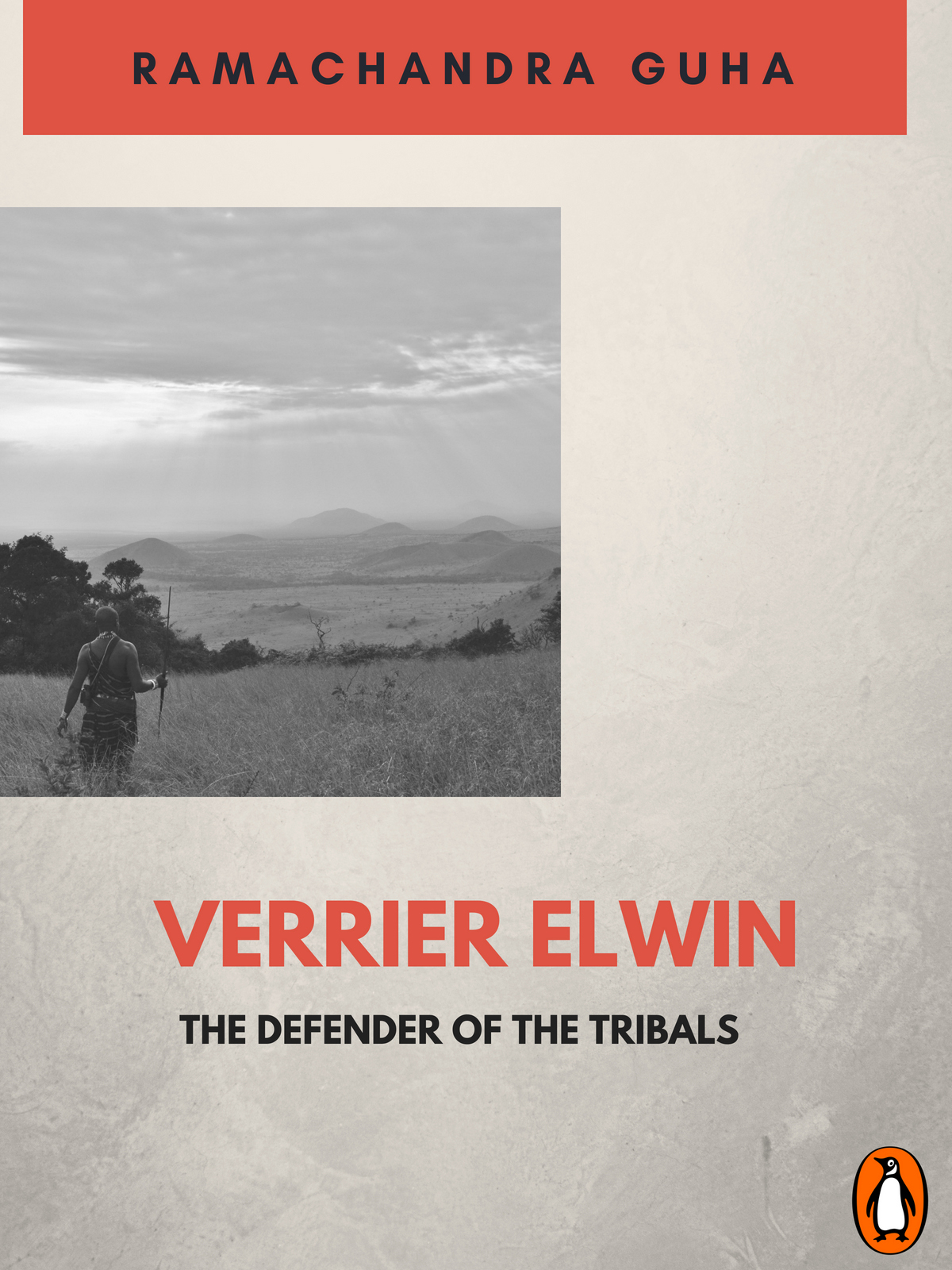
A remarkable Englishman-turned-Indian, Verrier Elwin was an Oxford scholar who somehow became the foremost spokesman for India’s tribal people.
Despite constituting almost 8 per cent of the nation’s population, the tribals of India had been (and continue to be) ignored by the national freedom movement. It was Elwin, an esteemed—if not controversial—public figure in his adopted homeland, who decided to champion their cause.
The people he influenced are at the epicentre of the Maoist rebellion in the country today. It is absolutely imperative that we familiarize ourselves with Elwin’s thoughts and ideas. Read on as Ramachandra Guha sheds light on his most influential writing in the chapter titled ‘Verrier Elwin: The Defender of the Tribals’.
‘I am not anti-English; I am not anti-British; I am not anti-any government; but I am anti-untruth—anti-humbug and anti-injustice.’
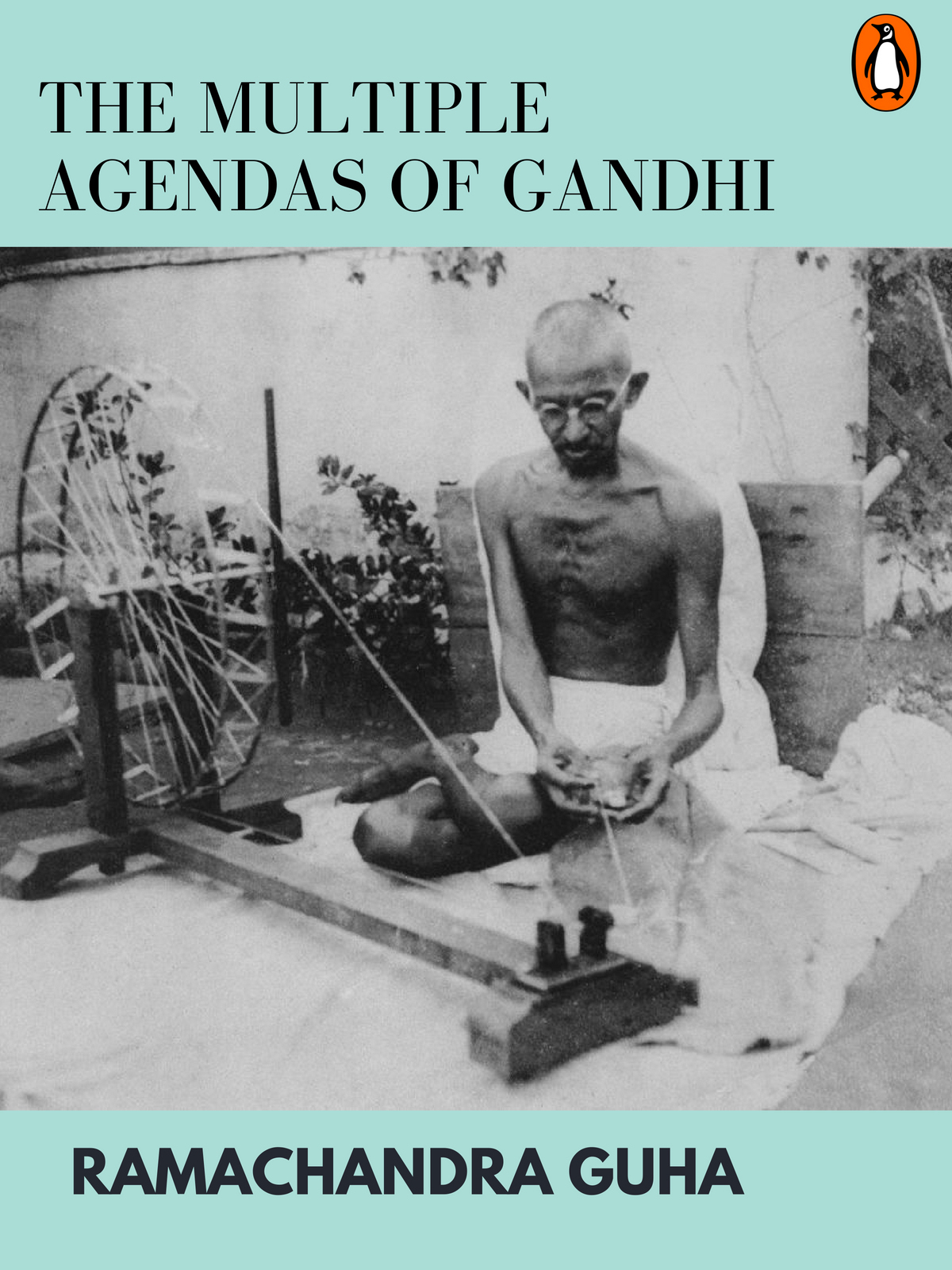
Father of the Nation, Satyagrahi, the Crusader of Truth—no matter how much is written about Gandhi, there is always something new to learn about the man and his many ideas.
Within four years of his return to India from South Africa, Gandhi had become the most famous—as well as the most controversial—person in a subcontinent with a population of over 300 million. This only goes to prove the power of his ideas and the effect of his charisma.
In ‘The Multiple Agendas of Gandhi’, Ramachandra Guha looks at some of Gandhi’s most radical ideas and how he executed them so that they have remained in the psyche of this country to this day. Read on.
The gods themselves bring destruction on women, so is it any wonder you do the same?’
Now, more than ever, it has become imperative that we talk about women’s rights and work towards gender equality. The feminist movement, in fact, took roots in India nearly a century ago, as can be seen from the life and work of Tarabai Shinde.
Tarabai Shinde was obscure in her time, and remains so in ours. But her writing, if not her life, compels our serious attention. Extremely relevant and hard-hitting, her work is indeed one of the most powerful pieces of social criticism ever written by an Indian.
Read on, as Ramachandra Guha sheds light on the inspiring thoughts and writings of the activist in ‘Tarabai Shinde: The Subaltern Feminist’.
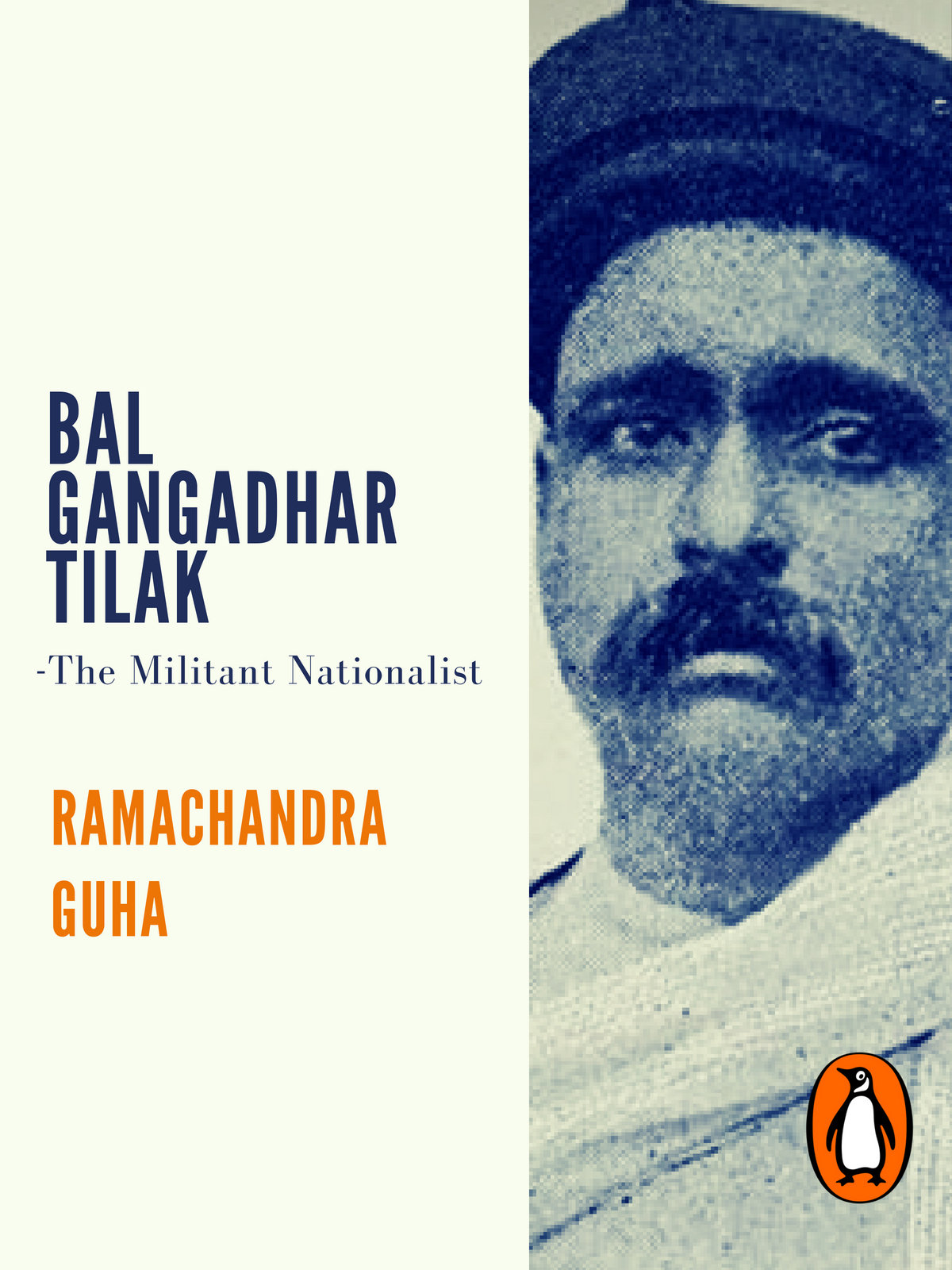
Action above thought’—this was Bal Gangadhar Tilak’s core philosophy and how he approached most things in life.
Tilak famously opined that by remaining under the rule of the British, India as a country was leading to its own decline and a general sense of emasculation. He urged the young men of the country to protest with everything they had got, and even go to prison if necessary. This meant hitting another nail in the coffin of the British Empire.
In ‘Bal Gangadhar Tilak: The Militant Nationalist’, Ramachandra Guha brings to us a hitherto unseen side of Tilak through the latter’s writings and actions. Read on.
The striking thing about accounts of modern India is that the men and women who made its history also wrote most authoritatively about it.
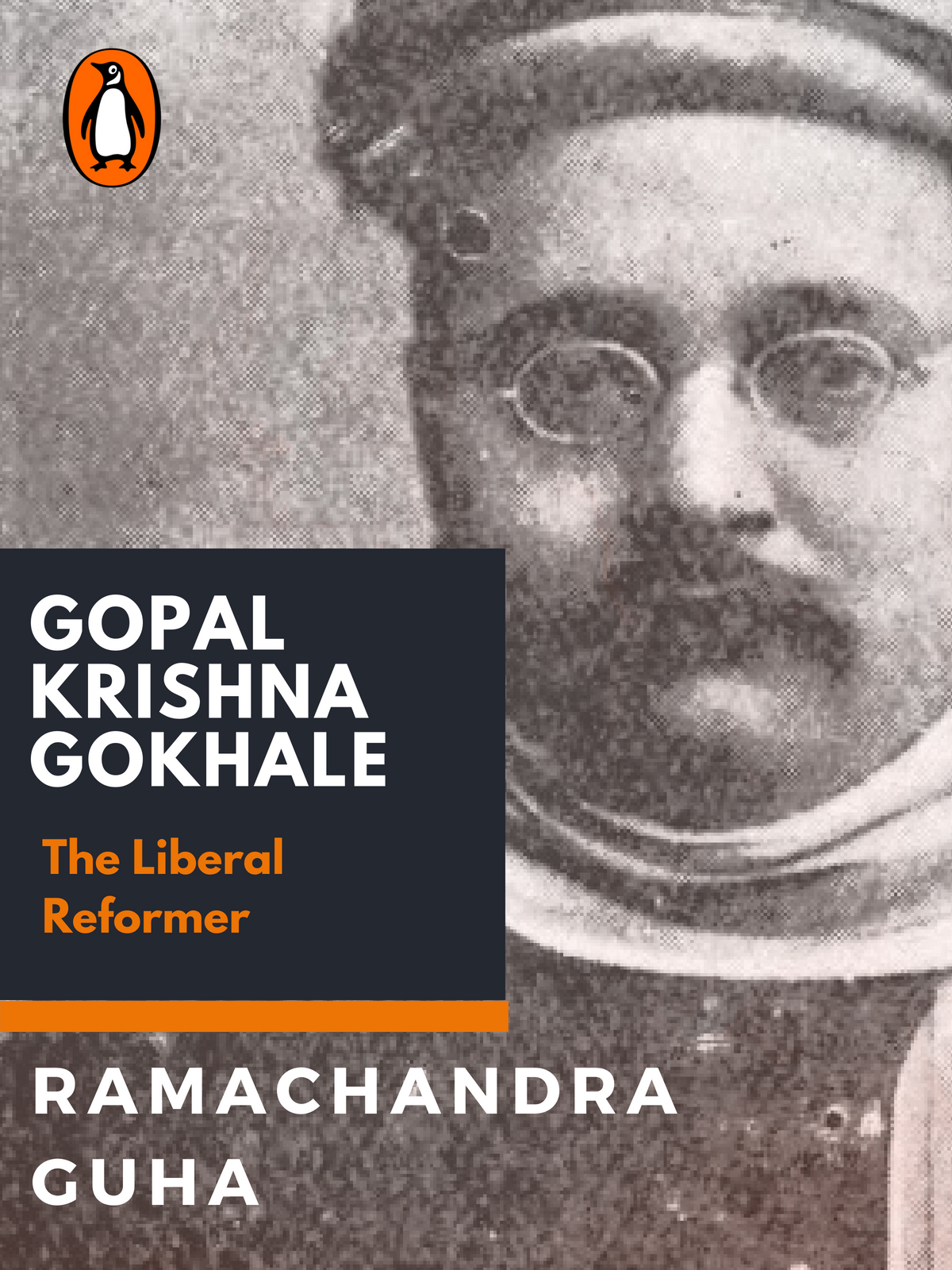
Gopal Krishna Gokhale was truly the torchbearer of the ideas that became the foundation of modern India. According to him, shaking off the shackles of social and economic backwardness as well as political subjection was the most important aspect when it came to improving India.
In ‘Gopal Krishna Gokhale: The Liberal Reformer’, Ramachandra Guha tells us about the man who influenced thousands to join the fight for India’s struggle.
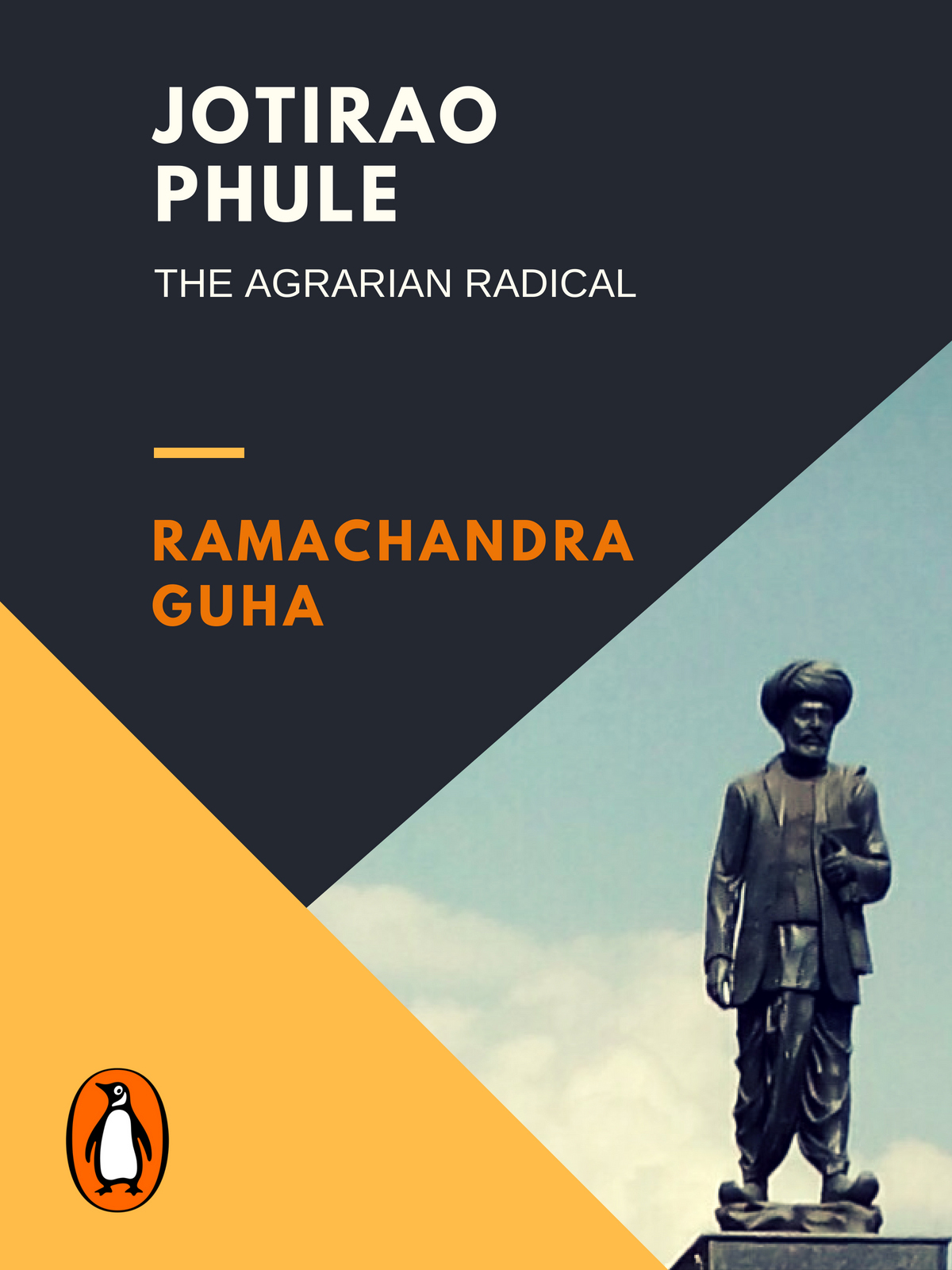
For all the talk these days about education for girls and women empowerment, what Jotirao Phule did for the country almost a century ago still remains unmatched.
From starting a school for lower-caste girls to promoting a rationalist outlook honed through education, Phule played a key role in the emancipation of people from the lower castes. His writing not only reflects his drive and determination but also his zeal to bring some real change and see India achieve her complete potential.
Read on as Ramachandra Guha introduces us to yet another radical who became a building block in the foundation of India’s freedom in ‘Jotirao Phule: The Agrarian Radical’.