



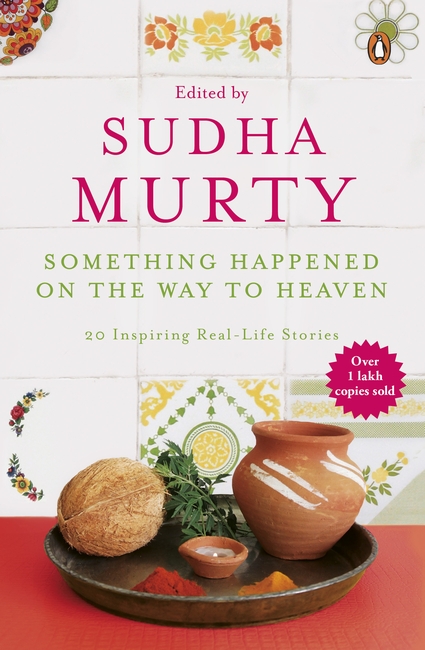
The inspiring true stories of the interesting people who inhabit the pages of Sudha Murty’s books leave an indelible impression on us. But the books are able to chronicle the stories of only the men and women Mrs Murty has actually come across herself in the course of her social work. There must be so many more wonderful stories that many others have to share. Something Happened on the Way to Heaven is a collection of twenty such memorable true life stories. Handpicked by Sudha Murty from a contest run by Penguin, they capture the hope, faith, kindness and joy that life is full of, even as we make our way through the daily grind. Moving and uplifting, this is an anthology that will engross and delight every reader who believes in the goodness of the human heart.
Catagory: Biographies, Diaries & True Accounts
Three Thousand Stitches
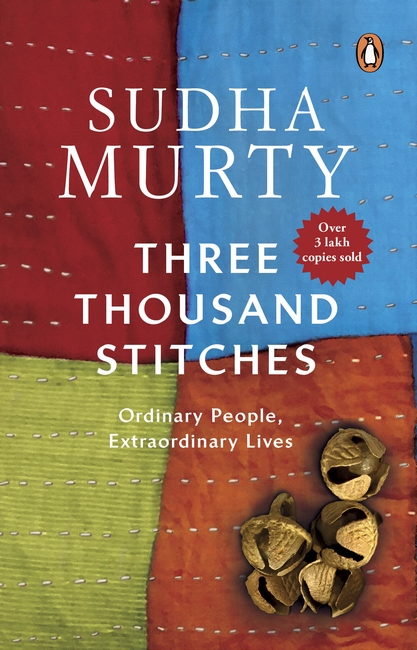
So often, it’s the simplest acts of courage that touch the lives of others. Sudha Murty-through the exceptional work of the Infosys Foundation as well as through her own youth, family life and travels-encounters many such stories . . . and she tells them here in her characteristically clear-eyed, warm-hearted way. She talks candidly about the meaningful impact of her work in the devadasi community, her trials and tribulations as the only female student in her engineering college and the unexpected and inspiring consequences of her father’s kindness. From the quiet joy of discovering the reach of Indian cinema and the origins of Indian vegetables to the shallowness of judging others based on appearances, these are everyday struggles and victories, large and small.
Unmasking both the beauty and ugliness of human nature, each of the real-life stories in this collection is reflective of a life lived with grace.
A must-read for children and everyone alike.
The Young and the Restless
The 2014 Lok Sabha elections saw the involvement of India’s youth like never before. They were debating inside classrooms, sitting for dharnas on the street, having conversations in offices and on social media. The election in 2014 saw 150 million young voters—and the highest number of first-time voters in India.
And yet, the average age of our parliamentarians is sixty-three. Our leaders are almost four decades older than the average twenty-five-year-old.
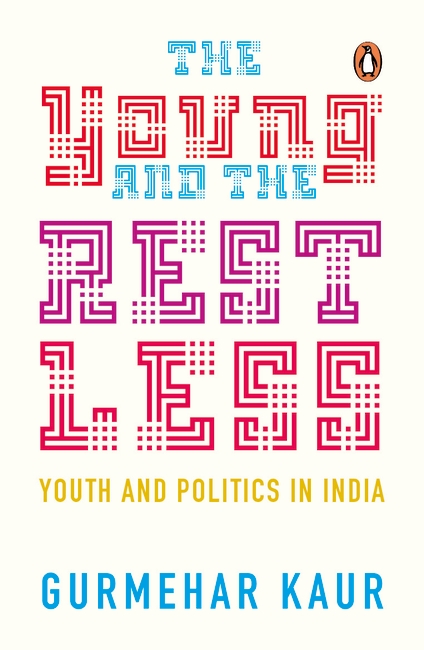
In The Young and the Restless, Gurmehar Kaur, student activist and author of Small Acts of Freedom, follows the journeys of eight youth leaders, their aspirations for the country’s youth, their aspirations for themselves and, most importantly, their aspirations for the nation. She explores whether their politics only mimics that of the older party leaders or if they have the ideas, passion and motivation of the demographic they represent.
The Inheritors
Why did Harsh Mariwala leave his family business?
Why did the Burman family quit the day-to-day operations of Dabur?
How did the Dhingras turn a collapsing business into India’s second-largest paint company?
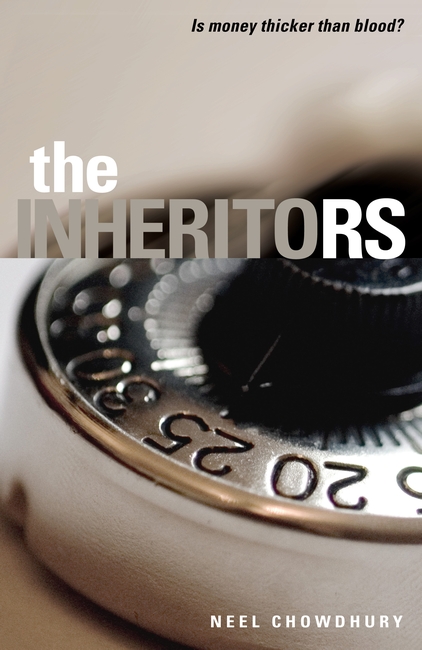
The Inheritors offers a fascinating behind-the-scenes look at what goes on in Marico, Dabur, Keventers, Berger Paints, Select Group, Antara, Cyril Amarchand Mangaldas, Luxor and Motilal Oswal. The book focuses on culture, family politics, ego battles, business rivalries and a lot more. And then, of course, there are the inheritors themselves-some take the businesses to even greater heights while others lead them to doom.
Guns, Guts and Glory
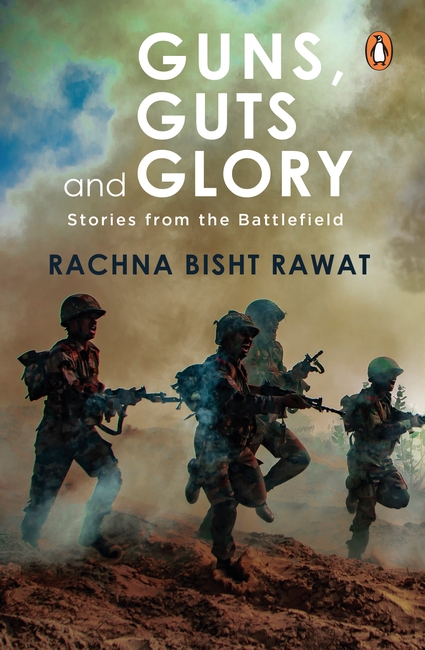
1965: Stories from the Second Indo-Pakistan War
On 1 September 1965, Pakistan invaded the Chamb district in Jammu and Kashmir, triggering a series of tank battles, operations and counter-operations. It was only the bravery and well-executed strategic decisions of the soldiers of the Indian Army that countered the very real threat of losing Kashmir to Pakistan. Recounting the battles fought by five different regiments, the narrative reconstructs the events of the 1965 Indo-Pakistan war, outlining details never revealed before, and remembers its unsung heroes.
Shoot, Dive, Fly: Stories of Grit and Adventure from the Indian Army
SHOOT, DIVE, FLY aims to introduce teenagers to the armed forces and tell them about the perils-the rigours and the challenges-and perks-the thrill and the adventure-of a career in uniform. Ballroom dancing, flying fighter planes, detonating bombs, skinning and eating snakes in times of dire need, and everything else in between-there’s nothing our officers can’t do!. Read twenty-one nail-biting stories of daring. Hear from some amazing men and women about what the forces have taught them-and decide if the olivegreen uniform is what you want to wear too.
The Brave: Param Vir Chakra Stories
Twenty-one riveting stories about how India’s highest military honor was won. Talking to parents, siblings, children and comrades-in-arms to paint the most vivid character-portraits of these men and their conduct in battle and getting unprecedented access to the Indian Army, Rachna Bisht Rawat takes us to the heart of war, chronicling the tales of twenty-one of India’s bravest soldiers.
Netas
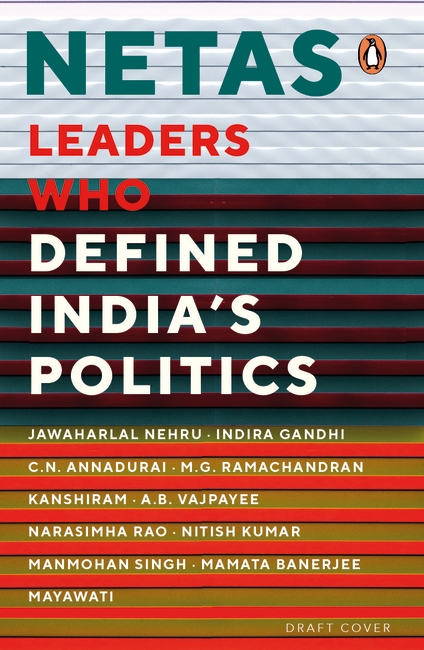
The netas who altered the course of India’s politics forever
Since Independence, for better or for worse, we have put our faith in the leaders we elected. This fascinating book explores how the individual leadership styles of certain netas reorganized India’s political landscape. If Nehru brought a more democratic style, his daughter, Indira Gandhi, centralized authority; if C.N. Annadurai initiated an entirely new stream in Indian politics, namely, the Dravidian parties, his follower MGR wooed the masses through personal charisma. While Kanshiram attempted to unite the oppressed under the umbrella term ‘bahujan’, Vajpayee strengthened the majority’s claim to power. From Narasimha Rao to Manmohan Singh, Nitish Kumar to Mayawati, and the inimitable Mamata Banerjee, these netas continued to reset the terms of the debate. Introduced by a renowned journalist, Netas offers an intimate view of eleven leaders who left their unique stamp on Indian politics.
The Reluctant Billionaire
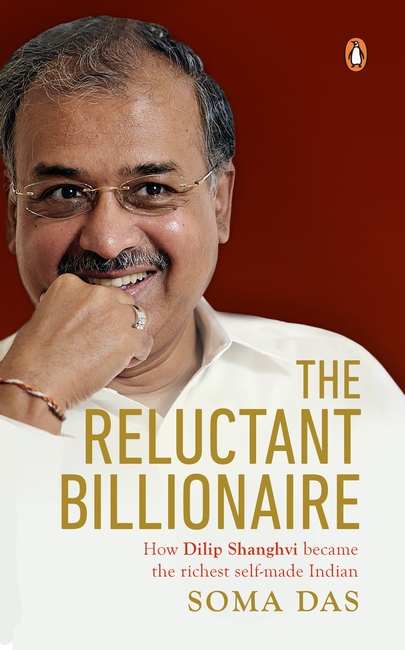
NOMINATED FOR TATA LITERATURE LIVE AWARDS AND SHORTLISTED FOR GAJA CAPITAL BEST BUSINESS BOOK PRIZE
The book is an untold human story of an enterprise and its creator, Dilip Shanghvi, who raced ahead of Mukesh Ambani to become the richest Indian in 2015
Shanghvi is one of the most interesting and least understood business minds of India whose journey has been shrouded in mystery because of his reticence.
The book reveals the riveting story of the fiercely intense personality that lies beneath his calm demeanour. Based on interviews with over 150 friends, family members, rivals, former aides and Shanghvi himself, it traces his transformation from a quiet, curious child working in his father’s small shop to an astute strategist, who built India’s largest pharma company, Sun Pharma, despite being untrained in science.
The tale unravels his contrarian and controversial bets that made Sun a global force, and him a ‘turn-around’ artist. It is also about the friends and family Shanghvi started his company with, the hurt and emotional conflicts surrounding their separation, and how Shanghvi staked his closest relationships to professionalize Sun.
This book is an extraordinary story of an ordinary man, who chooses to stay anti-famous. He would rather have his face unrecognized, his story untold. But at a time, when a billion dreams are simmering in an aspiring India, this tale is for everyone who has once had a secret dream, an insanely bold one.
First, They Erased Our Name
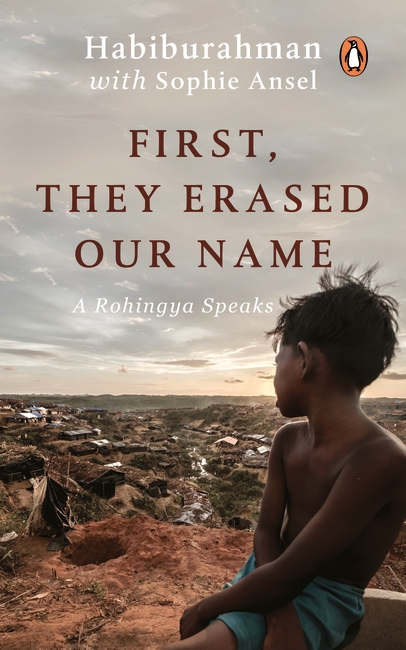
Habiburahman was born in 1979 and raised in a small village in western Burma. When he was three years old, the country’s military leader declared that his people, the Rohingya, were not one of the 135 recognised ethnic groups that formed the eight ‘national races’. He was left stateless in his own country.
Since 1982, millions of Rohingya have had to flee their homes as a result of extreme prejudice and persecution. In 2016 and 2017, the government intensified the process of ethnic cleansing, and over 600,000 Rohingya people were forced to cross the border into Bangladesh.
Here, for the first time, a Rohingya speaks up to expose the truth behind this global humanitarian crisis. Through the eyes of a child, we learn about the historic persecution of the Rohingya people and witness the violence Habiburahman endured throughout his life until he escaped the country in 2000.
First, They Erased Our Name is an urgent, moving memoir about what it feels like to be repressed in one’s own country and a refugee in others. It gives voice to the voiceless.
The Making of Star India
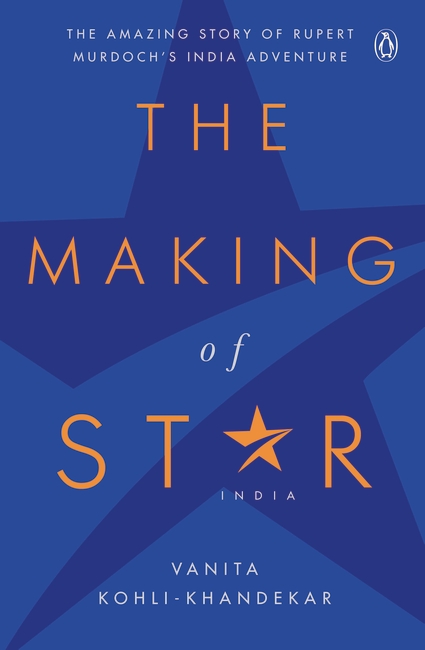
When Rupert Murdoch, executive chairman, News Corporation, blew up more than $870 million buying Star TV from Richard Li in the early 1990s, analysts were dismayed. Why on earth had Murdoch invested in a pan-Asian broadcaster that was neither fish nor fowl?
More than twenty-five years later, with revenues of over $2 billion, Star India is one of the country’s three largest media firms. Murdoch’s instinct had done what a hundred investor summits could not: showcased the potential of the Indian media market to the world. Vanita Kohli-Khandekar tells the thrilling story of Indian television through its most notable protagonist: Star TV. The narrative is peppered with delicious anecdotes and a fascinating cast of characters that includes Rathikant Basu, Peter Mukerjea, Uday Shankar, Sameer Nair and the Murdochs, who loom large over every scene.
Bad Man
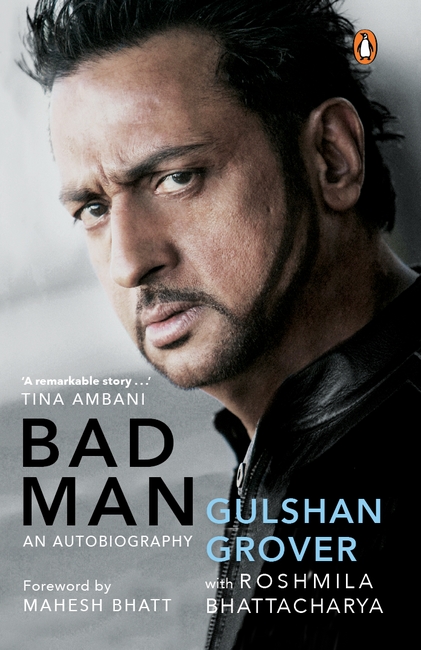
Foreword by Mahesh Bhatt
‘A remarkable story’-Tina Ambani
Growing up on the fringes of our capital city, Gulshan Grover moved to Mumbai to pursue a career in acting in the 1970s. At a time when most wannabe actors held out for the lead, he made a conscious choice to opt for villainous roles. He went on to portray many memorable characters, with a career-defining role in the 1989 blockbuster, Ram Lakhan, that established him firmly as the ‘Bad Man’ of Bollywood.
Many a mainstream potboiler of the era rode to success on his trademark one-liners and grotesque get-ups that have become part of Bollywood folklore. He subsequently moved on to the international arena, among the first actors from Mumbai to do so, in the process becoming one of India’s more recognizable faces in international cinema.
In this autobiography, Grover tells his story-the films, the journey, the psychological and personal toll of sustaining the ‘bad man’ image, the competition among Bollywood’s villains, the move to playing more rounded characters, and the challenge of doing international films without relocating to another country or opting out of mainstream Hindi cinema.