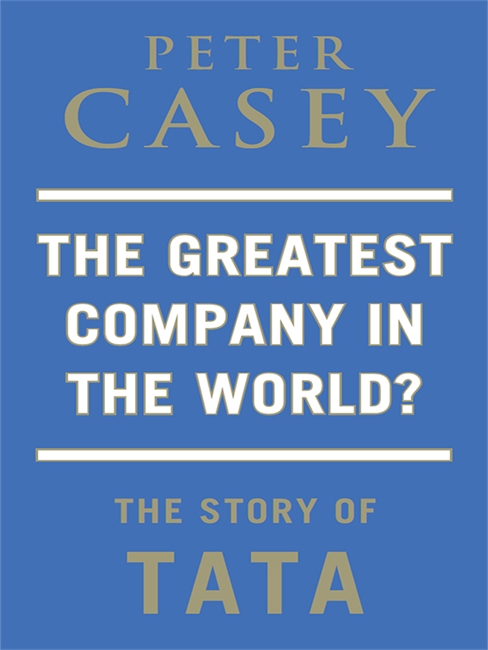
How did Tata transform itself from a family-owned business to one of the most professionally managed enterprises in the world? How did it become a world leader in an array of unrelated businesses-from steel and automobile manufacturing to hotels and IT consulting? What exactly is the ‘Tata Way’, which has earned it so much admiration and respect?
This brief history of the Tatas charts the contribution of every Tata chairman-from Jamsetji Tata, who set up the company in 1868, to Ratan Tata and Cyrus Mistry-and explores the values at the heart of the Tata Group, as well as the role played in its development by the philanthropic trusts that own two-thirds of the company.
For anyone curious about this Indian company that has become a leading global player, this book is the perfect introduction.

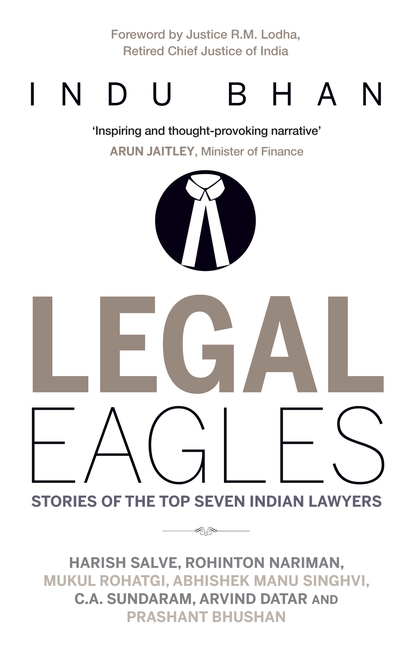
Harish Salve failed his CA exam twice. Mukul Rohatgi was unable to secure a place at the Law Faculty, Delhi University. Rohinton Nariman was trained to become a Parsi priest.
Legal Eagles examines the lives and times of India’s top seven lawyers who fought some of the country’s landmark courtroom battles. Tracing their journey from their childhood days to the present, the book highlights important milestones of their careers, their victories and failures, their influences, and their work ethic and role models, demonstrating that the path to success is paved with determination, grit and challenges. Journalist Indu Bhan gives a ringside view of the most significant case handled by each of these lawyers, including the Vodafone tax case, Coalgate and the 2G spectrum controversy, among others.

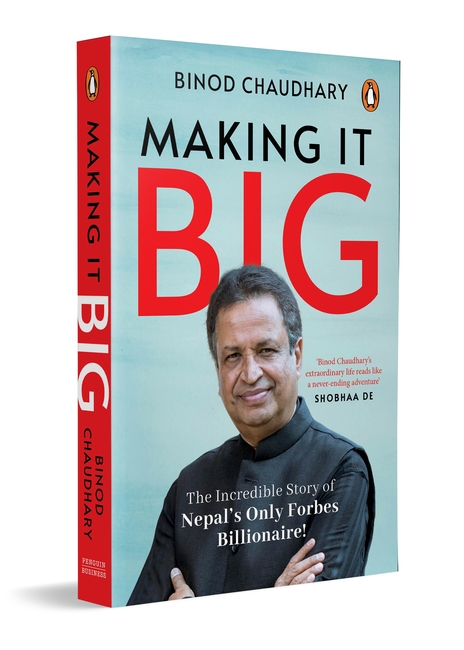
The man behind the immensely popular Wai Wai noodles (Wai Wai has sold more than a billion packets in India alone), Binod Chaudhary is one of Asia’s most prominent businessmen. President of the Chaudhary Group, which deals in banking, insurance, finance and housing, he has invested in hotels and real estate, and collaborates, among others, with India’s Taj Group. In 2013, he became the first Nepali entrepreneur to be listed as a dollar billionaire by Forbes. His passion for growing his business, in the face of stiff challenges, is legendary. This memoir, a massive bestseller in Nepal, tells Binod Chaudhary’s inspiring success story in his own words.

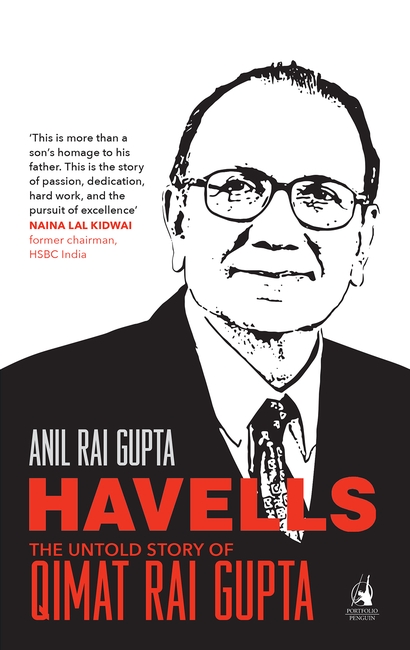
From beginning his career as a small trader in Delhi to building Havells, one of India’s largest electrical goods company, Qimat Rai Gupta’s story makes for an inspiring read. Told rivetingly by his son, Anil Rai Gupta, this is the account of how QRG, as he was fondly known, braved poverty, ill health, competition, corruption and bureaucracy to turn his dreams into reality.
Havells faced stiff competition from companies that couldn’t tolerate a modest trader challenging them. Despite legal battles, family feuds and severe shortage of funds, QRG never gave up.
During his last years, Havells acquired German giant Sylvania which was twice its size. When Sylvania’s losses pushed Havells to the brink, QRG fearlessly decided to keep the company nonetheless. It was under his tutelage that Anil Rai Gupta, present chairman of Havells, turned Sylvania around.
QRG’s life is proof of the adage ‘Whatever the mind can conceive and believe, it can achieve’.

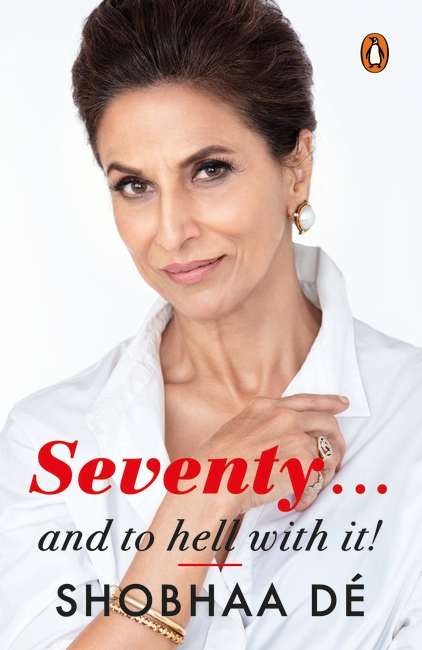
The irrepressible Shobhaa De is back with a book that celebrates her upcoming seventieth year. She calls herself a ‘Child of the Republic’ as looks back on the terrain of her life. Especially at relationships-hers and those she has observed over the years-and at ever-present fears and grief.
Shobhaa De’s writing exudes an empathy that has turned several of her books into life manuals for generations of Indians. Her keen wit spears and spares none, least of all herself. Her delicious irreverence makes this book a delight to read. It is the lessons in loving and living woven into the writing-intensely personal and deeply felt-that form the wise heart of Seventy.

Mother. Woman. Human.
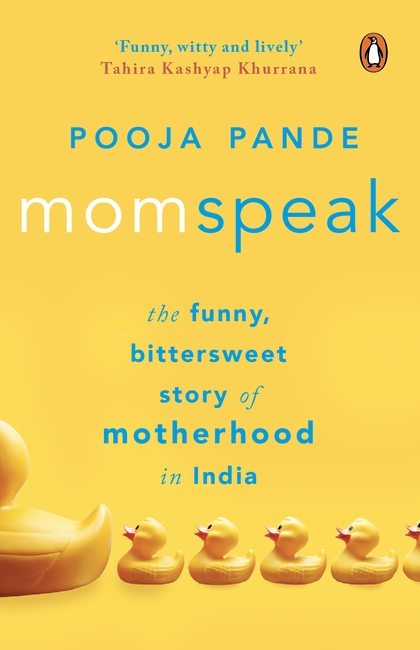
What is it like to be a mother in India? Is there only one kind of woman as mother or can mothers be as different as chalk and cheese?
In this original, provocative book, Pooja Pande peels off the layers of social propriety to delve deep into the visceral reality of motherhood, much glorified but barely understood in India. Exploring the spectrum of experiences mothers have as women, as humans-from ecstasy to depression, jealous possessiveness to indifference, exhaustion to sensual desire-she reveals the personal, social and emotional roller-coaster motherhood can be. Through vignettes of her personal journey, and hilarious and poignant episodes in the lives of different mothers-married, divorced, single, queer, adoptive-Pande celebrates and shines new light on this transformative, life-affirming experience. Whatever kind of mother you are, you will find your truth reflected in these pages.