



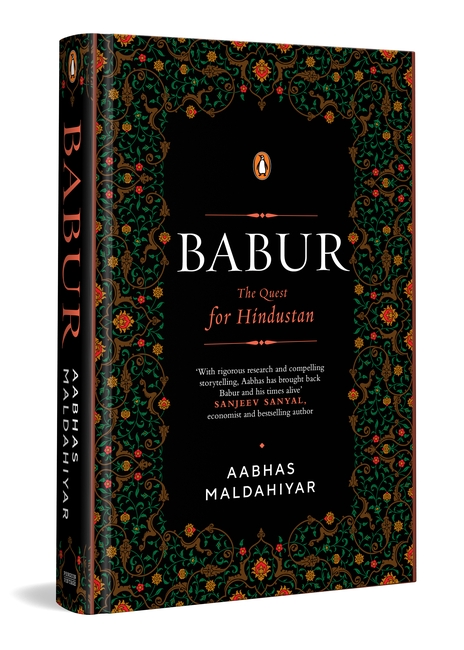
Embark on a captivating journey with Babur: The Quest for Hindustan, where the narrative resumes with Babur’s daring campaign in Bajaur. This meticulously researched biography continues to challenge the conventional portrayal of Babur, offering a nuanced view of his ambitions and complexities. Drawing from the rich Persian manuscript of the Baburnama and other primary sources, this book is a pivotal addition to Babur’s biographical genre, essential for anyone seeking to understand the enigmatic ruler’s legacy. Discover the multifaceted world of Babur, where history and intrigue intertwine.
Catagory: Biographies, Diaries & True Accounts
God’s Own Empire
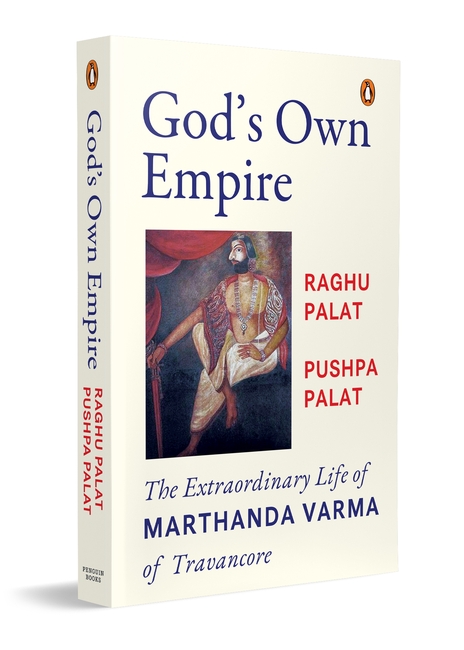
In 1750, at the height of his power, Marthanda Varma made a momentous decision. He decided to hand over the kingdom to Lord Ananthapadmanabha, the reigning deity of the kingdom of Travancore. In future, he decreed that he and his heirs would rule over the kingdom as the ‘dasas’ of the deity. It was the culmination of Varma’s illustrious career as a military leader and statesman.
When Marthanda Varma ascended the throne of Travancore in 1729 as a twenty-three-year-old, it was a kingdom embattled on every front—be it feudatories within the kingdom, rival kings outside or European powers beginning their pursuit of colonies in India.
Varma played a pivotal role in consolidating the royal family’s hold on the kingdom, expanding the kingdom’s boundaries by fighting off external rivals and even fending off the Europeans. He defeated the Dutch in the Battle of Colachel in 1750 and ended Dutch colonial aspirations in India.
God’s Own Empire by Raghu and Pushpa Palat, presents the extraordinary story of Marthanda Varma. Well-researched and accessible, it is the remarkable story of a remarkable man.
Nehru’s India Hindi / Nehru Ka Bharat / नेहरु का भारत
संप्रभुता, लोकतंत्र, धर्मनिरपेक्षता, गरीब समर्थक दृष्टिकोण और आधुनिक वैज्ञानिक दृष्टिकोण – भारतीय स्वतंत्रता आंदोलन के मूल मूल्यों को संक्षेप में ‘भारत का विचार’ कहा गया है। जवाहरलाल नेहरू ने न केवल स्वतंत्रता संग्राम के दौरान इन मूल्यों के लिए लड़ाई लड़ी, बल्कि स्वतंत्रता के बाद नवजात राष्ट्र में उन्हें लागू करने में भी महत्वपूर्ण भूमिका निभाई। उनका जीवन, दर्शन और कार्य भारत के लिए उनके दृष्टिकोण पर प्रकाश डालते हैं : इसका सभ्यतागत अतीत, स्वतंत्रता के बाद के राष्ट्र के लिए रोड मैप और भविष्य की संभावनाएँ। इतिहास और भारत के सांस्कृतिक अतीत के बारे में नेहरू की समझ पर ध्यान केंद्रित करते हुए, पुस्तक सांप्रदायिकता की उनकी गहरी समझ और धर्मनिरपेक्षता के प्रति उनकी प्रतिबद्धता के लिए एक खिड़की खोलती है। लोकतांत्रिक समाज में उनका पूर्ण विश्वास और भारतीय धरती पर इसके पोषण में उनका अमूल्य योगदान, और वैज्ञानिक सोच से ओतप्रोत समाज के साथ-साथ एक स्वतंत्र और समतावादी अर्थव्यवस्था के निर्माण में उनके प्रयास, हमें बीसवीं सदी के महानतम व्यक्तियों में से एक के जीवन और कार्य के बारे में कई अंतर्दृष्टि प्रदान करते हैं। उनके निधन के छह दशक बाद, क्या नेहरू के सिद्धांत, जो भारत के स्वतंत्रता आंदोलन के मूल्यों को दर्शाते हैं, अभी भी प्रासंगिक हैं?
The Dark Secrets of Johnson & Johnson

One day in 2004, Gardiner Harris, a pharmaceutical reporter for the New York Times, was early for a flight and sat down at an airport bar. He struck up a conversation with the woman on the barstool next to him who happened to be a drug sales rep for Johnson & Johnson. Her horrific story about unethical sales practices and the devastating impact they’d had on her family fundamentally changed the nature of how Harris would cover the company—and the entire pharmaceutical industry—for the Times. His subsequent investigations and ongoing research since that very first conversation led to this book—a blistering exposé of a trusted American institution and the largest healthcare conglomerate in the world.
Harris takes us light years away from J & J’s image as the child-friendly ‘baby company’, uncovering reams of evidence showing decades of dangerous corporate practices that have threatened the lives of millions. He explores multiple disasters: cover-ups regarding the linkage between Johnson’s Baby Powder to cancer, the surprising dangers of Tylenol, a campaign to sell antipsychotics that are alleged to have cost countless lives, a popular drug used to support cancer patients that studies have shown to actually increase the risk of cancerous tumours and questionable marketing that accelerated opioid addictions through a product that rivals even those of the Sacklers and Purdue Pharma.
Filled with shocking and infuriating but utterly necessary revelations, The Dark Secrets of Johnson & Johnson is a landmark work of investigative journalism that lays bare the deep-rooted corruption behind the image of babies bathing with a smile.
Shoorveer
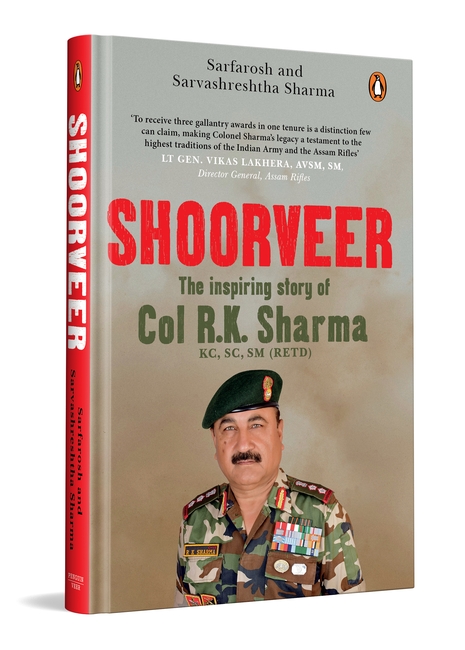
The only person to be decorated with the Kirti Chakra and the Shaurya Chakra in the same investiture ceremony, Col. RK Sharma’s army career is what legends are made of.
Serving in the Kargil War, where he won back Point 5465 for his battalion and for the country; the volatile North East, where his tenure was marked by extraordinary successes in counter-insurgency operations as well as in redefining the relationship of Assam Rifles with the local people; and in the Congo as a peacekeeper under the UN flag, Raj’s career stands out for his humility, his daredevil attitude, and raising the prestige of the army wherever he served.
But it was not all so easy.
Going beyond stereotypical narratives about soldiers fighting their way through everything, Shoorveer is the story of a man who embraced the challenges life threw at him and overcame them with sheer determination and grit. This is a story of valour on the battlefield and courage in everything else life has to offer. An intimate look at what it means to serve as a soldier and lead as an officer, this is the story of every army personnel out there.
My Father’s Brain
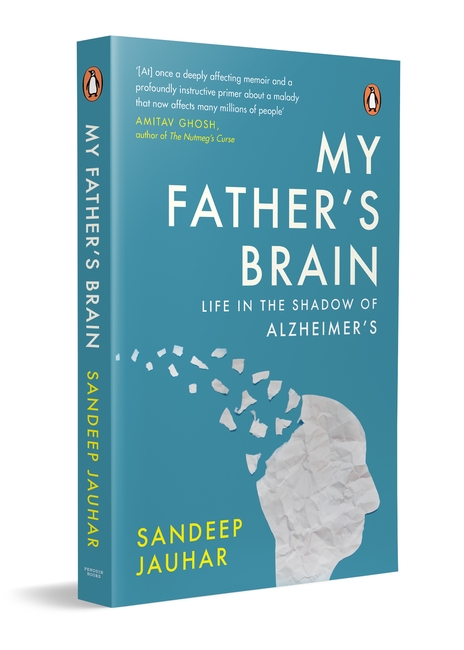
There may be up to 10 million Indians living with Alzheimer’s disease or related dementias, and that number is expected to increase dramatically in the next few decades. What is it like to live with and amid this increasingly prevalent condition-an affliction that some fear more than death? In My Father’s Brain, the distinguished physician and author Sandeep Jauhar sets his father’s descent into Alzheimer’s alongside his own journey toward understanding this disease and how it might best be coped with, if not cured.
In an intimate memoir rich with humour and heartbreak, Jauhar relates how his immigrant father and extended family felt, quarrelled, and found their way through the dissolution of a cherished life. Along the way, he lucidly exposes what happens in the brain as we age and our memory falters and explores everything from the history of ancient Greece to the most cutting-edge neurological-and bioethical-research. Throughout, My Father’s Brain confronts the moral and psychological concerns that arise when family members must become caregivers, when children’s and parents’ roles reverse, and when we must accept unforeseen turns in our closest relationships-and in our understanding of what it is to have a self. The result is a work of essential insight into dementia, and into how scientists, caregivers, and all of us in an aging society are reckoning with the fallout.
Renu/रेणु
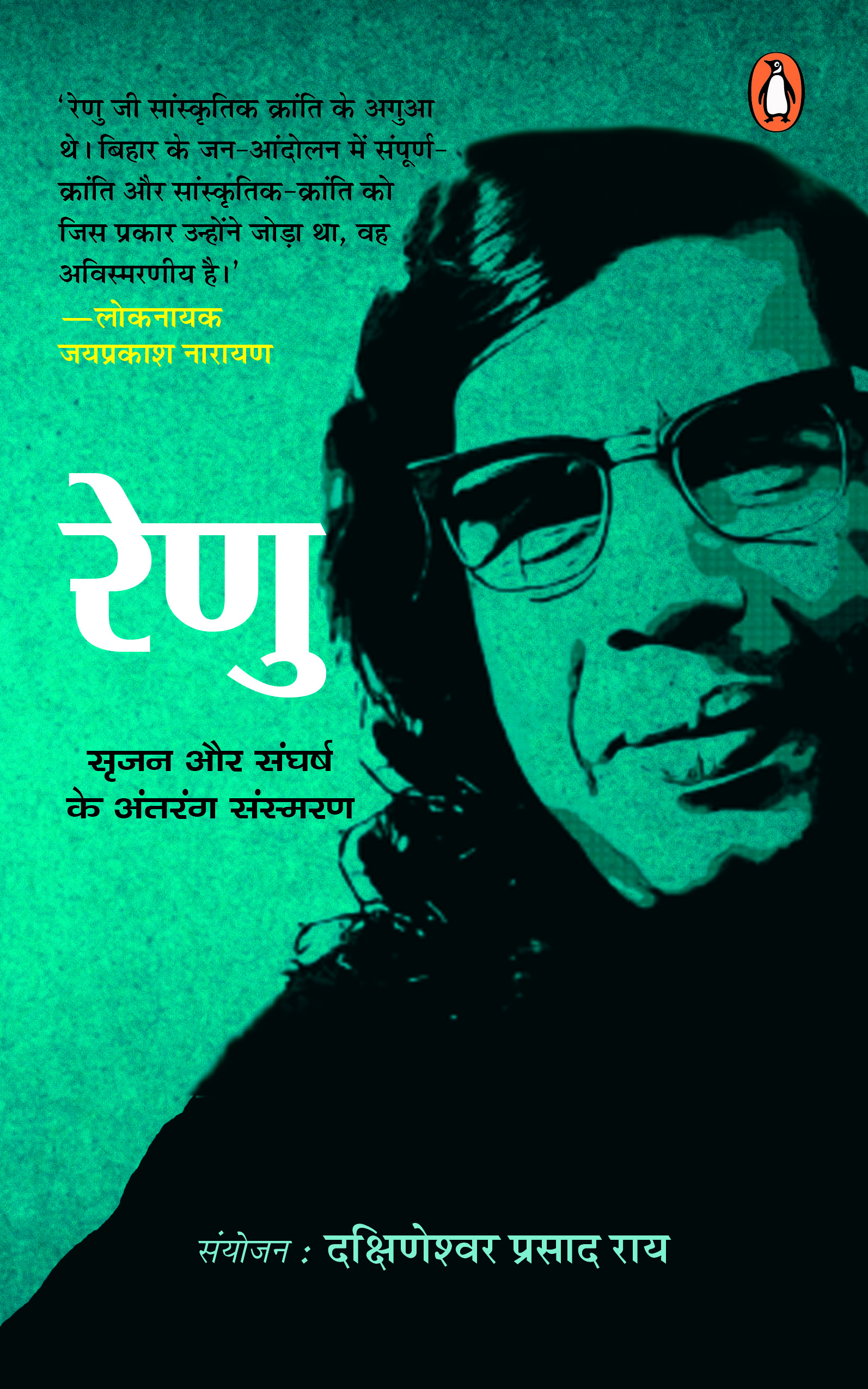
हिंदी जगत के युगांतकारी लेखक फणीश्वरनाथ रेणु का जीवन अपने-आप में एक उपन्यास है। सृजन और संघर्ष उसका कथानक है। चरित-नायक वह स्वयं हैं। यह पुस्तक रेणु से संबद्ध अंतरंग संस्मरणों का प्रमाणिक दस्तावेज़ है। पुस्तक में लेखकों/आलोचकों, राजनीतिज्ञों, प्रसिद्ध फिल्मकारों के साथ स्वयं रेणु का लिखा एक संस्मरण भी सहेजा गया है, जिसमें वे अपने बचपन के बारे में बता रहे हैं। उनकी पत्नी लतिका रेणु ने भी उन्हें याद करते हुए श्रद्धांजलि संस्मरण लिखा है।
Fanishwarnath Renu/फणीश्वरनाथ रेणु
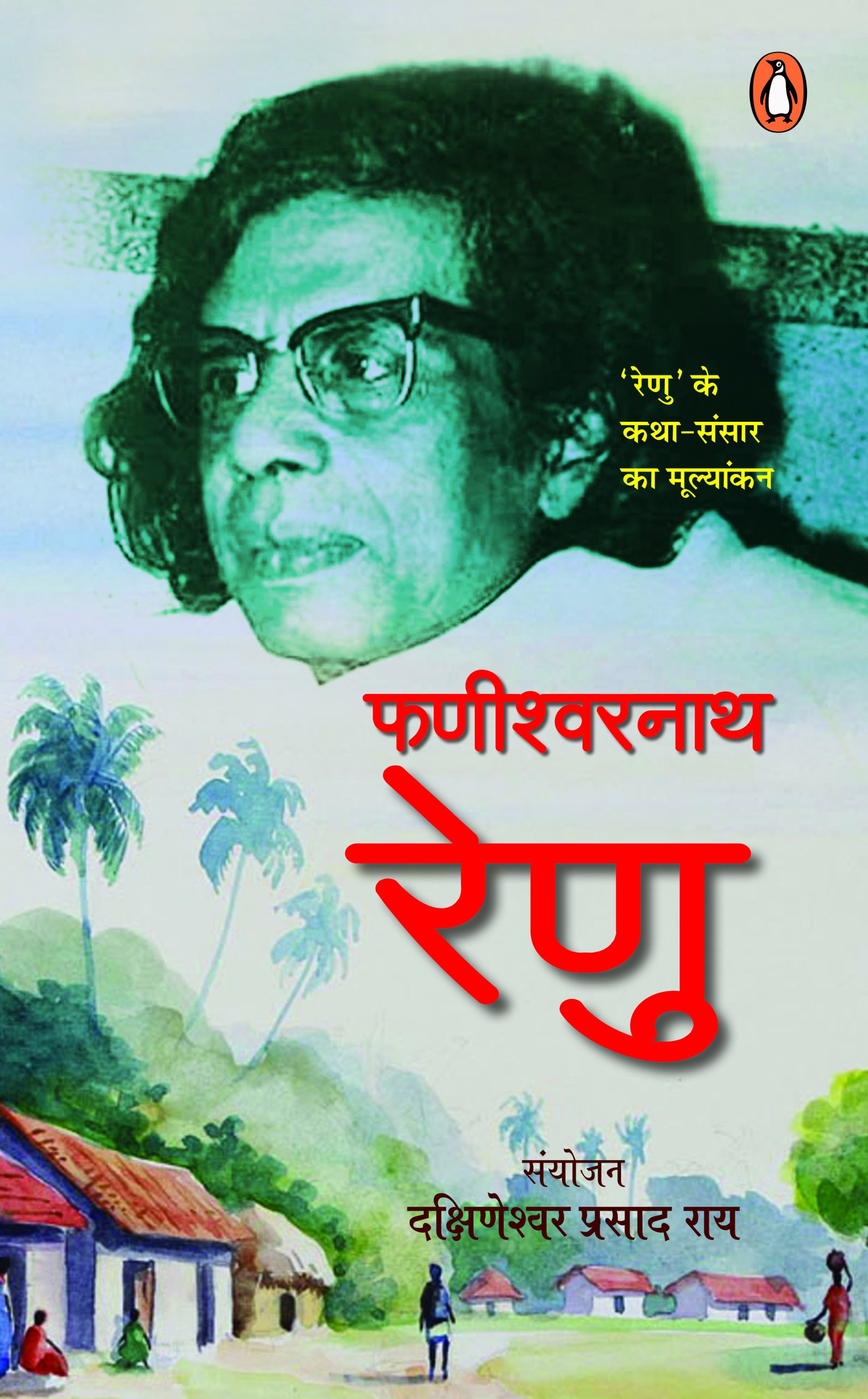
हिंदी साहित्य जगत के तमाम साहित्यकार एकमत हैं कि ‘रेणु’ जी ने हिंदी उपन्यास साहित्य में आंचलिकता की एक नई धारा को जन्म दिया, जिसके कारण वे दुनियाभर में लोकप्रिय हो गए।
डॉ. सियाराम तिवारी, डॉ. विजेंद्र नारायण सिंह, डॉ. श्यामसुन्दर घोष, डॉ. विष्णुदत्त राकेश, निशिकांत ठकार, कर्मेंदु शिशिर, कृष्ण कमलेश, डॉ. सूर्य प्रसाद दीक्षित, बैजनाथ राय, डॉ. सिंधू भिंगारकर ‘सरिता’, सुश्री मंजुरानी सिंह, डॉ. जवाहर सिंह, डॉ. युगेश्वर इत्यादि विद्वानों और कलमकारों ने इस कृति में ‘रेणु’ जी के जीवन और साहित्य साधना का अपनी उद्गारपूर्ण समीक्षाओं के माध्यम से मूल्यांकन किया है। इसलिए यह कृति हिंदी साहित्य के शोधार्थियों, शिक्षकों, छात्रों के साथ-साथ आम पाठकों के लिए भी अनुकरणीय और अत्यंत पठनीय है।
सभी प्रतियोगी परीक्षाओं में ‘रेणु’ के साहित्य से संबद्ध प्रश्न पूछे जाते रहे हैं। 12वीं, बीए, एमए, भारतीय प्रशासनिक सेवा, राजस्थान लोक सेवा आयोग की प्रथम श्रेणी शिक्षक भर्ती परीक्षा, आरईईटी, यूजीसी नेट, और नेट परीक्षा इत्यादि की तैयारी के लिए यह पुस्तक किसी वरदान से कम नहीं।
यूपीएससी मेन्स की हिंदी साहित्य परीक्षा में गत बीस सालों में मैला आंचल एवं ‘रेणु’ के साहित्य को लेकर पूछे गए प्रश्नों को भी इस संकलन में दिया गया है, जिनके जवाब न केवल इस पुस्तक में आसानी से मिल जाते हैं, वरन आगामी वर्षों में होने वाली परीक्षाओं में आने वाले संभावित प्रश्नों और उनके उत्तरों की यह पुस्तक एक अनमोल कुंजी है।
Source Code (Hindi)/सोर्स कोड
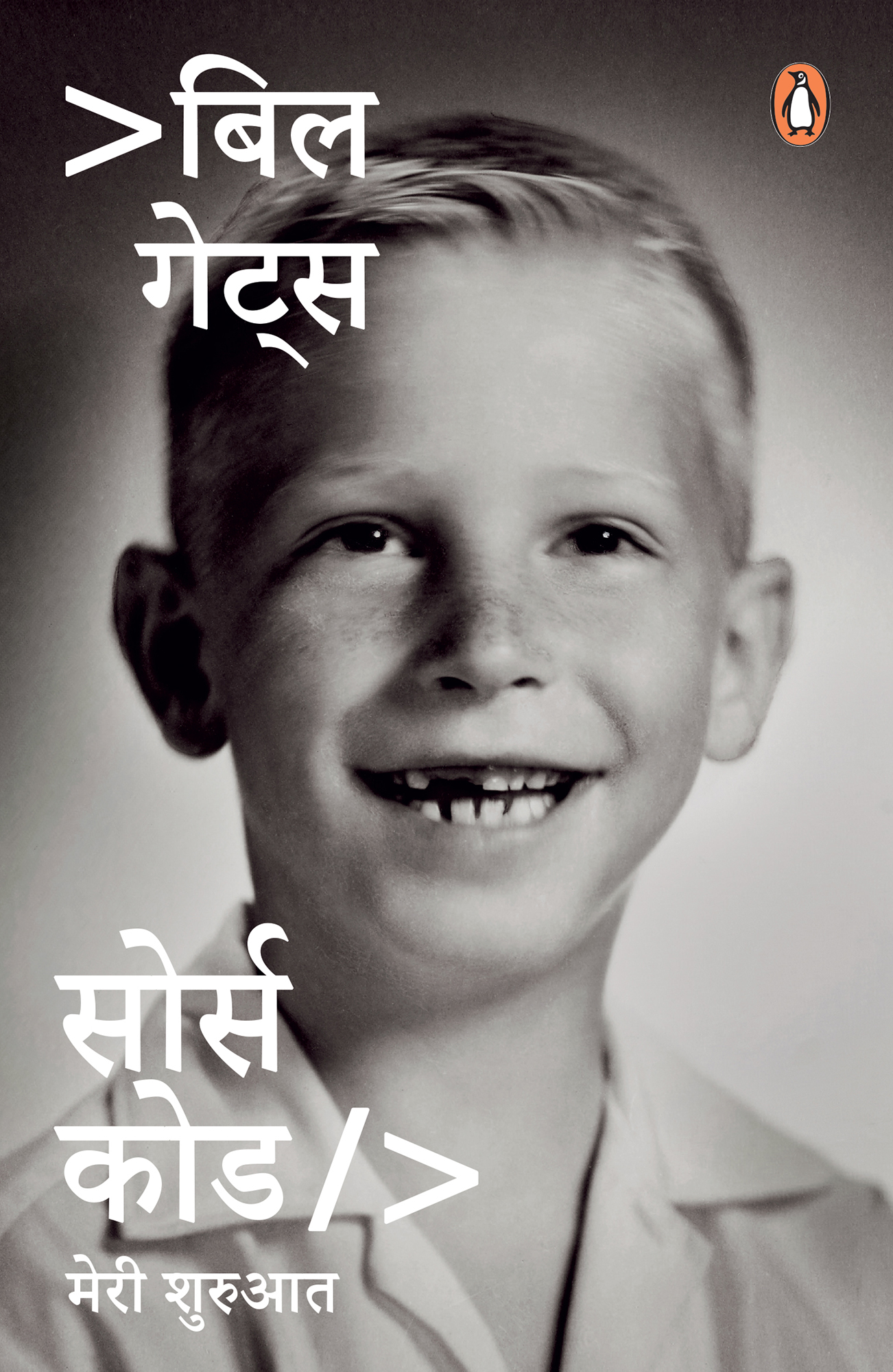
सोर्स कोड पुस्तक एक बीस वर्षीय नौजवान जिसने एक सॉफ्टवेयर कंपनी शुरू करने के लिए हार्वर्ड से पढ़ाई छोड़ दी। यह कंपनी उद्योग जगत की दिग्गज कंपनी बनी। इसके संस्थापक बिल गेट्स ने दुनिया के काम करने और जीने के तरीके को बदल दिया। अरबपति बिल ने कई बार जलवायु परिवर्तन, वैश्विक स्वास्थ्य और शिक्षा के लिए परोपकारी गतिविधियों पर अपना ध्यान केंद्रित किया।
Meri Kahani/मेरी कहानी
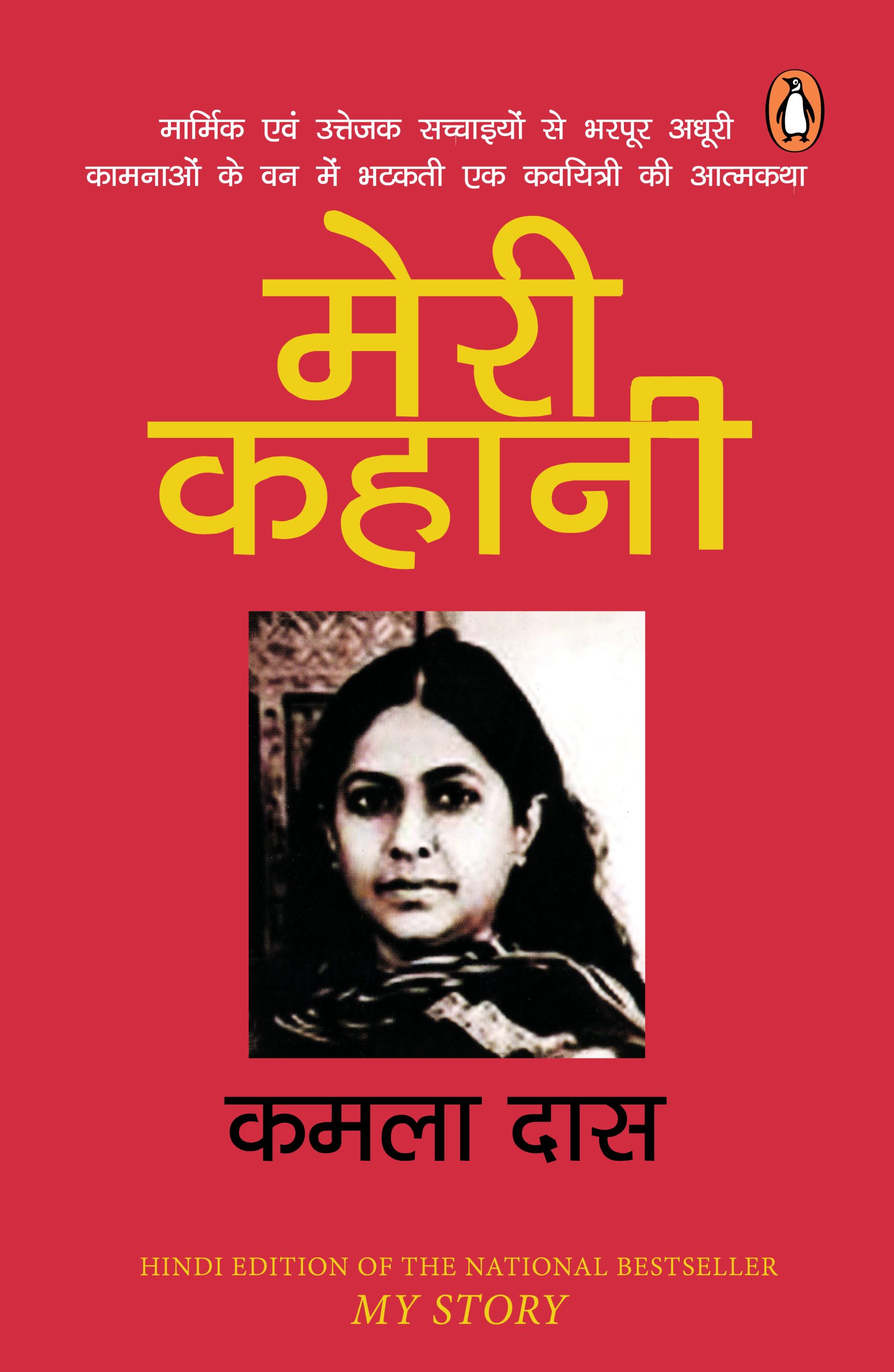
मेरी कहानी कमला दास की विश्वप्रसिद्ध आत्मकथा है। इस पुस्तक की लोकप्रियता का अंदाजा इसी बात से लगाया जा सकता है कि इसका पंद्रह विदेशी भाषाओं में अनुवाद हुआ। इसमें कमला दास ने उन बातों को भी लिखा है, जिसके कारण उनकी छवि पर असर पड़ा, लेकिन वे बातें उनके जीवन की कड़वी सच्चाई थी। एक साधारण गृहस्थ महिला जब अपनी भावनाओं को अपनी पूरी ताकत और साहस के साथ कागज़ पर उतारती है, तो साहित्य की दुनिया में तहलका मच जाता है। कमला दास के साथ ऐसा ही हुआ था।