



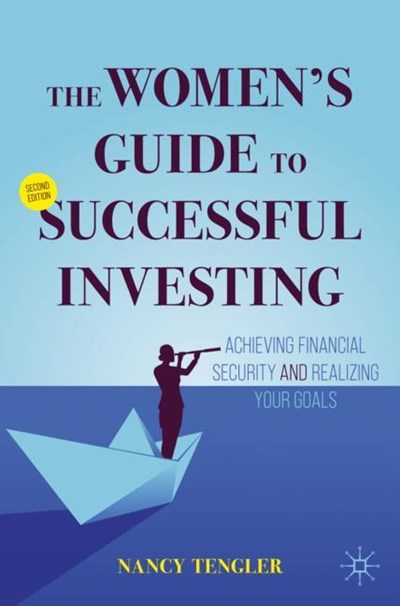
It is no secret that women are increasingly controlling wealth. Estimates suggest that women control more than 50% of all wealth and growing. Importantly, 95% of women will be their family’s primary financial decision maker at some point in their lives. Yet recent studies show that Millennial women are deferring financial and investing decisions at a greater pace than Baby Boomer women. Targeted to all women “with a clear recognition that though the objectives and needs of this vast segment may not necessarily be homogeneous, women share common challenges when it comes to investing, this book provides clear instruction and a series of Intelligent Investing Rules for women to live by, especially in these times with sticky and persistent inflation and rising interest rates. The Women’s Guide to Successful Investing demonstrates how women can develop the knowledge and skills required to accumulate wealth and build an investment portfolio for the long term. Providing proven wealth accumulation strategies, tailored advice, and a comprehensive market analysis, this second edition is a must-read for female investors who want to master volatile markets with long-term success. Written by a female CEO, CIO, and investment manager whose career has spanned 38 years, the book offers a much-needed blueprint for investments for women.
Catagory: Business & Economics
Scaling Impact: Finance and Investment for a Better World

The global challenges confronting us — climate change, poverty, inequality, and many others — can feel overwhelming. Those of us who believe in market-based solutions to these challenges get even more disheartened when we regularly see our existing capitalist system failing us, often causing more harm than good. Many examples show how the capitalist tools of finance and investment can and make real, positive impact. Approaches like blended finance and impact investing can help accelerate progress against the world’s biggest remaining collective challenges. Yet use of these improved capitalist approaches remains far too subscale. Blended finance and impact investing remain 15 to 200 times smaller than traditional approaches to finance and investment. How can we continue to make capitalism work better by scaling these approaches and others? This book looks at how we can start making these necessary changes using strategies, structures, and practices that take advantage of capitalism’s strengths. Its goal is to demonstrate how a reimagined financial system can be more inclusive and accountable to all. By shifting away from extractive, short-term practices in the name of shareholder primacy, we can move toward a system that values the role of all stakeholders.
Unprecedented Leadership: Learning to Lead in Turbulent Times
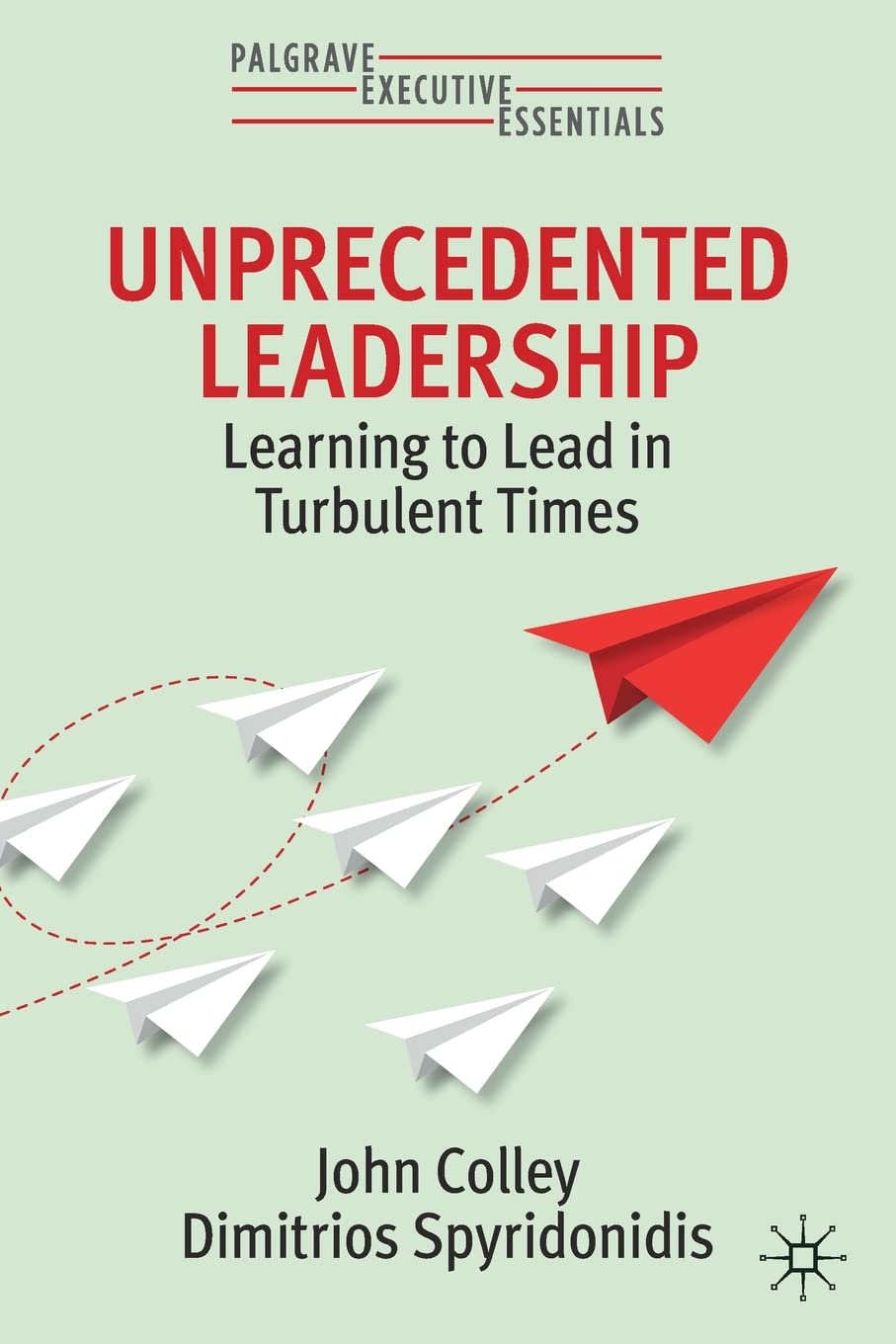
If we’ve learnt anything this decade, it’s that paramount to being a good leader is the ability to lead and manage through a crisis. The best leaders will be able to look directly into the heart of the storm and re-imagine their organizations to ultimately foster new growth. Taking a step-by-step approach, this book guides readers in identifying the severity and potential implications of a crisis situation tackling core topics such as: · Crisis leadership · Decision making · Ethical responsibility · Change management initiatives · Communication · Leadership development · Coaching Grounded in cutting-edge theory and combined with engaging, real world case studies and practical exercises, this is an indispensable guide for MBA and Executive students. In fact, this book is ideal reading for anyone who is looking to develop their leadership skills in the most pragmatic and progressive ways.
Beating Inflation: An Agile, Concrete and Effective Corporate Guide
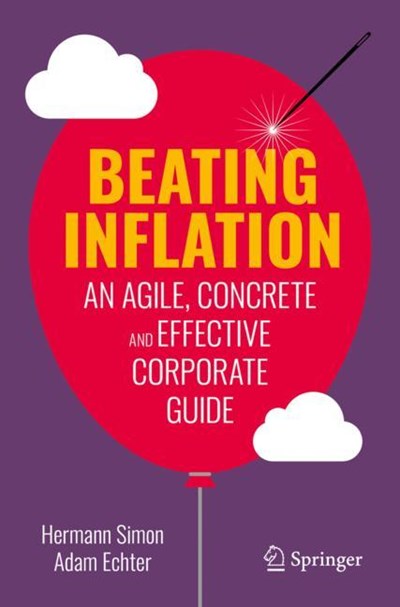
Is unabated inflation the new normal? Inflation is back and here to stay. For companies, this means that the world in which they do business has fundamentally changed. This book examines inflation from multiple perspectives and offers actions and strategies for companies to cope with and manage it to ensure their survival. For businesses and consumers, it is not a question of eliminating inflation, but how to cope with it in order to suffer as little damage as possible. This includes not just price management, but also sales, finance, purchasing, cost management along with digitalization and innovation activities in equal measure. It also requires corporate cultural change, which if managed fast and successfully, the prospects of defeating inflation and thus ensuring the survival of the company are good.
Strategic Planning for Dynamic Supply Chains: Preparing for Uncertainty Using Scenarios

This book presents a strategic decision-making process (i.e., scenario planning) to help managers build supply chain infrastructures that can adapt to uncertain shifts in the business environment. The authors detail the process for developing and applying scenarios for strategic planning in organizations playing three different roles in supply chains. Using three cases in which the process was applied in association with the MIT Center for Transportation and Logistics, this primer also explains how companies can monitor their business environments to decide when to take the necessary steps to adapt their supply chain strategies and assets. The lessons learned are applicable globally: in first-world free-market economies, emerging countries and poorer nations, as well as the states where the government plays a strong role in the economic activity. For companies looking to assess the numerous drivers shaping their supply chains and use that information to makeliving strategic plans, this book will teach you how to build adaptable and agile supply chains. It will explain how to approach long-term investments in your organization.
Disaster in the Boardroom: Six Dysfunctions Everyone Should Understand
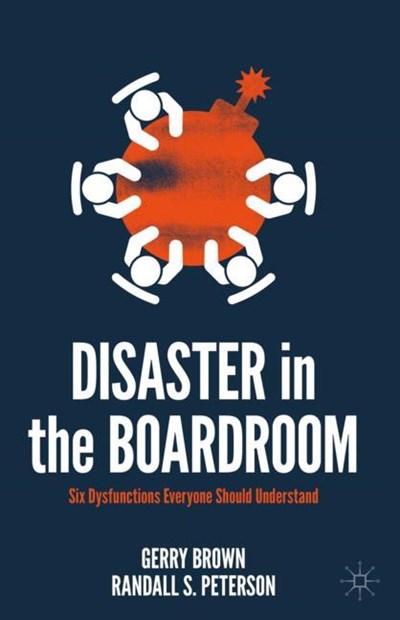
Why when companies come crashing down, do we hear of boards who have failed in their fiduciary duties? Or that they have been ignorant, complacent or downright complicit in these scandals and downfalls? Of course, corporate scandals are nothing new, nor are they limited to any one geography. They are a damning indictment of our systems of corporate governance around the world. And yet, despite this frequency, little or nothing changes. We shrug and move on, accepting they are an unavoidable part of the system that produces incredible wealth for economies and societies. But it should not be that way. Disaster in the Boardroom shows how boards can be better. Looking at why these scandals happen, authors Peterson and Brown present in-depth case studies of major global corporations – including recent contemporary scandals associated with companies such as BP, Facebook and Uber – using the optic of their unique, original and compelling ‘six dysfunctions of the board’ analysis to reveal their particularities but also how they can be overcome. In this book, Brown and Peterson explore common attributes of scandals such as lack of independence from management, missing key voices, cultural amplification, diffusion of responsibility, rule-bound cultures and groupthink. They also identify ways to strengthen boards, improve their culture and competence, and give directors and others the power to take action and ultimately prevent disasters from happening. Disaster in the Boardroom is essential reading for every executive in every boardroom, those aspiring to board positions as well as anyone interested in why boards fail. It has never been more important to pre-identify and eradicate these boardroom dysfunctions – not least so that their impacts upon society can better seen, understood, mitigated, and avoided.
Building Your Money Machine: How to Get Your Money to Work Harder for You Than You Did for It!
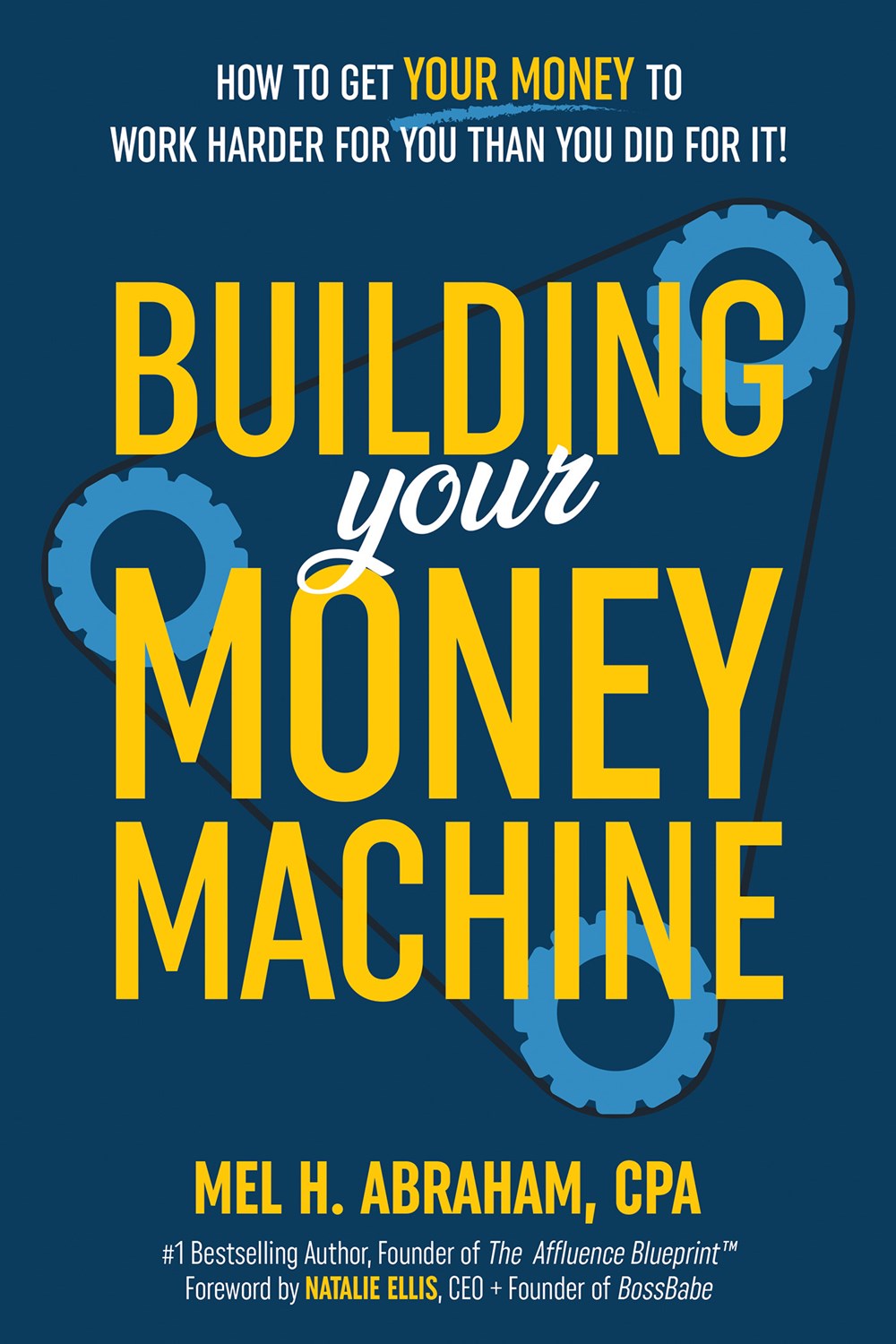
Make financial freedom real with the right mindset, right process, and right action steps
Does it feel like you’re missing out on life because you can’t get your finances in order? Are you seeking a life free of financial fear and full of meaning, purpose, and impact?
The key to building the life you desire and deserve is to build your Money Machine—a powerful system designed to generate income that’s no longer tied to your work or efforts. This step-by-step guide goes beyond the general idea of personal finance and wealth creation and reveals the holistic approach to transforming your relationship with money to allow you to enjoy financial freedom and peace of mind.
Part money philosophy, part money mindset, part strategy, and part tactical action, these powerful frameworks will show you how to:
• Demystify wealth creation through proven processes like The Wealth Priority Ladder™ and The Five Incomes™
• Build the three pillars of your Money Machine—Earn, Grow, and Protect
• Optimize your earnings, transform them into assets, and protect them from loss.
Whether you are a dreamer, doer, or believer—or all three!—your financial freedom is a birthright. Now is the time to embrace your financial potential with confidence and courage.
Accounting Simplified: Sage IIM Kohzikode Series for New Managers
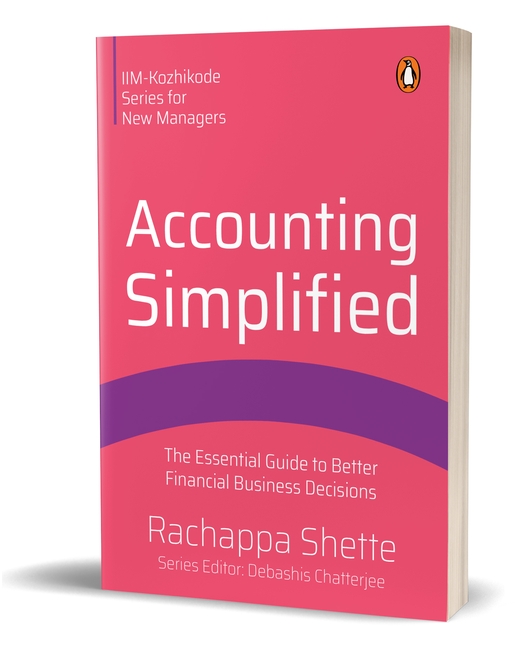
Accounting Simplified guides managers to understand financial health and performance using balance sheet, profit and loss statement, and cash flows statements of a company and its different corporate stakeholders such as clients, suppliers, lenders, investee, etc. The book also helps a manager in understanding cost classification, break-even point, relation between cost-volume-profit, cost measurement and performance evolution of products, projects, strategic business units, segments and customers. Filled with checklists and the account reports of major listed companies in India and explained in a lucid manner, the book will help new managers and accounting executives to integrate accounting insights with business goals and strategy, and to make effective corporate decisions related credit sales, purchases, lending, and investment along with improving the financial their own company.
Human At Work
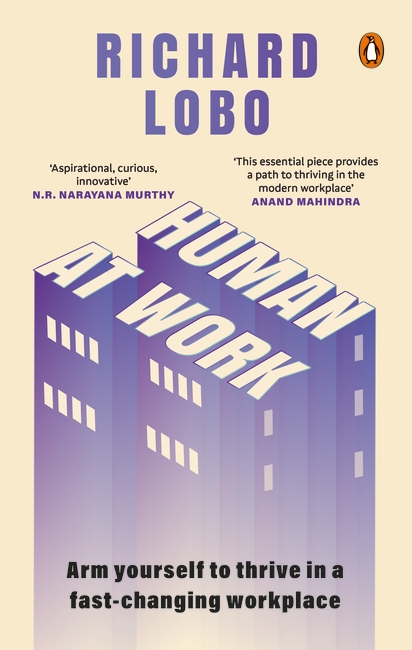
The world of work, the way we work and we, who work, will continue to evolve. From commuting to large industrial units, to operating from structured cabins and now from homes—every change has brought its set of challenges. It has become imperative for humans to be at the forefront of it.
Human at Work delves into these challenges, the rapid technological advances, digital transformation and economic uncertainties that serve as opportunities and threats for the future of work. These developments call for agile leadership, ethical decision-making and commitment to continuous innovation in an ever-shifting landscape.
Each chapter of this book guides business leader into developing a human-centric approach to the changing dynamics of the workplace. It also highlights the need for companies to ensure team collaboration and foster employee well-being while being inclusive and sustainable.
Filled with useful cases and practical exercises by seasoned HR veteran Richard Lobo, this book is an excellent resource for anyone on how to better the future of the human at work.
The Gym of Leadership
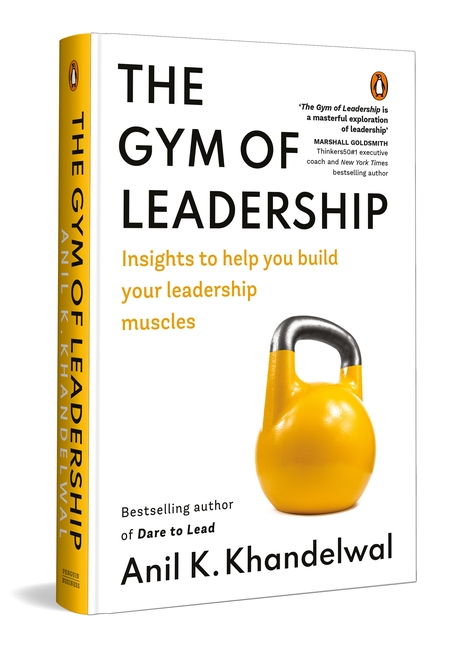
We live in a volatile, uncertain, complex and ambiguous (VUCA) world that calls for a paradigm shift in the style of leadership. The new world needs leaders who are purposeful, agile, flexible, cooperative, humble and helpful. Leadership, therefore, is as much about soft skills as hard skills, and no leader can be successful without using the two in concert. In The Gym of Leadership, Anil Khandelwal, a proven transformational leader, advocates that building all-round leadership capabilities should be a high-priority agenda for those aspiring for growth. Taking a refreshing approach, he uses fitness work out as an analogy to motivate aspiring leaders to develop new-age leadership skills. According to the author, building leadership capabilities is akin to building physical and mental fitness since both require passion, dedication and discipline. A practical guide to leadership, this book focuses on the actual development and practice of specific skills. It primarily proposes eighteen foundational skills of leadership grouped into four sections, namely, ‘understanding the self’, ‘emotional regulation’, ‘relationship management’ and ‘communication’. Authoritative and foregrounded in rigorous research, it promises to fill in the existing gap in the literature on leadership.