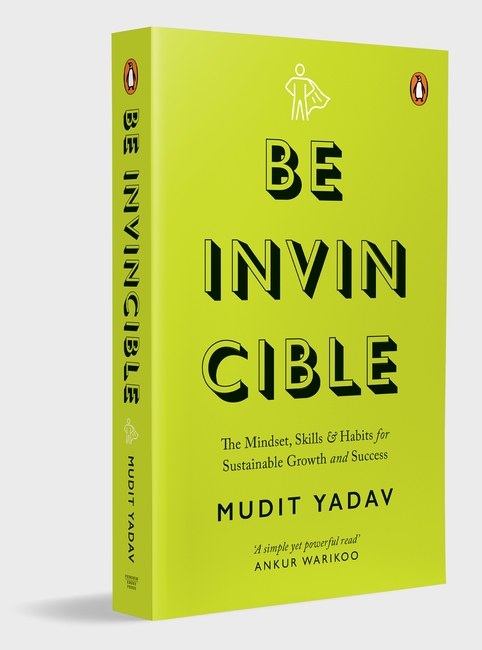
The amount of information we receive every day has quadrupled in the past few years because of technology and social media. This has exponentially increased the probability of coming across negative inputs. We need to learn to filter these negative inputs away, so that nothing and nobody can adversely affect our productivity and happiness. We need to advance ourselves to a level where we are beyond getting damaged by negative inputs or can at least minimize the damage. Can you get hurt, feel pressure, be under stress, interact with unpleasant people and unfavourable circumstances but still be happy, focused on your goal, productive and relentless? This is what it means to be invincible.
Based on the author’s research of the past decade and his work with all kinds of people, from Bollywood celebrities and political leaders to senior professionals and students, this book has been organized into three areas—mindset, skills and habits—that must be developed if you want to become invincible.

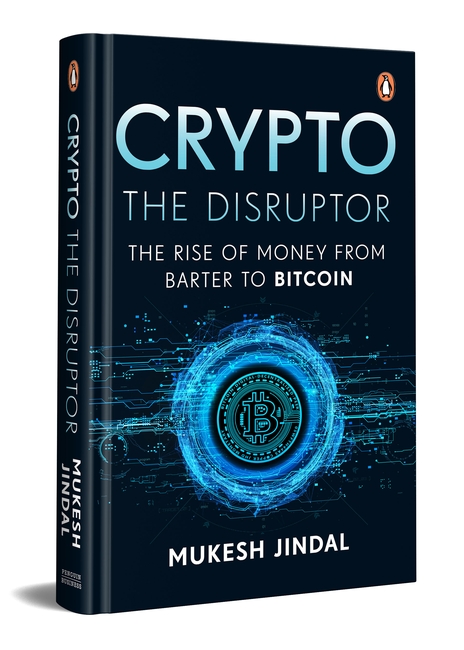
The Indian crypto market has experienced an exponential surge in the past few years and become a vehicle to get rich quickly. However, what exactly is crypto? How did we reach the crypto stage—a decentralized system of finance—from the barter system?
Crypto the Disruptor answers these and other such penetrating questions as it traces the history of money and the global economy. Providing a deep historical perspective, the author, through stories, captures the journey of the world’s financial system from the stone-age to the present. It analyses the movement of the world economic system from a centralized entity to a decentralized one and emphasizes the role of technology in the transformation of the global financial system. More importantly, this book explores the emergence of new forms of money such as cryptocurrencies and their relevance in a new world driven by digital technology. The final chapter educates readers about crypto investing in India and how investors should approach this new asset class, which is volatile yet offers great potential to create stupendous wealth.

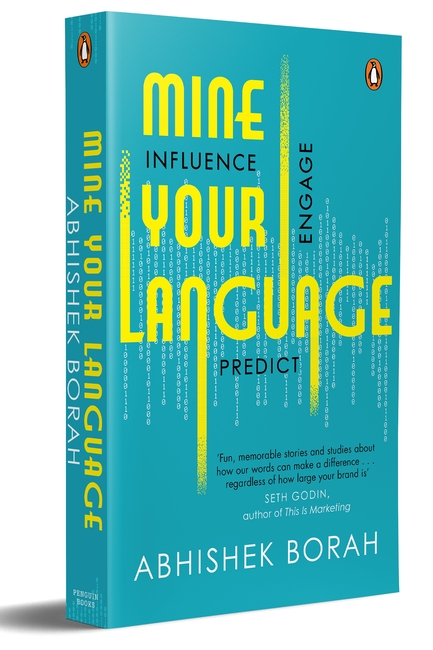
Statutory warning: Language is a minefield. Words that firms and consumers use can be dealbreakers!
Today, firms have many language-based decisions to make—from the brand name to the language of their annual reports to what they should or shouldn’t say on social media. Moreover, consumers leave a goldmine of information via their words expressing their likes, dislikes, perceptions and attitudes. What the firm communicates and what consumers say have an impact on consumer attitudes, satisfaction, loyalty, and ultimately, on a firm’s sales, market share and profits.
In this book, Abhishek Borah meticulously and marvellously showcases the influence of language on business. Through examples ranging from Toyota to Tesla and Metallica to Mahatma Gandhi, you will read about how to improvise on social media, how changing the use of simple pronouns like ‘we’ and ‘you’ can affect a firm’s bottom line, how to spot a fake review online and much more.
So whether you are just inquisitive about the role of language in affecting consumer and company behaviour or a student wondering about the utility of language analysis in understanding them, Mine Your Language will teach you to use language to influence, engage and predict!

Expanding upon one of his high-level foundational teachings: Strategic Coach co-founder Dan Sullivan explains why achieving 10X growth is easier than going for 2X growth.
Dan Sullivan, the world’s leading coach for highly successful entrepreneurs, wants you to know that achieving 10X growth is exponentially easier than striving for 2X growth. Most find this idea confusing at first because simply imagining 10X growth causes them to think they need to do 10X more work to achieve it. However, being a 10X entrepreneur is nothing like what most people think.
10X is not the outcome; it’s a counterintuitive process you can apply every time you want exponential growth in your life and business. To make 10X possible, you must focus on expanding what Dan defines as your four most important freedoms—time, money, relationship, and purpose. As your time becomes 10X more valuable, you increasingly multiply the money you earn both in terms of amount and profitable satisfaction. As money becomes a tool you can increasingly access with greater ease, you will engage with a growing number of other freedom-motivated individuals. As both your professional and personal life fills up with 10X more unique and collaborative relationships, you will realize that your most powerful purposes in all areas become 10X more lasting and positive for everyone involved. You will be impressed by what your life has become, and the meaning and impact you’re having.
10X is fundamentally about quality vs quantity, and the quality of your freedoms determines the results you achieve.

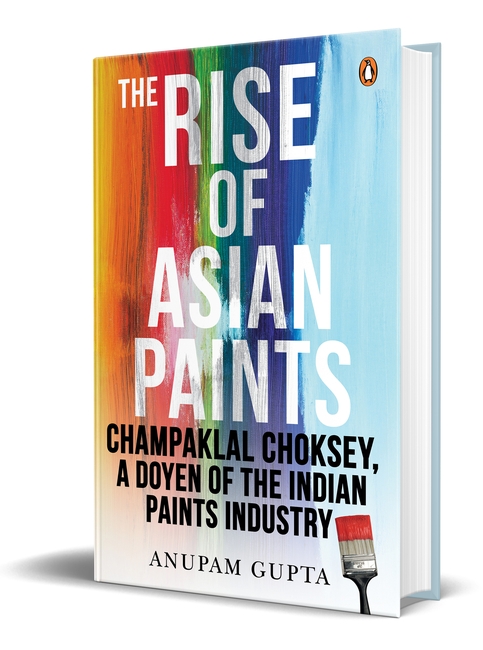
Asian Paints is India’s largest paints company and its early history is hardly known; even less is known about how Champaklal Choksey and his friends made Asian Paints the largest paints company in India as far back as 1967. There are many lessons that are relevant even today – from investing in high quality talent to separating management and ownership. Most importantly, there are very few books that show how honest businessmen can – and should – build large-scale institutions that endure beyond their lifetime, just as Champaklal Choksey has done. This book tells the story of an iconic institution and its less-known but visionary founder.

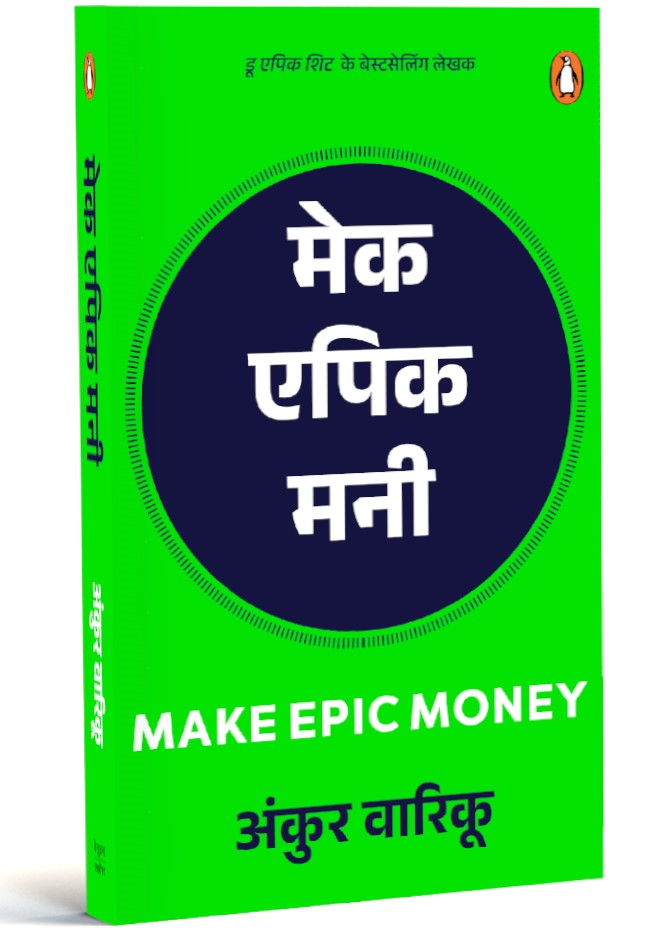
अपनी अभूतपूर्व किताब डू एपिक शिट में अंकुर वारिकू ने यह धमाकेदार सचाई लिखी थी : ‘समय, पैसा और हम ख़ुद–इन तीन चीज़ों के साथ हमारा रिश्ता जैसा होता है, हमारी ज़िंदगी भी वैसी ही होती हैअब, अपनी तीसरी किताब मेक एपिक मनी में उन्होंने पैसे को अपना विषय बनाया है।
लगभग पूरी ज़िंदगी पैसों के साथ वारिकू का रिश्ता बेहद गड़बड़ रहा। ऐसा इसलिए कि उन्हें कभी पैसों के बारे में कुछ सिखाया ही नहीं गया। उन्हें सिर्फ़ एक ही बात सिखाई गई थी कि अपनी आजीविका कैसे कमाई जासो, उन्होंने अपने ‘नौजवान मैं’—और वैसे अन्य नौजवानों—के लिए एक किताब लिखनी शुरू की, जिसमें उन्होंने हर वह चीज़ शेयर की है, जो वह चाहते थे कि काश, उनकी युवावस्था में उन्हें सिखाई जाती!व्यावहारिक।
कोई तकनीकी शब्दजाल नहीं।
पढ़ने में आसान।जितना काम आप पैसों के लिए करते हैं, जानिए कि आपका पैसा आपके लिए उतना काम कैसे कर सकता है।
ए।
।’
Personal finance made easy for you!
Personal finance is a subject that touches every aspect of our lives, yet it is one that many of us struggle to understand and manage effectively. It is a complex and ever-evolving field that requires constant attention and adaptation. The principles of personal finance are not just about managing money but about creating a better future for yourself and your loved ones. Exploring 100 personal finance principles that will help you make the most of your money, this book brings to light the key principles of personal finance using, what the authors call, the ACTION framework: Assess, Create a plan, Track progress, Invest, Optimize and Navigate.

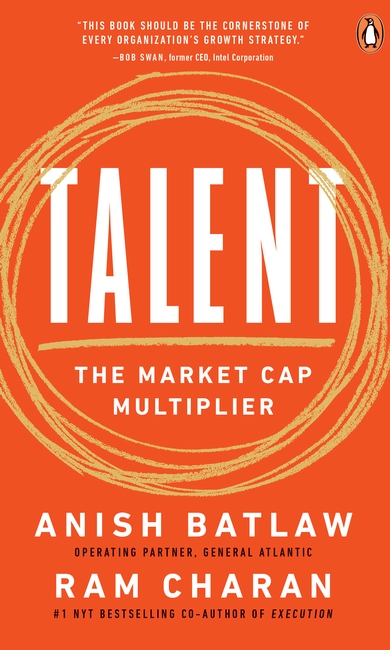
How do some Companies Multiply their Market Cap several times over?
Learning to build a high performing talent engine – today’s strategic imperative!
In this book, General Atlantic’s Operating Partner Anish Batlaw and veteran business advisor and New York Times bestselling author Ram Charan, show you how to build and incentivize management teams that can multiply enterprise value several times over in 4-5 years.
No matter how high your company’s growth goal is, you’ll get from here to there by learning from this book’s riveting narrative of the high-stakes personnel decisions and bold actions taken by CEOs, investors, and boards who grew six real—and world-class—companies, ranging from ecommerce startups to major corporations like Johnson & Johnson. Told from both authors’ firsthand vantage point inside each company, and from Batlaw’s active role in shaping their outcomes, TALENT offers a rare inside look at how shareholder value is created when CEOs move with speed and accuracy to get the right leadership teams in place.
How can you be sure that your company can grow its value as much as these six companies did? By learning from the versatile and replicable methodology presented in this book, which has worked effectively across geographies, cultures, and sectors. TALENT is the answer. Now is the time.

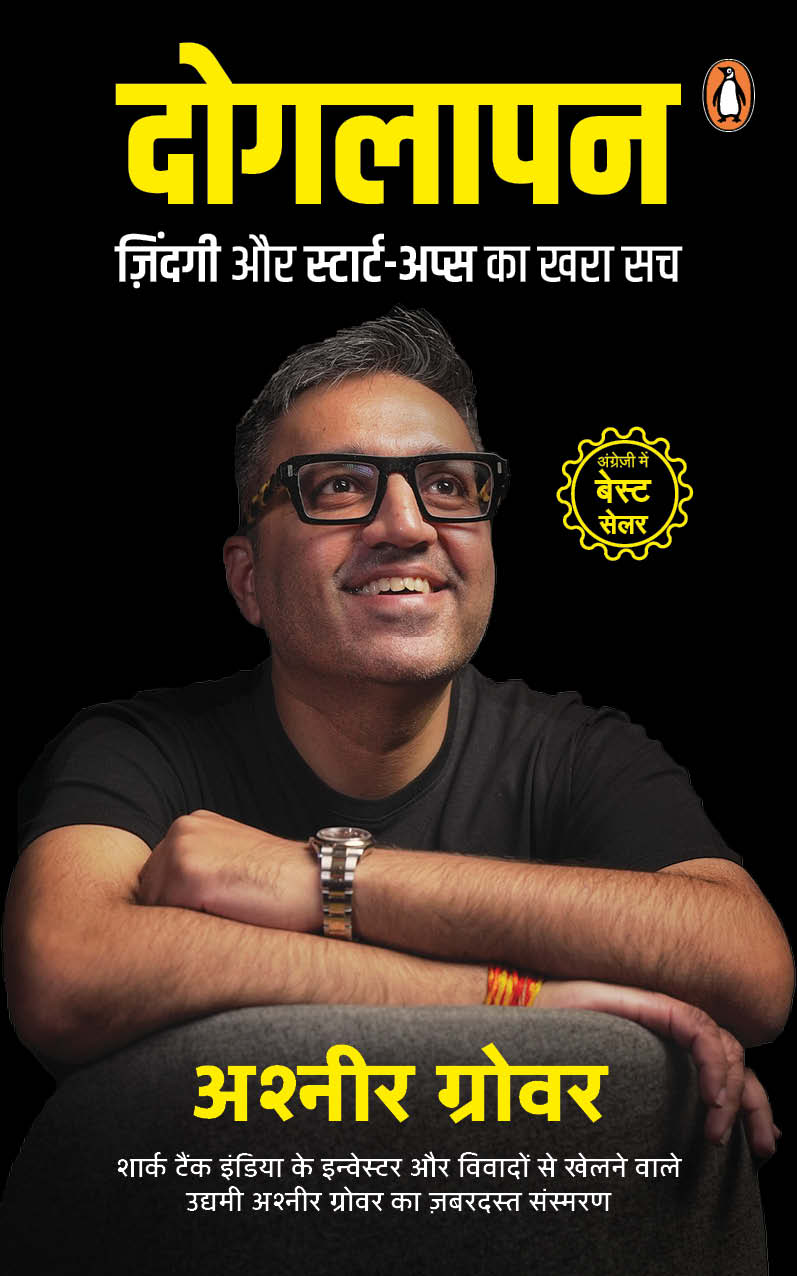
यह दिल्ली के मालवीय नगर के एक रिफ्यूजी नौजवान की कहानी है जो कड़ी मेहनत के बाद कामयाबी के झंडे गाड़ता है। वह आईआईटी दिल्ली में रैंक होल्डर बनता है, आईआईएम अहमदाबाद से एमबीए करता है, कोटक और एमेक्स में इन्वेस्टमेंट बैंकर बनता है और भारत के दो-दो मशहूर यूनिकॉर्न को खड़ा करना का श्रेय हासिल करता है।
यह ग्रोफर के सीएफओ और भारतपे के को-फाउंडर अश्नीर ग्रोवर का एक लाजवाब संस्मरण है जो मशहूर टीवी शो शर्क टैंक इंडिया में जज बनकर घर-घर जाना पहचाना नाम बन चुके हैं, हालाँकि उनकी जिंदगी में कई उतार-चढ़ाव आते हैं। विवाद, प्रेस और सोशल मीडिया की बहसें उनका पीछा करती हैं और तथ्य और कल्पनाओं के बीच फर्क करना मुश्किल हो जाता है।

There are two remarkable phenomena that are unfolding almost simultaneously. The first is the emergence of a data-first world, where data has become a central driving force, shaping industries and fueling innovation. The second is the dawn of the AI age, propelled by the advent of Generative AI, that has created the possibility to leverage the data of the world for the first time. The convergence of these two, with data as the common denominator, holds immense promise and the opportunities are boundless.
This book provides us with opportunities to push our thinking, to innovate, to transform and to create a better future at all levels—individual, enterprise and the world.