Manmohan Singh’s 1991 Union Budget speech made history by altering the course of the Indian
economy, especially its financial sector. His measures took a broom to multiple cobwebs in this sector. What Manmohan Singh started over three decades ago is still a work in progress today, but it does raise some questions: Why did he focus on financial sector reforms? What has motivated continuing these reforms?
This book tries to answer questions like these while focusing on the evolution of financial sector reforms which, oddly, remain incomplete even after thirty years. The fabric of this sector has been fraying and initiatives over the past three decades have resembled hasty, temporary needlework; the patchwork, incomplete reforms make the sector further vulnerable to failure. Hence: Slip, Stitch and Stumble.
This book does not claim to present an exhaustive history of financial sector reforms. Instead, it examines the provocations behind some of India’s big-ticket reforms while trying to understand the motivation of players who have been putting roadblocks on the path to progress. All this even as a closed economy
was transforming into one of the world’s
fastest-growing economies.

Discover practical tools and tips to attract prosperity, success, and happiness into your life and find your breakthrough moment in money management with the Law of Attraction.
Do you wish you could transform your finances and break negative patterns? We all want abundance and security in life, but it can sometimes feel impossible. Discover the first step to financial freedom with this step-by-step guide from transformational coach Marie-Claire Carlyle. Over 21 days, you will discover:
• How to start attracting more money into your life immediately with principles from the Law of Attraction
• Exercises to help you change your negative money beliefs into positive statements
• How to create your own ‘I Attract Money’ list and affirmations for becoming a Money Magnet
• How to break the pattern of negative thinking to make room for wealth
This is your key to finding abundance. Use the practical advice, guidance, and inspirational tips to start attracting money today!
“The money is already there. The only thing preventing you from being rich is YOU.”
Studies have shown it takes only 21 days for a new habit to take root. If there’s a skill you’ve always wanted to take advantage of, the answer is only 21 days away with Hay House’s 21 Days Series.

Dynamic corporate speaker and coach, Cassandra Worthy, introduces a growth mindset practice that helps readers to view change and the emotions surrounding it as a gift.
Cassandra Worthy is a highly sought-after consultant, speaker, and Change Enthusiast, who is sharing her revolutionary approach for not only embracing change but using it to propel you to heights you never imagined. Only 10 percent of successful change adoption is about know-how; the other 90 percent is centered squarely on the motivation and willingness to accept the change. Cassandra explains that if you don’t address the emotions surrounding change then your transformation journey will be stopped in its tracks.
In this book, Cassandra will teach you to:
• Redefine your relationship to change
• Embrace “negative” emotions and use them for epic growth and transformation
• Make conscious, productive choices in the face of disruption of any sort
• Develop your resilience muscle
• View change as something that happens for you vs. to you
Cassandra’s practical yet inspiring strategies can inspire anyone to authentically embrace change and find their own unique power of resilience during turbulent times. Using insights gleaned from her life, those of her clients, and the tools and exercises she has refined over the years, Cassandra Worthy has written the playbook for anyone leading, influencing, going through, or embarking upon change.

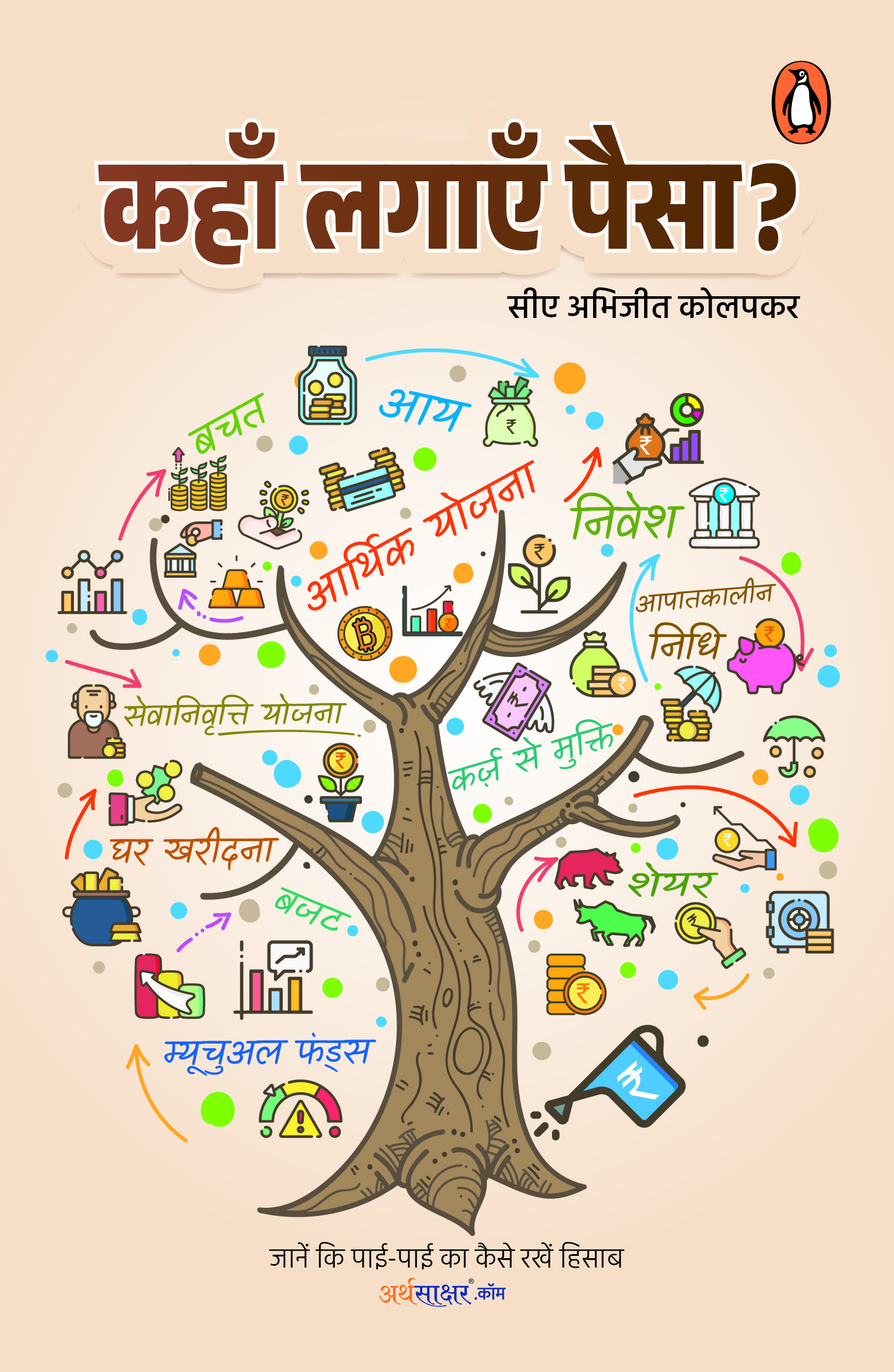
‘अगर आप अपने निवेश का आधार मज़बूत और अपने लिए उज्जवल भविष्य सुरक्षित करना चाहते हैं, तो आपको यह पुस्तक अवश्य पढ़नी चाहिए!’—नीलेश शाह, प्रबन्ध निदेशक, कोटक महिंद्रा एसेट मैनेजमेंट कम्पनी लिमिटेडअगर आप समझ नहीं पाते कि आपकी गाढ़ी कमाई महीने के आख़िर तक कहाँ उड़ जाती है तो आपको आर्थिक रूप से सजग होने की आवश्यकता है जिसमें यह पुस्तक आपकी सहायता करती है।आपकी आमदनी कितनी होनी चाहिए, इसकी जगह यह पुस्तक इस बात पर ज़ोर देती है कि आप अपनी आमदनी का क्या करें, अपने आर्थिक लक्ष्यों को समझदारी से कैसे पाएँ, अपने बीमा और ऋणों का कुशल प्रबन्धन कैसे करें, या सही जगह पर सतर्कता से निवेश कैसे करें ताकि बचत का पैसा आपके लिए लाभ भी जुटाए।आर्थिक क्षेत्र में वर्षों के अनुभवी लेखक सीए अभिजीत कोलपकर पुस्तक में बड़े सरल तरीके से पाठकों को कारगर सलाहें देते हैं कि पैसों की बचत और अपना आर्थिक विकास किस तरह करें। वो आकर्षक रेखाचित्रों एवं सारणियों से सिखाते हैं कि उनके जीवन में पैसे की केन्द्रीय भूमिका और उससे जुड़ी मूल बातें क्या हैं।

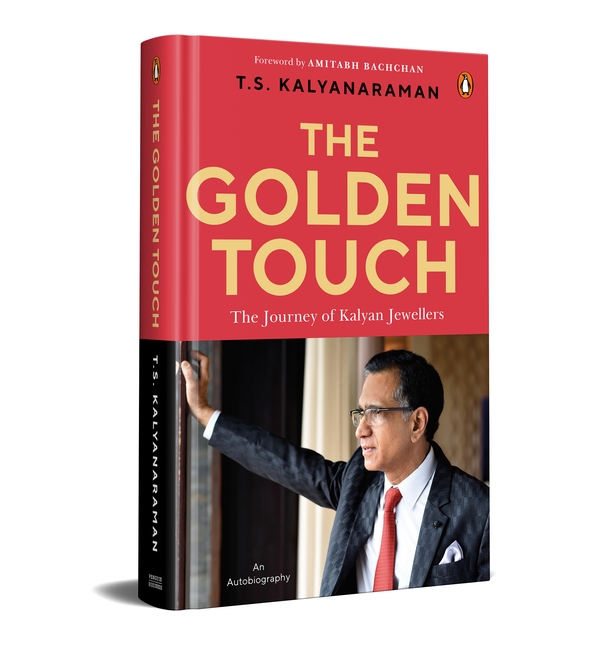
The Golden Touch lays out the extraordinary story of Kalyan Jewellers and the life of its founder, T.S. Kalyanaraman. It is the very personal account of a visionary with humble beginnings from Thrissur who set up one of the largest jewellery stores in the country—a Rs 17,000 crore behemoth employing over 8000 people.
This captivating autobiography offers an intimate glimpse into the transformative moments that shaped the life of a remarkable individual who dared to dream big and turn those dreams into reality. Through the pages of this compelling autobiography, you’ll follow the author’s evolution from a curious and ambitious young mind to a seasoned business leader who has left an indelible mark on the world of entrepreneurship.
The Golden Touch provides a novel perspective on building a business empire and inspiring generations of entrepreneurs and dreamers.

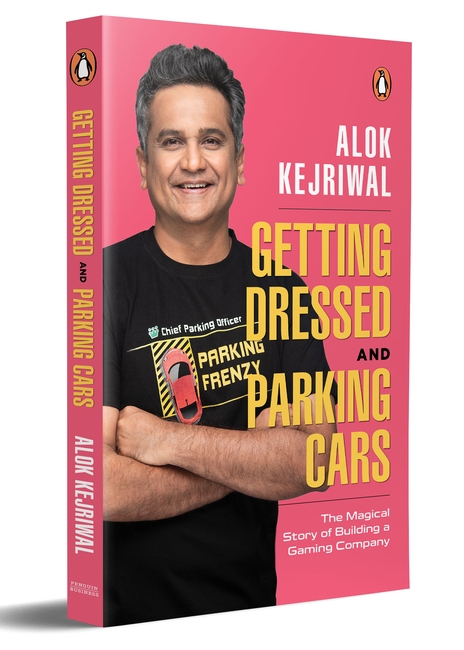
Getting Dressed and Parking Cars captures the minute-to-minute, event-by-event, nail-biting business adventure of Alok Kejriwal’s fourth entrepreneurial venture—Games2win. The Walt Disney Company acquired
Alok’s previous company.
Games2win has been creating car parking and dress-up games online with the aim of becoming India’s most successful casual gaming start-up in the global market.
Each chapter in this book captures Alok’s real-life experience of building, scaling and routinely failing in his
venture. The book throbs with adrenaline as Alok thrills readers with stories of his website traffic vanishing in thin air, his games getting stolen, his arrest and his partner’s amazing creation of ‘invisible’ ads.
Getting Dressed and Parking Cars is not a book glorifying a successful start-up but a journey of business
adventures that celebrates the spirit of ‘starting something’. Think of it as a playbook for professionals
and entrepreneurs to create something new . . .
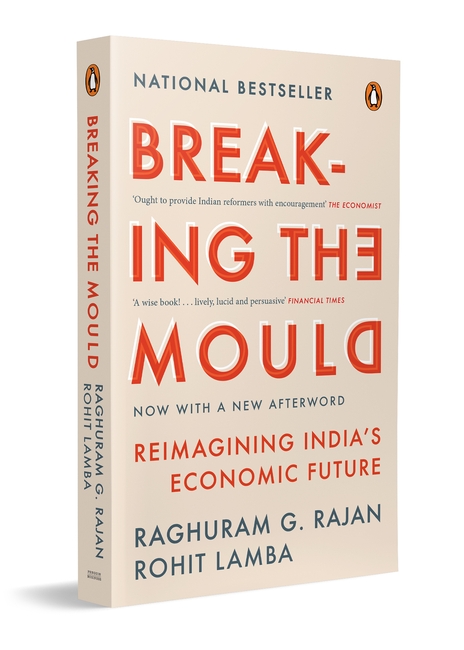
Where is India going today? Is it surging forward, having just overtaken the United Kingdom to become the fifth-largest economy in the world? Or is it flailing, unable to provide jobs for the millions joining the labour force? What should India do to secure a better future?
India is at a crossroads today. Its growth rate, while respectable relative to other large countries, is too low for the jobs our youth need. Intense competition in low-skilled manufacturing, increasing protectionism globally and growing automation make the situation still more difficult. Divisive majoritarianism does not help. India
broke away from the standard development path—from agriculture to low-skilled manufacturing, then high-skilled manufacturing and, finally, services—a long time back by leapfrogging the intermediate steps. Rather than attempting to revert to development paths that may not be feasible any more, we must embark on a truly Indian path.
In this book, the authors explain how we can accelerate economic development by investing in our people’s human capital, expanding opportunities in high-skilled services and manufacturing centred on innovative new products, and making India a ferment of ideas and creativity. India’s democratic traditions will support this path, helped further by governance reforms, including strengthening our democratic institutions and greater decentralization.
The authors offer praise where the Indian establishment has been successful but are clear-eyed in pointing out its weaknesses. They urge India to break free from the shackles of the past and look to the possibilities of the future. Written with unusual candour, and packed with vivid examples and persuasive arguments, this is a book for anyone who has a stake in India’s future.

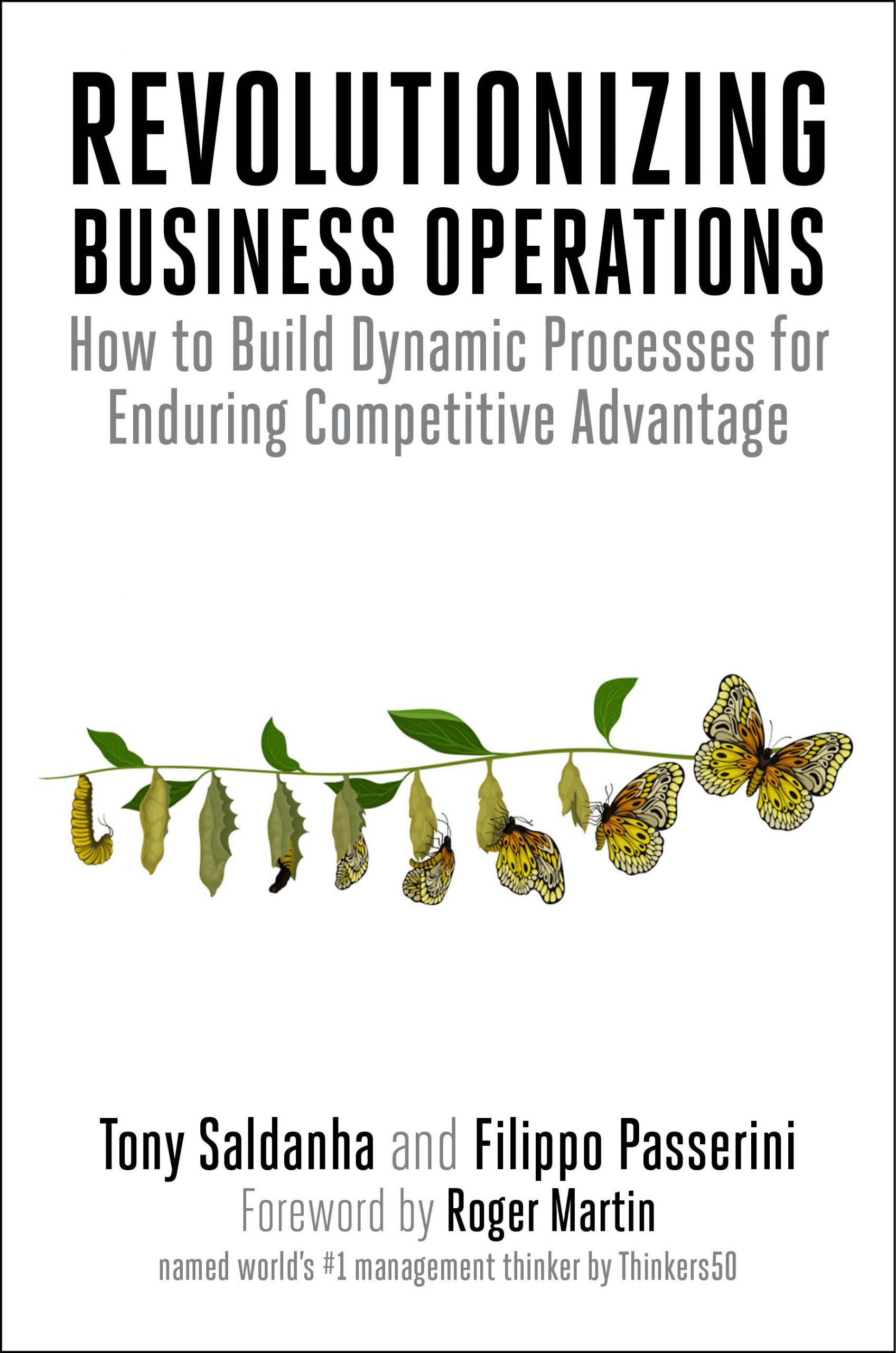
Don’t risk the dire consequences of your work processes becoming obsolete—discover a powerful model for constant, ongoing, enterprise-wide process evolution and optimization.
If you have a great product, but don’t have the operations in place to efficiently and effectively support it—production, manufacturing, sales, finance, human resources, etc.—you won’t succeed. Product innovation is seen as flashier and so gets far more attention, but you can create an enduring competitive advantage by revolutionizing business operations.
The problem is most attempts to improve business operations are reactive, sporadic, and siloed. Tony Saldanha and Filippo Passerini’s Dynamic Process Transformation model provides a living model for constant, ongoing process evolution and optimization.
The authors focus on maximizing three drivers of change. First, “open market rules”—each business process must be run as a separate business, instead of via monolithic mandates coming down from on high. Second, there must be “unified accountability”— outcomes must be clear and consistent across the company, instead of being siloed within departments. And third, there needs to be a “dynamic operating engine,” a methodology to convert the constantly changing business process goals into tactical day-to-day employee actions.
With numerous examples from leading companies, this book shows how to proactively keep business processes across the company from becoming obsolete and take advantage of a neglected key to success.

One of Thinkers50’s Ten Best Management Books of 2023
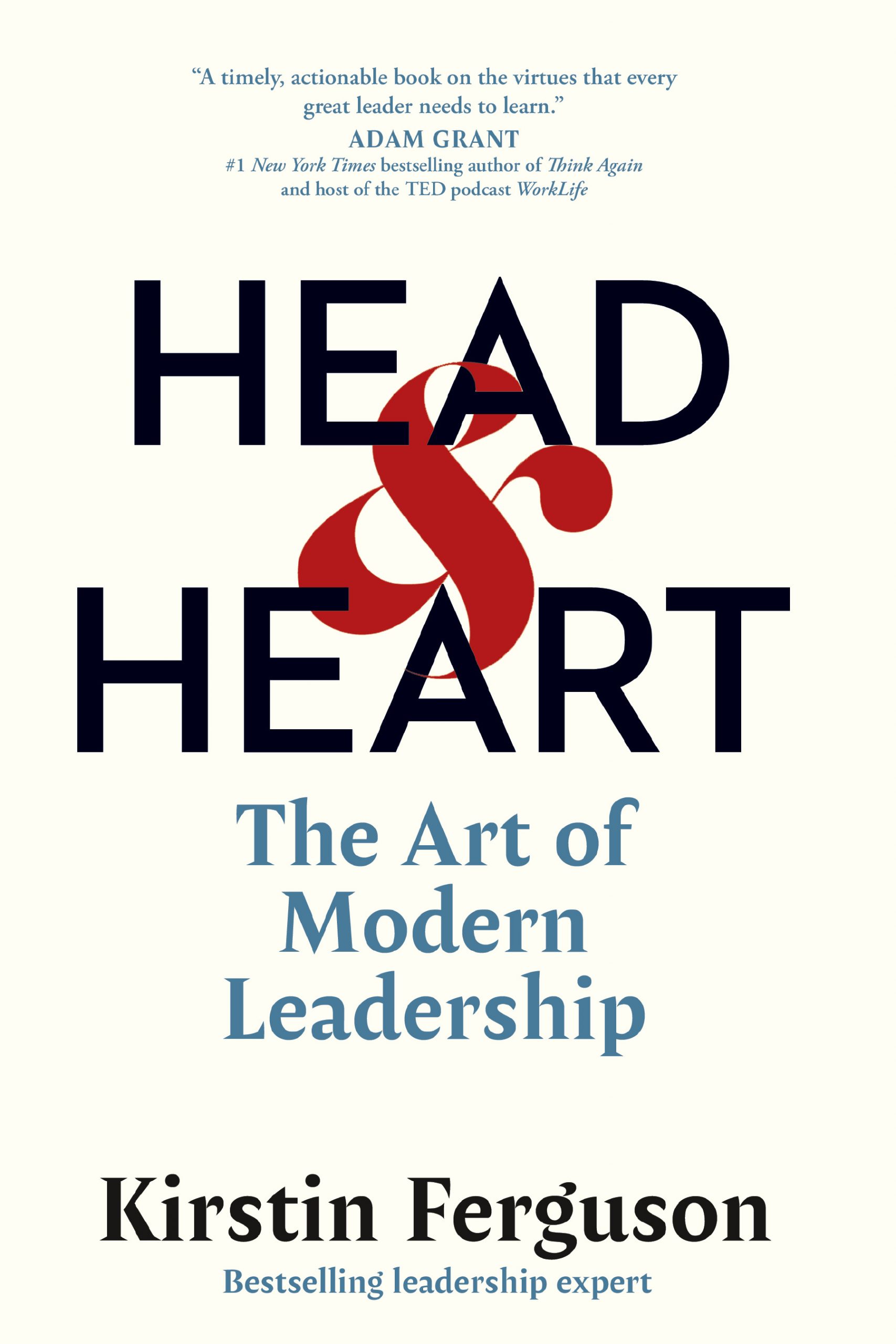
“A timely, actionable book on the virtues that every great leader needs to learn.”
—ADAM GRANT, #1 New York Times bestselling author of Think Again and host of the TED podcast WorkLife
Leadership is simply a series of moments, and this book gives you the tools to turn each moment into an opportunity to leave a positive legacy for those you lead.
In this ground-breaking book, award-winning leadership expert and business leader Kirstin Ferguson has written a much-needed practical guide for every modern leader. Whether you are the head of one of the largest companies in the world, supervising a small team, or guiding your family, it will be your ability to integrate your head and heart that will influence your success in leading others and navigating our complex world.
Combining studies from leading thinkers in the field with her own research, and more than three decades of personal experience, Kirstin explains the 8 key attributes of a head and heart leader and provides the tools to measure your own approach. Along the way, she shares her conversations with modern leaders from a broad range of backgrounds whose stories will surprise you, challenge your thinking and inspire you to be the type of leader the world needs.

The unknown history of economic conservatism in India after independence.
Neoliberalism is routinely characterized as an antidemocratic, expert-driven project aimed at insulating markets from politics, devised in the North Atlantic and projected on the rest of the world. Revising this understanding, Toward a Free Economy shows how economic conservatism emerged and was disseminated in a postcolonial society consistent with the logic of democracy.
Twelve years after the British left India, a Swatantra (“Freedom”) Party came to life. It encouraged Indians to break with the Indian National Congress Party, which spearheaded the anticolonial nationalist movement and now dominated Indian democracy. Rejecting Congress’s heavy-industrial developmental state and the accompanying rhetoric of socialism, Swatantra promised “free economy” through its project of opposition politics.
As it circulated across various genres, “free economy” took on meanings that varied by region and language, caste and class, and won diverse advocates. These articulations, informed by but distinct from neoliberalism, came chiefly from communities in southern and western India as they embraced new forms of entrepreneurial activity. At their core, they connoted anticommunism, unfettered private economic activity, decentralized development, and the defense of private property.
Opposition politics encompassed ideas and practice. Swatantra’s leaders imagined a conservative alternative to a progressive dominant party in a two-party system. They communicated ideas and mobilized people around such issues as inflation, taxation, and property. And they made creative use of India’s institutions to bring checks and balances to the political system.
Democracy’s persistence in India is uncommon among postcolonial societies. By excavating a perspective of how Indians made and understood their own democracy and economy, Aditya Balasubramanian broadens our picture of neoliberalism, democracy, and the postcolonial world.