An excellent primer for students wanting to learn macroeconomics and policymaking – Kaushik Basu
An important and timely contribution to our understanding of the Indian economy – Raghuram Rajan
How to maintain financial stability in India? Quest for Restoring Financial Stability in India is a classic work to understand this critical subject. In this Penguin edition, with a new introduction, Viral V. Acharya, former Deputy Governor of RBI offers a concrete road map for comprehensive improvement of India’s economy. Authoritative and definitive, this is a must read for the students and scholars of Indian economy, policymakers and anyone interested in India’s finance sector.

This compelling self-help book will inspire you to pursue your biggest dreams, regardless of your background or upbringing. Unlocked: The Power of You illustrates that by unlocking our true, authentic selves, we can unleash our greatest potential in a world without limits, even in the aftermath of a pandemic.
Gezim Gashi recounts his extraordinary journey-from escaping the Kosovo genocide to becoming the first Albanian-Swede to launch a high school institute in the United States – Gezim lays out a path to personal success and fulfillment that is accessible to all, regardless of their background. With his mentorship, readers will be inspired to overcome obstacles and achieve their biggest goals.
Gezim Gashi is currently on the ‘Unlocked: The Book Tour’ across North America, making stops at esteemed institutions such as Harvard University and Yale University. His objective is to motivate individuals to reach new heights in their lives.
Gezim Gashi is a purpose-driven entrepreneur, storyteller, producer, mentor, speaker, educator, branding expert, and partner at the OCS Institute of Arts & Innovation in Los Angeles, California. He has worked with companies such as the Walt Disney Company and Quincy Jones Productions. This is his first book. Originally from Akllap, Kosovo, he grew up in Alvesta, Sweden, and currently resides in both New York City and California.

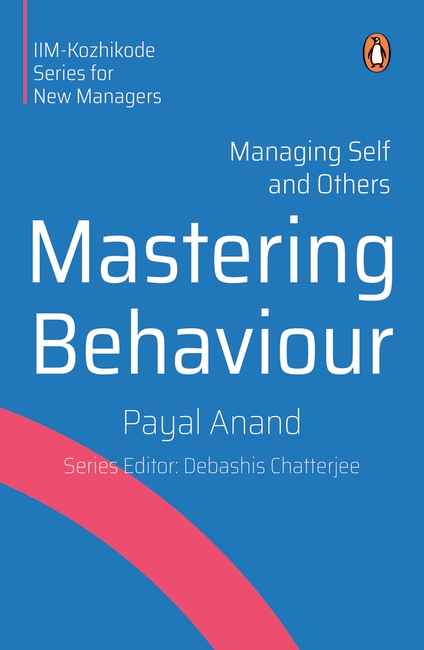
A new workplace challenges you to pay attention to the aspects that drive your behaviour, attitudes, perceptions, and emotions. At the same time, recognizing the motives, needs, and emotions of others is imperative for personal leadership. This book will help you hone your collaborative instincts, embrace diversity, and engage effectively in a professional setting.
Based on the author’s experiences, and her observations over the years, Mastering Behaviour explores the main drivers of organizational behaviour. Applying popular psychology theories, the book helps in tackling difficult interpersonal and behavioural issues at work, such as personality clashes, stress, handling difficult interactions, and workplace loneliness.
With rapid technological advancement changing the way we connect, this book will provide insights to the real-world challenges of developing greater trust, engagement, and collaboration within teams and the organization.
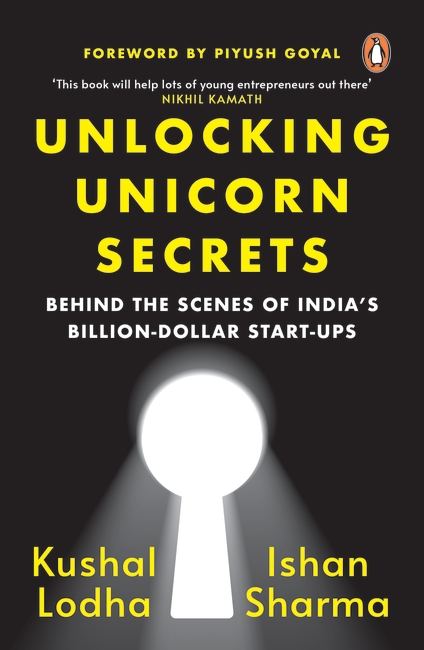
In 2022, India, second only to the US, produced more unicorns than any other country in the world. Although ours is a vibrant ecosystem that encourages young minds to take the entrepreneurial plunge, the road ahead is full of pitfalls.
Unlocking Unicorn Secrets captures the entrepreneurial journeys of some of India’s new-age founders and looks at the challenges they faced and how they overcame them. It covers themes such as developing an idea, building out the minimum viable product (MVP), finding a co-founder, setting up the founding team, raising funds and scaling the business, among others. Through primary research and a series of interviews conducted with the founders of these billion-dollar companies, the authors weave a narrative that is both accessible and informative.
The book is a manifestation of the authors’ passion for inculcating the entrepreneurial mindset in our nation’s youth, which they do masterfully, by illustrating the success stories of India’s top unicorns.
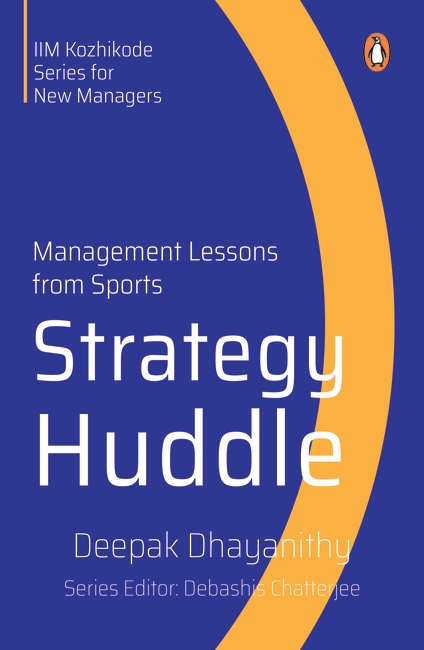
Though Sun Tzu’s The Art of War was written 2,500 years ago, strategy is seen as a young discipline in business management. Over the last half to three-fourths of a century, strategy has carved its own niche in the larger business management realm. Strategy Huddle: Management Lessons from Sports draws out significant strategic management knowledge from twenty-seven different phenomena in diverse sports including soccer, basketball, marathon, boxing, chess and cricket. The practical applications of these strategies are shown through business case scenarios in this book. For new managers seeking to sharpen their strategic management concepts such as blue ocean, behavioural and network strategies as well as for strategic thinkers interested in understanding the deeper connections between strategy and sports, this book brings to the readers an enriching learning and strategic experience.

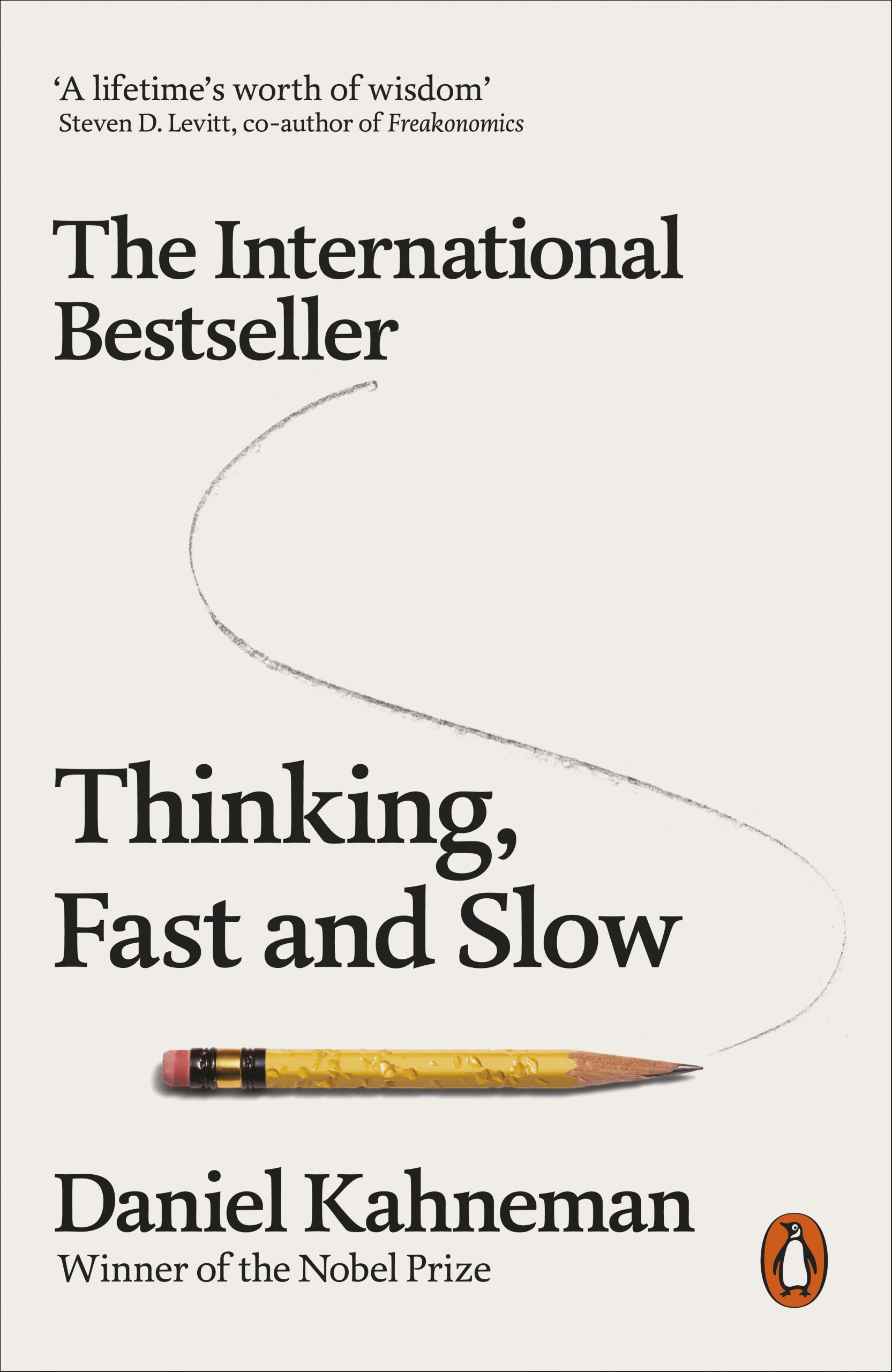
The phenomenal international bestseller – 2 million copies sold – that will change the way you make decisions
‘A lifetime’s worth of wisdom’ Steven D. Levitt, co-author of Freakonomics
‘There have been many good books on human rationality and irrationality, but only one masterpiece. That masterpiece is Thinking, Fast and Slow‘ Financial Times
Why is there more chance we’ll believe something if it’s in a bold type face? Why are judges more likely to deny parole before lunch? Why do we assume a good-looking person will be more competent? The answer lies in the two ways we make choices: fast, intuitive thinking, and slow, rational thinking. This book reveals how our minds are tripped up by error and prejudice (even when we think we are being logical), and gives you practical techniques for slower, smarter thinking. It will enable to you make better decisions at work, at home, and in everything you do.
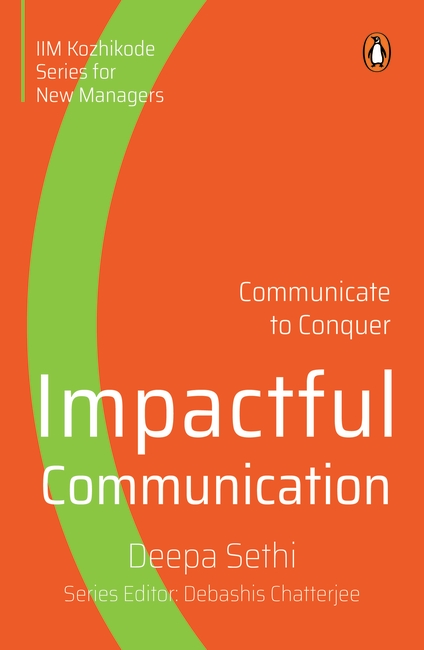
Impactful Communication is a highly practical and useful book based on the author’s first-hand experience in the field of communication. In today’s world of artificial intelligence and social media, where organizations demand sharp communication skills, this book carries tools to effectively deal with the conventional and nonconventional aspects of verbal and nonverbal communication in varied situations and with different stakeholders. It discusses the art of communication by evaluating its barriers and the seven vital Cs of communication. While highlighting the importance of listening, the book explores the challenges of communication in the era of artificial intelligence and shares insights into how one can maintain the personal touch of communication in a highly non-personalized world. Impactful Communication is a user-friendly guide with numerous enlightening illustrations for new professionals and managers entering the corporate world.
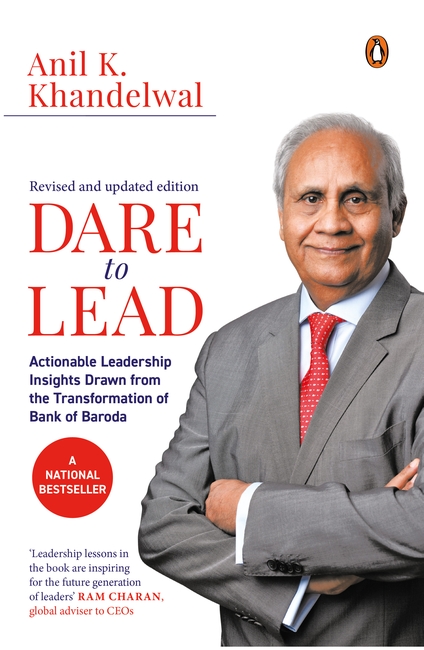
Dare to Lead is the fascinating story of how Anil K. Khandelwal transformed Bank of Baroda (BOB) from being just another public sector bank into one of the most valuable brands in Indian banking.
This is the story of the leadership challenges, management solutions and personal and professional excitement the author experienced in transforming the 97 year old bank into a modern, tech-savvy, customer-centric bank.
This book is an excellent blueprint for undertaking transformation in large, geographically dispersed public sector enterprises. It describes how a large-sized bank was transformed on all parameters with clear vision, execution discipline, customer centricity and people engagement. The author emphasizes that large-scale transformation can be undertaken successfully only if the CEO shows courage to change the status quo and mobilize the human effort within the organization.
The story of BOB’s transformation has captured international attention and finds its mention in Harvard Business Review, Human Resources Development International and the book The India Way by the Wharton School faculty.

Change is hard but does it need to be painful? What if there was a more intrinsically motivating and nourishing way to drive change?
Play to Transform is a book that challenges the traditional mindset of business leaders and encourages them to tap into their inner child to accelerate transformation with purpose. The book argues that we are all born creative geniuses with an innate ability to empathize deeply with others, but somewhere along the way, we have lost touch with these qualities. In the post-pandemic world, leaders need to be more empathetic and agile than ever before, and a conscious shift in mindset is required to achieve this.
Drawing on real-life examples, contemporary shift strategies and key implications for organizations, the book demonstrates how play can be used as a catalyst for transformation and innovation. By providing a psychologically safe and co-creative environment that normalizes failure, the book shows how organizations can encourage their employees to express themselves more freely and make the necessary shifts to embrace change and find harmony in chaos. The book challenges the myth that play is frivolous and cannot be used for serious work, offering a fresh perspective on how to conduct business with more heart and soul.
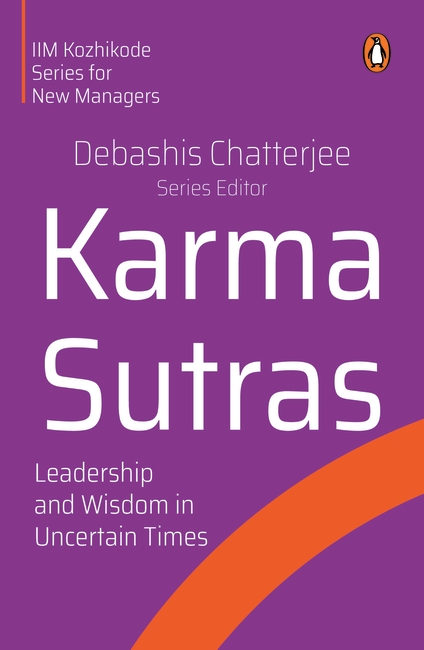
Karma Sutras decodes the secrets of effective leadership in these uncertain times. It is a blueprint for success in the organizational and personal sphere. The book contains management mantras from one of India’s foremost thought leaders. It will help you navigate the technology-driven culture of 21st century business. Karma Sutras throws light on the leadership practices needed for the VUCA world. It vividly encapsulates the scientific and spiritual truths about organization, work, self-mastery and the purpose of leadership in the post-Covid world. Laced with small, insightful narratives from current issues to motivating stories and relatable quotes, the book caters to aspiring leaders and first-time managers alike. It provides deep anchors in spirituality for managers struggling in a disruptive world. Finally, Karma Sutras will teach you the art of effective followership. As the author rightly says, ‘. . . in each follower there is an emerging leader’.