



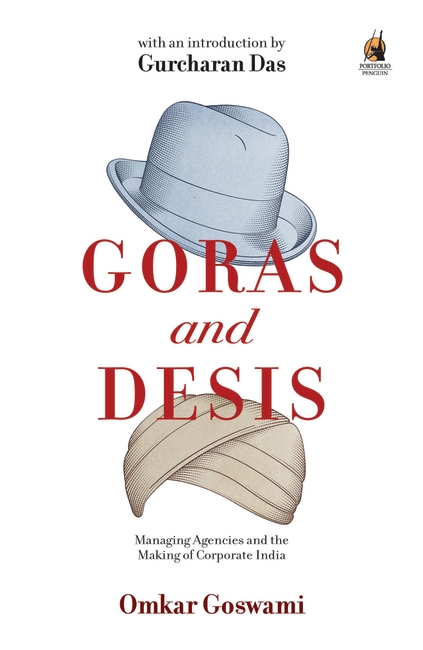
The story of corporate India is linked to managing agencies, an organizational form dominant in the subcontinent from 1875 until its abolition in 1970 that allowed entrepreneurs to promote diverse companies while exercising disproportionate control over cash flows. This is the definitive economic history of Indian companies through the lens of managing agencies, whether controlled by goras or desis.
Catagory: Business & Economics
Indian Railways
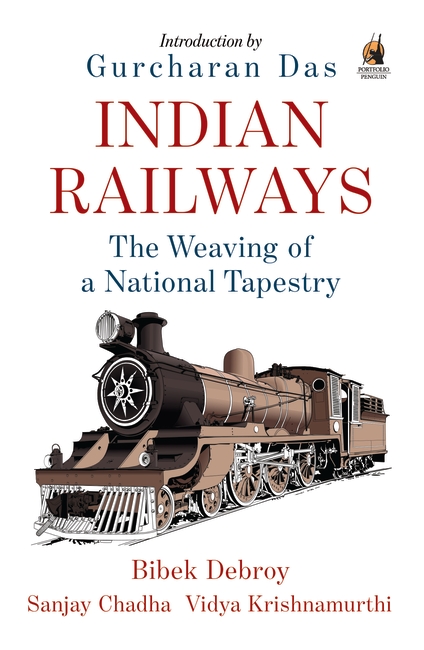
The railways brought modernity to India. Its vast network connected the far corners of the subcontinent, making travel, communication and commerce simpler than ever before. Even more importantly, the railways played a large part in the making of the nation: by connecting historically and geographically disparate regions and people, it forever changed the way Indians lived and thought, and eventually made a national identity possible.
This engagingly written, anecdotally told history captures the immense power of a business behemoth as well as the romance of train travel; tracing the growth of the railways from the 1830s (when the first plans were made) to Independence, Bibek Debroy and his co-authors recount how the railway network was built in India and how it grew to become a lifeline that still weaves the nation together.
This latest volume in The Story of Indian Business series will delight anyone interested in finding out more about the Indian Railways.
The Communist Manifesto
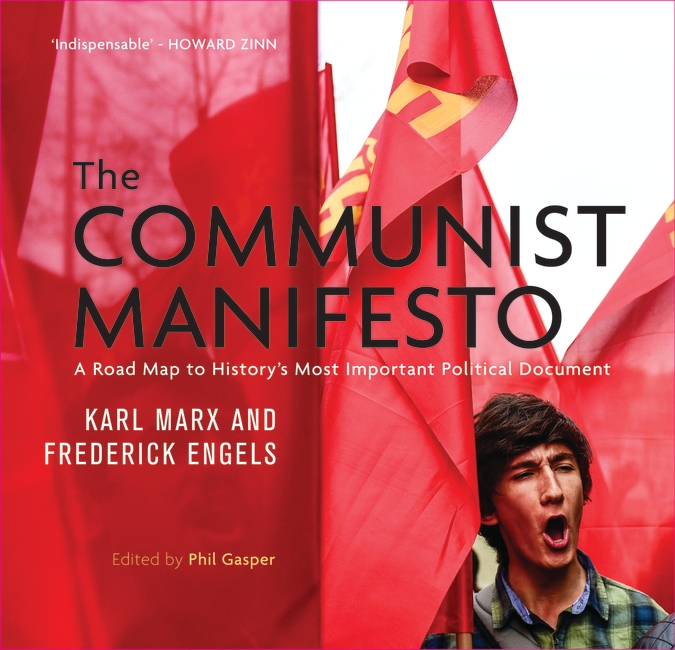
On the occasion of Karl Marx’s 200th birth anniversary, here is an authoritative edition of The Communist Manifesto
‘Apart from Charles Darwin’s Origin of Species,’ notes the Los Angeles Times, The Communist Manifesto ‘is arguably the most important work of nonfiction written in the 19th century.’ The Washington Post calls Marx ‘an astute critic of capitalism.’ Writing in The New York Times, Columbia University Professor Steven Marcus describes the Manifesto as a ‘masterpiece’ with ‘enduring insights into social existence.’
Since it was first written in 1848, the Manifesto by Marx and Engels has been translated into more languages than any other modern text. It has been banned, censored, burned and declared ‘dead’. But year after year, the text only grows more influential and more relevant, and is required reading in courses on philosophy, politics, economics and history.
In this extensively researched edition, renowned Marxist scholar Phil Gasper provides an authoritative introduction to history’s most important political document, with the full text of the Manifesto. Thoughtfully presented in a reader-friendly format, it is fully annotated, with clear historical references and explanations, additional related texts, and a glossary that will bring the text to life for students as well as the general reader.
The New Yorker recently described Karl Marx as ‘The Next Thinker’ for our era. This book shows readers why.
India Transformed
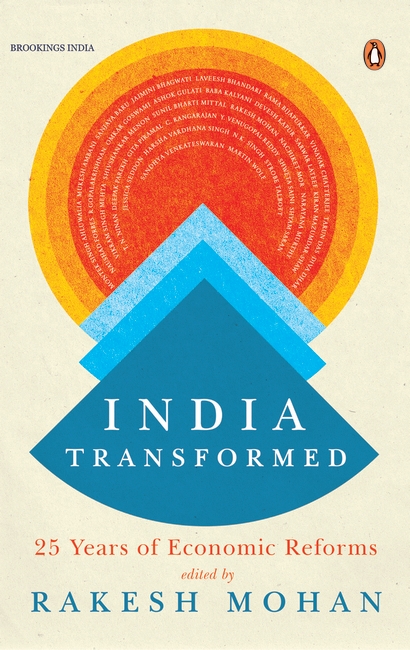
In this commemorative volume, India’s top economic luminaries and business leaders come together to provide a balanced picture of the economic reform process initiated in 1991 and its consequences. They ask themselves some imperative questions: What were the reforms? What were they intended for? How have they affected the overall functioning of the economy?
Covering the impact of the reforms on the evolution of India businesses, India’s foreign and security policy, the changing face of Indian governance and sectoral and human developments, among other themes, India Transformed delves deep into the life of liberalized India through the eyes of the people who helped transform it.
Network Marketing
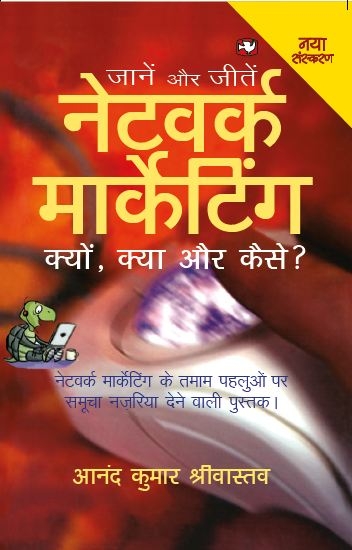
This book will help you build a strong team that delivers. It also offers practical tips for effective leadership to boost your team’s productivity, especially because working hard is no longer enough to help you hold down a job. But setting up the ideal network and putting in smart effort will win you the recognition you deserve.
A Hero in the Chair beside me
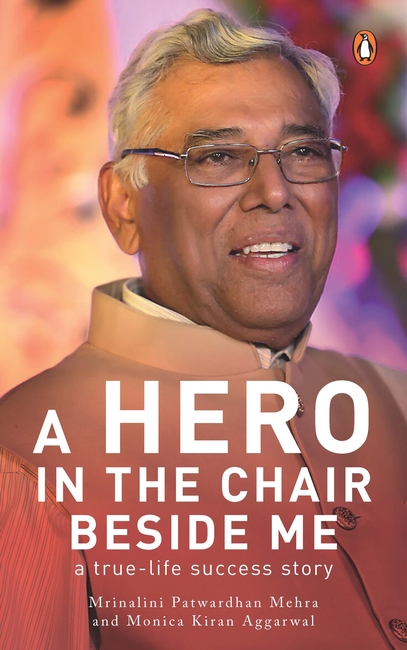
A gifted boy from a small town in newly independent India dreams of making a life in the big city in the 1950s. Suddenly, misfortune and tragedy beset his family, to which he is dearly attached. As responsibilities fall on his twelve-year old shoulders, he chooses his family’s welfare over himself. He does not spare himself as he devotes his energy, attention, focus and time to the two priorities in his life: his family and his ambitions, in that order. Accolades and rewards begin to flow in early, followed by recognition, status and prosperity.
Devoted and indebted to his mother, whom he regards as a power-endowed ascetic, Girish Mohan Gupta continues to uphold the family and service to humanity as his highest values. Slowly, he moves from childhood, to his young adult years and then to a full-blooded householder’s life, supporting ever-increasing family responsibilities, with an eye on philanthropy.
This thought-provoking account by Dr Gupta’s daughter points to how success can be achieved, living life with dignity and honesty, and not giving in to despair in the face of great odds.
The Indian Business Box Set
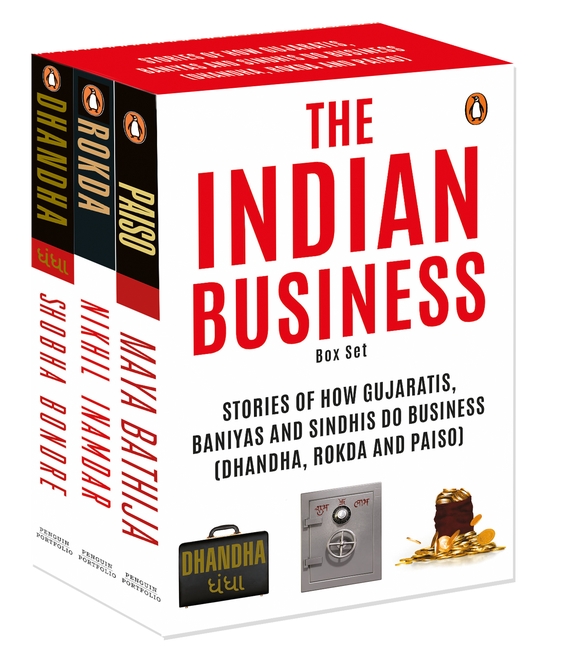
This collection of bestselling books Dhanda, Rokda and Paiso brings together renowned journalists Shobha Bondre, Nikhil Inamdar and Maya Bathija who delve into how empires such as Emami, Diamand Nagar and Embassy Group were built. These wonderful accounts show us the people behind these hugely successful companies and the entrepreneurial spirit and characteristics inherent to each community.
‘Highly readable . . . Nifty storytelling’ Business Standard
‘Well-structured and engaging . . . Each of these extraordinary stories has elements of some of the characteristic Sindhi ways of doing business’ Hindustan Times
‘Inamdar’s book offers a good insight into the ways of this remarkable community’ Business Standard
My Life, My Mission
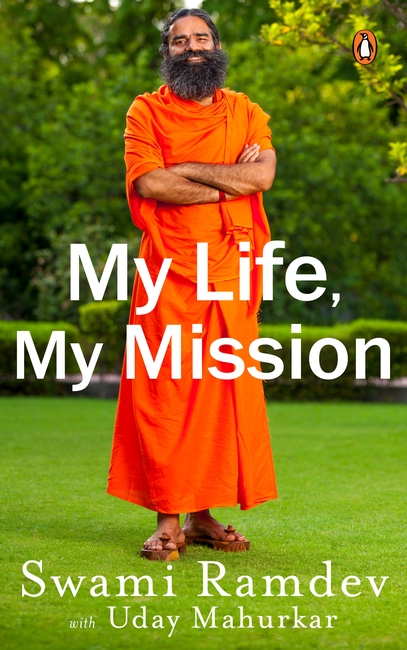
‘A lot has been written about me by other people. Now I will share with you the story of my life in my own words.’
Swami Ramdev is a household name in India. But do you know where he was born? Why did he take sanyas and get into spirituality? What is his vision for India?
Fearless, driven and with a penchant for being outspoken, Swami Ramdev-for the first time-addresses the major controversies, turning points and achievements of his life. An autobiographical account, the book is written with senior journalist Uday Mahurkar and captures the seer’s journey from a small village in Haryana to the international stage. As we uncover the trials, tribulations and triumphs of his life, we realize that there is more to the ascetic than often meets the eye. The book provides insights into his childhood, his passion for yoga and good health, his friends and foes, and the Swadeshi campaign he has spearheaded. In 2006, the globally popular yoga teacher known for his work in Ayurveda, health and social issues founded the Patanjali Group of Institutions that is now a major FMCG company with a turnover of about Rs 12,000 crore.
Engaging, revealing and inspiring, the book shows how determination, passion and tenacity can transform the ordinary into the extraordinary.
The Best of Chanakya’s Wisdom Box Set
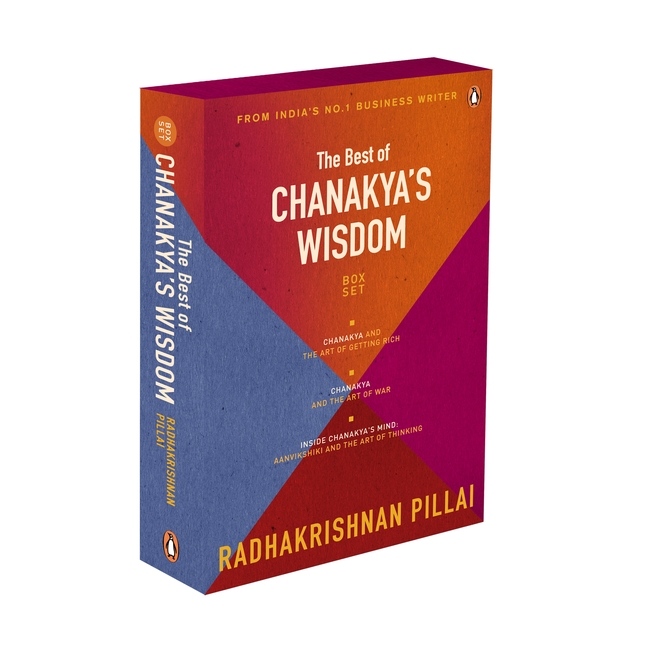
Chanakya and the Art of Getting Rich
Chanakya’s Arthashastra is an unrivalled political treatise that has been used by scholars, academics and leaders across the world. In Chanakya and the Art of Getting Rich, Radhakrishnan Pillai brings out the inherent lessons from Arthashastra to present a strategic and practical way of wealth creation. This is a holistic study, written for anyone and everyone.
Chanakya and the Art of War
Radhakrishnan Pillai decodes the war secrets of Chanakya as relevant to our personal and professional lives. Be it an army fighting enemy soldiers across the border, the police encountering internal challenges, a politician who wants to win an election, or the common man fighting for survival, Chanakya has a plan for every situation.
Inside Chanakya’s Mind: Aanvikshiki and the Art of Thinking
Chanakya was one of the best strategic thinkers of the world. In the fourth century BC, he wrote the Arthashastra, an unrivalled political treatise that has since been used by leaders across the globe. In Inside Chanakya’s Mind, for the first time, Radhakrishnan Pillai, distils Chanakya’s age-old wisdom on how to think for the masses through his practical and innovative approach.
From Oberoi to Oyo

A captivating account of innovations, disruptions and challenges that define the Indian hotel industry.
How did the Taj, the Oberoi and the ITC hotels come to dominate the Indian hotel landscape? What are the challenges thrown by the disrupters-the foreign chains, OYO, the online travel agents and the young start-ups? What does the future hold?
This book answers these and many more such questions.
Based on the author’s years of observation of the industry and interactions with key stakeholders, this book takes you through the tumultuous history and evolution of the Indian hotel industry. It also captures the enormous shifts and changes including guest preferences, consumer profiles and disruptions brought in by technology. Packed with some exciting profiles and analysis of strategies, it also attempts to provide a glimpse of what lies in store for the future.